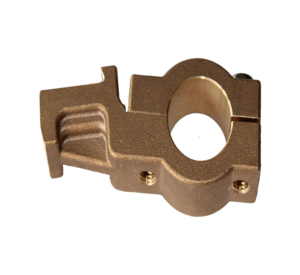
If aluminum is light, Magnesium is revolutionary. It is the lightest structural metal available to engineers today—33% lighter than aluminum and 75% lighter than steel.
In an era where battery range (EVs) and portable ergonomics (laptops/drones) are everything, Magnesium is the go-to material. It doesn’t just save weight; it has an incredible “Strength-to-Weight” ratio and can dampen vibrations better than almost any other metal.
In the magnesium world, we primarily work with two “super-alloys.” Your choice depends on whether you need a hard shell or a part that can survive a crash.
| Feature | AZ91D (The Popular Choice) | AM60B (The Tough Choice) |
| Primary Benefit | Excellent strength & corrosion resistance | High ductility (it bends before it breaks) |
| Castability | Outstanding (Best for complex shapes) | Good |
| Tensile Strength | 230 MPa | 220 MPa |
| Elongation | 3% (Stiff) | 6% – 8% (Flexible/Tough) |
| Typical Use | Laptop frames, camera bodies, chainsaws | Car seats, steering wheels, dash boards |
Magnesium isn’t just light; it’s fast to manufacture. Here’s why it wins in high-volume production:
Low Heat Capacity: It cools down and solidifies incredibly fast in the mold. This means shorter cycle times—we can often produce more magnesium parts per hour than aluminum.
Minimal Tool Wear: Magnesium does not “attack” or erode the steel mold as aggressively as aluminum does. This extends your mold life significantly.
Complex Thin Walls: We can cast magnesium with wall thicknesses as low as 1.0mm to 1.2mm, allowing for incredibly intricate, integrated designs.
Magnesium in its molten state is highly reactive with oxygen. In the foundry, we use specialized Cover Gases (like SF6 or alternative blends) to create a protective blanket over the metal. While the “flammability” of magnesium is a common myth for finished parts (they are very safe!), it requires a high level of expertise and specialized equipment during the actual casting process.
Magnesium is a natural shield against Electromagnetic Interference (EMI). This is why it is the standard for high-end electronics and telecommunications—it protects the “brains” of the device from outside signals. To prevent corrosion, we typically finish magnesium with:
MAO/Keronite: A ceramic-like coating for extreme hardness.
E-Coating: For full-coverage chemical protection.
Chrome-free Passivation: To prep the surface for high-quality painting.
Are you designing a handheld device or a component for an electric vehicle? I can help you decide if the stiffness of AZ91D or the impact-absorption of AM60B will give your product the competitive edge in weight reduction.
Contact us to evaluate manufacturability, tolerances, and cost for your specific application.
 English English
 Español de México
 Deutsch
 Français
 Русский
 العربية English English Español de México Deutsch Français Русский العربية
We will contact you within 24 hrs, please pay attention to the email with the suffix “@dewintech.com”. Your privacy is safe, we won’t use your email for any other purposes. Download NDA