
I’ve guided many first-time importers of custom metal parts out of Vietnam, and the question I hear most is: “Should I ask for FOB or CIF in my supplier contract when sourcing from Vietnam?”
In short, for a beginner importing custom metal parts from Vietnam, CIF offers more logistical simplicity but at a higher cost, whereas FOB gives you more control and potentially better margins—but also more responsibility and risk.
In the following sections I’ll break down definitions and responsibilities for FOB vs CIF, explore the risks and costs the buyer assumes under each, explain why a beginner might prefer one over the other in the Vietnam sourcing context, and give practical tips on how to negotiate the Incoterm in your supplier contract so it matches your risk appetite and logistics capability.
What are the definitions and responsibilities under FOB vs CIF for Vietnam-U.S. trade?
Under FOB (Free On Board), the seller in Vietnam handles export loading up to the vessel; under CIF (Cost, Insurance & Freight), the seller arranges and pays for freight and insurance to the U.S. port, though risk transfers at loading.
Authoritative explanations of FOB and CIF responsibilities are provided by the International Chamber of Commerce Incoterms Rules 1.
Additional Incoterms shipping guidance is available from the U.S. International Trade Administration 2.
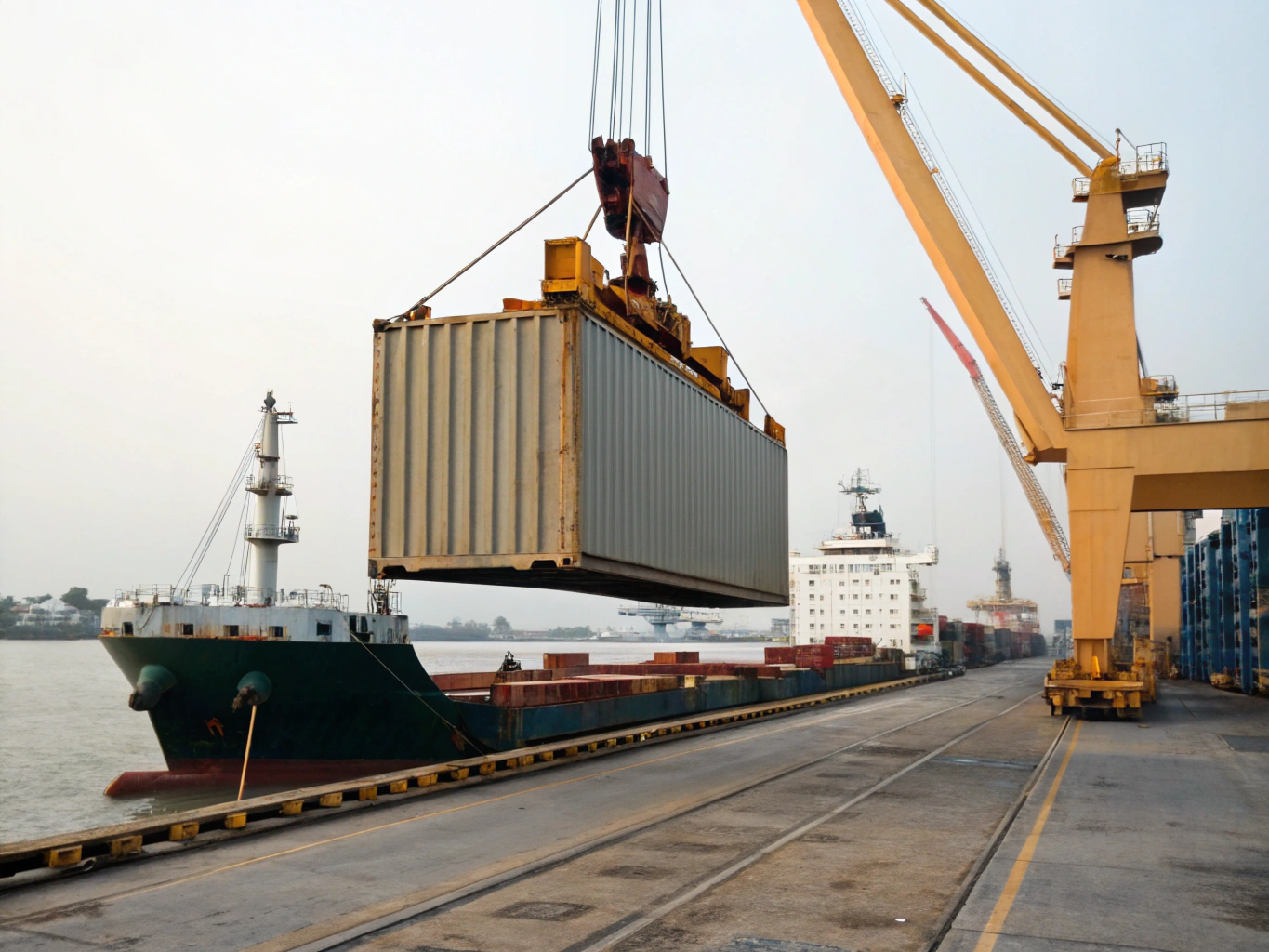
Key responsibilities under each term
| Incoterm | Seller’s responsibilities (Vietnam) | Buyer’s responsibilities (U.S. importer) | Point of risk transfer |
|---|---|---|---|
| FOB (Vietnam export port) | Export customs clearance, loading onto vessel. | Book freight, insure cargo, manage import & inland delivery. | When goods are loaded on board in Vietnam. |
| CIF (Vietnam to U.S. port) | Export clearance, pay freight & insurance to U.S. port. | Import clearance, unloading costs, inland U.S. delivery. | Also when goods are loaded on board in Vietnam. |
Incoterms responsibilities shown above align with interpretations published by the World Trade Organization training materials 3.
What risks and costs does the buyer assume under FOB compared to CIF when importing custom metal parts?
Under FOB, buyers gain cost control but must manage logistics; under CIF, sellers handle freight & insurance but buyers face limited visibility, potential insurance gaps, and higher embedded freight costs.

FOB cost-efficiency and risk exposure are explained in the Maersk logistics insights center 4.
CIF cost structure and insurance limitations are detailed by the Allianz cargo insurance guide 5.
Risks and cost considerations
| Item | Under FOB | Under CIF |
|---|---|---|
| Freight cost control | You choose and negotiate. | Seller bundles freight—less transparency. |
| Insurance responsibility | Buyer selects coverage. | Seller buys insurance (buyer must verify adequacy). |
| Shipping route & carrier choice | Full buyer control. | Limited influence. |
| Import responsibility | Buyer handles U.S. side. | Same for CIF. |
| Handling visibility | Higher. | Lower. |
| Cost premium | Lower when optimized. | Higher—includes seller markup. |
| Complexity | Higher. | Lower. |
Why might a beginner prefer one Incoterm over the other in Vietnam sourcing?
Many beginners choose CIF for simplicity, while buyers planning to scale often switch to FOB for long-term cost control and routing visibility.

Guidance on choosing Incoterms is supported by the Export.gov beginner import guide 6.
Examples of CIF vs FOB decision impacts are explored in the Flexport global shipping education center 7.
How to negotiate Incoterm in supplier contract to match your risk appetite and logistical capability?
Negotiating the Incoterm clause requires specifying responsibilities, loading requirements, forwarding coordination, insurance details, and future-order transition flexibility.

Contractual structuring guidance is affirmed by the UNCITRAL contracting principles 8.
Risk-transfer clarification follows ICC training references provided through the ICC Academy 9.
Supplier-buyer logistics negotiation strategies are summarized in the APEC SME logistics toolkit 10.
Contract clauses to consider
| Clause | What it should say |
|---|---|
| Incoterm Definition | Must list term + location + INCOTERMS 2020. |
| Container Loading Terms | Supplier must load, secure, and seal appropriately. |
| Insurance Clause | CIF must specify insurance value, terms, and proof. |
| Risk Transfer Clause | Clarify “on board” transfer point. |
| Logistics Coordination Clause | Timeline for nominating freight forwarder. |
| Future Order Transition | Allows shift from CIF to FOB later. |
Conclusion
For beginners importing custom metal parts from Vietnam, CIF is the simpler entry point, while FOB provides more long-term control and cost efficiency once logistics capability improves.
Footnotes
1. ICC official rules defining FOB and CIF responsibilities. ↩︎
2. ITA guide explaining Incoterms use for U.S. importers. ↩︎
3. WTO training materials explaining risk transfer under Incoterms. ↩︎
4. Maersk analysis of FOB buyer-side logistics pressures. ↩︎
5. Allianz guide describing insurance requirements under CIF. ↩︎
6. U.S. Beginner import guide explaining buyer responsibilities. ↩︎
7. Flexport educational content on choosing Incoterms. ↩︎
8. UNCITRAL guidance on contract risk allocation. ↩︎
9. ICC Academy Incoterms training for contract accuracy. ↩︎
10. APEC SME logistics toolkit on buyer–supplier freight negotiation. ↩︎

 English
 Español de México
 Deutsch
 Français
 Русский
 العربية