Shipping delays once cost me a key client—and it all came down to one thing: I misjudged the sea freight timeline.
Sea freight from Vietnam to the U.S. usually takes between 20 to 40 days, depending on the ports involved, shipment type, and seasonal conditions.
Understanding how freight timing works helps importers avoid costly delays, missed deadlines, and disappointed customers. Let’s break it all down below.
What typical transit times should you budget for ocean freight Vietnam → U.S.?
Typical transit times range from 20 days for West Coast deliveries to 35–40 days for East Coast ports. Add buffer for port clearance and inland transport.
Shipping From Vietnam to the United States: Transit Time Guide 1 reports sea freight FCL from Vietnam to the U.S. often takes 24–29 days port-to-port and 37–41 days door-to-door.
Another source indicates that sea freight “typically 20–40 days or more (port-to-port)” depending on route. 2
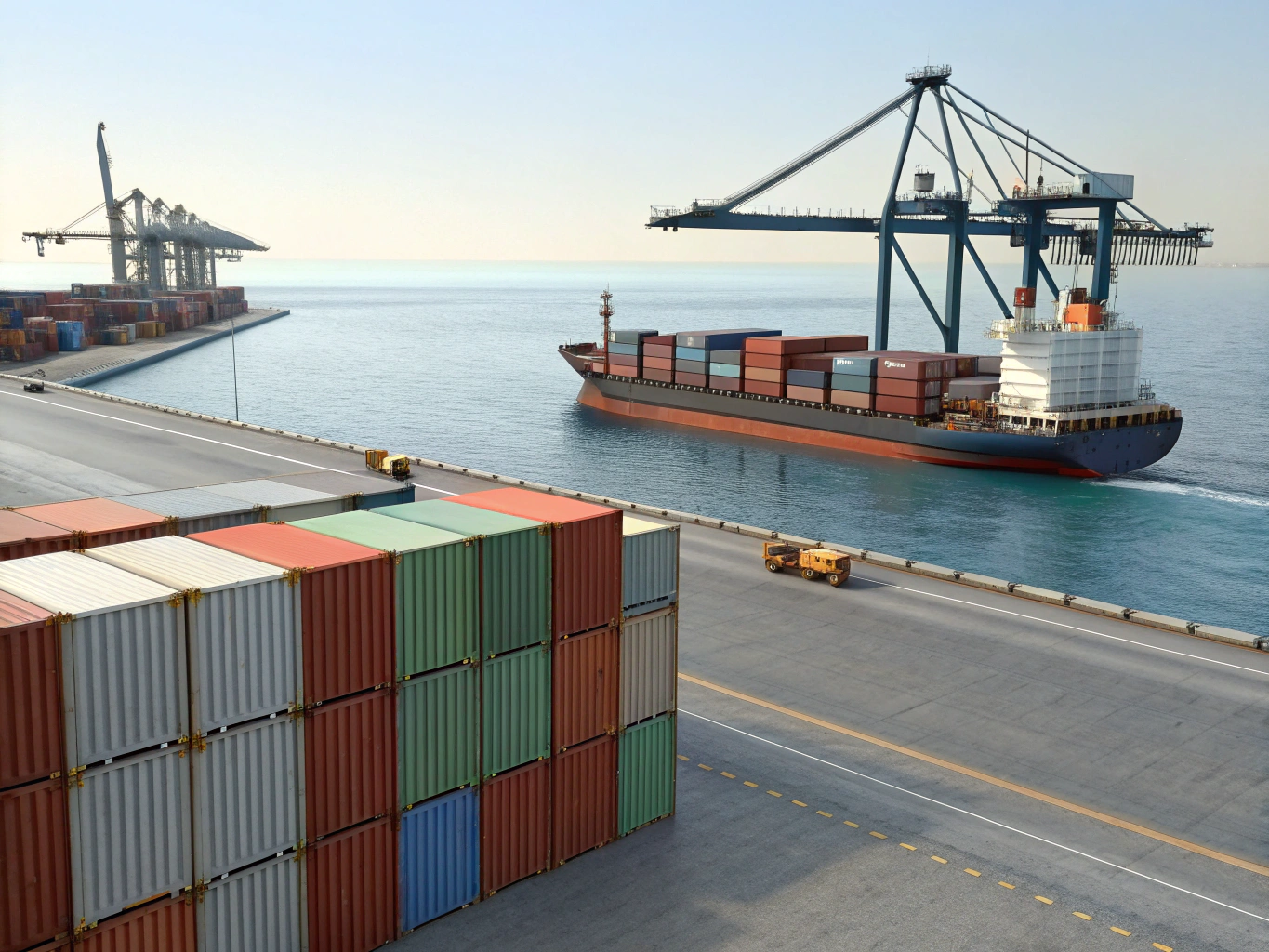
Transit time depends mainly on the U.S. destination port. West Coast ports like Los Angeles and Long Beach receive shipments faster—usually within 20–25 days. East Coast ports like New York, Savannah, or Norfolk often take 33–40 days, as vessels must pass through the Panama Canal.
A 2025 guide outlines direct Vietnam → U.S. West Coast routes at 20–30 days, East Coast 30–45 days. 3
Sea Freight Transit Time Table
| Route | Shipment Type | Estimated Transit Time |
|---|---|---|
| Vietnam → Los Angeles (West Coast) | FCL | 20–25 days |
| Vietnam → Los Angeles (West Coast) | LCL | 24–30 days |
| Vietnam → New York (East Coast) | FCL | 33–40 days |
| Vietnam → New York (East Coast) | LCL | 35–45 days |
Don’t forget: these are port-to-port estimates. You still need to account for Vietnam export customs, U.S. import clearance, and inland trucking—which adds another 7–15 days.
Real-world guidance gives door-to-door sea freight Vietnam→U.S. at 24–41 days for FCL. 4
If you’re using door-to-door logistics, plan for 30–60 days from supplier pickup to final delivery.
What variables affect transit time (route, FCL vs LCL, port of origin/destination)?
Transit time depends on shipping method (FCL vs LCL), port locations, and seasonal port congestion. LCL and transhipped routes add more risk.
Shipping from Vietnam to US: Your Complete Guide 5 lists Vietnam ports (Ho Chi Minh, Hai Phong, Da Nang) and U.S. ports (L.A., Houston, New York), noting that transit time is affected by chosen route.
Another source indicates sea freight 20–40 days “depending on departure and arrival ports and whether the shipment is direct or involves transshipment.” 6

Key Transit Time Variables
| Factor | Impact on Time | Details |
|---|---|---|
| Shipment type (FCL vs LCL) | High | LCL takes longer due to consolidation/de-consolidation |
| Origin port in Vietnam | Medium | Ports further inland or requiring transshipment add time |
| U.S. destination port | High | West Coast ports are significantly faster than East Coast |
| Carrier schedules | Medium | Weekly vs bi-weekly sailings affect lead time |
| Transshipment | High | Extra port stops or re-loading adds risk of delay |
| Weather and season | Medium | Monsoon, holiday peaks and port congestion influence schedule |
If you’re moving large quantities of custom metal parts, use FCL to reduce complexity and speed up processing. And whenever possible, avoid transshipment through third countries—it adds customs risk and transfer delays.
Sea Freight Time Vietnam → USA Guide 7 confirms that transshipment and consolidation typically extend lead-time.
Summary Table: FCL vs LCL Transit Times
| Metric | FCL | LCL |
|---|---|---|
| Speed | Faster | Slower (3–7 extra days) |
| Cost | Higher per shipment | Lower for small loads |
| Risk of delay | Lower | Higher (due to consolidation) |
| Ideal for | Large, urgent shipments | Small, flexible loads |
How should you structure your logistics schedule and buffer time around freight transit?
Always build 10–15 days of buffer time into your schedule to accommodate delays in customs clearance, port congestion, or weather.
2025 Shipping Vietnam→USA: Trends & Guide 8 shows door-to-door estimates at 35–42 days and advises booking 6–8 weeks ahead.
Another logistic review cites door-to-door FCL as 24–41 days and LCL as 28–45 days, depending on origin/destination. 9

When you import custom mechanical parts, the lead-time is more than just sailing time. You must include:
- Vietnam-side production completion
- Export clearance
- Sea freight
- U.S. customs clearance
- Domestic delivery
A better approach is to build a logistics buffer matrix, like the one below:
Sample Full Transit Timeline
| Step | Estimated Time | Buffer Time | Total |
|---|---|---|---|
| Production + inspection | 7–14 days | 2–3 days | 10–17 days |
| Export clearance | 3–5 days | 2 days | 5–7 days |
| Sea freight (Vietnam → U.S.) | 25–35 days | 3–7 days | 28–42 days |
| U.S. customs + delivery | 7–10 days | 2 days | 9–12 days |
| Total Lead Time | 42–64 days | — | 6–9 weeks |
To avoid schedule disruptions:
- Order at least 60 days before your required delivery date
- Use contract clauses that define acceptable delivery windows
- Implement weekly update calls with your supplier or freight forwarder
What tracking and logistics management practices help you monitor actual vs planned transit times?
Use real-time tracking platforms, milestone checkpoints, and shared dashboards to monitor transit progress and spot problems early.
Logistic insights from review sites emphasise the value of digital tracking and proactive management. For example, container tracking analytics highlight how delays often occur in consolidation steps or port dwell. 10

Here are common tools and strategies:
Freight Monitoring Toolkit
| Tool | Function | Examples |
|---|---|---|
| Freight forwarder platforms | Track vessel location, ETAs | Maersk Spot, CMA CGM e-Solutions |
| 3PL dashboards | Show customs, port, and warehouse updates | Flexport, ShipBob |
| Container tracking apps | Scan container # for live GPS | GoComet, MarineTraffic |
| Logistics email alerts | Auto-notify you of ETA changes | Powered by carrier or 3PL |
| Manual check-ins | Weekly sync with factory or agent | Best for high-value shipments |
Best Practices
- Ask your freight provider for API access to port updates
- Require factories to notify you when shipments leave their warehouse
- Schedule alerts for early/late arrival variances over 2 days
With custom metal parts, unexpected delays can affect downstream assembly lines. A missed deadline could mean compensation claims, so proactive tracking is critical.
Conclusion
Plan your Vietnam–U.S. sea freight with buffers built in, use FCL for priority loads, and track progress in real time to avoid surprises.
Footnotes
1. Freightos guide showing Vietnam→USA sea-freight transit time estimates. ↩︎
2. Logistic service provider notes Vietnam→USA sea-freight 20-40 days port-to-port. ↩︎
3. Route-specific transit time guide Vietnam→USA West vs East coast. ↩︎
4. Door-to-door transit time estimates for Vietnam→USA FCL. ↩︎
5. Comprehensive shipping guide Vietnam to USA transit/time factors. ↩︎
6. Consolidation service provider overview of Vietnam→USA sea-freight transit. ↩︎
7. HongOcean article confirming sea-freight 20-40 days Vietnam→USA. ↩︎
8. Wayfindr e-commerce shipping guide Vietnam→USA transit times & tips. ↩︎
9. Logistics review on Vietnam→USA shipping lead-time ranges. ↩︎
10. Analytics and tracking insights for Vietnam→USA freight route monitoring. ↩︎

 English
 Español de México
 Deutsch
 Français
 Русский
 العربية