
I’ve learned the hard way that when every day counts, waiting 30 days for ocean freight just isn’t an option. That’s where air freight becomes a game-changer.
Air freight from Vietnam to the U.S. typically takes 3 to 8 days and costs between $3 to $6 per kilogram, depending on shipment weight, route, and season.
If you’re managing urgent deliveries or high-value components, read on — understanding how to budget cost, manage timelines, and optimize load size will save you time and money.
What are typical air-freight transit times from Vietnam to major U.S. hubs?
Most air freight shipments from Vietnam to the U.S. arrive in 3 to 8 days, depending on the service level and route. Door-to-door delivery generally takes 8 to 12 days.
According to air-cargo transit studies on Freightos air shipping timelines 1, typical Vietnam → U.S. transit averages 3–8 days.
Industry route data from IATA’s cargo performance overview 2 reinforces this range for standard air cargo.
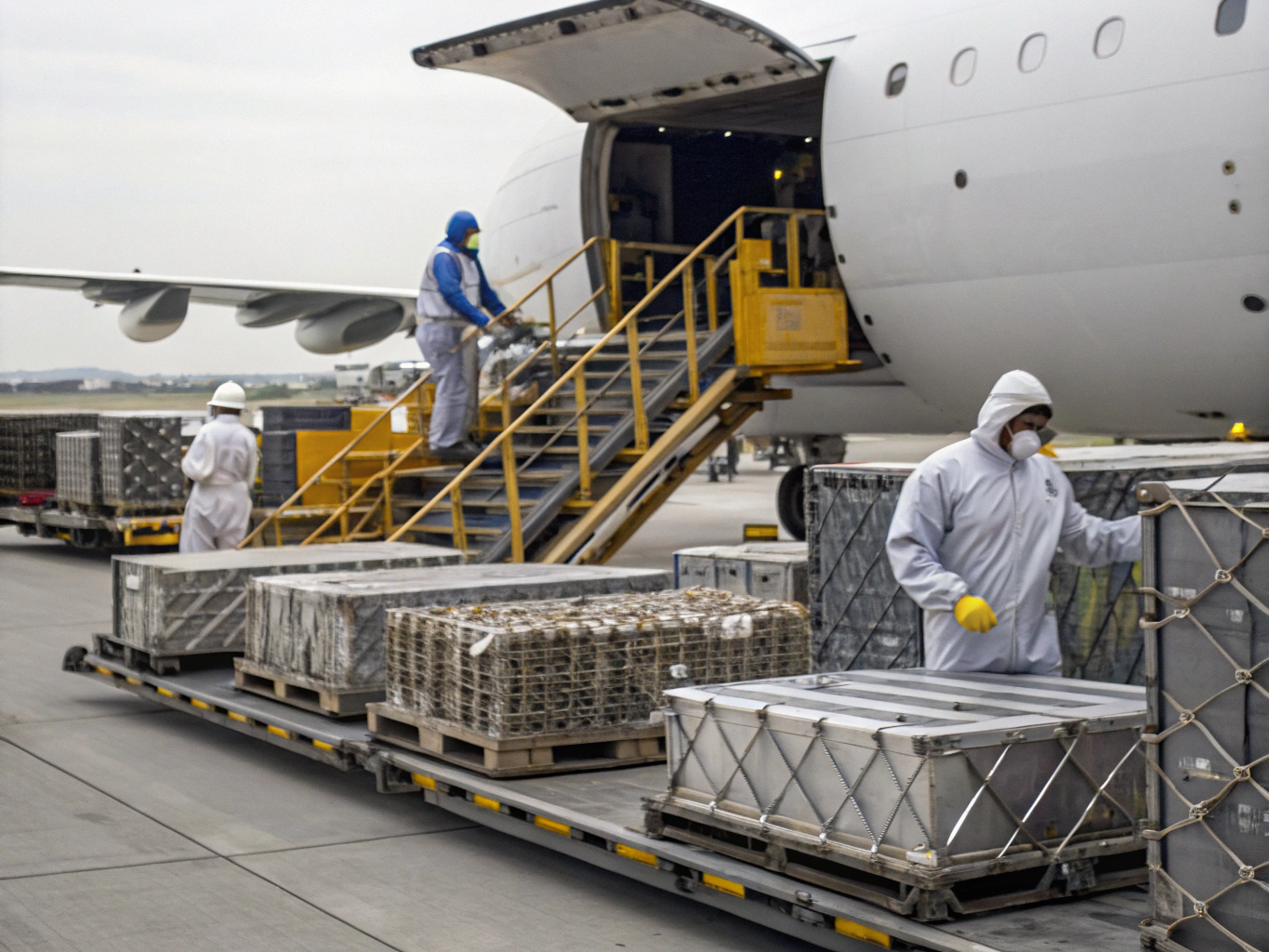
Air freight services between Vietnam and the U.S. operate through major hubs like Ho Chi Minh City (SGN) and Hanoi (HAN), connecting to U.S. airports in Los Angeles (LAX), Chicago (ORD), and New York (JFK). Direct routes offer the fastest service, while consolidated cargo may require an additional 1–3 days.
You can see typical lane patterns in the WorldACD cargo market reports 3.
Comparison of Freight Transit Times
| Freight Mode | Port-to-Port Time | Door-to-Door Time |
|---|---|---|
| Air Freight | 3–8 days | 8–12 days |
| Ocean Freight (FCL) | 24–29 days | 37–41 days |
| Ocean Freight (LCL) | 18–38 days | 28–33 days |
| Express Air Courier | — | 1–4 days |
Be aware that air freight time also depends on customs clearance speed, airline schedules, and space availability — all of which can shift with demand and seasonality.
Cargo schedule variations are documented in the Cargolux transit time guidelines 4.
What are the main cost components of air freight (weight/volume, surcharges, fuel)?
Air freight pricing is primarily based on chargeable weight, which is the greater of actual weight or volumetric weight.
A detailed explanation of chargeable weight can be found in the DHL volumetric weight guide 5.
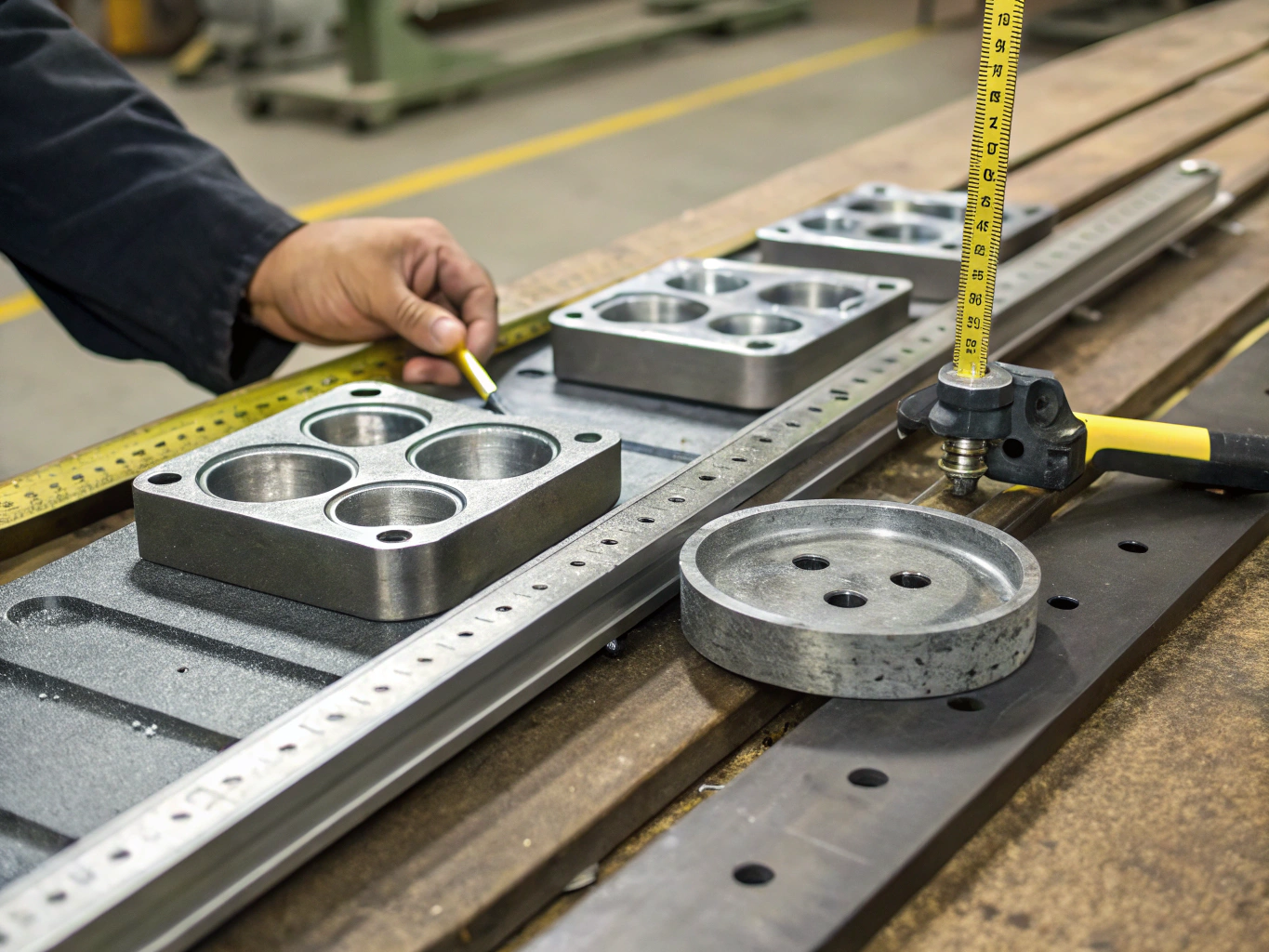
Volumetric weight is calculated using:
Volumetric Weight (kg) = (Length × Width × Height in cm) ÷ 6000
Example 2025 cost structures are similar to the rate ranges published in the Flexport air freight cost index 6.
Example Cost Breakdown (2025 Rates)
| Shipment Weight | Cost per kg | Estimated Transit Time |
|---|---|---|
| 100+ kg | $1.56 | 3–8 days |
| 300+ kg | $1.29 | 3–8 days |
| 500+ kg | $1.26 | 3–8 days |
| 1,000+ kg | $1.11 | 3–8 days |
How do part size, weight and packaging affect air freight cost and time?
Heavy or bulky parts increase air freight cost due to high chargeable weight; dense packaging and stackable cartons help reduce per-kg pricing and improve loading efficiency.
Packaging optimization techniques echo the recommendations in the UPS packaging guidelines 7.

Tips for Optimizing Packaging
| Strategy | Impact on Cost & Time |
|---|---|
| Use stackable, uniform cartons | Reduces volumetric waste and speeds up handling |
| Avoid oversized boxes | Minimizes unused volume that inflates chargeable weight |
| Match box size to part size | Prevents paying for empty air |
| Palletize only when necessary | Pallets add weight; use only if required by airline |
How should you build buffer days and contingency for air freight when importing from Vietnam?
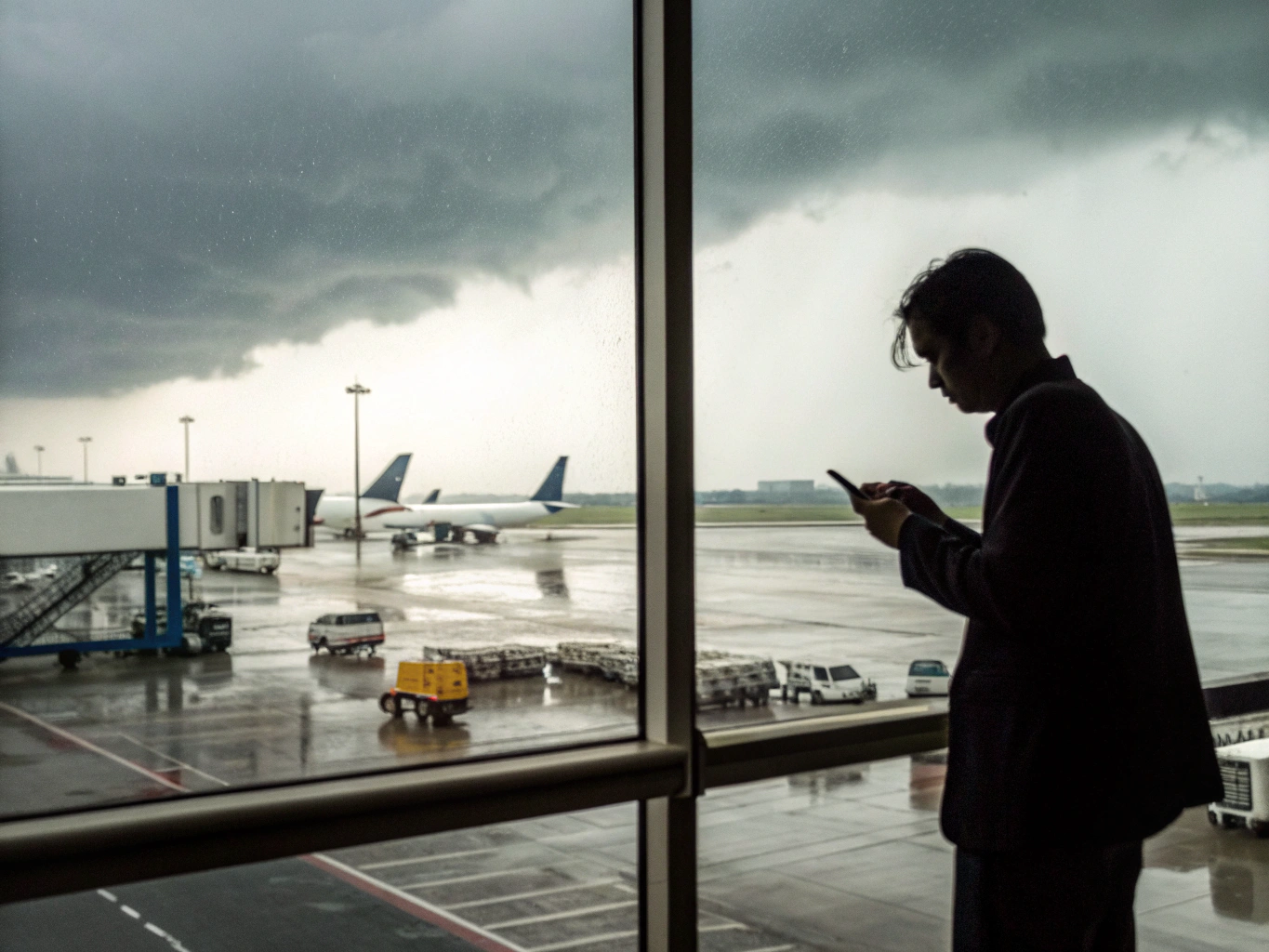
Build 2–4 buffer days into your logistics schedule to account for customs clearance, offloading delays, and inland delivery within the U.S.
Buffer strategy aligns with guidance from the International Trade Administration’s logistics planning resources 8.
Buffer Time Planning Table
| Activity | Recommended Buffer Time |
|---|---|
| Export customs clearance (VN) | 1–2 days |
| Flight transit (VN → US) | 3–8 days |
| Import customs (US) | 1–2 days |
| Inland delivery (US) | 1–3 days |
| Total Expected | 6–15 days |
What tracking and logistics management practices help you monitor actual vs planned transit times?
The best way to track air freight is using digital freight platforms and working with logistics partners who provide real-time tracking, milestone updates, and proactive exception alerts.
Tracking transparency is emphasized in the MarineTraffic real-time container tracking tools 9 and digital-freight workflow studies from TI Research 10.
Recommended Tracking Practices
| Practice | Benefit |
|---|---|
| Use digital platforms (e.g. Freightos, Flexport) | Real-time ETA & delay alerts |
| Request AWB (Air Waybill) scans at every milestone | Verifies movement |
| Pre-alert your customs broker | Shortens import clearance delay |
| Integrate forwarder updates with ERP | Improves supply chain coordination |
Conclusion
For urgent or high-value metal parts, air freight from Vietnam offers unmatched speed — but smart planning, packaging, and tracking are essential to make it worth the cost.
Footnotes
1. Freightos guide explaining typical international air freight timelines. ↩︎
2. IATA overview of global air cargo timing factors. ↩︎
3. WorldACD market reports showing air freight lane performance. ↩︎
4. Cargolux transit map showing global air cargo time ranges. ↩︎
5. DHL volumetric weight and chargeable weight explanation. ↩︎
6. Flexport freight cost index for air cargo price trends. ↩︎
7. UPS packaging best practices for minimizing air freight volume. ↩︎
8. ITA logistics guidance for international shipment planning. ↩︎
9. MarineTraffic live container tracking and ETA monitoring tools. ↩︎
10. TI Insight reports on digital freight visibility and tracking. ↩︎

 English
 Español de México
 Deutsch
 Français
 Русский
 العربية