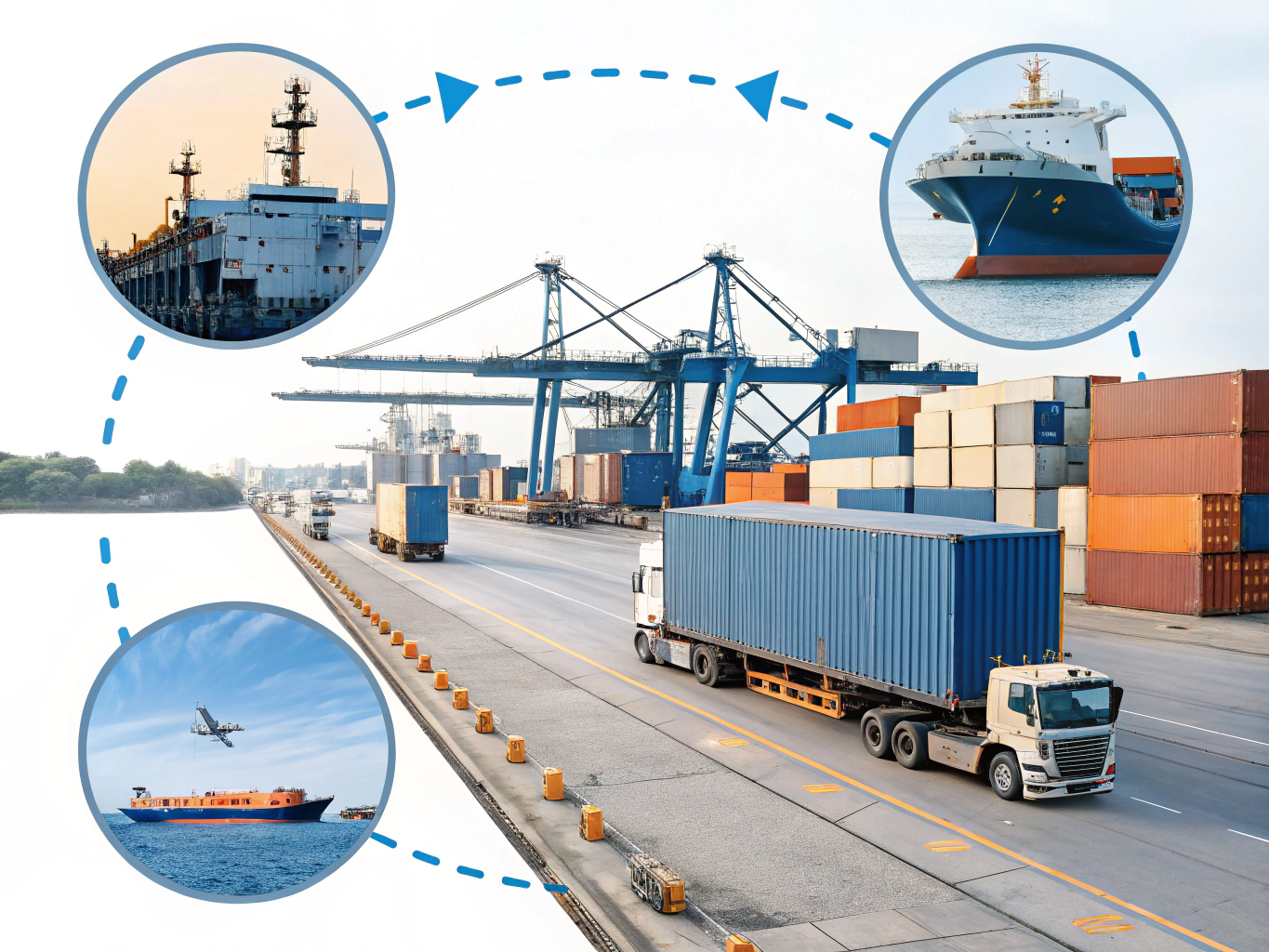
I’ve helped companies source custom metal parts from Vietnam for U.S. markets and one recurring decision is: “Should I use a freight forwarder based in Vietnam or one in the U.S.?”
In practice, using a Vietnam-based freight forwarder brings deep origin-market expertise for your Vietnam export logistics, while a U.S.-based forwarder brings strengths in import clearance and final delivery—so the best choice depends on your logistics capability, cost sensitivity and control requirements.
In the following sections I’ll explain the advantages of each (Vietnam-based and U.S.-based), how to assess their service quality for custom metal parts, and why a hybrid model combining both may offer the best path for beginner importers.1
What are advantages of a Vietnam-based freight forwarder for Vietnam export logistics?
Vietnam-based freight forwarders offer local port knowledge, container pickup coordination at your Vietnamese supplier’s factory, export documentation expertise, and quicker reaction to origin-side issues—which is particularly valuable for custom metal parts.
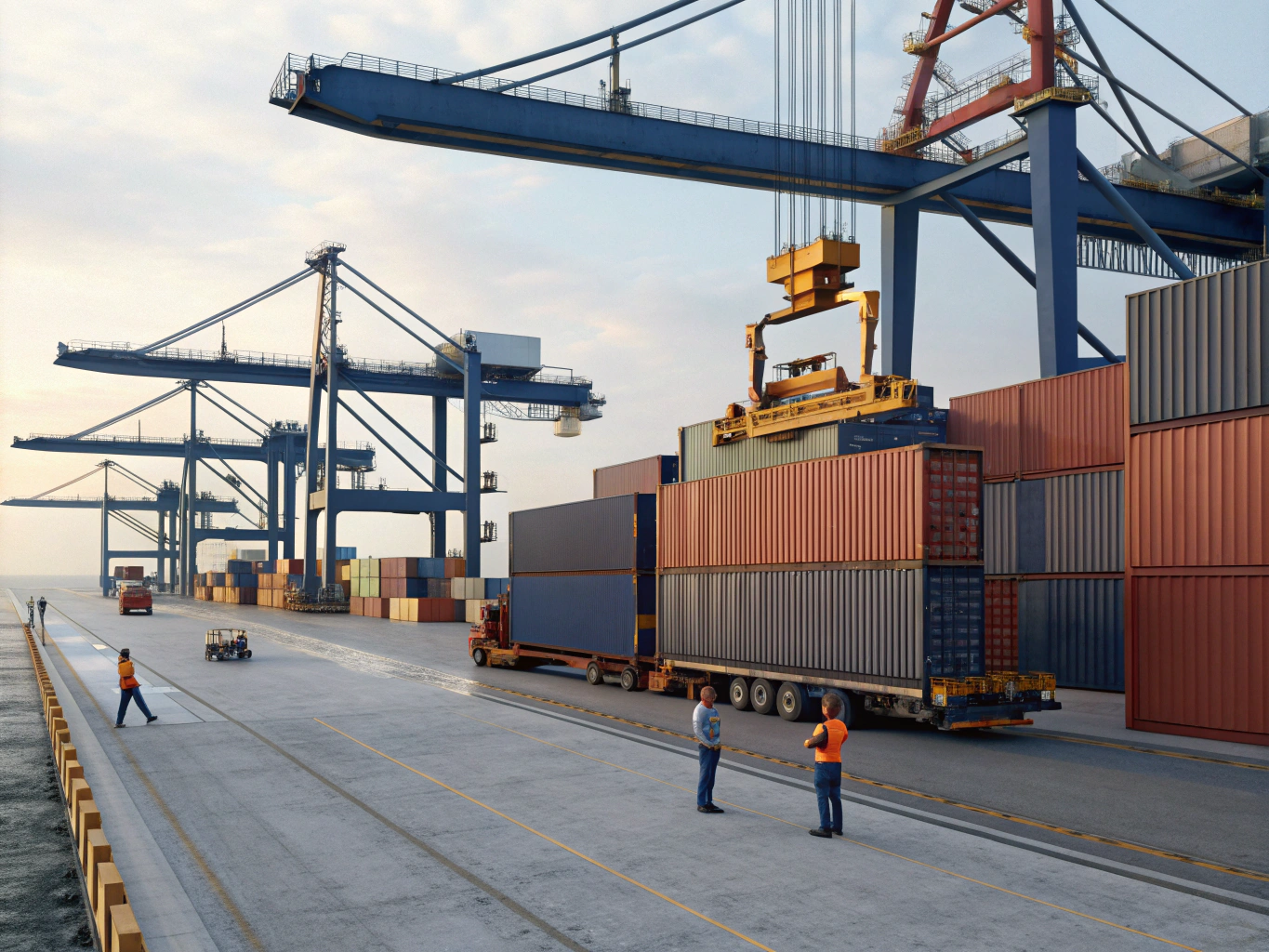
Vietnam-based forwarders know the terrain. They speak the language. They understand the quirks of local ports like Cat Lai and Cai Mep. They coordinate directly with your suppliers and handle inland trucking, documentation, and customs clearance efficiently. This is especially helpful when you’re dealing with metal parts that are often heavy, require special packaging, and need inspection during container loading.2
Here are more reasons why a Vietnam-based forwarder can be a strong partner:
Local knowledge and factory-to-port linkage
Because they operate in Vietnam, they understand the inland trucking from the supplier factory to the export port, know the factories’ booking requirements for container pickups, and have local relationships with port terminals and export customs agents. For custom metal parts, you may require a special container (flat rack or heavy duty), and a Vietnam forwarder can assess whether the local depots have that equipment available and coordinate loading supervision at the factory.3
Container loading supervision and origin coordination
The forwarder in Vietnam can attend the loading at the supplier’s factory: verify that the correct parts are being loaded, the container is clean and dry, the packing is proper, the container is sealed and shipped on the booked vessel. This is critical for custom metal parts, where packaging, securing and handling may significantly affect quality and risk.4
Cost efficiency at origin
Vietnam-based forwarders often have competitive local rates for local transport (factory to port), export handling, container pick-ups, and can negotiate direct relationships with carriers in Asia. For a business importing custom metal parts (often full-container loads), reducing origin costs helps your margin. Also, being local, they can react faster to changes or problems (e.g., supplier delays) and propose alternate ports or equipment.5
Quick issue resolution in Vietnam
If there is a factory delay, container shortage, port congestion or inspection requirement at export, a Vietnam forwarder physically present can often intervene faster. Communication is smoother (no major time-zone confusion), and they can escalate with local authorities, port agents or factory logistics staff.
Why this matters for custom metal parts
Because you’re importing high-value, precision parts, mistakes in loading, container condition, export documentation or export clearance will deliver big costs (damage, delays, rework). A forwarder in Vietnam is positioned to manage that risk at the origin rather than relying solely on remote coordination.6
✅ Table 1: Vietnam vs U.S. Forwarder – Capability Comparison
| Service Factor | Vietnam-Based Forwarder | U.S.-Based Forwarder |
|---|---|---|
| Container Loading Supervision | ✅ On-site at factory/port | ❌ Not available |
| Export Customs Handling | ✅ Handles full Vietnam documentation | ❌ Relies on local agent |
| Communication with Supplier | ✅ Local language, timezone aligned | ❌ Time delay, indirect |
| U.S. Import Clearance | ❌ Not familiar with CBP/ISF | ✅ Full U.S. compliance |
| Final Delivery in U.S. | ❌ Not provided | ✅ Included in service |
| Total Cost | ✅ Often 15–25 % cheaper | ❌ Higher due to U.S. overhead |
In summary: For the origin side of your supply chain (Vietnam factory → Vietnam port), a Vietnam-based freight forwarder gives you strength in local logistics, factory coordination and container handling—making them a very sensible choice for custom metal parts exports.7
What are advantages of a U.S.-based freight forwarder in managing import clearance until delivery?
U.S.-based freight forwarders provide strong support for customs clearance, ISF/AMS filings, domestic delivery, and post-arrival issue resolution.
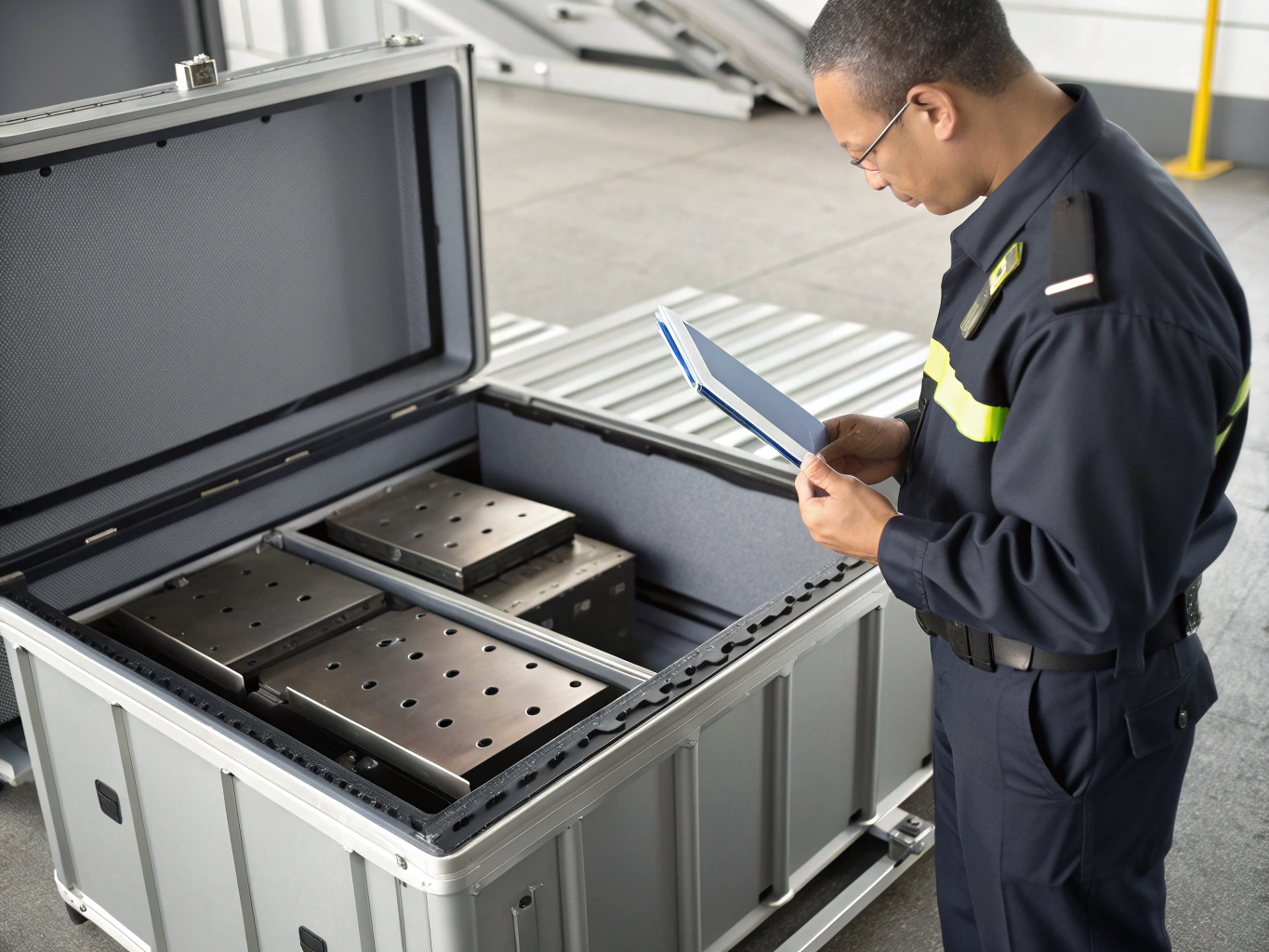
They know the rules. They’re familiar with U.S. Customs and Border Protection (CBP) procedures. They’ll classify your metal parts correctly, prepare the right documentation, and file your ISF before the cargo even sails. More importantly, they speak your language—literally and operationally—so you can expect clear communication and quick updates.8
For shipments where timing, compliance, and domestic delivery are critical, a U.S. freight forwarder becomes an indispensable part of your supply chain.
Deep import-side expertise
In the U.S., import procedures (customs classification, duties, ISF filing, inspections, inland trucking scheduling, delivery to your warehouse) are heavily regulated. A U.S. forwarder knows the environment—entry filing, port carrier charges, terminal handling fees, inland trucking scheduling, delivery to your warehouse. For custom metal parts, which may have special HS codes or require special handling upon arrival, this expertise reduces risk of delays and extra cost.9
Single point of contact and reliability
If you are based in the U.S., working with a U.S. forwarder means you deal in familiar business hours, legal jurisdiction, currency, and in your time zone. That can reduce anxiety for a beginner importer. When problems arise (e.g., delayed arrival, port congestion, documentation issue), you have direct access and can escalate quickly.
Final-mile control and integration
Custom metal parts often require careful unpacking, inspection, quality control at your facility, or transfer to manufacturing lines. A U.S. forwarder can coordinate drayage from port, schedule warehouse unloading, handle delivery to your facility, and integrate with your QC or inventory process. They often have local carrier networks and experience with heavy, special-cargo handling.10
Risk management and compliance
With U.S. operations, the forwarder is more likely to ensure your imports comply with U.S. standards, tariffs, duties, labeling, and origin documentation. For example, you avoid surprises at U.S. customs that could delay delivery and interrupt your downstream manufacturing or resale operations.
✅ Table 2: Workflow Split for Hybrid Forwarder Model
| Process Step | Vietnam Forwarder | U.S. Forwarder |
|---|---|---|
| Pickup from Supplier | ✅ Coordinates factory collection | ❌ |
| Container Loading Supervision | ✅ On-site inspection & photos | ❌ |
| Export Customs Documentation | ✅ Manages local clearance | ❌ |
| Freight Booking | ✅ Books with carrier | ❌ |
| ISF & CBP Filing | ❌ | ✅ Files with U.S. Customs |
| U.S. Import Clearance | ❌ | ✅ Handles all import declarations |
| Final Delivery | ❌ | ✅ Arranges truck to your warehouse |
In summary: For the import side (U.S. port arrival → your facility), a U.S.-based freight forwarder brings strong operational capability, consistent communication, and domestic execution—making them a valuable partner especially for custom metal parts where final delivery matters.
How to evaluate their service quality, experience with custom metal parts, and communication responsiveness?
When I was comparing freight forwarders, the brochures all looked the same. What mattered was how they responded under pressure—like when our shipment was flagged for inspection and needed same-day document resubmission.
You should assess forwarders based on four key dimensions: experience with Vietnam–U.S. trade (especially custom metal parts), quality of container/handling services, transparency of communication and service responsiveness, and their documentation/insurance capability.
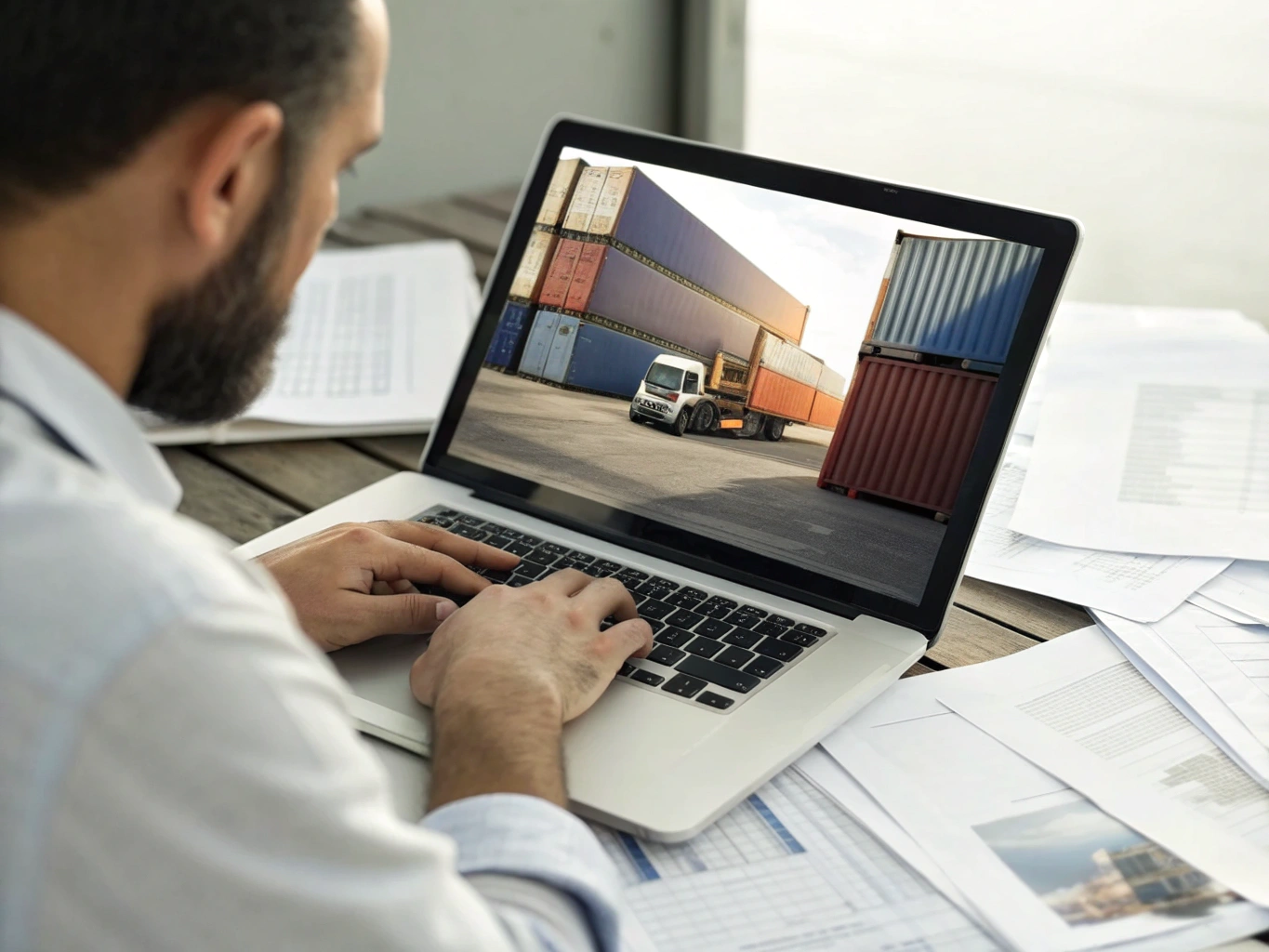
Check if they’ve handled metal parts before—this isn’t general apparel or consumer goods. You want someone who understands crating, surface protection, and container handling. Ask for client references. Test their responsiveness by asking questions via email or phone.
Also ask for their documentation checklist—do they confirm loading photos? Do they handle the certificate of origin, packing list, and commercial invoice verification? These small actions reduce costly delays.
Evaluation checklist
| Dimension | What to ask / verify |
|---|---|
| Experience | How many Vietnam→U.S. shipments? How many custom metal parts? |
| Operational capability | Factory pickup, container loading, port/terminal access, drayage, delivery |
| Communication & service | Responsiveness, reporting, tracking, escalation path |
| Cost transparency | Detailed cost breakdown, hidden charges, insurance terms |
| Contractual clarity | SLA, responsibility split, delay/penalty clauses |
Using this checklist you can compare two or more forwarders side-by-side and choose the one that best matches your needs—especially important when you import custom metal parts where time, quality and handling matter.
What hybrid model (local + overseas forwarder) might work best for beginner importers?
When importing custom metal parts from Vietnam, you don’t have to pick exclusively a Vietnam-based or U.S.-based forwarder. A hybrid model often offers the best of both worlds—leveraging origin strength and destination control.
For beginner importers, a hybrid model where a Vietnam-based forwarder handles origin logistics and a U.S.-based forwarder handles destination logistics gives optimal coverage, risk mitigation, cost control and service quality.

Here’s how to structure and implement a hybrid model:
What each party handles
| Forwarder | Responsibilities |
|---|---|
| Vietnam-based forwarder | Factory pickup coordination, container loading supervision, export documentation, container sealed, placed on vessel, local transport to port, origin communication. |
| U.S.-based forwarder | Sea freight monitoring, arrival notification, U.S. customs clearance, drayage port→your facility, final delivery, communication with you in your time zone. |
Why this model works
- Origin issues (factory delays, container equipment, loading supervision) are handled by someone on the ground in Vietnam with immediate access and local knowledge.
- Destination issues (customs clearance, inland transport, final delivery, U.S. port problems) are handled by someone in your home market with local understanding, communication and accountability.
- You avoid weak spots: If you only choose a U.S. forwarder who lacks Vietnam presence, origin logistics may suffer. If you only choose a Vietnam forwarder without U.S. domestic capability, destination logistics may become weak.
- You can negotiate cost effectively: Vietnam forwarder handles origin cost efficiently; U.S. forwarder handles destination cost and interface with your U.S. buyer or facility.
- For custom metal parts (heavy, full containers, specific packaging/loading needs), you benefit from specialized handling at origin and destination each by the party who knows their side.
Implementation steps for beginner importer
- Identify a reputable Vietnam-based agent, ask for their track-record, ensure they handle factory pickup and container loading for metal parts.
- Engage a U.S.-based forwarder, verify they handle imports from Vietnam, know your U.S. port, and manage customs/drayage/delivery.
- Define responsibilities & hand-over point clearly: Vietnam forwarder hands over docs (BL, packing list, CO) to U.S. forwarder before vessel departs; U.S. forwarder handles arrival and import side.
- Set a communication schedule: Vietnam forwarder provides loading photos, container number and seal, vessel name/ETD; U.S. forwarder provides ETA at U.S. port, customs hold notifications, drayage schedule.
- Negotiate cost structure: Get separate quotes for origin and destination so you compare value and avoid hidden mark-ups.
- Include service-level and risk clauses: Define what happens if vessel delayed, container held, customs hold, etc. Both forwarders must agree on escalation protocol.
- Monitor performance: After first shipment, review actual lead-time, quality of handling, communication, cost deviation. Use this to refine next shipment arrangement.
Once you’ve done a few shipments and built trust and reliability, you might shift to one forwarder offering full origin-to-destination service; until then the hybrid model gives you best coverage.
Conclusion
Choosing between a U.S.-based and Vietnam-based freight forwarder isn’t an either-or decision—it’s about where you need strength in your supply chain. For custom metal parts from Vietnam, a forwarder in Vietnam gives you critical origin expertise while a forwarder in the U.S. provides destination certainty. For a beginner importer, adopting a hybrid model combining both brings the best combination of control, cost efficiency and logistics coverage.
Footnotes
1. Overview of importer decision factors between Vietnam-based and U.S.-based freight forwarders. ↩
2. Explanation of how hybrid logistics models benefit new importers. ↩
3. Details on how Vietnam forwarders manage factory-to-port operations. ↩
4. Clarification of container loading supervision requirements for metal parts. ↩
5. Insight into how local Vietnamese rates improve total landed cost. ↩
6. Explanation of risk reduction through on-site origin oversight. ↩
7. Summary of capability differences between Vietnam and U.S. forwarders. ↩
8. Overview of U.S. import compliance responsibilities for forwarders. ↩
9. Explanation of CBP processes affecting custom metal parts imports. ↩
10. Insight into domestic delivery and final-mile handling for metal parts. ↩

 English
 Español de México
 Deutsch
 Français
 Русский
 العربية