Our Vietnam team has seen it happen too many times. A US buyer receives a shipment of blow molded parts. The parts look fine. But they fail Tier 1 inspection.
To verify Vietnamese plastic blow molding parts meet US Tier 1 standards, you need a four-step approach: confirm supplier certifications like IATF 16949, validate raw material specifications through testing, implement rigorous testing protocols for finished parts, and conduct regular manufacturing audits for process consistency.
The stakes are high. Non-compliant parts can trigger 25% tariffs under USMCA rules. They can damage your reputation with OEMs like Ford or GM. Let me walk you through exactly how we verify quality at every stage.
What certifications should I look for in a Vietnamese blow molding supplier?
When we evaluate new suppliers in Vietnam, certifications tell us half the story. The other half comes from seeing those certifications in action on the factory floor.
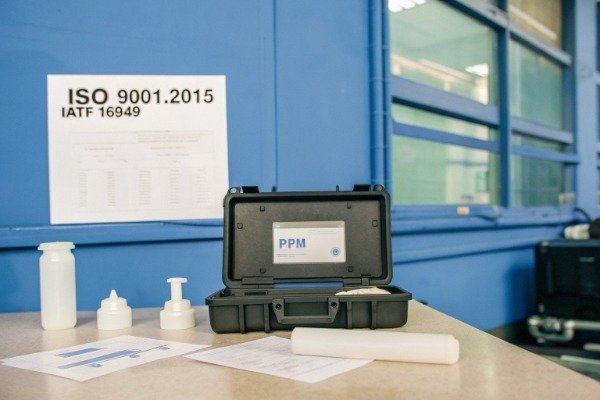
Look for ISO 9001:2015 as a baseline quality management certification. For automotive parts, IATF 16949 is essential. Suppliers should also provide PPM data showing their actual defect rates and evidence of active quality control processes beyond just holding certificates.
The Certification Hierarchy
Not all certifications carry equal weight. ISO 9001:2015 is the foundation. ISO 9001:2015 is the foundation 1 It proves a supplier has basic quality management systems. But for US Tier 1 automotive work, you need more.
IATF 16949 IATF 16949 is essential 2 is the gold standard. This certification focuses on defect prevention. It requires process controls, trained personnel, and ongoing audits. Getting this certification costs $100,000 or more. Smaller Vietnamese firms often struggle with this investment.
Our engineers always ask for proof beyond the certificate. We want to see internal audit reports. We want PPM data from the past 12 months. A good supplier tracks defects per million parts. They should show you trends over time.
Key Certifications to Verify
| Certification | Purpose | Required For |
|---|---|---|
| ISO 9001:2015 | Basic quality management | All parts |
| IATF 16949 | Automotive quality systems | Tier 1 automotive |
| ISO 13485 | Medical device quality | Medical components |
| ISO 14001 | Environmental management | Sustainability-focused buyers |
| UL Certification | Safety compliance | Electrical housings |
Red Flags in Certification Claims
We have learned to spot warning signs. Some suppliers show expired certificates. Others have certificates from non-accredited bodies. Always verify through the issuing organization.
Ask for PPAP documentation. The Production Part Approval Process proves consistent quality from mold design to final output. A supplier who cannot provide PPAP records is not ready for Tier 1 work.
Check if they conduct internal audits. Real ISO compliance means regular self-assessment. Ask for audit schedules and corrective action reports. These documents show whether the certification is real or just paper on the wall.
How do I verify that raw materials meet US Tier 1 quality specifications?
Our quality team in Vietnam inspects incoming materials before production starts. We have caught contaminated resins that would have caused part failures downstream.
Verify raw materials through spectrometry testing for purity, material certifications from resin suppliers, and incoming inspection protocols. Check for recycled content percentages, absence of banned substances, and compliance with FDA or automotive OEM specifications for your specific application.

Common Materials in Blow Molding
Blow molded parts typically use HDPE, PET, or PP. Each material has different properties. Each requires different verification methods.
HDPE offers excellent chemical resistance. It works well for fuel tanks and fluid reservoirs. PET provides clarity and strength. PP gives good impact resistance at lower cost.
For automotive applications, material selection affects vehicle weight. Plastic parts can reduce vehicle mass by 10-20%. This improves fuel efficiency. But the material must meet strict durability requirements.
Material Specification Checklist
| Property | Test Method | Typical Requirement |
|---|---|---|
| Melt Flow Index | ASTM D1238 | Per resin grade spec |
| Density | ASTM D792 | ±0.002 g/cm³ |
| Tensile Strength | ASTM D638 | Min 20-30 MPa |
| Impact Resistance | ASTM D256 | Per application |
| Moisture Content | Karl Fischer | <0.1% |
Verifying Material Certificates
Every resin shipment should come with a Certificate of Analysis. This document shows test results from the resin manufacturer. Compare these results against your specifications.
We always verify the certificate matches the actual lot number. Some suppliers mix batches. This creates inconsistency in final parts.
For recycled content, ask for chain of custody documentation. US Tier 1 buyers increasingly want 25-30% post-consumer recycled material. But recycled content must not compromise part performance.
Banned Substances and Compliance
US regulations restrict certain chemicals. Check for compliance with EPA and CARB emissions rules. EPA and CARB emissions rules 4 Parts near engines must not release harmful substances when heated.
For food-contact applications, FDA compliance is mandatory. compliance with FDA 5 The material must not leach chemicals into food or beverages. Request migration testing results for these applications.
Our team maintains a restricted substances list. We share this with every supplier. They must confirm compliance before we approve any material.
What specific testing protocols should I implement for finished plastic parts?
When we set up quality control for a new project, testing protocols come first. We define every test before production begins. This prevents arguments later about what "acceptable quality" means.
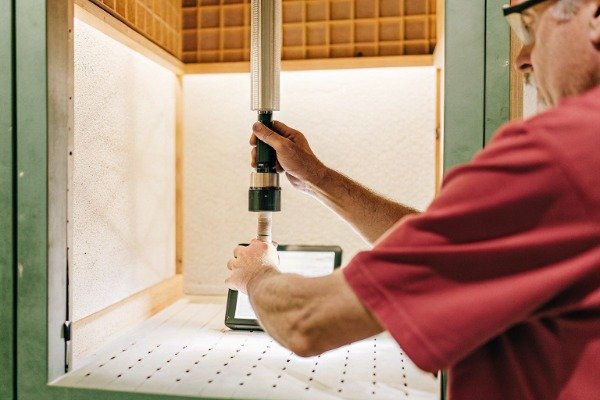
Implement dimensional inspection using CMM equipment, pressure decay testing for leak detection, impact testing per ASTM D256, thermal cycling for heat resistance, and chemical exposure testing. Document all test methods, frequencies, and acceptance criteria in a formal quality plan.
Dimensional Accuracy Requirements
US Tier 1 standards demand tight tolerances. Most automotive parts require ±0.1mm or better. This level of precision needs proper measurement equipment.
Coordinate Measuring Machines provide accurate dimensional data. 3D scanning offers faster inspection for complex shapes. Both methods should reference the original CAD model.
Surface finish matters too. Optical profilometry measures surface roughness. Most Tier 1 parts need Ra values below 1.6μm. Rough surfaces can cause assembly problems or aesthetic rejection.
Essential Testing Methods
| Test Type | Purpose | Standard |
|---|---|---|
| Pressure Decay | Leak detection | Per OEM spec |
| Drop Test | Impact resistance | ASTM D2463 |
| Thermal Cycling | Heat resistance | -40°C to +150°C |
| Chemical Exposure | Fluid resistance | Per application |
| Tensile Testing | Material strength | ASTM D638 ASTM D638 6 |
| Wall Thickness | Uniformity check | Ultrasonic |
In-Process vs. Final Inspection
Smart manufacturers test during production. They do not wait until the end. In-process checks catch problems early. This reduces scrap and rework.
Wall thickness variation is a common blow molding defect. Ultrasonic gauges can measure thickness without destroying parts. Set up statistical process control to track trends.
Final inspection should follow a formal sampling plan. AQL levels depend on part criticality. Safety-critical parts may need 100% inspection. Cosmetic parts might use sampling.
Documentation Requirements
Every test needs documentation. Record the test method, equipment used, and results. Keep calibration records for all measurement equipment.
Tier 1 buyers often audit test records. They want to see traceability from raw material to finished part. A good quality system links every part to its production batch and test results.
We recommend digital quality management systems. Paper records get lost. Digital systems enable quick searches and trend analysis. They also make audits easier.
How can I audit my Vietnamese partner's manufacturing process for consistency?
Our team conducts supplier audits throughout the year. We have found that announced audits show capability. Unannounced audits show reality.
Audit manufacturing consistency through process capability studies, equipment maintenance records, operator training documentation, and statistical process control data. Conduct both scheduled and surprise audits. Focus on the gap between documented procedures and actual shop floor practices.

Planning Your Audit Strategy
Effective audits require preparation. Review previous quality data before visiting. Identify problem areas to investigate. Prepare specific questions for each department.
We recommend a mix of audit types. Initial audits assess basic capability. Periodic audits verify ongoing compliance. Process audits focus on specific operations. Product audits examine finished goods.
Remote audits became common during COVID. Video calls can supplement on-site visits. But they cannot replace physical inspection of equipment and processes.
Key Areas to Audit
| Audit Area | What to Check | Red Flags |
|---|---|---|
| Equipment | Maintenance logs, calibration | Overdue maintenance |
| Personnel | Training records, certifications | Untrained operators |
| Process Control | SPC charts, control limits | Out-of-control processes |
| Documentation | Work instructions, revision control | Outdated documents |
| Material Handling | Storage conditions, FIFO | Mixed lots, poor storage |
| Corrective Action | CAPA records, effectiveness | Repeat issues |
Process Capability Assessment
Process capability tells you if a process can consistently meet specifications. Cpk values above 1.33 indicate good capability. Values below 1.0 signal problems.
Ask for SPC data during audits. Review control charts for key dimensions. Look for patterns that suggest process drift. Stable processes show random variation around the target.
Machine capability differs from process capability. A capable machine with poor setup will produce bad parts. Check both equipment condition and operator practices.
Building Long-Term Partnerships
Audits should improve suppliers, not just judge them. Share findings openly. Help suppliers develop corrective actions. Follow up to verify improvements.
We invest in supplier development. Training programs build capability. Technical support solves problems. This approach creates reliable partners rather than adversarial relationships.
Consider having local presence in Vietnam. Our team there provides ongoing support. They catch issues before shipments leave. This reduces problems at your receiving dock.
Cost-Benefit of Thorough Verification
Initial investment in verification pays off. A $50,000 quality program can enable 20-30% export growth. The alternative is rejected shipments and lost customers.
Vietnam offers 30% lower labor costs than China. But cost savings disappear if quality fails. Proper verification protects your investment in Vietnamese sourcing.
Conclusion
Verifying Vietnamese blow molding parts requires systematic effort across certifications, materials, testing, and audits. The investment protects your supply chain and builds competitive advantage in the US market.
Footnotes
1. ISO’s official page for the ISO 9001:2015 standard. ↩︎
2. IATF is the official organization overseeing the 16949 standard. ↩︎
3. Current version of ASTM D256 is D256-10(2018) ↩︎
4. EPA sets standards for emissions. ↩︎
5. FDA is the US regulatory body for food-contact applications. ↩︎
6. ASTM D638 is the standard test method for tensile properties of plastics. ↩︎

 English
 Español de México
 Deutsch
 Français
 Русский
 العربية