
Our Vietnam team has audited dozens of blow molding factories. Many claim IATF 16949 certification. But not all certificates are real or current.
To screen IATF 16949 plastic blow molding suppliers in Vietnam for Automotive Tier 1, verify certification authenticity through the IATF database, audit equipment and process controls on-site, evaluate PPAP capability with documented evidence, and watch for red flags like unmeasured regrind or missing traceability systems.
This guide walks you through each step. We share practical methods our team uses when qualifying suppliers for U.S. Tier 1 customers. You will learn what to check, what to ask, and what to avoid.
How do I verify the authenticity of IATF 16949 certifications for Vietnamese manufacturers?
When we first started sourcing blow molding parts from Vietnam, we encountered suppliers with impressive-looking certificates all 18 PPAP elements 1. Some turned out to be expired. Others were completely fake.
Verify IATF 16949 certification authenticity by checking the IATF Oversight database at iatfglobaloversight.org. Cross-reference the certificate number, scope, and expiration date. Contact the certification body directly if any details seem inconsistent or unclear.

Why Fake Certificates Exist
Vietnam's automotive supply chain is growing fast. Some suppliers feel pressure to show certifications they do not have ethics, anti-bribery 2. They may purchase fake certificates online. Or they may show expired documents hoping buyers will not check.
This creates real risk for Tier 1 buyers. A supplier without proper IATF 16949 systems cannot meet automotive quality standards. meet automotive quality standards 3 You may face quality escapes, delivery failures, or OEM penalties.
Step-by-Step Verification Process
Here is how our team verifies every certificate:
- Request a copy of the certificate from the supplier
- Note the certificate number, certification body, and expiration date
- Visit the IATF Global Oversight website
- Search for the supplier by name or certificate number
- Confirm the scope includes blow molding operations
- Check that the certificate is current and not suspended
Key Information to Cross-Reference
| Certificate Element | What to Check | Red Flag |
|---|---|---|
| Certificate Number | Matches IATF database exactly | Number not found in database |
| Certification Body | IATF-recognized registrar (SGS, TUV, BSI, etc.) | Unknown or unrecognized body |
| Scope Statement | Includes plastic blow molding | Scope limited to other processes |
| Expiration Date | Current and valid | Expired or expiring within 30 days |
| Site Address | Matches factory you plan to audit | Different location listed |
Contact the Certification Body Directly
If anything seems off, call or email the certification body. Ask them to confirm the certificate is valid. Legitimate registrars respond within a few business days.
Our team once discovered a supplier using a certificate from a factory they had acquired. The certificate was real, but it belonged to a different legal entity. The new ownership had not transferred the certification. This would have caused major problems during OEM audits.
Check for Surveillance Audit Records
IATF 16949 requires annual surveillance audits. annual surveillance audits 4 Ask the supplier for their most recent audit report. A certified supplier should have documentation from the past 12 months. If they cannot provide this, their certification may be at risk.
What specific blow molding equipment and process controls should I look for during a factory audit?
During factory visits in Vietnam, our engineers focus on equipment capability first. The machines tell you a lot about what a supplier can actually produce.
Look for blow molding machines with multi-point parison programming, automated wall thickness control, and real-time pressure monitoring. Process controls should include dehumidifying dryers with dew point monitors, inline leak testing systems, and documented regrind tracking with batch-level traceability.

Critical Equipment Features
Not all blow molding machines are equal. For automotive parts, you need machines with precise control systems. Here is what we look for:
Parison Programming: This controls wall thickness distribution. Complex automotive parts like fluid reservoirs need multi-point programming. Simple machines cannot achieve consistent wall thickness in curved sections.
Clamping Force: Adequate clamping prevents flash and ensures proper sealing. Undersized machines produce inconsistent parts.
Cooling Systems: Uniform cooling prevents warpage. Look for temperature-controlled mold cooling circuits with monitoring displays.
Process Control Requirements
| Control Area | Minimum Requirement | Best Practice |
|---|---|---|
| Resin Drying | Dehumidifying dryer | Dew point monitoring with alarms |
| Regrind Management | Percentage tracking per batch | Automated dosing with data logging |
| Leak Testing | 100% inline testing | Pressure decay with automatic rejection |
| Dimensional Inspection | Sample inspection per shift | CMM measurement with SPC charting |
| Traceability | Batch-level batch-level traceability 5 records | Part-level serialization |
Resin Handling and Drying
Engineering plastics used in automotive blow molding are moisture-sensitive. Nylon, for example, absorbs water from the air. Wet resin causes bubbles, weak spots, and surface defects.
A proper drying system uses dehumidifying technology, not simple hot air. The dryer should display dew point readings. Our team checks that operators log these readings every shift.
Regrind Control
Regrind is recycled material from scrap parts and flash. Some regrind is acceptable. But too much degrades material properties. material properties 6
Ask how the supplier tracks regrind percentage. They should use scales and logs for every batch. Unmeasured regrind is a serious red flag. It means they cannot guarantee material consistency.
Leak Testing Methods
Automotive blow molded parts often hold fluids or air. Every part must be leak-tested. The two common methods are:
- Pressure decay: Part is pressurized and monitored for pressure drop
- Vacuum decay: Part is evacuated and monitored for pressure rise
Both methods work. The key is 100% testing with automatic rejection of failed parts. Manual testing with human judgment is not acceptable for Tier 1 supply.
How can I ensure the supplier is capable of meeting strict Tier 1 PPAP requirements?
We have seen suppliers pass initial audits but fail during PPAP submission. The gap is usually in documentation and process discipline.
Ensure PPAP capability by reviewing the supplier's experience with all 18 PPAP elements. Request sample submissions from previous automotive projects. Verify they have functional APQP, FMEA, MSA, and SPC systems with at least three months of documented performance data.
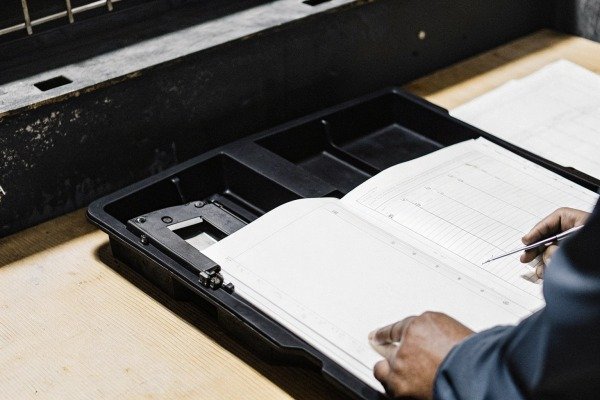
Understanding the 18 PPAP Elements
PPAP is not just paperwork. It proves the supplier can consistently produce parts that meet specifications. Tier 1 customers require complete PPAP packages before approving production.
| PPAP Element | Description | Common Gap |
|---|---|---|
| Design Records | Drawings with all specifications | Missing customer-specific notes |
| Engineering Change Documents | Revision history | Incomplete change tracking |
| Customer Engineering Approval | Formal approval documentation | Not obtained before production |
| Design FMEA | Risk analysis for design | Not applicable if customer owns design |
| Process Flow Diagram | Step-by-step production sequence | Missing inspection points |
| Process FMEA | Risk analysis for manufacturing | Incomplete or outdated |
| Control Plan | Inspection and control methods | Does not match actual practice |
| MSA Studies | Measurement system validation | Gage R&R not performed |
| Dimensional Results | Measurement data for sample parts | Incomplete balloon drawings |
| Material Test Results | Resin certification and testing | Missing lot traceability |
| Initial Process Studies | Cpk calculations | Cpk below 1.33 |
| Qualified Laboratory Documentation | Lab accreditation | Using unaccredited labs |
| Appearance Approval Report | Surface finish approval | Not applicable for all parts |
| Sample Production Parts | Physical samples | Samples not from production tooling |
| Master Sample | Retained reference part | Not properly stored |
| Checking checking the IATF Oversight 7 Aids | Gages and fixtures | Not calibrated |
| Customer-Specific Requirements | OEM-specific forms | Wrong format or missing sections |
| Part Submission Warrant | Summary approval form | Incomplete signatures |
Evaluating the Five Core Tools
IATF 16949 requires suppliers to use five core automotive quality tools. Our team evaluates each one during audits:
APQP (Advanced Product Quality Planning): Ask to see project timelines and phase gate reviews from previous launches. A capable supplier has documented APQP procedures.
PPAP (Production Part Approval Process): Request sample PPAP packages from other automotive customers. Review completeness and organization.
FMEA (Failure Mode and Effects Analysis): Review both Design FMEA and Process FMEA documents. Check that they are living documents with recent updates.
MSA (Measurement System Analysis): Ask for Gage R&R studies on critical measurement equipment. Results should show less than 10% variation for critical dimensions.
SPC (Statistical Process Control): Review control charts for key process parameters. Look for evidence of reaction to out-of-control conditions.
Customer-Specific Requirements
Major OEMs have additional requirements beyond standard PPAP. General Motors, Ford, and Stellantis each publish their own supplements.
Ask the supplier which OEM requirements they have experience with. If your Tier 1 customer supplies GM, the Vietnamese supplier must understand GM-specific forms and approval processes.
Our team maintains a library of customer-specific requirements. We help suppliers understand what each OEM expects before PPAP submission.
Minimum Performance Data
IATF 16949 requires at least three months of performance data before initial certification. The same principle applies to PPAP readiness.
Ask for:
- Cpk data showing process capability above 1.33
- PPM defect rates below 500
- On-time delivery performance above 95%
- Internal audit records with closed corrective actions
What are the common red flags I might encounter when sourcing automotive parts in Vietnam?
Our Vietnam office has developed a checklist of warning signs. These red flags help us quickly identify suppliers who are not ready for Tier 1 business.
Common red flags include unmeasured regrind usage, simple hot air dryers instead of dehumidifying systems, manual leak testing, missing traceability records, reluctance to share audit reports, and quality staff who cannot explain their own control plans.

Equipment and Process Red Flags
Some problems are visible on the factory floor. Here is what we watch for:
Hot Air Dryers: Simple hot air dryers cannot properly dry engineering plastics. If you see these instead of dehumidifying dryers, the supplier is not ready for automotive work.
No Regrind Tracking: Ask how they measure regrind percentage. If they say "we estimate" or "our operators know," that is a red flag. Proper tracking requires scales and batch logs.
Manual Leak Testing: Operators testing parts by feel or sound cannot achieve 100% detection. Automated systems with data logging are required.
Dirty Molds: Mold maintenance directly affects part quality. Dirty or damaged molds indicate poor TPM practices.
Documentation Red Flags
| Warning Sign | What It Indicates | Risk Level |
|---|---|---|
| Cannot produce control plans | No systematic quality approach | High |
| FMEA documents are blank templates | Tools not actually used | High |
| No calibration stickers on gages | Measurement data unreliable | High |
| Training records missing | Operators not qualified | Medium |
| No corrective action system | Problems repeat | High |
| Audit reports unavailable | Hiding issues | High |
Communication Red Flags
Pay attention to how the supplier responds to questions:
Vague Answers: When asked about specific processes, capable suppliers give detailed answers. Vague responses suggest they do not understand their own systems.
Reluctance to Share Data: Qualified suppliers are proud of their metrics. If a supplier refuses to share PPM data or audit reports, they may be hiding problems.
Language Barriers: IATF 16949 documentation is extensive. If the quality team cannot communicate in English, managing Tier 1 requirements becomes very difficult.
Organizational Red Flags
High Turnover: Ask how long key quality staff have been with the company. High turnover means institutional knowledge is lost. New staff may not understand established procedures.
No Dedicated Quality Manager: Some small suppliers assign quality responsibilities to production managers. This creates conflicts of interest. Quality decisions should be independent.
Missing Corporate Policies: IATF 16949 requires documented policies on ethics, anti-bribery, and employee conduct. If these do not exist, the supplier may not understand certification requirements.
Financial Red Flags
Unusually Low Prices: If a quote is significantly below market, ask why. The supplier may be cutting corners on materials, testing, or staffing.
No Investment in Equipment: Automotive quality requires ongoing investment. Suppliers using outdated equipment cannot meet modern requirements.
Cash Flow Problems: Suppliers with financial difficulties may prioritize other customers or cut quality costs. Ask for references and check payment history with their own suppliers.
Conclusion
Screening Vietnamese blow molding suppliers requires systematic verification. Check certifications, audit equipment, evaluate PPAP capability, and watch for red flags. Our team is ready to help you find qualified partners.
Footnotes
1. Links to Wikipedia page explaining PPAP elements. ↩︎
2. Links to ISO 37001, the anti-bribery management systems standard. ↩︎
3. Links to ISO standards page, since IATF 16949 is based on ISO 9001. ↩︎
4. Links to ISO page about certification, including surveillance audits. ↩︎
5. Links to Wikipedia page explaining traceability in manufacturing. ↩︎
6. Links to Wikipedia page explaining material properties. ↩︎
7. The IAOB oversees IATF 16949. This link provides information on IATF 16949 oversight. ↩︎

 English
 Español de México
 Deutsch
 Français
 Русский
 العربية