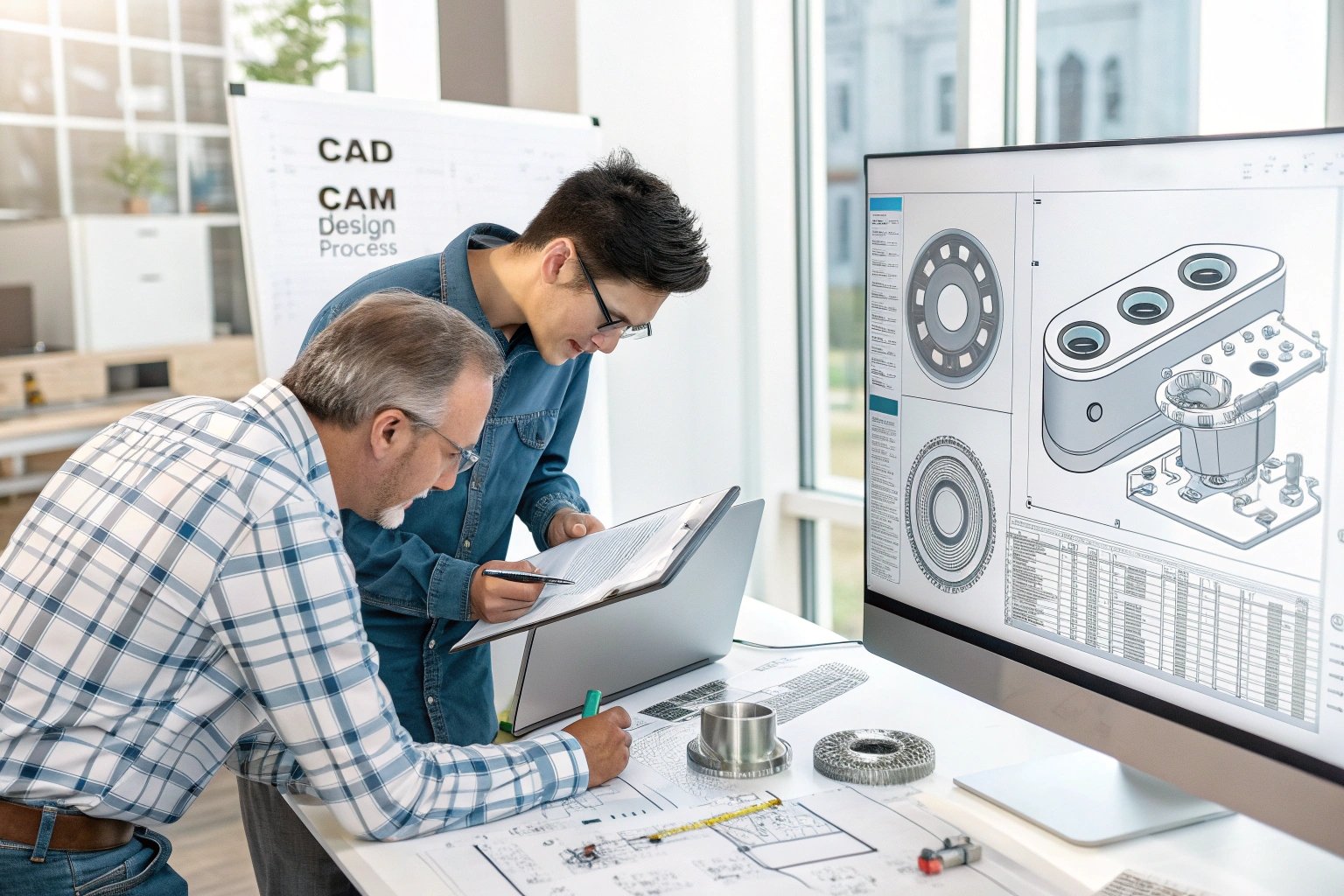
When sourcing custom parts, evaluating a supplier’s engineering capabilities is crucial to ensuring that they can meet your design specifications and deliver quality products. As a buyer, it’s essential to verify that your supplier has the right expertise to bring your project to life. But how exactly do you evaluate their engineering skills?
Evaluating a supplier’s engineering capabilities involves assessing their technical expertise1, design flexibility, problem-solving abilities, and past performance. A strong engineering team can ensure your parts meet precise specifications, function as required, and are produced efficiently.
To make sure you’re choosing the right supplier, let’s dive into the key indicators of strong engineering capabilities and how to assess them before moving forward with your custom part orders.
What Are the Key Indicators of Strong Engineering Capabilities in Suppliers?
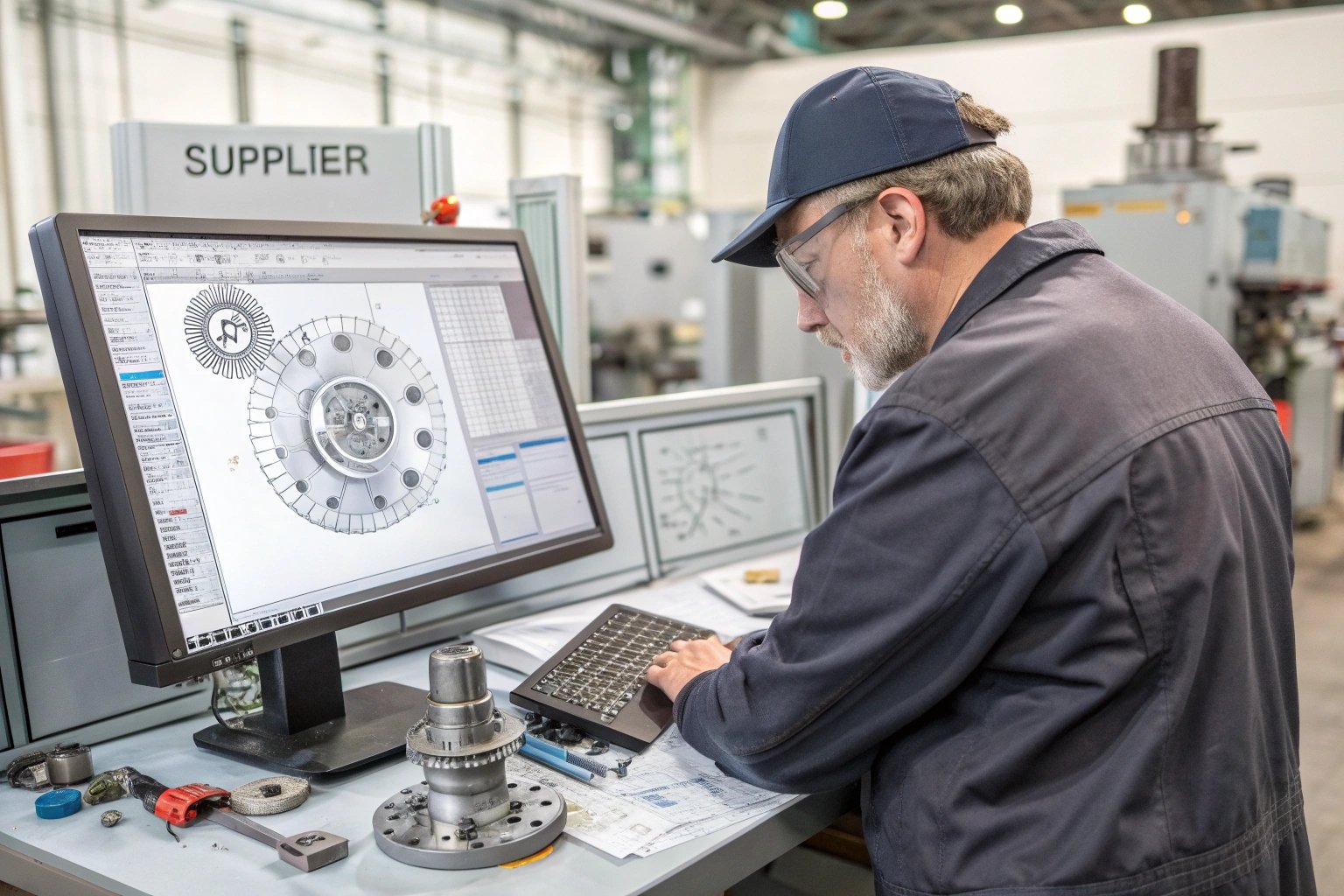
Key indicators of strong engineering capabilities include the supplier’s technical knowledge, experience with complex designs, ability to innovate, and their track record of delivering high-quality products. A supplier who can handle complex engineering challenges is essential when dealing with customized parts.
When evaluating suppliers, you want to look for certain signs that demonstrate their engineering prowess. These indicators show whether a supplier can handle your technical requirements, solve any design issues, and help optimize your production process.
1. Technical Expertise and Certifications
One of the first things to assess is the supplier’s technical knowledge. Do they have engineers with the expertise in the materials, processes, and technology you require? For example, if you’re sourcing customized metal parts, you need suppliers who understand metallurgy, heat treatment processes, and machining techniques.
Also, check whether the supplier holds any relevant engineering certifications or quality management certifications (e.g., ISO 9001, ASME certifications). These certifications can indicate that the supplier adheres to high standards in their engineering processes.
2. Design and Prototyping Capabilities
A supplier with strong engineering capabilities2 should have the ability to handle complex custom designs. Check whether they offer design and prototyping services as part of their package. A supplier who can take your drawings and turn them into working prototypes is likely to have a strong engineering team in place. Prototyping services allow you to verify the feasibility of your design before full-scale production.
3. Past Performance and Case Studies
Look at the supplier’s past performance on similar projects. Have they successfully worked with clients who needed custom parts similar to yours? Ask for case studies or customer references that demonstrate their ability to meet project specifications. A track record of successful engineering projects can provide reassurance that the supplier can handle your needs.
4. Ability to Innovate and Solve Problems
Engineering isn’t just about following instructions—it’s also about solving problems. Does the supplier have a reputation for innovation? Can they suggest improvements to your designs, or propose alternative materials or manufacturing methods that can improve performance, reduce costs, or shorten lead times?
| Indicator | What to Look For | Why It’s Important |
|---|---|---|
| Technical Expertise | Engineering certifications, training | Shows proficiency in key areas |
| Design & Prototyping | CAD, 3D modeling, prototype creation | Ensures designs can be realized practically |
| Past Performance | Successful project history, case studies | Builds confidence in their capabilities |
| Problem-Solving Ability | Creative solutions to design or production issues | Helps improve product quality and efficiency |
How Can You Assess a Supplier’s Technical Expertise for Custom Parts?
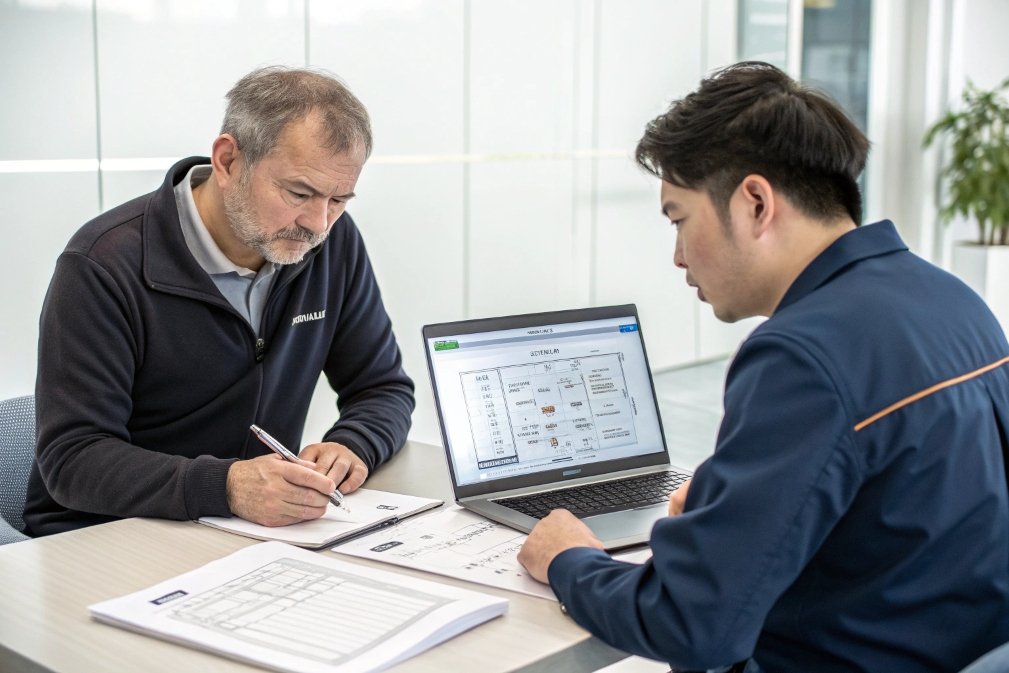
Assessing a supplier’s technical expertise involves reviewing their design process, the skills of their engineering team, and their ability to meet complex specifications for custom parts. Evaluating their technical capabilities ensures they can deliver parts that meet your exact needs.
To assess a supplier’s technical expertise for custom parts, consider the following strategies:
1. Evaluate Their Engineering Team
Start by learning about the qualifications of the engineers and technical staff at the supplier. What kind of educational background and experience do they have? Do they specialize in the materials or processes relevant to your project? Suppliers with engineers who have specialized knowledge in areas such as CNC machining, material science, or additive manufacturing can offer higher-quality custom parts.
2. Review Their Design Process
A detailed review of the supplier’s design process can help you understand their technical capabilities. Do they use advanced design software (such as CAD or CAM)? How do they handle design iterations, and what steps do they take to ensure accuracy before production begins? A thorough design process shows a commitment to precision and quality.
3. Ask for Engineering Support
Does the supplier provide engineering support throughout the production process? For complex custom parts, you’ll need a supplier who can guide you through any technical issues or modifications. A supplier with strong engineering capabilities should offer technical consultation to help you optimize your designs or address challenges during the development phase.
4. Request a Test Run or Prototype
Before placing a full order, consider asking the supplier to create a prototype or a small batch of parts to test their technical capabilities. This will give you an opportunity to evaluate their skills firsthand and identify any issues that need to be resolved before mass production.
| Evaluation Method | What to Look For | Why It’s Critical |
|---|---|---|
| Engineering Team Skills | Qualifications and experience of engineers | Ensures they can handle complex requirements |
| Design Process | Use of CAD, prototyping, design validation | Minimizes errors and enhances design accuracy |
| Engineering Support | Availability of technical assistance | Helps solve issues and optimize designs |
| Prototype/Small Batch | Quality and functionality of test parts | Verifies supplier’s ability to meet specifications |
Why Is It Essential to Evaluate Engineering Capabilities Before Ordering?
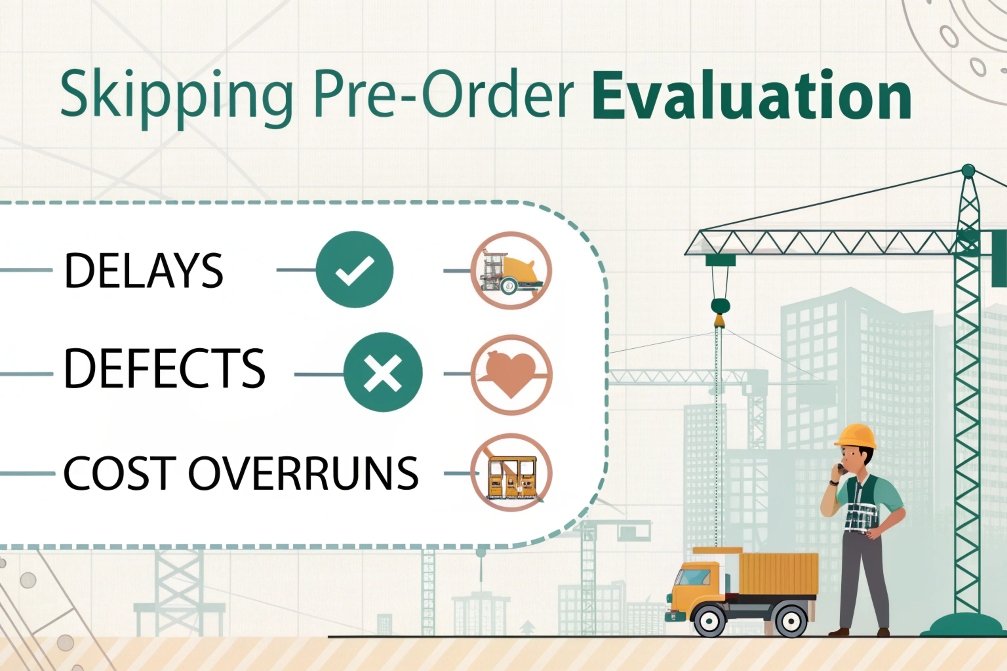
Evaluating a supplier’s engineering capabilities before placing an order is essential because it ensures that the supplier can meet your custom part requirements. Without this assessment, you risk delays, increased costs, and subpar parts.
Evaluating engineering capabilities early in the process helps you avoid costly mistakes. Here’s why it’s so essential to conduct this evaluation before committing to a full order:
1. Ensures the Supplier Can Meet Your Specifications
If you don’t evaluate the supplier’s capabilities beforehand, you might discover later that they can’t meet your specific technical requirements, such as material hardness, tolerance levels, or design complexity. This could result in delays or the need for redesigns, increasing costs and prolonging your project.
2. Reduces Risk of Product Defects
Custom parts often require precise engineering, and any mistakes in the design or production process can result in defective products. By evaluating engineering capabilities upfront, you ensure that the supplier has the skills necessary to meet your quality standards, reducing the risk of defects and rework.
3. Prevents Delays and Cost Overruns
Engineering challenges that arise later in the process can lead to significant delays. If the supplier struggles with the technical aspects of your order, it could affect production timelines and lead to additional costs. Evaluating engineering capabilities before ordering helps you identify and address potential issues early, reducing the chances of delays and budget overruns.
4. Fosters a Strong Partnership
A supplier who is technically capable of meeting your needs can become a long-term business partner. By evaluating their engineering skills beforehand, you establish a foundation of trust and mutual respect, leading to smoother collaboration throughout the production process.
| Pre-Order Evaluation | Impact of Skipping | Why It’s Crucial |
|---|---|---|
| Meeting Specifications | Risk of not meeting technical requirements | Ensures parts meet your exact needs |
| Defect Prevention | Higher chances of defects or rework | Maintains product quality |
| Avoiding Delays | Risk of production delays and cost overruns | Keeps project on schedule and within budget |
| Building a Partnership | Lack of trust and collaboration | Leads to long-term, successful supplier relationships |
Conclusion
Evaluating a supplier’s engineering capabilities is a critical step in ensuring that your custom parts meet your specifications, quality standards, and production timeline. By assessing their technical expertise, design capabilities, and past performance, you can select a supplier who has the right skills and experience to handle your project. Doing so early in the process helps prevent costly mistakes, delays, and defects, ensuring that your custom parts are delivered on time and to your exact specifications.

 English
 Español de México
 Deutsch
 Français
 Русский
 العربية