
I once had a shipment of precision metal parts from Vietnam. The cargo arrived in the U.S., but customs held it at port — because the paperwork was wrong. I had correct parts, but wrong or missing documents caused delays.
Export documents are as critical as product quality itself.
If you request the full set of export documents, verify every detail before shipment, and manage checklist and timing with your supplier and forwarder, you can avoid customs delays or rejections.
Below I share how to check export papers, build document-timelines and avoid common errors — so you don’t repeat my mistake.1
What key export documents should you request and verify before shipment from Vietnam?
You must insist on a complete set of core export documents — invoice, packing list, bill of lading, certificate of origin, and export clearance records — before you ship custom metal parts from Vietnam.
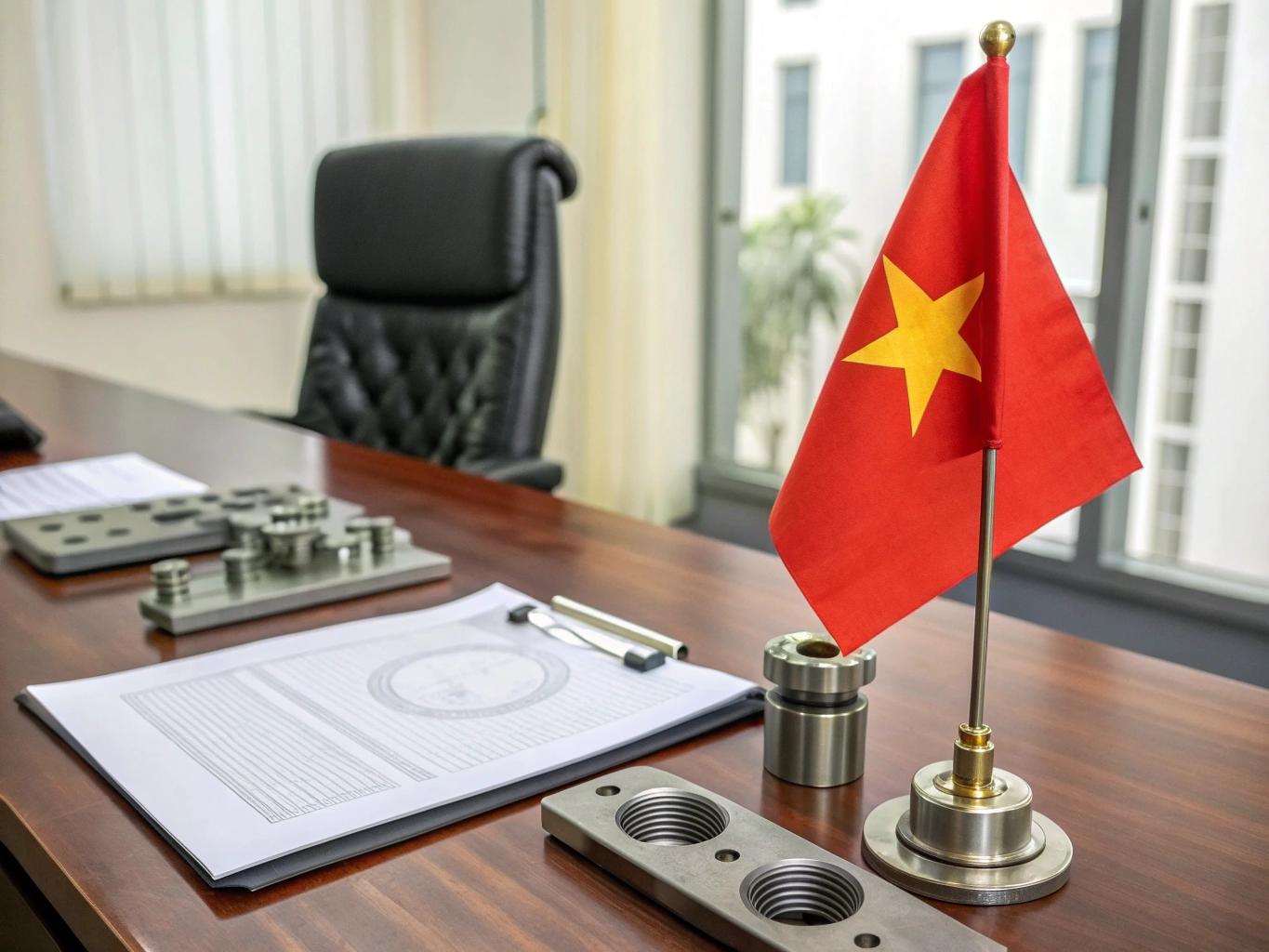
When you import custom metal parts, you must treat paperwork as carefully as the parts themselves. The following is a list of documents you should receive and verify before the container leaves Vietnam.2
📄 Essential export documents and what they cover
| Document Name | Purpose / What It Shows |
|---|---|
| Commercial Invoice | Shows value, HS code, consignee/exporter info — used by U.S. customs to assess duties. |
| Packing List | Lists crate counts, net/gross weight, dimensions, marks. |
| Bill of Lading (B/L) | Proof cargo is on board; includes container number, vessel, shipper/consignee. |
| Certificate of Origin (C/O) | Confirms Vietnam origin; needed for tariff eligibility. |
| Vietnam Export Declaration | Confirms legal export clearance with Vietnam customs. |
If your parts need extra compliance (material certificates, test reports, conformity certificates), request these early.3
Verify all fields carefully — names, weights, HS codes, and container numbers must match across all documents.4
How do you build a document-checklist and timeline with the supplier and forwarder?
You should build a simple but strict document checklist and timeline. Assign responsibilities, set deadlines, and confirm each item before shipment.

A clear checklist ensures your supplier and forwarder follow consistent steps and provides buffer time to fix issues.5
✍️ Sample document checklist and timeline plan
(表格内容保持不变)
This timeline helps catch errors early and keep all parties aligned.6
What common document errors occur with Vietnam exports and how to avoid them?
Document mistakes from Vietnam exporters or forwarders often cause delays — wrong HS codes, mismatched documents, missing container numbers, or missing export clearance.
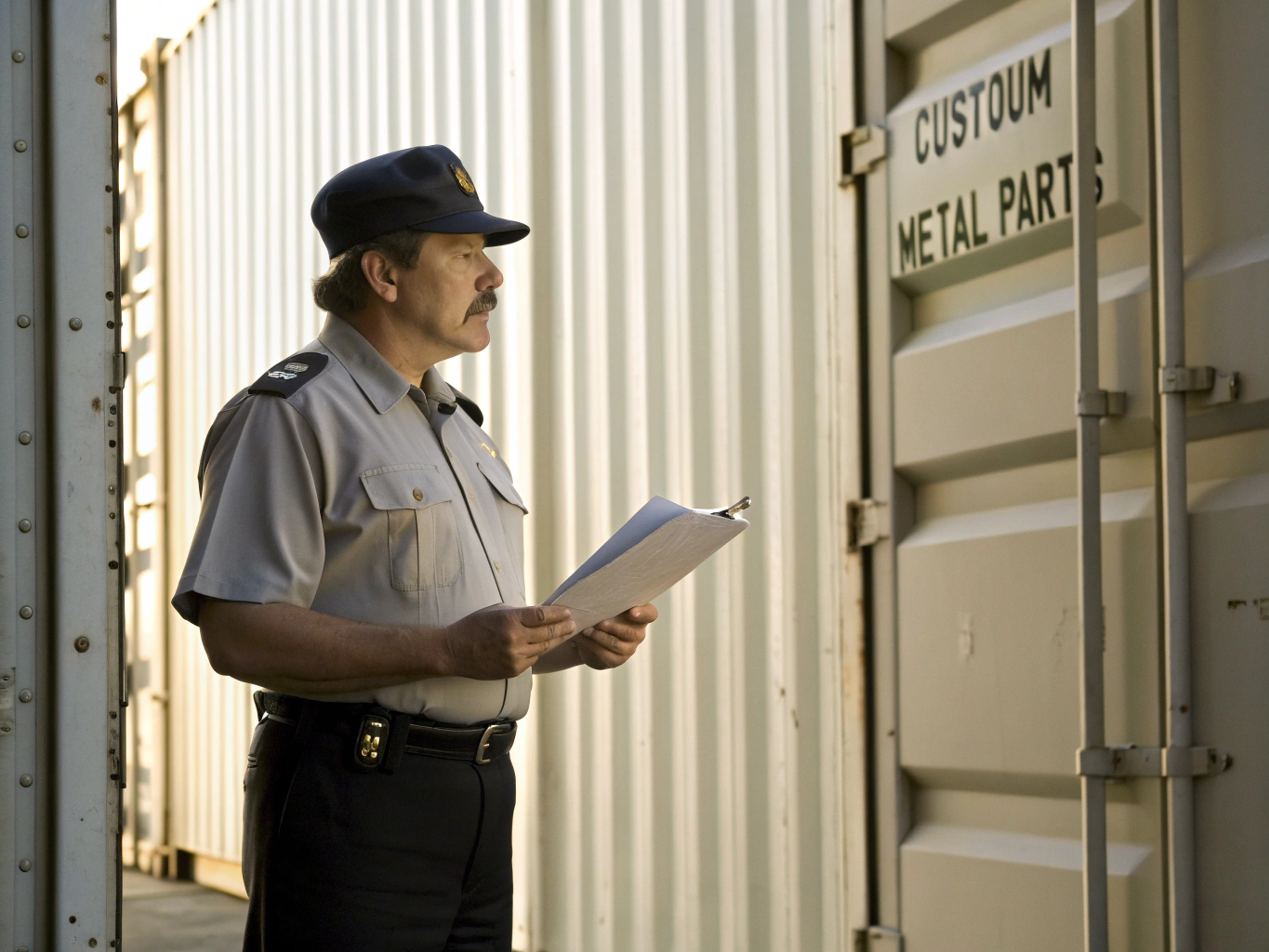
Common errors include HS code mistakes, invoice/packing list mismatches, inconsistent weights, or missing certificates.7
You can avoid them by using standardized templates, reviewing document drafts early, and requiring loading photos with seal and container number.8
How do you integrate export document review into your quality/contract management process?
Treat export documents as part of your quality and contract deliverables. Integrate document checks into your supplier agreement and QC workflow.

You should link shipment approval and payment release to complete, correct export documents.9
Archiving all final documents (invoice, packing list, C/O, B/L, loading photos) helps with claims, audits, and future shipments.10
Conclusion
Ensuring export documents are complete is essential when importing custom metal parts from Vietnam. By requesting full documentation, verifying all details early, and integrating document checks into your contract and quality processes, you prevent customs delays and protect your shipment.
Footnotes
1. General guidance on avoiding export-document delays in Vietnam–U.S. shipments. ↩
2. Standard export-document requirements for Vietnam manufacturing shipments. ↩
3. Compliance documentation often required for metal components. ↩
4. Importance of ensuring consistency across invoice, packing list, and B/L. ↩
5. Best-practice workflow for coordinating export docs with suppliers and forwarders. ↩
6. Benefit of early document timelines and assigned responsibilities. ↩
7. Common documentation errors in Vietnam export shipments. ↩
8. Preventive measures for reducing document mismatch and customs delays. ↩
9. Why export documents must be part of contractual deliverables. ↩
10. Record-keeping practices for export documentation and shipment traceability. ↩

 English
 Español de México
 Deutsch
 Français
 Русский
 العربية