
I remember the first time I asked for just 25 pieces of a CNC-machined bracket in Vietnam—the factory pushed back, but once I showed them our annual forecast, they were on board.
Many suppliers in Vietnam do accept small trial orders—but usually with higher per-unit cost, tooling fees upfront, and only if you clearly signal future volume.
Here’s how to structure and negotiate a trial order that gets approved.
What is “small trial order” defined as?
The meaning of “small” depends on the supplier’s size, process, and workload.
In Vietnam, small trial orders are typically defined as between 10 and 100 pieces—but some factories may treat anything below 500 units as trial quantity.
That’s consistent with U.S. Department of Commerce manufacturing guidance 1 and Investopedia’s MOQ definition 2.
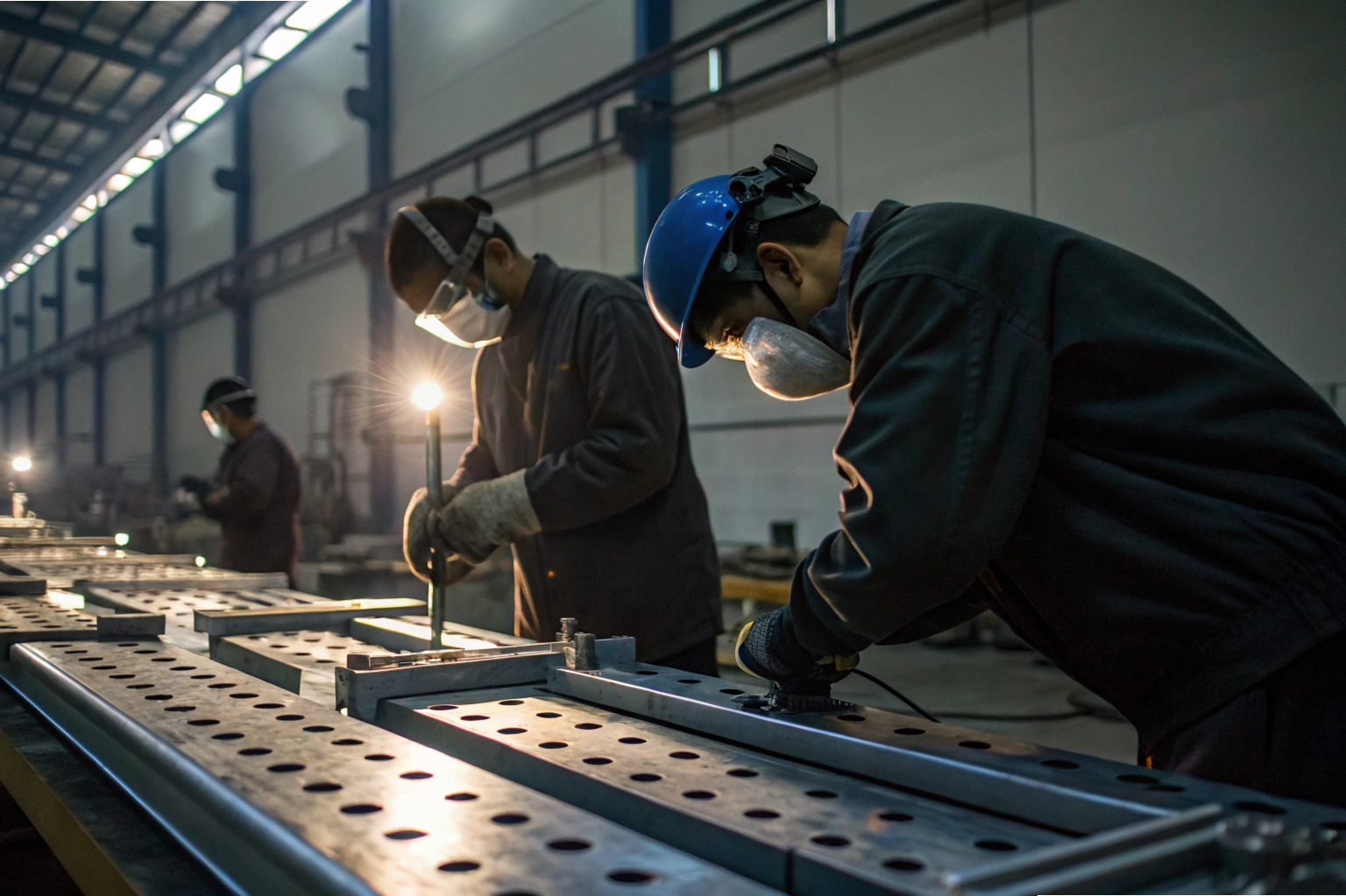
Suppliers break into two camps:
- Large factories and OEMs want 500–1000 pcs minimum
- Small job shops or custom fabricators may accept 10–50 pcs
If your part needs new tooling, expect to pay for it upfront regardless of quantity.
This aligns with SME.org’s tooling cost overview 3.
But once paid, many factories will run the first small batch without enforcing high MOQ.
Typical Trial Order Ranges by Factory Type
| Factory Type | MOQ for Trial Orders | Notes |
|---|---|---|
| Large OEM factories | 500–1000 pcs | Focused on mass production |
| Medium-size job shops | 50–200 pcs | More open to short runs if tooling is paid |
| Small machining shops | 10–50 pcs | Most flexible, but may have higher prices |
The key is managing expectations. Tell the supplier early that your trial is for validation, and that real volume comes after approval — as noted in APICS pilot run management guide 4.
Are sample quantities accepted at cost?
Technically yes, but rarely at “production cost.”
Suppliers often charge 20–50% more per unit for trial runs to cover setup, machine changeover, and low efficiency.
That matches findings from U.S. Small Business Administration cost analysis 5 and NIST manufacturing scaling studies 6.
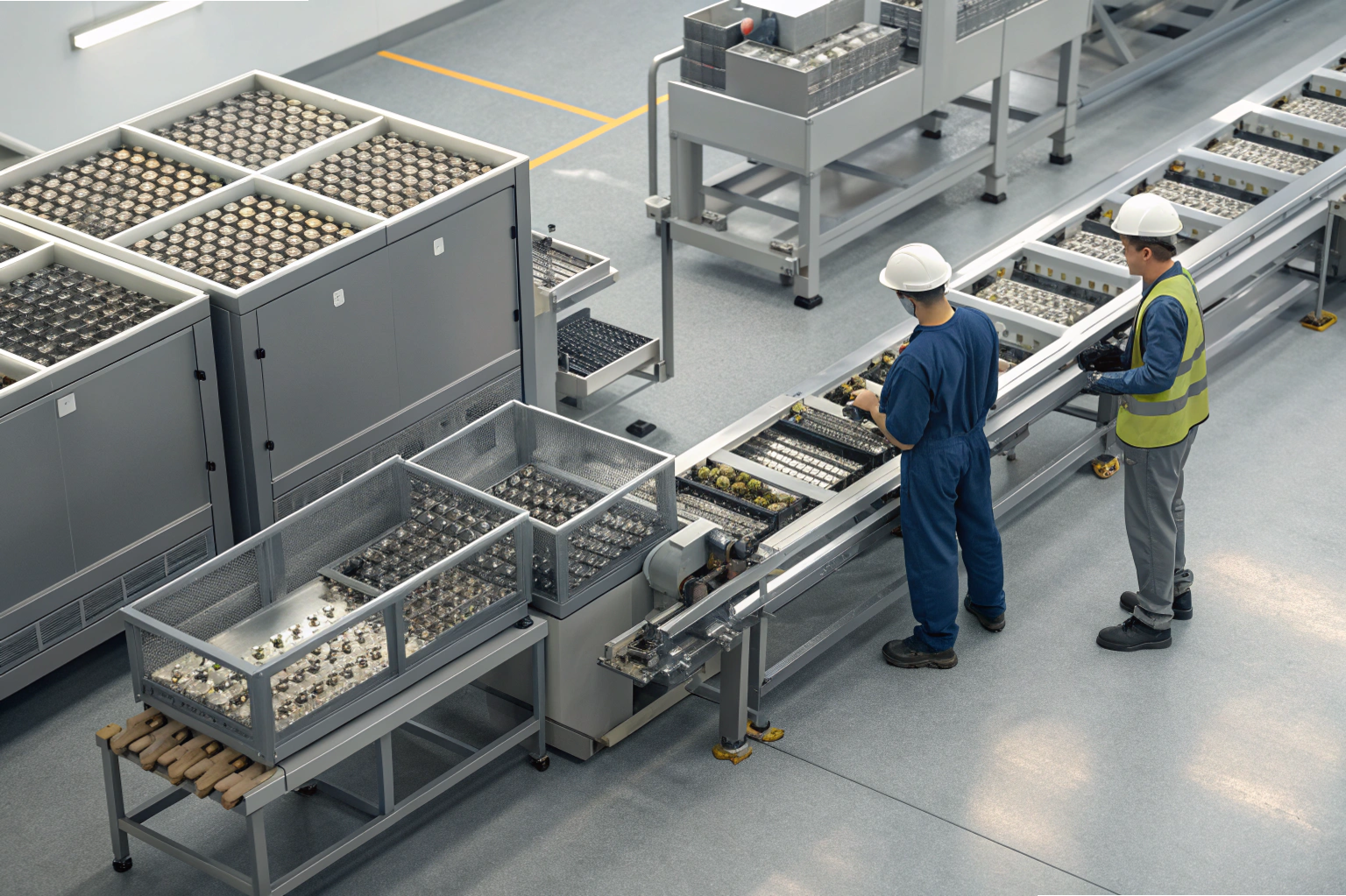
Let’s say a 1,000-piece production quote is $2.40/unit. A trial run of 20 pcs may cost you $3.00–$3.60/unit.
Why? Because:
- Setup time remains the same, but fewer parts amortize it
- Manual handling and inspections increase
- Scrap and yield loss are higher
Some suppliers offer “sample at cost” as a favor — if you’ve paid tooling, shown potential, or accept longer lead time.
Sample vs Production Cost Comparison
| Quantity | Expected Unit Price | Cost Notes |
|---|---|---|
| Production (1000 pcs) | $2.40 | Fully amortized setup, bulk run |
| Trial (20 pcs) | $3.20 – $3.60 | Setup + risk premium + lower efficiency |
| Single prototype | $8.00+ | Hand setup, manual machining, low priority |
Do suppliers require paying tooling beforehand?
Almost always — unless you’re using off-the-shelf tools.
Tooling is a sunk cost, and most Vietnamese suppliers will not begin cutting trial parts until the mold, die, or fixture is paid in full.
That’s outlined in ThomasNet tooling guide 7.
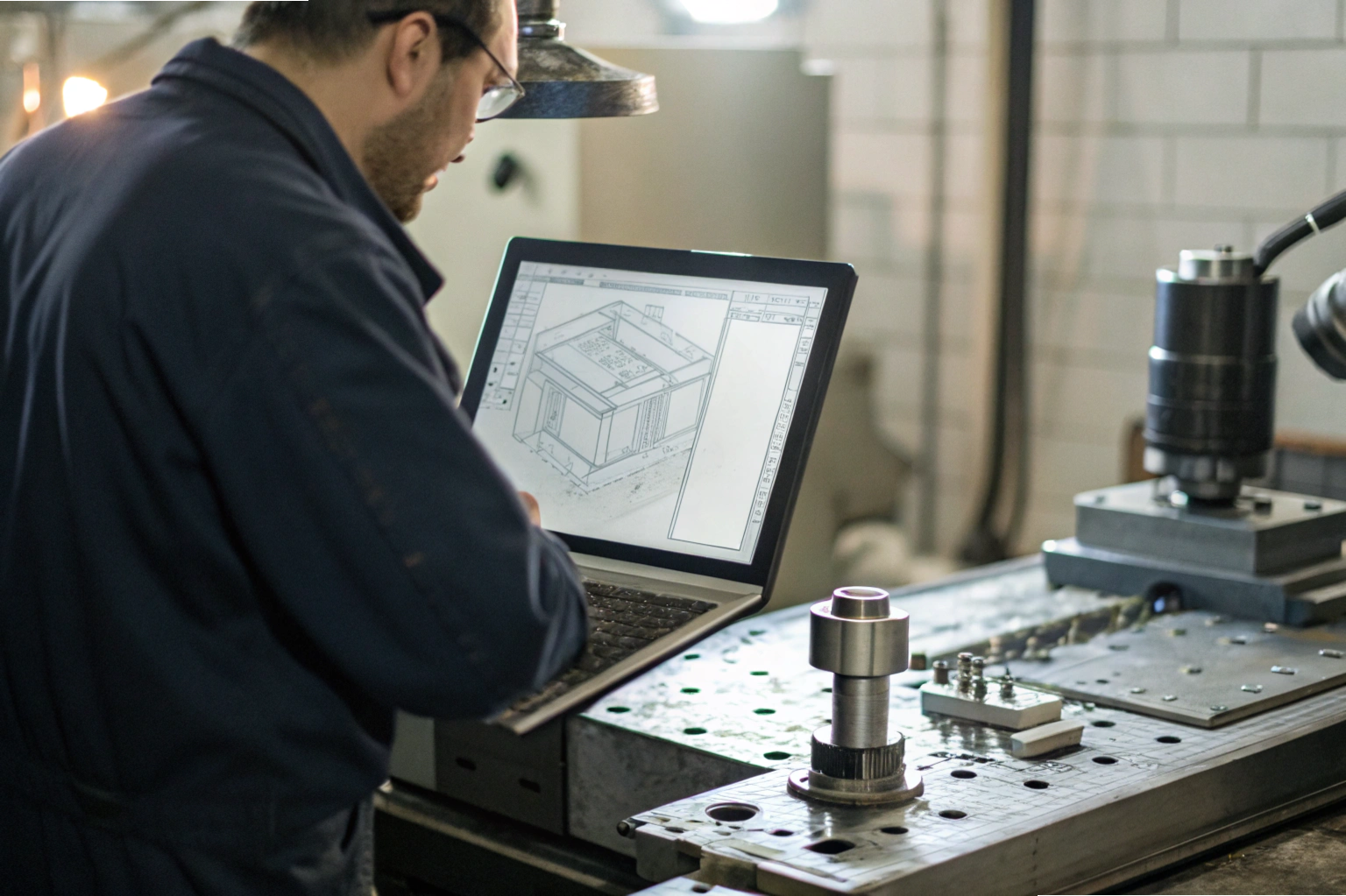
You can negotiate staged or amortized payments to reduce risk — an approach recommended by CIPS supplier collaboration best practices 8.
Tooling Payment Options for Trial Orders
| Option | Upfront Cash | Risk for Supplier | Buyer Flexibility |
|---|---|---|---|
| Full tooling prepayment | High | Low | Standard default model |
| 50/50 staged payment | Medium | Medium | Based on sample success |
| Tooling fee amortized in PO | Low upfront | High | Requires volume commit |
| Tooling paid by supplier | Zero | Very High | Only for big customers |
Can trials convert into full orders later?
Yes — and this is the ideal outcome.
Trial orders are usually gateways to larger POs once parts pass inspection and testing.
Quality validation typically follows ISO 9001 material and process standards 9.

Define success criteria, pre-negotiate follow-up terms, and set review timelines.
Structured sourcing like this mirrors Harvard Business Review’s supplier success model 10.
Conclusion
Most Vietnamese suppliers will accept small trial orders of custom metal parts — especially if you’re paying tooling upfront and showing long-term potential.
Expect higher per-unit costs, and always tie trials to structured follow-up plans.
Footnotes
1. Learn how pilot manufacturing orders build supplier trust (U.S. Department of Commerce – ITA). ↩︎
2. Understanding MOQ and supplier scale in manufacturing (Investopedia). ↩︎
3. Overview of tooling cost impacts on low-volume production (SME.org). ↩︎
4. Managing supplier expectations for pilot validation runs (APICS – Supply Chain Council). ↩︎
5. Cost efficiency principles in manufacturing scale-up (U.S. Small Business Administration). ↩︎
6. Why early trial production carries higher per-unit cost (NIST Manufacturing USA). ↩︎
7. Tooling ownership and payment norms in industrial supply (ThomasNet Guide). ↩︎
8. Supplier collaboration and trust-building best practices (CIPS.org). ↩︎
9. Material certification and quality validation standards (ISO.org – ISO 9001). ↩︎
10. How structured sourcing leads to long-term supplier success (Harvard Business Review). ↩︎

 English
 Español de México
 Deutsch
 Français
 Русский
 العربية