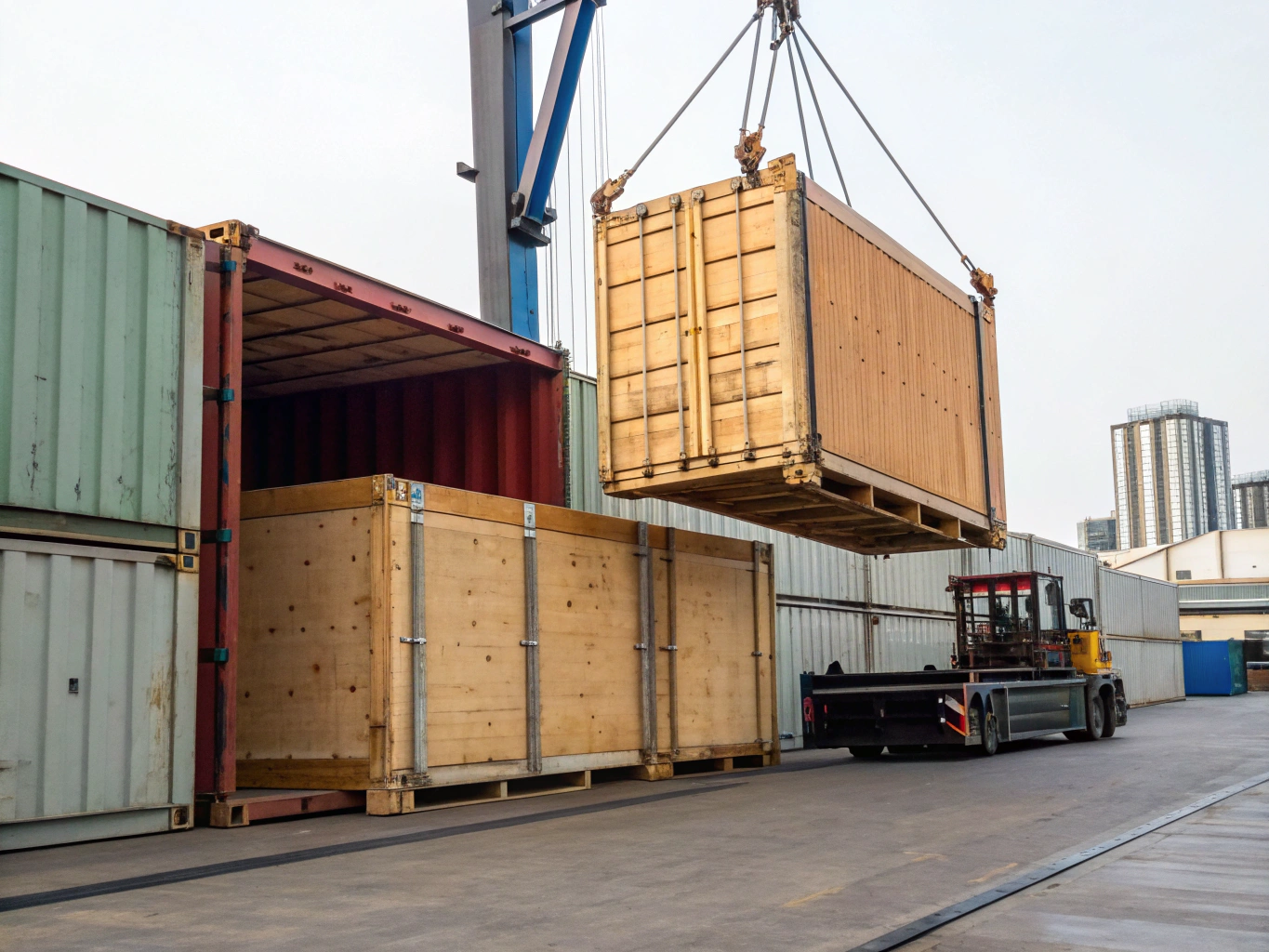
I recently managed a shipment of custom metal parts from Vietnam and wondered whether smaller volume loads could go by LCL instead of full container loads.
Yes — you can ship via LCL (Less-Than-Container Load) when importing custom metal parts from Vietnam, but you must check volume, packaging, consolidation, lead-time, and risk carefully.
In this article I explain what LCL means, when it’s appropriate for custom metal parts, how it compares to FCL, how to prepare your LCL shipment, and what minimum volume or value thresholds you should consider.
What is LCL (Less-Than-Container Load) and when is it appropriate for custom metal parts?
LCL means your goods share a container with other shipments — it works when your volume is smaller and you accept shared space and schedule.
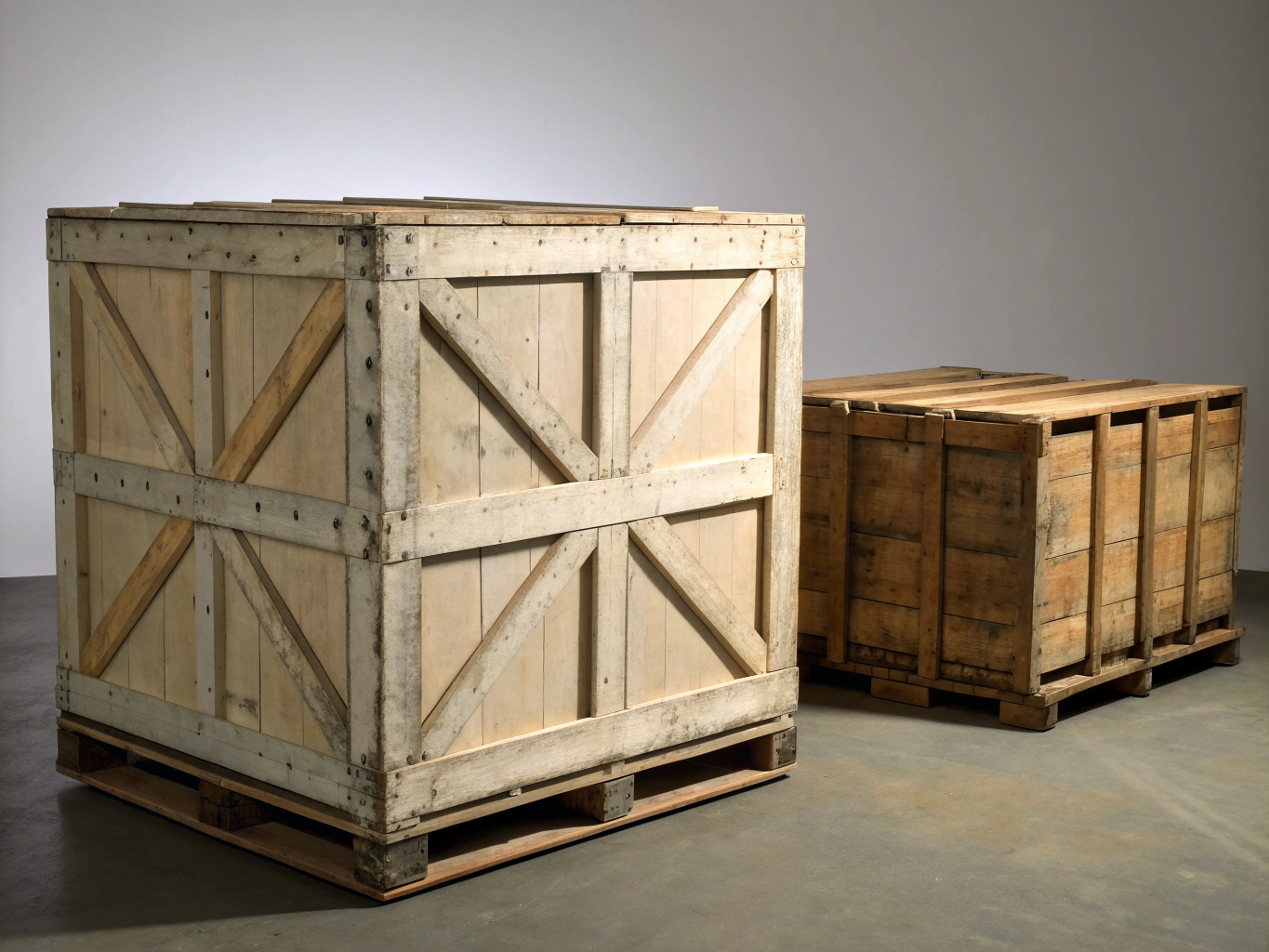
LCL stands for Less-Than-Container Load. In your context with custom metal parts from Vietnam it means your goods do not fill an entire 20′ or 40′ container. Your items will be placed in a consolidation container at origin and de-consolidated at destination. It fits when your order is modest and when you are ok with shared space. 1
Why choose LCL
- If your parts volume is small and you want to ship sooner rather than waiting to fill a container.
- If your parts are standard size, not heavy, and do not need special containers (flat-rack, open-top, high-cube).
- If your lead-time is flexible and you accept more handling.
Why LCL might be risky
- If your parts are heavy, oversized or highly sensitive, sharing a container raises risk of damage.
- If you need full control of loading, container choice, order of stuffing, then FCL is better.
- If your part value is high or schedule is tight, shared container risks may be too much.
Comparison table
| Situation | LCL suitable | FCL preferable |
|---|---|---|
| Volume is small | ✅ Yes | ❌ No |
| Parts standard and robust | ✅ Yes | ❌ No |
| Lead time is flexible | ✅ Yes | ❌ No |
| Parts heavy or special container | ❌ No | ✅ Yes |
| Need full control of logistics | ❌ No | ✅ Yes |
For a beginner importer of custom metal parts from Vietnam, LCL works if you are comfortable with the trade-offs. If you scale or have critical shipments, FCL is the safer path. 2
What are cost, time, and risk trade-offs between LCL vs FCL for Vietnam exports?
Selecting LCL versus FCL involves trade-offs in cost, transit time, and risk when importing custom metal parts from Vietnam.
Cost
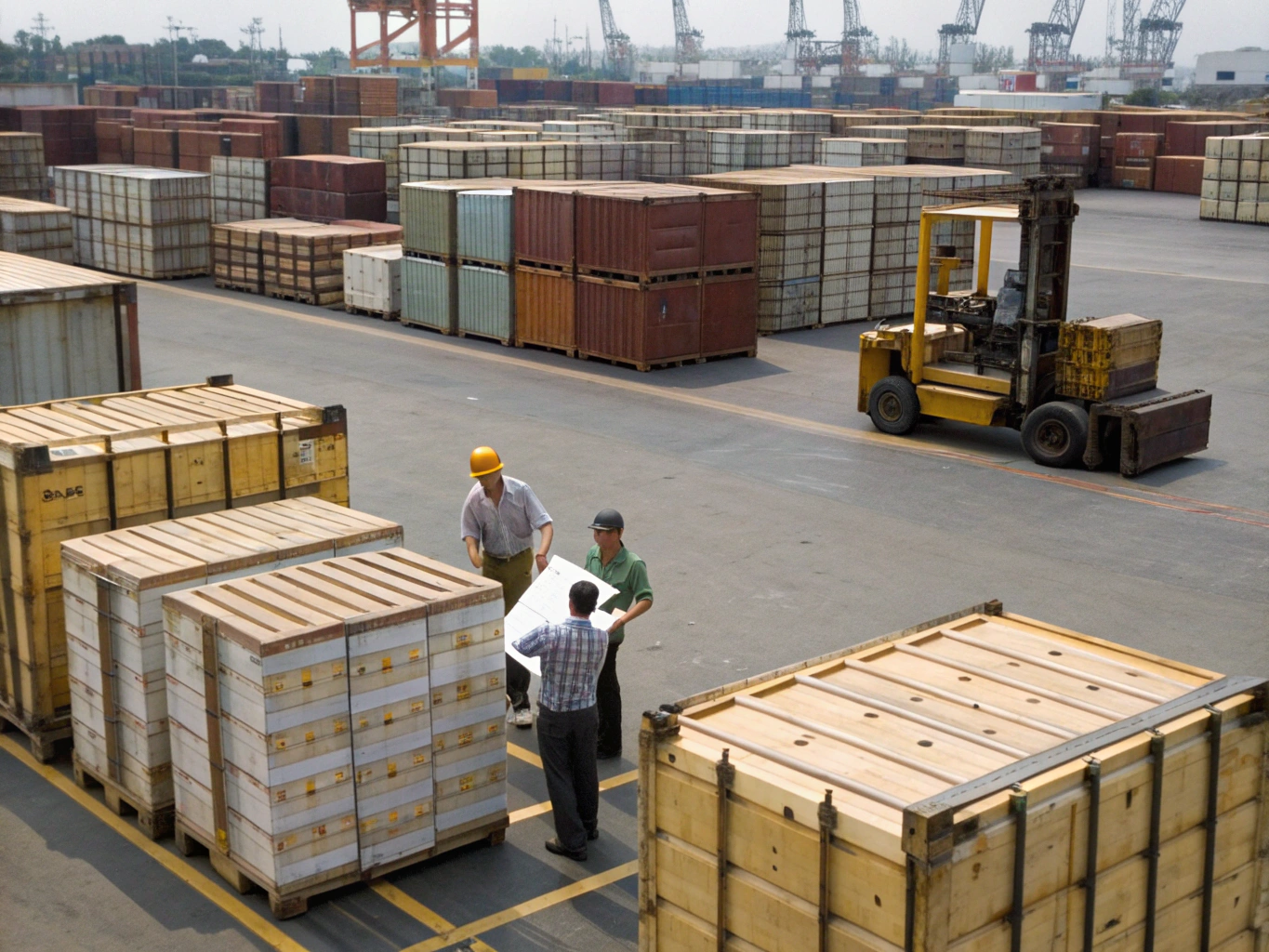
With LCL, you pay only for the space you use, which is efficient for smaller shipments. However you face added costs: consolidation at origin, de-consolidation at destination, container freight station (CFS) handling, possibly more waiting time. With FCL you pay for the full container, but if your volume is large, the cost per part falls and handling is simpler. 3
Time
LCL often adds days because you might wait for consolidation at origin and de-consolidation at destination. With FCL you schedule your full container, fewer hand-offs, more predictable timing. 4
Risk and control
With LCL you share container space, may lack control over loading, may face a higher risk of damage or mis-stacking — especially critical for custom metal parts with heavy or precise packaging. With FCL you control stuffing order, container sealing, cargo isolation — better for high-value parts. 5
Trade-off summary
| Factor | LCL | FCL |
|---|---|---|
| Up-front cost | Lower for small volume | Higher upfront |
| Per-unit cost | Might be higher after fees | Lower if you fill container |
| Transit reliability | Moderate — more handling steps | High — fewer steps |
| Control over cargo | Lower — shared container | High — exclusive container |
| Suitable for | Small, less urgent shipments | Larger, critical, high-value parts |
If you import custom metal parts from Vietnam, and your volume is under, say, 10–15 CBM and your parts are standard, LCL may be fine. If weight, precision, or schedule matter, choose FCL. 6
How to prepare packaging, consolidation, and documentation when shipping LCL from Vietnam?
When you use LCL for custom metal parts from Vietnam you must focus on packaging, consolidation process, and documentation to minimize the added risk.

Packaging
You must pack your metal parts well. Use wood crates or pallets that hold the parts firmly. Secure fasteners and apply rust-prevention if needed. Label clearly: part number, supplier name, handling instructions (e.g., “Do Not Stack”). Because your cargo will share container with others, clarity matters. 7
Consolidation process
Work with your Vietnam forwarder to know the cut-off date for consolidation at a CFS yard, when the container will be stuffed, and when it leaves origin. Often you must deliver to a CFS or coordinate factory pickup. Confirm that your parts are loaded, sealed and documented properly. Ask for photos of loading and seal number. 8
Documentation
You must prepare and check:
- Commercial Invoice with accurate value, description, HS code.
- Packing List listing each crate/pallet weight, size, content.
- Certificate of Origin for customs and trade benefits.
- House Bill of Lading or Sea Waybill for LCL.
- Insurance Certificate that covers your parts during consolidation and transit.
- Vietnam export clearance documents: export declaration, license if needed.
- U.S. import documents: customs entry, duties, drayage. Your U.S. forwarder should handle the destination side.
Table: Packaging & Documentation Checklist
| Item | Action Required |
|---|---|
| Crate/Pallet strength | Ensure strong wood or metal frame; secure items |
| Clear labelling | Supplier name, part number, weight, handling info |
| Container loading supervision | Obtain photos, container number, seal |
| Export documentation | Invoice, packing list, origin certificate |
| Insurance | Cover full value + handling risk |
| Import clearance | Ensure U.S. forwarder handles entry and delivery |
If you handle these items carefully, your LCL shipment of custom metal parts from Vietnam will be more reliable, less risky, and better aligned with your U.S. buyer’s expectations. 9
What minimum volumes or value thresholds should you consider before choosing LCL?
You should use LCL when your shipment volume is small, value is moderate, parts are standard and your schedule is flexible; you should switch to FCL when any of those change.

Here are guidelines for custom metal parts imports from Vietnam:
- Volume under roughly 10-15 CBM (or much less than half of a 20′ container) → LCL may be cost-effective. 10
- Weight moderate; parts standard container type → LCL more viable.
- When parts are heavy, oversized, need special containers, value is high or schedule tight → go FCL.
- If you intend to ship regularly and can fill a container over time, consider FCL strategy.
- If the cost including LCL surcharges approaches the rate for a full container, choose FCL.
Table: Volume / Value Decision Grid
| Condition | Choose LCL | Choose FCL |
|---|---|---|
| Shipment < ~10-15 CBM | ✅ LCL suitable | ❌ FCL may be inefficient |
| Parts moderate weight & standard container type | ✅ LCL acceptable | – |
| Parts heavy or special container type | ❌ LCL risky | ✅ FCL recommended |
| Lead-time or schedule flexible | ✅ LCL ok | – |
| Parts high value or tight delivery requirement | ❌ LCL not ideal | ✅ FCL much better |
If you are a beginner importer of custom metal parts from Vietnam, LCL works as a starting path when volume is small. But plan to use FCL as your business grows, or your parts become more critical.
Conclusion
You can ship via LCL when importing custom metal parts from Vietnam. It saves cost when your shipment is small and less urgent. But it also brings more handling, longer lead time and higher risk. When your volume, weight, value or urgency rises, FCL is usually the smarter choice.
Footnotes
1. Definition and mechanism of LCL (shared-container consolidation). ↩︎
2. Analysis of trade-offs when choosing LCL vs FCL for small vs large shipments. ↩︎
3. Cost-benefit comparison: LCL pays for used volume + handling fees, vs full-container cost. ↩︎
4. Transit-time trade-offs: LCL may add waiting time due to consolidation/deconsolidation. ↩︎
5. Risk and cargo-control difference when sharing container space vs exclusive use. ↩︎
6. Common guideline: LCL often best when shipment volume is modest (~≤ 15 CBM). ↩︎
7. Importance of robust packaging and clear labelling for mixed-cargo (LCL) shipments. ↩︎
8. Necessity of supervising loading, sealing, and consolidation when using LCL. ↩︎
9. Essential export/import documentation (invoice, packing list, B/L, insurance, customs) for LCL shipments. ↩︎
10. Recommended threshold (~10–15 CBM) where LCL tends to remain cost-effective vs FCL. ↩︎

 English
 Español de México
 Deutsch
 Français
 Русский
 العربية