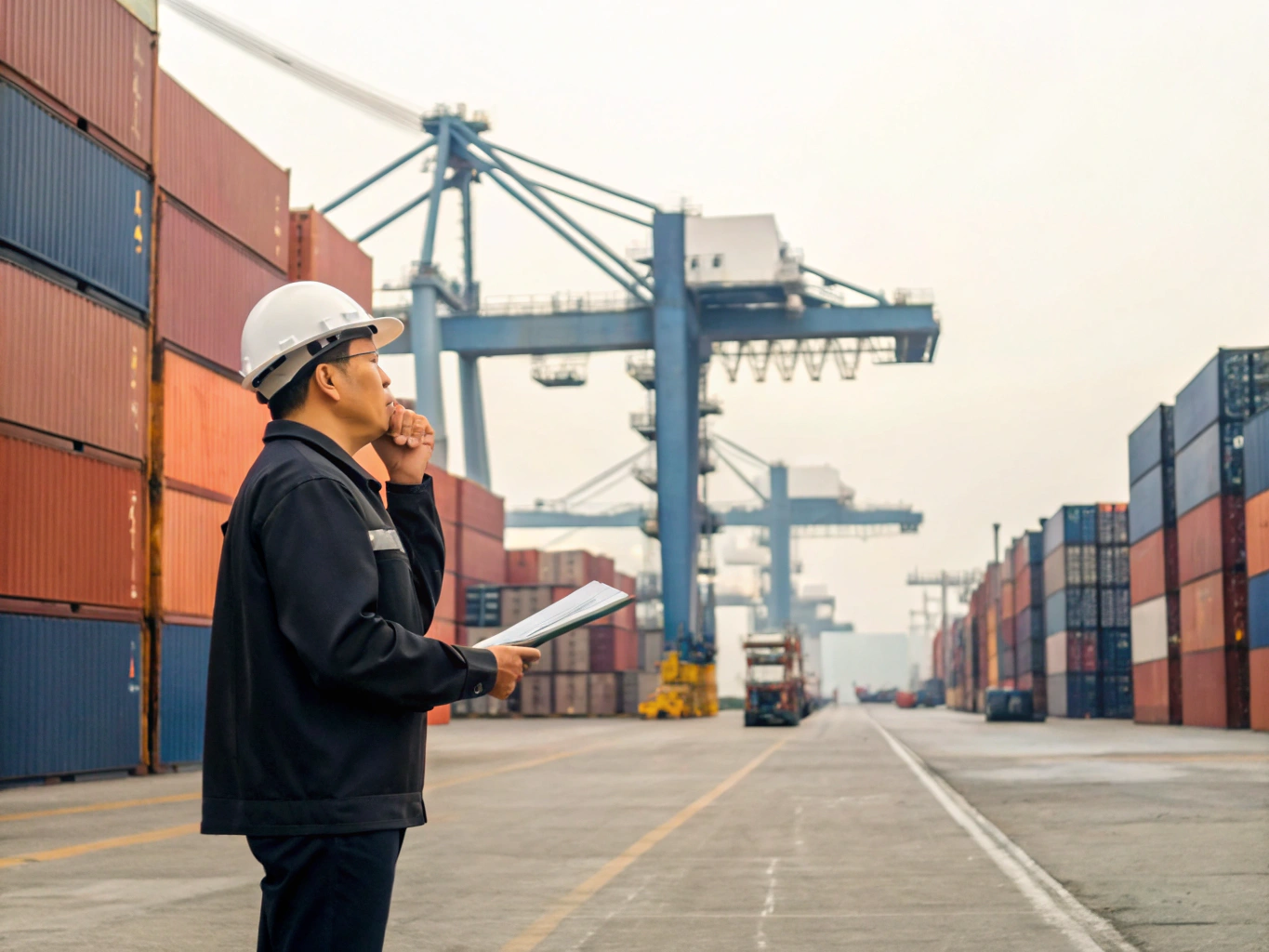
I’ve been working with importers of custom machined metal parts from Vietnam and noticed a recurring worry: “Will we find a container when we need to ship?”
Yes — container availability is indeed a concern when importing custom metal parts from Vietnam, though the severity and impact vary by port, container type, and timing.
Below I’ll walk you through recent container-market trends, how shortages affect lead time and cost for custom metal-parts exports, contingency strategies to mitigate risk, and how to reflect the container-shortage risk in your supplier/logistics contracts.
What recent trends in the global container market impact shipments from Vietnam?
Global and regional container-market trends are creating equipment imbalances, and Vietnam is feeling the pressure via intermittent shortages of 20-foot and 40-foot high-cube containers and higher freight costs.
Industry reports from the Vietnam Maritime Administration 1 confirm ongoing equipment shortages in major southern ports.
Global container imbalance issues are also highlighted by the UNCTAD Maritime Transport Review 2.
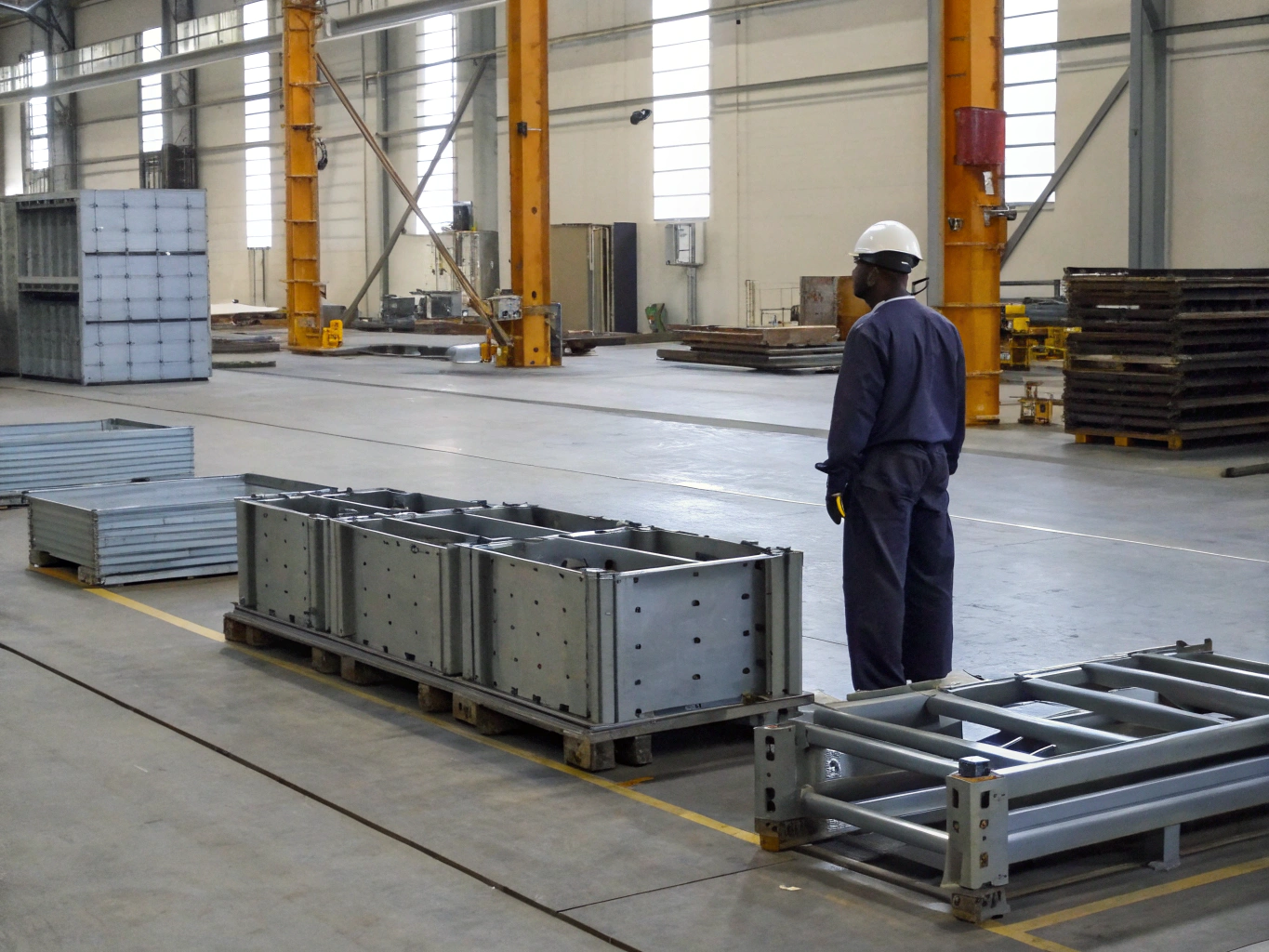
Rising freight rates and unreliable container repositioning are consistent with analyses from the Drewry World Container Index 3.
Vietnam-U.S. route pressure is also noted in the VLA (Vietnam Logistics Association) market updates 4.
These shortages disproportionately impact exporters of custom mechanical parts who depend on predictable container allocations.
How does container shortage affect lead time and cost for custom metal parts export from Vietnam?
Container shortage leads to longer booking lead times, higher freight costs, increased risk of shipment delays, and cost escalation—especially for full-container custom parts exports from Vietnam.

Guidance from the International Trade Administration logistics insights 5 states that equipment shortages increase freight cost volatility.
Vietnam-U.S. rate fluctuations are also documented in the Freightos Baltic Index 6.
Impact Summary
| Impact Area | Effect of Container Shortage |
|---|---|
| Booking Lead Time | Increases by 5–10 days |
| Freight Cost | +15–30% due to equipment surcharges |
| Port Dwell Time | Longer waiting for empty containers |
| Risk of Delay | High during peak season or tight schedule |
| Damage Risk | Higher if forced to use substitute equipment |
When specialized equipment (like 40′ HC) is unavailable, shippers sometimes split loads into multiple containers, increasing cost and risk.
What contingency strategies buyers can use to mitigate container shortage risk?
To mitigate container shortage risks, importers should book early, diversify carriers, allow buffer time, remain flexible with ports and container types, and build strong forwarder relationships.

The importance of early booking and multi-carrier flexibility is reinforced by the FIATA logistics best-practice guidelines 7.
Port-flexibility strategies align with recommendations from the APEC logistics performance studies 8.
Contingency Strategies
| Strategy | Description |
|---|---|
| Early Container Booking | Secure equipment 2–4 weeks before shipment |
| Multi-Carrier Relationships | Backup options if primary forwarder can’t deliver |
| Port Flexibility | Use Da Nang or Hai Phong when HCMC is congested |
| Container Type Flexibility | Accept 40’ standard if HC unavailable |
| Forecast Sharing | Helps forwarders pre-allocate equipment |
| Buffer Time Planning | Add 7–10 days to timeline |
| SLA with Forwarders | Commit container timelines contractually |
| FCL Consolidation | Increase booking priority with full loads |
How to reflect container shortage risk in your contract with the supplier/logistics provider?
Your contracts should define container allocation timelines, surcharge responsibilities, alternative plans, and force majeure clauses to manage the container shortage risk.
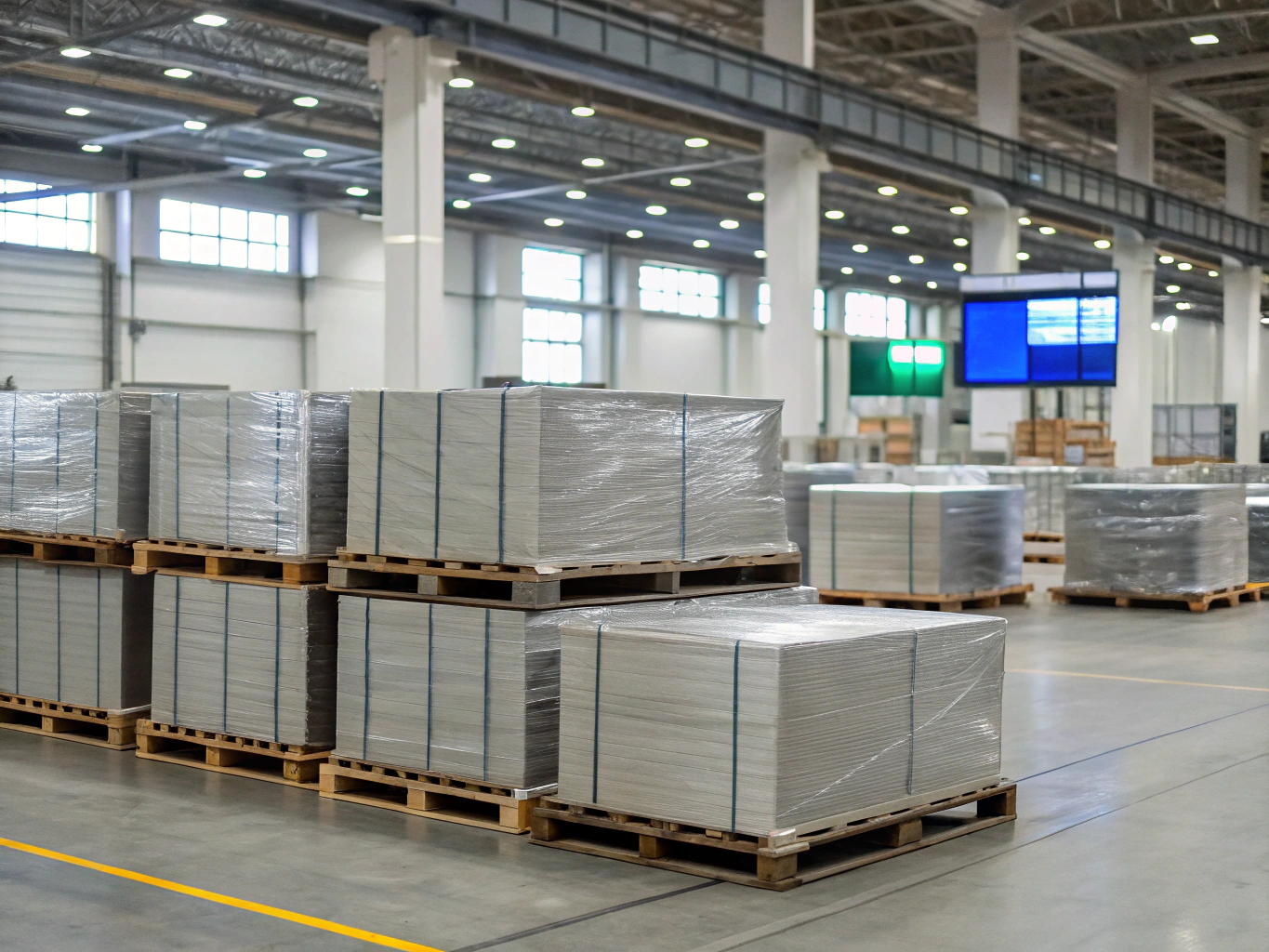
Contract structuring guidance is supported by the ICC contract and Incoterms resources 9.
Risk-allocation frameworks also follow principles discussed in the UN CLP logistics contracting guidelines 10.
Recommended Contract Clauses
| Clause | Purpose |
|---|---|
| Container Equipment Clause | Specifies container type, availability expectations |
| Surcharge Sharing Clause | Defines cost-sharing for container premiums |
| Allocation Lead Time Clause | Requires confirmation of container within X days |
| Alternative Port Option | Enables re-routing if primary port has no containers |
| SLA Penalty Clause | Holds forwarder accountable for equipment delays |
| Visibility Clause | Requires availability updates and milestone reporting |
| Force Majeure Extension | Clarifies conditions related to global container imbalance |
Conclusion
Yes — container shortages are affecting Vietnam’s custom metal parts export supply chains. But with early planning, flexibility, and clear contract terms, you can protect your shipments, reduce costs, and avoid costly delays.
Footnotes
1. Vietnam Maritime Administration updates on container availability. ↩︎
2. UNCTAD maritime review on global container imbalance. ↩︎
3. Drewry index showing freight rate fluctuations due to equipment shortage. ↩︎
4. Vietnam Logistics Association insights on port congestion. ↩︎
5. ITA logistics guidance on impacts of container scarcity. ↩︎
6. Freightos Baltic Index tracking Vietnam–U.S. rate spikes. ↩︎
7. FIATA guidelines for managing carrier and equipment risk. ↩︎
8. APEC logistics studies on port-flexibility strategy. ↩︎
9. ICC contract guidelines including container-related clauses. ↩︎
10. UNCITRAL contracting principles for logistics risk management. ↩︎

 English
 Español de México
 Deutsch
 Français
 Русский
 العربية