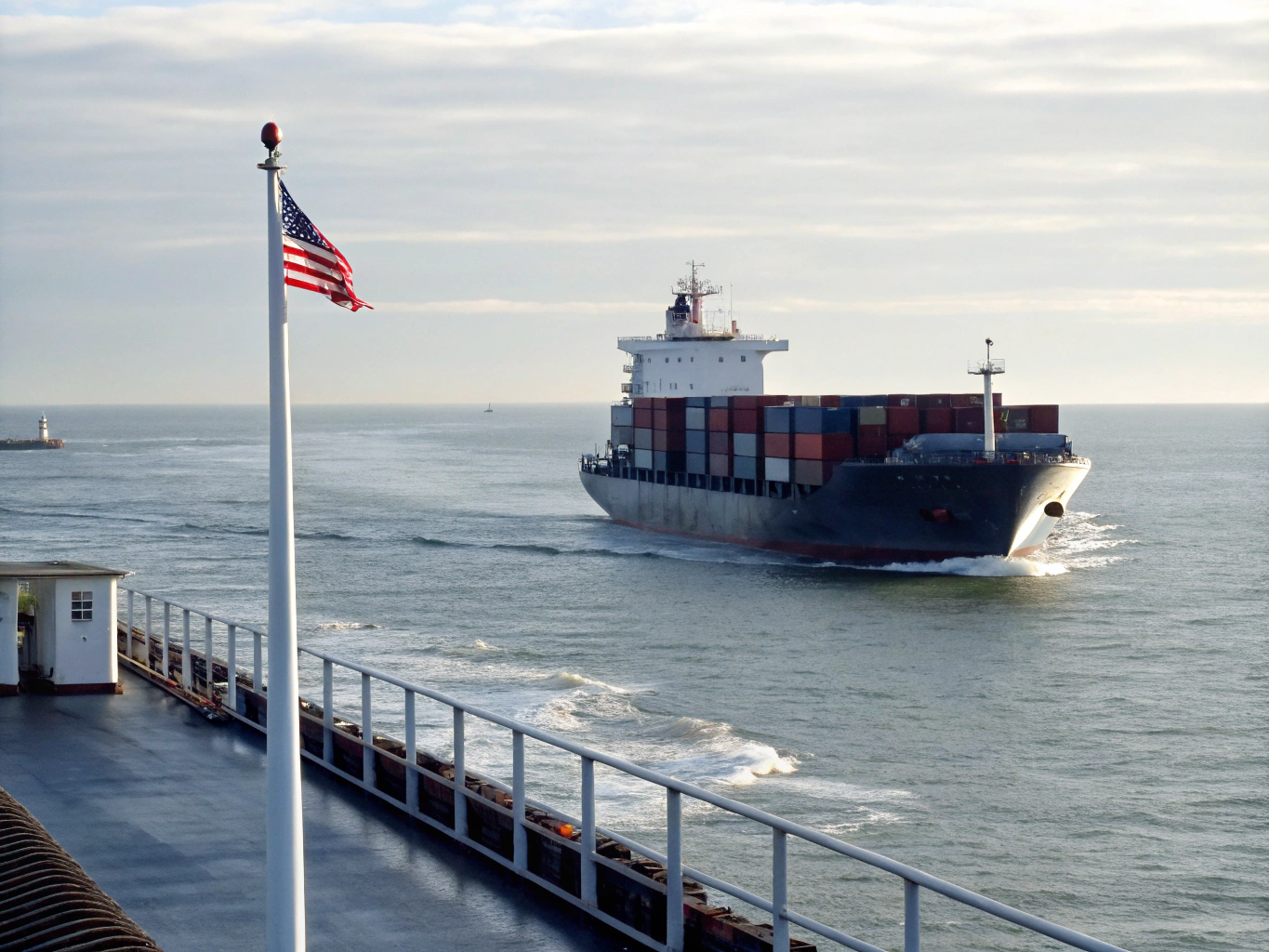
I’ve worked with clients who import custom mechanical parts from Vietnam and one question keeps coming up: are there real non-stop sea freight routes from Vietnam to the US, or do we always rely on trans-shipment?
Yes — direct shipping routes from Vietnam to the US do exist and are actively used for ocean-freight, though with caveats around port selection, carrier service, and cost/benefit trade-offs.
In the following sections I’ll walk you through which carriers & services offer them, typical transit times for direct vs routed (via intermediary ports), how to evaluate the benefit vs cost for your custom parts supply chain, and what contractual/logistic clauses you should insist on when selecting a direct-routing option.
Which shipping lines and services offer direct sea freight from Vietnam to U.S. ports?
Yes — multiple ocean carriers such as ZIM, CMA CGM, COSCO, and MSC now offer direct sailings from Vietnam to U.S. West Coast ports, mainly from Hai Phong and Ho Chi Minh City.
Information on Vietnam–U.S. vessel schedules is available from the Vietnam Maritime Administration 1.
ZIM’s Vietnam–U.S. direct services, including ZEX and ZX2, are documented on the ZIM service schedule portal 2.
CMA CGM also confirms direct Trans-Pacific services originating in Vietnam through their CMA CGM global service network 3.
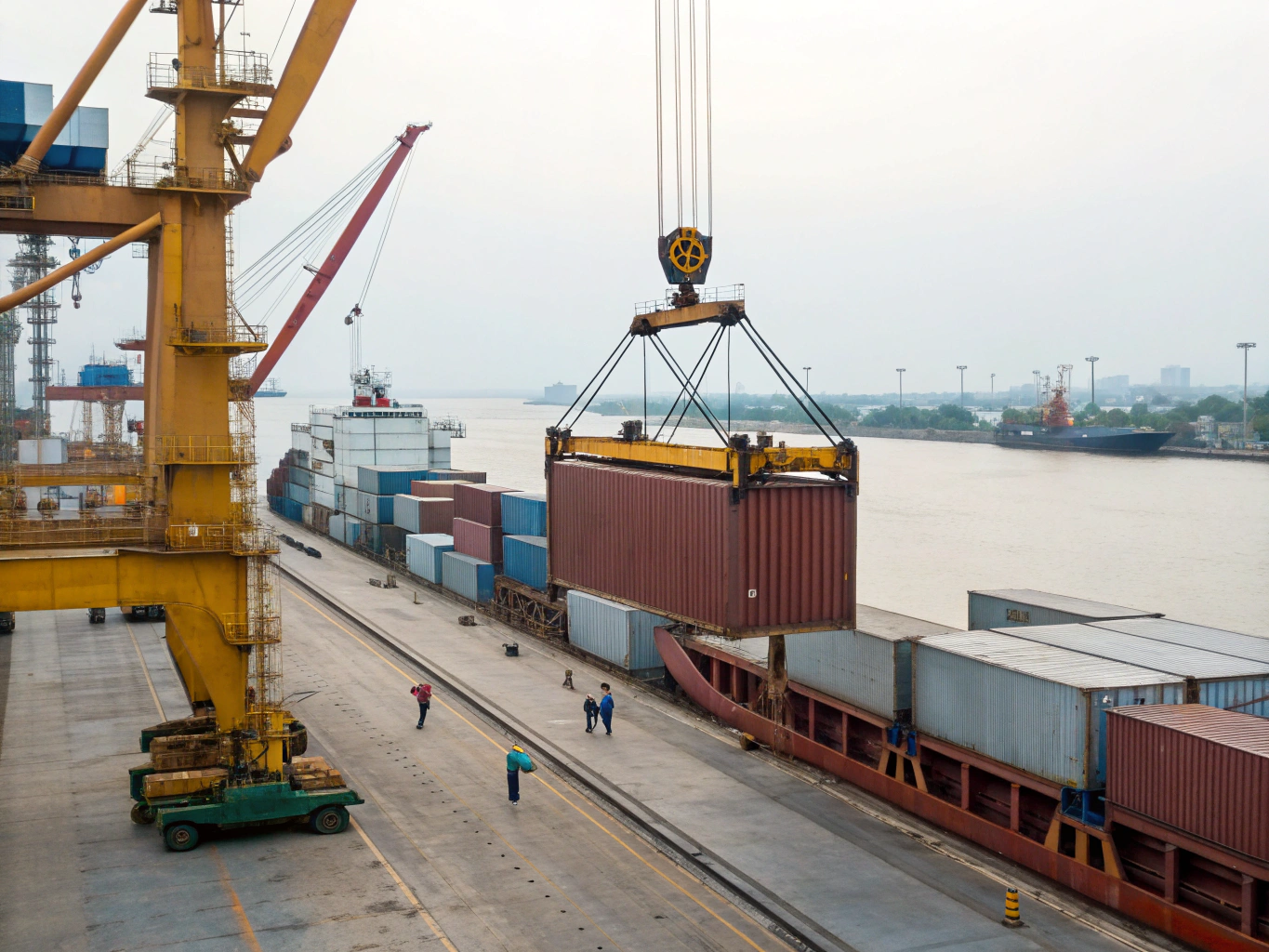
To find a truly direct sailing, you’ll need to know which carriers operate these services and from which Vietnamese ports they depart. For example, ZIM’s ZEX service offers a direct line from Hai Phong to Los Angeles in just 17 days.
Cosco’s Asia–US West Coast rotations, including stops in Cai Mep, are published on the COSCO voyage schedule portal 4.
MSC similarly lists its Vietnam-related Transpacific loops at the MSC network directory 5.
Direct sailings lower risk by eliminating cargo handling at intermediate ports. Industry surveys such as the global port service analysis by Port Technology International 6 highlight reduced variability on single-leg routes.
When selecting a route, request the full rotation schedule and verify that the voyage is truly non-stop.
What are typical transit times for direct vs trans-shipment routes from Vietnam?
Direct routes from Vietnam to U.S. West Coast ports typically take 17–24 days, while trans-shipment routes can take 5–10 days longer depending on port congestion and routing.
Fluent Cargo’s transit-time database confirms Vietnam→LA direct routes in the 17–24 day range, as shown on the Fluent Cargo route explorer 7.
Trans-shipment delays are common at Singapore, Kaohsiung, or Hong Kong, frequently adding 5–10+ days, a risk documented in the UN ESCAP port performance reports 8.
Direct vs Trans-shipment Timing
| Route Type | Transit Time Range | Notes |
|---|---|---|
| Direct (e.g., HCMC–LA) | 17–24 days | Fastest and most predictable |
| Transshipment (e.g., via Singapore) | 27–35+ days | Prone to delays, risk of damage |
How to evaluate benefit vs cost of direct route vs routed via intermediary ports?
While direct routes can be more expensive, they offer shorter transit times, reduced damage risk, and fewer supply chain disruptions—often offsetting the extra freight cost.
Cost and transit-time comparisons across routing types are described in the Maersk logistics insights library 9.

Cost-Benefit Comparison
| Factor | Direct Route | Trans-shipment Route |
|---|---|---|
| Transit Time | 17–24 days | 27–35+ days |
| Risk of Damage | Low (fewer touchpoints) | High (multiple handlers) |
| Inventory Holding Cost | Lower | Higher |
| Lead Time to Customer | Shorter | Delayed |
| Documentation | Simple | Complex |
What contractual or logistic clauses should you include when selecting direct routing?
To ensure true direct routing, your logistics agreements must clearly define non-transshipment terms, transit time windows, and consequences for deviation or delay.
Contractual best practices for maritime logistics are outlined in the ICC Incoterms guidance 10.

Recommended Clauses
| Clause Type | Description |
|---|---|
| Non-Transshipment Clause | Container must remain on the same vessel |
| Transit Time Guarantee | Sets max transit duration with penalties |
| Damage & Handling Terms | Single-point handling, sealed containers |
| Slot Reservation | Forwarder must confirm space on direct sailing |
| Deviation Notification | Notice of changes within 48 hours |
| Tracking & Visibility | Real-time updates required |
| Insurance Responsibility | Liability for added stops or mishandling |
Conclusion
Direct sea freight routes from Vietnam to the U.S. are available, and for custom metal parts, they offer faster, safer, and more predictable delivery—well worth the investment.
Footnotes
1. Vietnam Maritime Administration overview of vessel routes. ↩︎
2. ZIM schedule lookup for Vietnam–U.S. direct services. ↩︎
3. CMA CGM line-network showing Vietnam-origin Trans-Pacific services. ↩︎
4. COSCO online sailing schedule for Vietnam-linked routes. ↩︎
5. MSC network directory with Vietnam–US connections. ↩︎
6. Port Technology analysis of direct vs multi-stop routing reliability. ↩︎
7. Fluent Cargo route explorer listing Vietnam→U.S. transit times. ↩︎
8. UN ESCAP port performance data on transshipment delays. ↩︎
9. Maersk logistics insights on routing cost-benefit decisions. ↩︎
10. ICC guidance on Incoterms and shipping responsibility clauses. ↩︎

 English
 Español de México
 Deutsch
 Français
 Русский
 العربية