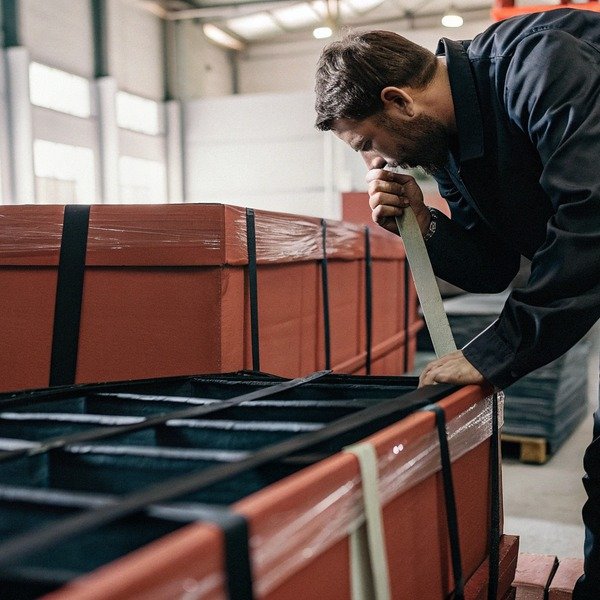
We frequently see shipments arrive at US ports with significant corrosion because the salt air was underestimated. This damage delays production lines and increases costs significantly for our clients.
To prevent rust during sea freight, you must employ a multi-layered defense strategy: apply VCI (Vapor Corrosion Inhibitor) materials to neutralize corrosive ions, use high-quality desiccants to control container humidity, and secure parts in ISPM 15 compliant crates with blocking and bracing to prevent physical damage.
These proven methods ensure your components arrive ready for assembly, protecting both your investment and your project timeline.
What are the most effective anti-rust oils and VCI materials for protecting my carbon steel parts?
Our engineering team has tested dozens of inhibitors to ensure parts reach destinations like Texas or Michigan completely rust-free.
The most effective protection combines VCI packaging, which releases vapors to form a molecular barrier, with dry-to-touch rust preventative oils. For parts requiring further fabrication, we recommend weld-through coatings like aluminized sprays that provide protection without requiring removal before final assembly.
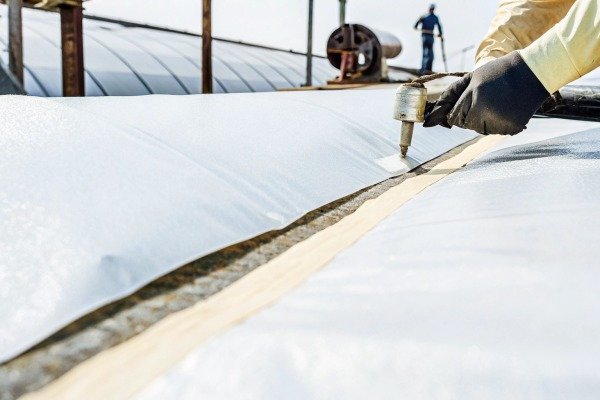
When we source carbon steel components for our clients, the choice of rust prevention is never an afterthought. It is a critical specification. The sea freight environment is harsh. Salt spray and temperature fluctuations create a "sauna" effect inside containers. Without the right chemical barriers, bare metal begins to oxidize within days. oxidize within days 1
Understanding VCI Technology
Vapor Corrosion Inhibitors (VCI) are a game-changer in our Vapor Corrosion Inhibitors (VCI) 2 logistics process. Vapor Corrosion Inhibitors 3 Unlike heavy greases that require messy removal, VCI works on a molecular level. Whether used as VCI paper, plastic film, or foam emitters, these materials release invisible, odorless vapors. These vapors fill the air space inside the package and settle on the metal surfaces, blocking moisture and oxygen from causing corrosion.
Liquid Inhibitors and Weldability
For direct application, we often debate between oil-based and solvent-based preventatives. Heavy oils offer great protection but are a nightmare to clean off. If your production line needs to weld these parts immediately upon arrival, heavy oil is the wrong choice.
Instead, we advocate for "dry-to-touch" coatings or specialized weld-through primers. weld-through primers 4 These products displace water and form a thin protective film that does not interfere with the welding arc. This means your team can skip the degreasing station and go straight to fabrication.
Comparison of Rust Prevention Agents
We have compiled a comparison based on our shipping data to help you choose the right agent for your specific needs:
| Protection Type | Mechanism | Лучшее применение | Преимущества | Минусы |
|---|---|---|---|---|
| Пленка/бумага VCI | Vapor release forms molecular barrier | Parts with complex geometries or internal voids | Clean, no residue, reaches hidden areas | Requires sealed environment to work effectively |
| Oil-Based Fluids | Physical barrier blocks oxygen/water | Long-term outdoor storage or heavy machinery | Excellent durability, self-healing films | Messy, requires removal/cleaning before welding |
| Dry-to-Touch | Thin solvent-based film | Parts for immediate assembly | Clean handling, inspectable surface | Thinner protection layer than heavy grease |
| Weld-Through | Conductive pigment (often Zinc/Alum) | Components needing welding post-delivery | No removal needed, protects weld seam | More expensive, specific application thickness required |
By combining a VCI wrap with a light, weld-friendly coating, we create a redundant system. Even if the wrap is slightly punctured, the coating provides backup.
How should heavy welded components be crated to prevent shifting and impact damage during transit?
We recall a new client whose heavy frames arrived bent because their previous supplier's crates ISPM 15 compliant crates 5 lacked internal bracing.
Heavy welded components must be secured in ISPM 15 heat-treated wooden crates using a combination of bolting, blocking, and bracing. You should distribute weight evenly across the pallet base and use heavy-duty plastic strapping or steel bands to immobilize the parts against dynamic sea movement.
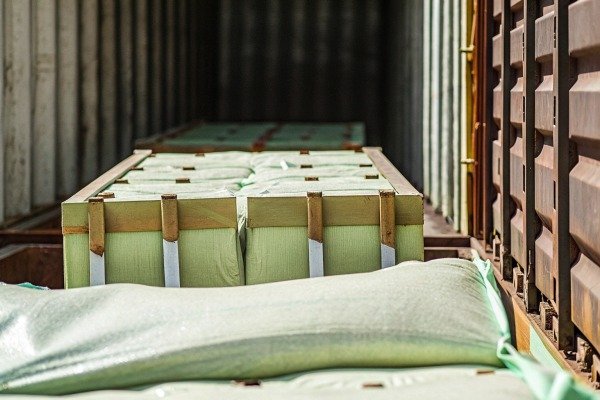
Physical damage during sea freight is often just as destructive as rust. A ship pitching in a storm can subject cargo to G-forces that turn loose parts into battering rams. When we prepare heavy weldments for export, we treat the crate not just as a box, but as a structural support system.
Structural Integrity of the Crate
Standard pallets are rarely sufficient for custom heavy parts. We build custom skids using 4×4 runners to handle the specific weight distribution of the load. The wood itself matters. We strictly use heat-treated wood marked with the ISPM heat-treated wood 6 15 stamp. This is non-negotiable for entering the US or Europe. Using untreated wood can lead to your entire shipment being rejected at customs due to pest regulations.
Internal Blocking and Bracing
Simply placing a part in a box is a recipe for disaster. We use "blocking" to prevent horizontal movement and "bracing" to prevent vertical shifting.
- Blocking: Wooden blocks are screwed into the crate floor tight against the base of the part.
- Bolting: Whenever possible, we use the part's existing mounting holes to bolt it directly to the crate floor.
- Cushioning: For silver-colored aluminum frames or finished surfaces, we place high-density foam or rubber sheets between the metal and the wood to prevent abrasion and contact corrosion.
Load Distribution Standards
We follow strict guidelines to ensure the crate can withstand the rigors of a trans-pacific journey. Here are the standards our packaging engineers use:
| Crate Component | Specification Requirement | Назначение |
|---|---|---|
| Base Skids | Minimum 4×4 inch lumber | Provides rigid foundation for forklift handling |
| Толщина стенки | Minimum 1/2 inch plywood | Resists puncture from external objects |
| Internal Bracing | 2×4 lumber triangulation | Prevents crate collapsing under stacking weight |
| Strapping | 3/4 inch steel or high-tensile polyester | Secures part to the base (Minimum 2 straps) |
| Fasteners | Ring-shank nails or screws | Prevents crate from popping open under vibration |
Securing the part effectively also protects the anti-rust packaging. If a part shifts, it can tear the VCI bag, rendering the rust protection useless. Physical security and chemical protection go hand in hand.
Do I need to specify desiccants or vacuum sealing to combat humidity inside the shipping container?
High humidity in the South China Sea is a killer for exposed metal, so we never ship without strict moisture control.
Yes, you absolutely need active moisture control. We recommend using calcium chloride desiccants, which absorb up to 300% of their weight in moisture, combined with vacuum-sealed barrier bags (VCI or foil) to create an isolated, dry micro-climate around your welding parts.

Humidity inside a shipping container is dynamic. shipping container 7 This phenomenon is known as "Container Rain." During the Container Rain 8 day, the metal container heats up, and the air inside holds moisture. At night, the temperature drops, and that moisture condenses into water droplets on the ceiling and walls, eventually dripping onto your cargo.
The Role of High-Performance Desiccants
Standard silica gel packets often aren't enough for a 40-day ocean voyage. They reach saturation quickly. We use industrial-grade calcium chloride desiccants. These often come in pole formats that hang in the corrugations of the container walls or large bags placed on top of the crates. They aggressively pull moisture from the air, keeping the relative humidity below the dew point.
Vacuum Sealing: The Ultimate Barrier
For high-value custom parts, we don't just rely on the container environment. We create a second line of defense. We wrap the parts in a heavy-duty barrier foil or VCI plastic and use a vacuum to remove the air.
- Less Air = Less Moisture: By removing the air, we remove the initial moisture trapped in the package.
- Immobilization: Vacuum sealing pulls the packaging tight against the part, preventing the wrap from rubbing against the surface during transit.
Desiccant Calculation Guidelines
Determining the right amount of desiccant is a science, not a guess. We use the following general rules based on container size and transit duration:
| Размер контейнера | Recommended Desiccant (Calcium Chloride) | Usage Placement |
|---|---|---|
| 20ft Container | 6 – 8 kg (approx. 13-17 lbs) | Hang 4 poles on walls, place 2 bags on top of cargo |
| 40ft Container | 12 – 14 kg (approx. 26-30 lbs) | Hang 8 poles on walls, place 4 bags on top of cargo |
| Inside Crate | 1 Unit per cubic foot of volume | Place inside VCI bag before sealing |
We also advise our clients to use humidity indicator cards. These small cards change color (e.g., from blue to pink) if the humidity inside the package exceeds safe levels. This provides instant visual proof upon arrival if the seal was compromised.
What packaging inspection checklists should I use to ensure my supplier follows strict safety protocols?
Before any container leaves our Vietnam facility, our QC managers execute a mandatory final packaging audit.
Your checklist must verify three critical areas: the integrity of physical crating (ISPM 15 marks, strapping tightness), the correct application of rust inhibitors (VCI presence, desiccant quantity), and container suitability (watertight seals, dry floors). This ensures accountability and adherence to safety protocols.

Trust is good, but verification is essential. In international trade, once the doors of the container close, you lose control. That is why the pre-shipment inspection is your most powerful tool. We provide our clients with a detailed photo report before the truck leaves the factory, but you should also provide your supplier with a specific checklist to follow.
The "Seven-Point" Container Inspection
Before we even load the crates, we inspect the shipping container itself. inspect the shipping container 9 A rusty, leaky container will ruin even the best-packaged goods.
- Light Test: Step inside, close the doors, and look for light leaking through holes.
- Floor Dryness: Ensure the wooden floor of the container is dry and free of oil stains.
- Door Seals: Check that the rubber gaskets around the doors are intact.
Packaging Integrity Checklist
We look for details that others might miss. Are the straps protected where they touch the metal edges? Is the wood dry? Wet wood inside a container is a massive source of moisture release.
Essential Pre-Shipment Checklist Items
To ensure your supplier is following protocol, require them to sign off on these items for every shipment:
| Inspection Category | Specific Check Item | Failure Risk |
|---|---|---|
| Rust Prevention | VCI bag is fully sealed (heat sealed or taped) | Air leaks allow moisture ingress |
| Desiccants | Desiccant packs are fresh and not rigid (saturated) | Saturated desiccants release water back |
| Wood Compliance | ISPM 15 stamp is visible on two opposite sides | Customs quarantine or destruction of cargo |
| Physical Security | Cargo blocked/braced against container walls | Load shifts causing crushing damage |
| Loading Plan | Heavier items on bottom, lighter on top | Crushing damage to lower crates |
| Документация | Packing list and moisture logs attached | Customs delays or loss of insurance data |
We also suggest placing a data logger inside the shipment. These devices record temperature, humidity, and shock events throughout the journey. If damage occurs, this data is irrefutable evidence for insurance claims. insurance claims 10
Заключение
Preventing rust and damage involves a combination of smart chemistry, sturdy engineering, and strict verification. By specifying VCI materials, robust crating, and active moisture control, you ensure your parts arrive in perfect condition.
Сноски
1. Scientific explanation of the oxidation process of iron and steel. ↩︎
2. General definition of the chemical technology used. ↩︎
3. General background on how corrosion inhibitors work on metal surfaces. ↩︎
4. Product documentation for specialized coatings that allow welding without removal. ↩︎
5. Official international standard for wood packaging materials. ↩︎
6. US government regulations regarding wood packaging treatment. ↩︎
7. Official ISO standard for the specification and testing of freight containers. ↩︎
8. Authoritative explanation of moisture condensation in shipping. ↩︎
9. Official C-TPAT guidelines for container security inspections. ↩︎
10. International organization representing marine insurance issues. ↩︎

 English
 Español de México
 Deutsch
 Français
 Русский
 العربية