
Когда я впервые начал импортировать стальные детали, я потерял тысячи из-за колебаний валютных курсов. Я на собственном горьком опыте понял, что хороший поиск поставщиков бесполезен без контроля валютных рисков.
Чтобы снизить валютный риск при импорте стальных деталей на заказ, импортерам следует использовать такие инструменты, как форвардные контракты, опционы и валютные свопы, а также стратегически планировать платежи и выставление счетов в стабильных валютах, таких как доллар США.1
Давайте рассмотрим, как построить простой, но надежный план управления валютными рисками.
Какие лучшие инструменты хеджирования валютных рисков существуют для импортеров?
Раньше я надеялся, что обменный курс изменится в мою пользу. Эта стратегия провалилась — пока я не начал использовать надлежащие инструменты хеджирования.
Лучшие инструменты хеджирования валютных рисков включают форвардные контракты, опционы, свопы и услуги валютного управления. Каждый из них позволяет импортерам фиксировать или управлять обменными курсами для будущих платежей.2
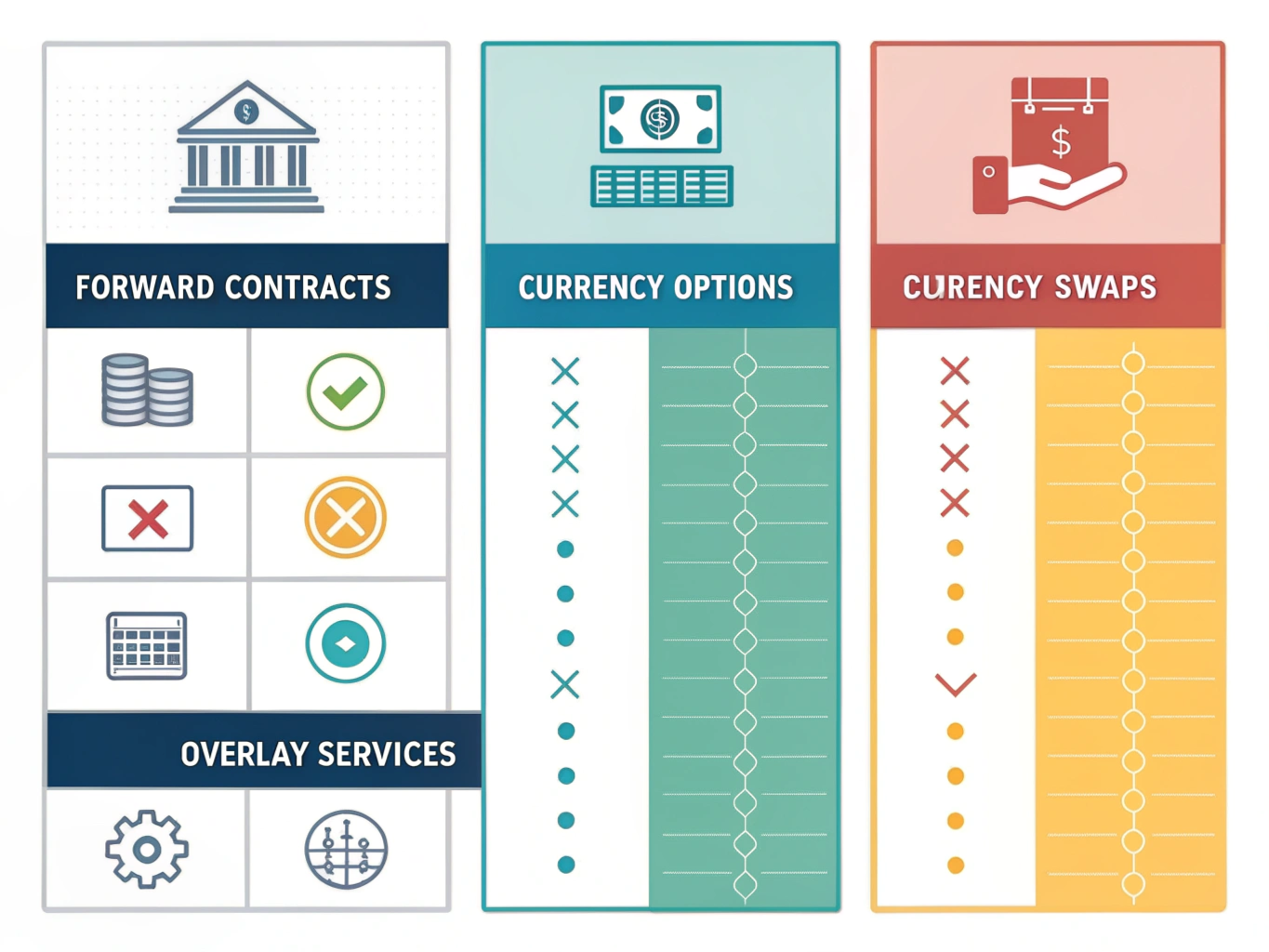
Сравнение инструментов хеджирования
| Инструмент | Как это работает | Идеально подходит для |
|---|---|---|
| Форвардный контракт | Фиксирует обменный курс для будущей сделки | Предсказуемые платежи в установленные сроки |
| Валютный опцион | Право (но не обязательство) обменять по установленной ставке | Волатильные рынки с потенциалом роста |
| Валютный своп | Соглашение об обмене валют в течение определенного периода времени | Крупные или текущие импортные проекты |
| Валютное хеджирование | Сторонняя организация динамически управляет всеми валютными рисками | Частые мультивалютные сделки |
Могут ли форвардные контракты защитить от потерь из-за обменного курса?
Одним из моих самых больших сожалений было то, что я не зафиксировал обменный курс перед размещением крупного заказа. Это стоило мне более 8% маржи.
Да, форвардные контракты являются одними из наиболее эффективных способов защиты от валютных потерь. Они фиксируют валютный курс заранее, устраняя неопределенность будущих платежей.3
Ключевые особенности форвардных контрактов
- Период фиксации: Распространенные сроки включают 30, 60, 90 или 180 дней
- Настраиваемый: Соответствует дате импортного счета или заказа на покупку
- Отсутствие первоначальных затрат: Но может потребоваться маржа, если курс значительно колеблется
- Участие банка: Предлагается корпоративными или торговыми банками
Должен ли я выставлять счета в местной или иностранной валюте?
Я всегда прошу поставщиков выставлять счета в долларах США. Это избавляет меня от головной боли отслеживания пяти валютных рынков одновременно.
Импортеры должны выставлять счета в долларах США или своей национальной валюте, чтобы переложить валютный риск на поставщика. Это упрощает бухгалтерский учет и защищает норму прибыли.4
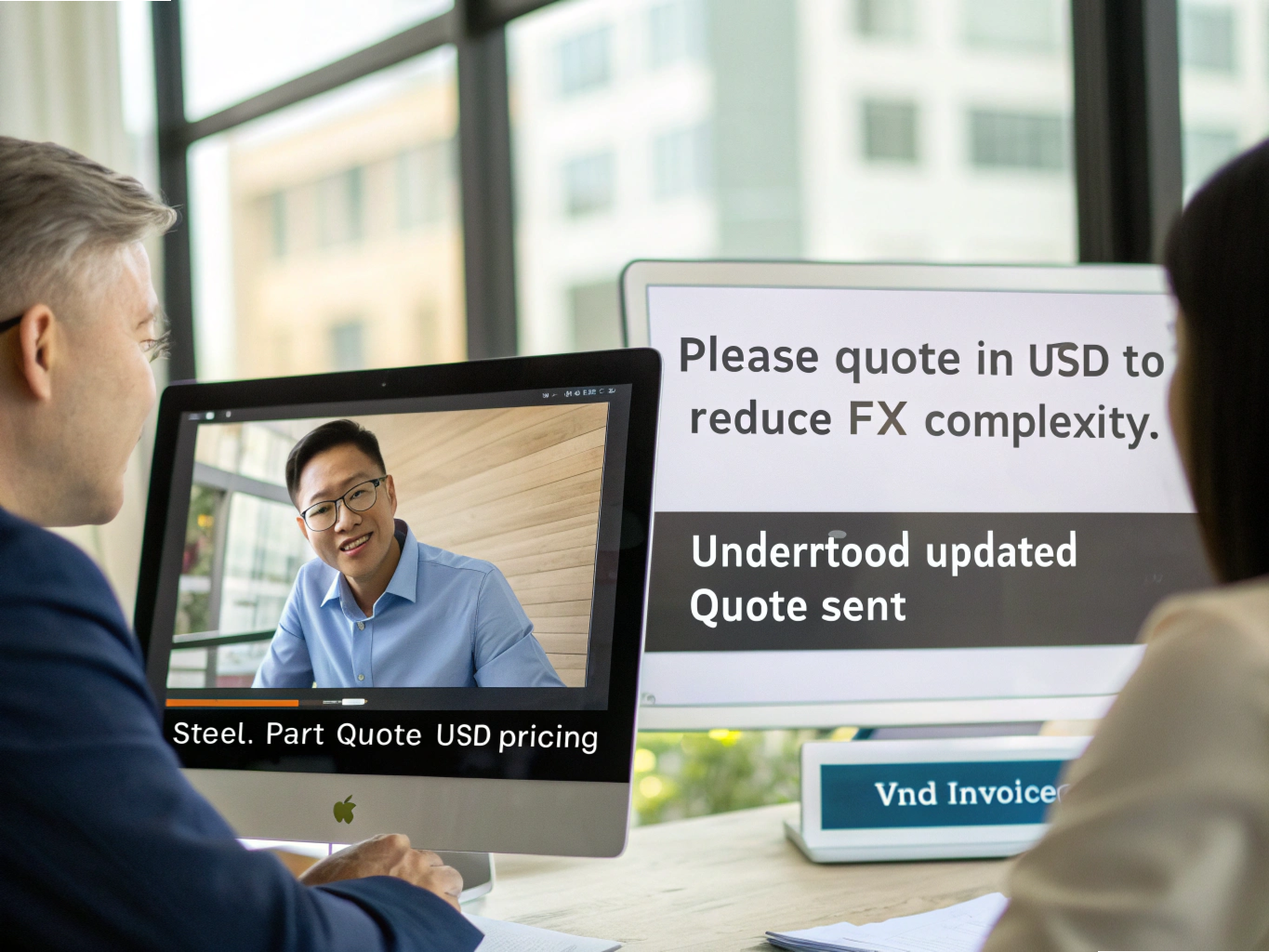
Стратегия выбора валюты
| Валюта счета | Кто несет валютный риск | Когда это имеет смысл |
|---|---|---|
| USD | Поставщик | Большинство мировых сделок с металлом |
| Национальная валюта | Поставщик | Стабильные экономики с сильными валютами |
| Валюта поставщика | Покупатель | Если у покупателя есть возможность хеджирования валютных рисков |
Как импортеры планируют платежи в условиях колебаний валютных курсов?
Иногда я задерживаю платеж на два дня — и получаю 2% на валюте. В другое время я предоплачиваю, чтобы избежать неблагоприятного движения.
Импортеры планируют сроки платежей, используя стратегии опережения/задержки, счета в иностранной валюте и управление коэффициентом хеджирования для минимизации убытков.5

Умные методы управления сроками платежей
- Опережающие платежи: Платите раньше, когда валюта выгодна
- Отложенные платежи: Откладывайте, когда ожидаете улучшения курса валюты
- Валютные счета: Держите балансы в USD, EUR или VND, чтобы выбрать время
- Частичные расчеты: Разделите крупные платежи, чтобы усреднить курсы
Что такое коэффициент хеджирования и почему он важен?
Коэффициент хеджирования уравновешивает защиту и гибкость. Я хеджирую 80% моих ожидаемых расходов и оставляю некоторую возможность для роста.
Коэффициент хеджирования — это доля общей подверженности риску, которую вы фиксируете, например, хеджирование 80% поставки на сумму \$100,000 с помощью форвардных контрактов.6
| Общая подверженность риску | Хеджированная сумма | Коэффициент хеджирования |
|---|---|---|
| \$100,000 | \$80,000 | 80% |
| \$200,000 | \$150,000 | 75% |
| \$50,000 | \$25,000 | 50% |
Заключение
Комбинируя фиксацию курсов (форварды, опционы), выставление счетов в USD, стратегическое управление сроками платежей и частичное хеджирование, импортеры могут значительно снизить валютные риски и защитить свою прибыль при импорте нестандартных стальных деталей.
Сноски
Исследование импортеров, использующих форвардные контракты, опционы и свопы для управления трансграничными валютными рисками. ↩
Руководство Банка Англии по инструментам хеджирования корпоративных рисков (форварды, опционы, свопы, оверлеи). ↩
HSBC объясняет форвардные контракты и снижение валютного риска. ↩
Статья Investopedia о выборе валюты выставления счетов и распределении валютного риска. ↩
Кейс-стади Института CFA о стратегиях опережающих/отстающих платежей в трансграничной торговле. ↩
Обзор FXStreet коэффициента хеджирования и его применения в импортном финансировании. ↩

 English
 Español de México
 Deutsch
 Français
 Русский