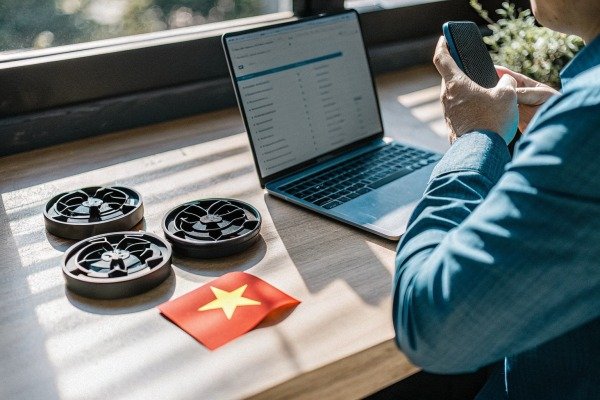
Каждую неделю наша команда во Вьетнаме получает звонки от американских покупателей с одним и тем же вопросом: “Сколько на самом деле будет стоить мне таможня?” Путаница реальна. Тарифные ставки резко изменились в 2025 году, и неправильные расчеты могут разрушить бюджет вашего проекта в одночасье.
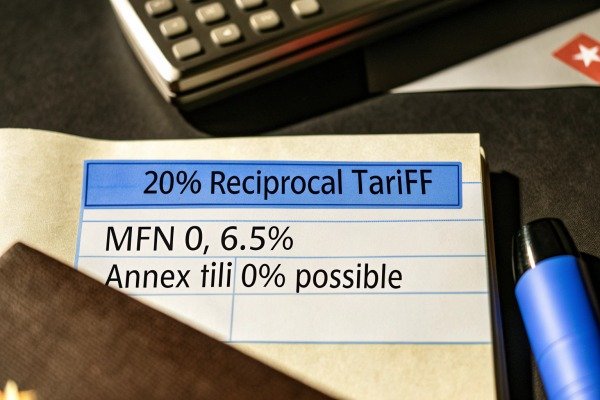
Импортеры из США пластиковых деталей для выдувного формования из Вьетнама сталкиваются с базовой реципрокной пошлиной в размере 20% плюс стандартные пошлины МНС в размере 0-6,5% согласно Главе 39 ТНВЭД. Между США и Вьетнамом не существует соглашения о свободной торговле, но Рамочное соглашение между США и Вьетнамом от октября 2025 года снизило ставки с угрожаемых 46% до текущих 20%, с потенциальной возможностью получения льгот в размере 0% для конкретных продуктов согласно Приложению III.
Ниже мы подробно рассмотрим точные пошлины, сравним Вьетнам с Китаем, объясним доступные торговые льготы и покажем, как найти правильный код HTS для вашего проекта.
Каковы текущие ставки импортной пошлины на мои детали из выдувного пластика из Вьетнама?
Когда мы рассчитываем стоимость проектов по выдувному формованию для клиентов из США, вопрос о тарифах возникает в первом же письме. 1. Ответ не прост. Многочисленные уровни пошлин накладываются друг на друга, и каждый уровень зависит от классификации вашего конкретного продукта.
Пластиковые детали, изготовленные методом выдувного формования во Вьетнаме, в настоящее время облагаются совокупным тарифом примерно в 20-26,5%. Это включает стандартную пошлину МСП в размере 0-6,5% по ТН ВЭД Главы 39, плюс обязательный взаимный тариф в размере 20%, установленный Рамочным соглашением США и Вьетнама от 2025 года. Антидемпинговые пошлины могут добавить 94-130% для определенных полипропиленовых изделий.
Понимание структуры тарифов
Общая стоимость доставки зависит от трех отдельных расчетов пошлин. Во-первых, вы платите ставку Наиболее благоприятствуемой нации (НБН). Во-вторых, вы добавляете ответную пошлину. В-третьих, вы должны проверить наличие антидемпинговых или компенсационных пошлин.
Ставка НБН является вашей базой. Для большинства пластиковых контейнеров и изделий, изготовленных методом выдувного формования, она составляет от 0% до 6.5%. Точная ставка зависит от вашей классификации HTS. Например, коробки и ящики по коду 3923.10 имеют другие ставки, чем нестандартные промышленные детали по коду 3926.90.
Ответная пошлина в размере 20% применяется почти ко всему из Вьетнама. Эта ставка была установлена исполнительным указом 14346 и последующей двусторонней рамочной программой. Она заменила угрожаемую ставку в 46%, которая сделала бы закупки во Вьетнаме нерентабельными.
Текущая таблица ставок пошлин для распространенных изделий выдувного формования
| Тип продукта | Код HTS | Ставка НБН | Ответная пошлина | Общая пошлина |
|---|---|---|---|---|
| Пластиковые контейнеры/коробки | 3923.10 | 3.0% | 20% | 23.0% |
| Нестандартные промышленные детали | 3926.90 | 5.3% | 20% | 25.3% |
| Бутылки и полые изделия | 3923.30 | 3.0% | 20% | 23.0% |
| Автомобильные пластиковые компоненты | 3926.30 | 6.5% | 20% | 26.5% |
| Корпуса медицинских устройств | 3926.90 | 5.3% | 20% | 25.3% |
Предупреждение о риске антидемпинга
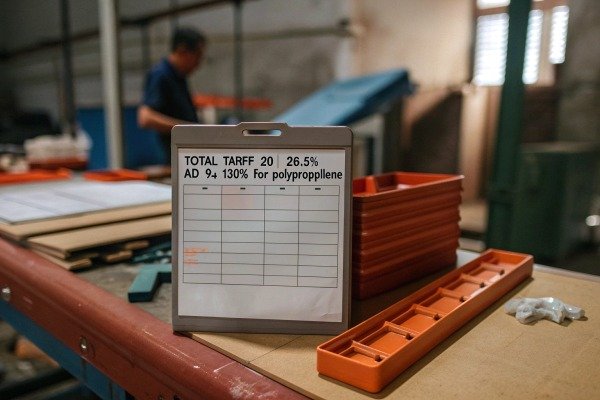
Наша команда по соблюдению нормативных требований отметила критическое предупреждение для импортеров из США. Гофрированные пластиковые ящики из полипропилена из Вьетнама теперь облагаются предварительными антидемпинговыми пошлинами 2 от 94,41% до 130,58%. Денежные депозиты требуются с января 2026 года.
Это сигнализирует об агрессивном правоприменении. Выдувные детали, изготовленные из аналогичных материалов, могут подвергнуться расследованию. Если ваш продукт представляет собой полый пластиковый контейнер, изготовленный методами экструзии и инфляции, внимательно следите за объявлениями USITC.
Самый безопасный подход — документировать методологию ценообразования вашего поставщика. Ведите записи, показывающие, что ваш вьетнамский производитель взимает справедливые рыночные цены. Это защитит вас, если к вам придут следователи.
Право на нулевую пошлину согласно Приложению III
Есть хорошие новости. Правительство США составляет список Приложения III в соответствии с Исполнительным указом 14346. Продукты из этого списка имеют право на 0% взаимную пошлину. Пластмассы могут быть включены после рассмотрения.
Мы рекомендуем подавать комментарии в USTR, если ваш конкретный продукт обслуживает критически важные отрасли промышленности США. Компоненты медицинских устройств, детали безопасности автомобилей и упаковка для американского сельскохозяйственного экспорта имеют веские основания для включения.
Как тарифы на импорт вьетнамского пластика соотносятся с пошлинами Раздела 301 на китайские товары?
Наш офис во Вьетнаме открылся в 2019 году. Причина была проста: Пошлины по Разделу 301 3 сделали закупки в Китае слишком дорогими для многих клиентов из США. Но как Вьетнам сравнивается сегодня? Расчеты изменились с 2025 года.
Вьетнамский пластик импортируется значительно дешевле китайских аналогов, несмотря на взаимные тарифы в 20%. Китай сталкивается с пошлинами по разделу 301 до 50% на термопласты плюс базовый тариф в 10-20%, что создает совокупную ставку, часто превышающую 60%. Максимальная общая пошлина Вьетнама в 26,5% обеспечивает экономию в 35-50% на сопоставимые продукты.
Сравнительная таблица затрат
Давайте рассмотрим реальный пример. Предположим, вам нужно изготовление на заказ выдувных контейнеров из ПНД на сумму 100 000 долларов США. Вот сколько вы заплатите в виде пошлин из каждой страны.
| Статья расходов | Вьетнам | Китай | Таиланд | Тайвань |
|---|---|---|---|---|
| Стоимость продукта | $100,000 | $100,000 | $100,000 | $100,000 |
| Пошлина МНС (3%) | $3,000 | $3,000 | $3,000 | $3,000 |
| Ответная пошлина | $20,000 | Н/Д | $19,000 | $20,000 |
| Пошлина Раздела 301 | Н/Д | $50,000 | Н/Д | Н/Д |
| Общая пошлина | $23,000 | $53,000 | $22,000 | $23,000 |
| Стоимость с учетом доставки | $123,000 | $153,000 | $122,000 | $123,000 |
Почему Вьетнам выигрывает по общей стоимости
Разница в пошлинах — лишь часть истории. Вьетнамские производители также выигрывают от более низкой стоимости рабочей силы по сравнению с Китаем и близости к источникам сырья. Многие фабрики импортируют смолы ПНД, ЛПНП и ПВХ напрямую от американских поставщиков. Это создает то, что наблюдатели отрасли называют "арбитражем смол в обмен на детали"."
Вот как это работает. Ваша американская компания экспортирует в Вьетнам смолы с высокими техническими характеристиками. Вьетнамская фабрика использует эти материалы для производства ваших деталей. Вы импортируете готовую продукцию. Пошлина в 20% применяется только к стоимости готовой детали, а не к стоимости смолы, которую вы уже оплатили.
Ловушка транзитной перегрузки
Существует один серьезный риск. Таможня США следит за китайскими товарами, выдаваемыми за вьетнамские продукты. Антиобходная пошлина в 40% применяется к выдувным деталям, транзитно перегруженным из Китая через Вьетнам.
Чтобы избежать этого штрафа, ваш продукт должен пройти "существенную трансформацию" во Вьетнаме. Это означает, что производственный процесс должен привести к явному изменению названия, характера или назначения продукта. Простая переупаковка или мелкая сборка не подходят.
Наша команда по качеству проверяет фабрики поставщиков специально на предмет этого риска. Мы проверяем, что сырье, оснастка и производственные процессы происходят во Вьетнаме. Документация — это все.
Риск расширения Раздела 301
Критики предупреждают, что Вьетнам может столкнуться с расследованиями по Разделу 301 в будущем. USTR уже расследовал Вьетнам на предмет манипулирования валютой и проблем с торговым профицитом. Если пошлины расширятся, преимущество в стоимости может сократиться.
Пока что Вьетнам остается явным победителем. Но умные импортеры хеджируют риски, квалифицируя резервных поставщиков в Таиланде (19% взаимно) или на Тайване (20% взаимно). Диверсификация защищает вашу цепочку поставок.
Имеет ли Вьетнам торговое соглашение с США, которое выгодно для поиска моих пластиковых деталей?
Когда мы объясняем торговые соглашения клиентам, мы начинаем с плохих новостей: между США и Вьетнамом нет всеобъемлющего соглашения о свободной торговле. Но это не значит, что у вас нет вариантов. Несколько рамок предоставляют реальные преимущества.
Во Вьетнаме отсутствует традиционное соглашение о свободной торговле с США, однако Рамочное соглашение между США и Вьетнамом от октября 2025 года предоставляет значительные преимущества, включая снижение взаимных тарифных ставок на 20%, потенциальную возможность получения статуса 0% в соответствии с Приложением III и сокращение нетарифных барьеров. Индо-Тихоокеанская экономическая инициатива (IPEF) также предлагает преимущества в плане устойчивости цепочек поставок.
Объяснение Рамочного соглашения 2025 года
Рамочное соглашение между США и Вьетнамом изменило все. До октября 2025 года Вьетнам столкнулся с угрозой взаимных тарифов в размере 461%. Двустороннее соглашение сократило это до 201% в обмен на снижение Вьетнамом барьеров для экспорта из США.
Ключевые преимущества для импортеров пластмасс включают:
- Тарифный потолок в размере 201% для большинства продуктов
- Обязательство определить продукты с тарифом 01% согласно Приложению III
- Вьетнам принимает американские стандарты транспортных средств и восстановленные товары
- Снижение нетарифных барьеров и задержек на таможне
Соглашение не является полным соглашением о свободной торговле. Оно не устраняет пошлины. Но оно обеспечивает предсказуемость и путь к дальнейшему сокращению.
Преимущества членства в IPEF
Вьетнам участвует в Индо-Тихоокеанской экономической базе 4. Это не традиционное торговое соглашение с сокращением тарифов. Вместо этого оно фокусируется на устойчивости цепочек поставок, стандартах чистой экономики и справедливых экономических практиках.
Для импортеров выдувного формования наиболее актуальным преимуществом является "Сеть реагирования на кризисы". Эта программа ускоряет поставки смол во время сбоев в глобальных цепочках поставок. Когда узкие места в доставке или стихийные бедствия нарушают поток материалов, члены IPEF получают приоритетный доступ.
CPTPP и EVFTA: косвенные преимущества
США вышли из КПППВ 5 до ратификации. Вы не можете напрямую извлечь выгоду из этого соглашения. Однако членство Вьетнама косвенно влияет на вашу цепочку поставок.
Вьетнамские производители пластмасс обслуживают несколько рынков в рамках различных торговых режимов. КПППВ и Соглашение о свободной торговле между ЕС и Вьетнамом 6 (EVFTA) побуждают вьетнамские фабрики соответствовать более высоким стандартам качества и экологическим стандартам. Эти улучшения также приносят пользу покупателям из США.
Будущие возможности соглашений
Отраслевые наблюдатели спекулируют о более тесных торговых связях между США и Вьетнамом. Рамочная программа 2025 года может превратиться в полномасштабное двустороннее соглашение о свободной торговле. Если это произойдет, на пластиковые детали в конечном итоге могут распространяться пошлины 0%.
Пока следите за объявлениями USTR относительно Приложения III. Продукты, связанные с сертификатами "зеленого формования", могут получить преференциальный режим. Вьетнамские фабрики, использующие сертифицированное переработанное сырье (rPET) или биополимеры, могут получить право первыми.
Как определить правильный код ТН ВЭД для расчета тарифов для моих проектов по изготовлению выдувных форм на заказ?
Наша инженерная команда просматривает чертежи клиентов перед тем, как мы рассчитываем тарифы. Код HTS определяет все. Неправильная классификация может привести к уплате тысяч дополнительных пошлин или инициированию проверок.
Чтобы определить правильный код ТН ВЭД для деталей, изготовленных методом выдувного формования, начните с главы 39 (Пластмассы) и сузьте выбор по назначению: 3923.10 для ящиков/футляров, 3923.30 для бутылок/контейнеров, 3926.90 для других изделий по индивидуальному заказу. Сложные узлы могут подпадать под действие главы 87 (Автомобильная промышленность) или главы 90 (Медицинское оборудование), если их основная функция является специализированной.

Пошаговый процесс классификации
Классификация следует логической иерархии. Начните с общего и сужайте, основываясь на характеристиках вашего продукта и его предполагаемом использовании.
Шаг 1: Определите, является ли ваш продукт в основном пластиковым. Детали, изготовленные методом выдувного формования, обычно подпадают под действие Главы 39.
Шаг 2: Определите тип продукта в рамках Главы 39. Основные заголовки для изделий, изготовленных методом выдувного формования, следующие:
- 3923: Емкости и тара для упаковки
- 3926: Прочие изделия из пластмасс
Шаг 3: Найдите конкретный подзаголовок. Именно здесь ставки пошлин расходятся.
Шаг 4: Проверьте исключения из классификации. Некоторые специализированные детали относятся к другим главам.
Таблица быстрого справочника кодов ТН ВЭД
| Описание продукта | Код HTS | Ставка НБН | Примечания |
|---|---|---|---|
| Ящики, коробки, контейнеры | 3923.10 | 3.0% | Наиболее распространены для выдувных емкостей |
| Бутыли, бутылки, колбы | 3923.30 | 3.0% | Полые емкости объемом до 300 литров |
| Детали отделки автомобилей | 3926.30 | 6.5% | Внутренние элементы и аксессуары |
| Детали машин (прочие) | 3926.90 | 5.3% | Общая категория для нестандартных промышленных деталей |
| Корпуса медицинских устройств | 9018.90 | 0% | Если основная функция — медицинская |
| Впускные системы автомобилей | 8708.99 | 2.5% | Если это неотъемлемая часть системы транспортного средства |
Возможности стратегической переклассификации
Вот что упускают многие импортеры. Сложные сборные детали, изготовленные методом выдувного формования, иногда могут обойти общий тариф на пластмассы в 20%. Ключ в том, является ли основная функция детали специализированной.
Рассмотрим корпус, изготовленный методом выдувного формования, для медицинского диагностического устройства. Если вы импортируете его как "пластмассовое изделие" по коду 3926.90, вы заплатите общую пошлину в размере 25%. Но если корпус разработан специально для медицинского использования и имеет интегрированные функции, он может подпадать под действие Главы 90 (Медицинские приборы). Медицинские приборы часто облагаются льготной пошлиной (MFN) в размере 0%.
Та же логика применима и к автомобильным компонентам. Впускной коллектор, изготовленный методом выдувного формования, может быть классифицирован по коду 8708.99 (детали моторных транспортных средств) с пошлиной MFN в размере 2,5% вместо 3926.90 с пошлиной 5%.
Получение официальных решений о классификации
Для дорогостоящих или регулярных поставок запросите обязательное решение 7 у Таможенно-пограничной службы США. Этот процесс занимает 30-60 дней, но обеспечивает уверенность.
Подайте форму CBP 19. Приложите подробные чертежи, спецификации материалов и описание того, как продукт будет использоваться. CBP выдаст письмо с решением, которое ваш брокер сможет использовать при ввозе.
Наша команда регулярно готовит пакеты документов для классификации для клиентов из США. Правильная документация предотвращает неожиданности и защищает вас во время проверок.
Заключение
Поиск деталей для выдувного формования пластмасс во Вьетнаме предлагает реальные преимущества в стоимости по сравнению с Китаем, но успех требует понимания взаимного тарифа в 20%, правильной классификации HTS и рисков антидемпинга. Работайте с опытными партнерами, которые знают как фабрики, так и нормативные акты.
Сноски
1. Официальный портал USITC для Гармонизированного тарифного расписания. ↩︎
2. Детали расследования USITC относительно антидемпинговых пошлин на вьетнамскую продукцию из полипропилена. ↩︎
3. Официальная страница USTR по расследованиям по Разделу 301 и тарифным действиям. ↩︎
4. Обзор Министерства торговли Индо-Тихоокеанской экономической структуры для процветания. ↩︎
5. Комплексный обзор торгового соглашения с участием Вьетнама и других тихоокеанских стран. ↩︎
6. Официальная страница Европейской комиссии по торговому соглашению между ЕС и Вьетнамом. ↩︎
7. Официальное руководство CBP по получению юридически обязательных решений о классификации тарифов. ↩︎

 English
 Español de México
 Deutsch
 Français
 Русский