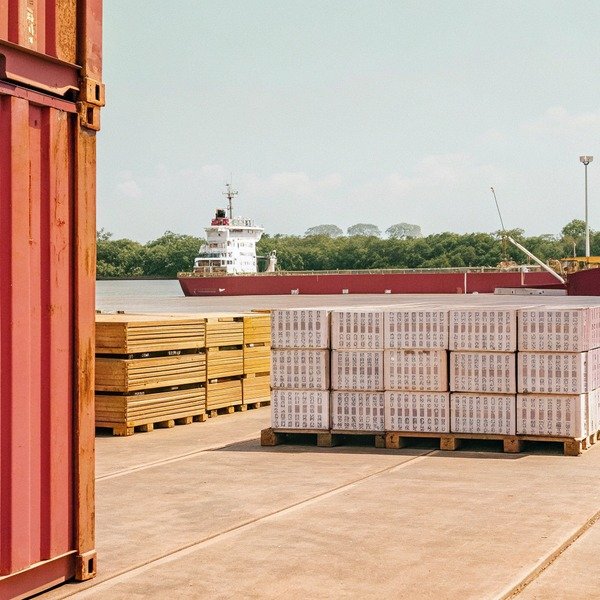
We often see high-precision aluminum frames sitting on the dock in Ho Chi Minh City Хошимин 1, waiting for a vessel assignment while our clients worry about their assembly deadlines in the United States. When we coordinate logistics for custom welding projects, we realize that the quality of the weld means nothing if the shipment arrives late or damaged due to poor shipping decisions. Many importers assume the Incoterm is just a billing detail Incoterm 2 Incoterm is just a billing detail 3, but choosing the wrong one can lead to surprise costs, loss of control, and damaged goods.
For most established importers sourcing from Vietnam, FOB (Free On Board) is the superior choice because it grants you control over freight costs, carrier selection, and shipping schedules. While CIF (Cost, Insurance, and Freight) may seem convenient for beginners, it often hides inflated freight markups and provides inadequate insurance coverage for sensitive custom parts.
Let’s analyze the financial and operational differences to help you decide which term fits your supply chain strategy. supply chain strategy 4
How do the costs of FOB and CIF differ for my imports from Vietnam?
When our finance team in Vietnam breaks down export quotations for custom aluminum structures aluminum structures 5, we notice significant variances depending on who handles the logistics. We know that every dollar added to the landed cost affects your final margin, especially when importing heavy metal components where freight is a large percentage of the total expense.
Under FOB terms, you pay the actual market rate for ocean freight and insurance, offering full cost transparency and the ability to negotiate volume discounts. In contrast, CIF prices include a hidden markup from the seller to cover their risk and administrative effort, often resulting in a total cost that is 15% to 25% higher than managing logistics yourself.

When you request a CIF quote, the supplier must estimate the freight cost in advance. Because shipping rates fluctuate, suppliers naturally build in a "safety buffer" to ensure they do not lose money if rates spike before the goods ship. Additionally, they often add an administrative fee for the time their team spends booking vessels and arranging insurance. This means you are paying a premium for convenience.
Conversely, with FOB, you pay the supplier only for the goods and the cost to get them to the Vietnamese port (like Cat Lai or Haiphong). You then contract directly with a freight forwarder. This transparency is crucial for high-volume items like our aluminum welding frames. Since these parts are voluminous, freight is a major cost driver. By negotiating directly with a forwarder, you can access current market rates rather than a padded estimate.
The Hidden "Kickback" in CIF Costs
A less discussed aspect of CIF is the relationship between the seller and their forwarder. In some cases, a seller might quote you a seemingly low CIF price to win the order. However, they may use a "budget" freight forwarder who charges very low ocean freight to the seller but recoups their profit by charging you—the buyer—exorbitant Destination Terminal Handling Charges (DTHC) upon arrival. You might think you saved money on the product price, only to be hit with a massive bill to release your container at the US port.
Cost Structure Comparison
To visualize this, consider a 40ft container of custom welding parts moving from Vietnam to Los Angeles.
| Cost Component | FOB (Free On Board) | CIF (Cost, Insurance, Freight) |
|---|---|---|
| Product Cost | Base Price | Base Price |
| Export Clearance | Included in Supplier Invoice | Included in Supplier Invoice |
| Ocean Freight | Paid by Buyer (Market Rate) | Paid by Seller (Often Inflated) |
| Marine Insurance | Paid by Buyer (Customizable) | Paid by Seller (Minimum Coverage) |
| Плата за доставку в пункт назначения | Standard/Contracted Rates | Risk of Inflated "Kickback" Fees |
| Total Landed Cost | Typically Lower | Typically Higher |
By controlling the freight component, you avoid the "black box" of supplier logistics pricing. For our clients importing regular containers of silver-colored aluminum frames, even a 5% saving on freight per container adds up to significant annual capital.
Which term gives me more control over shipping schedules and insurance?
We have successfully engineered complex geometric beam arrangements only to see them delayed because a client's chosen shipping term left them powerless. When we finish a production run of custom frames, we want them moving toward your facility immediately, but the Incoterm you select dictates who pulls the strings on that timeline.
FOB provides you with absolute control over the shipping schedule and the specific insurance policy, allowing you to choose faster vessels and comprehensive "all-risk" coverage. Under CIF, the seller selects the carrier based on the lowest cost rather than speed, and typically purchases only minimum insurance that may exclude common transit damages.
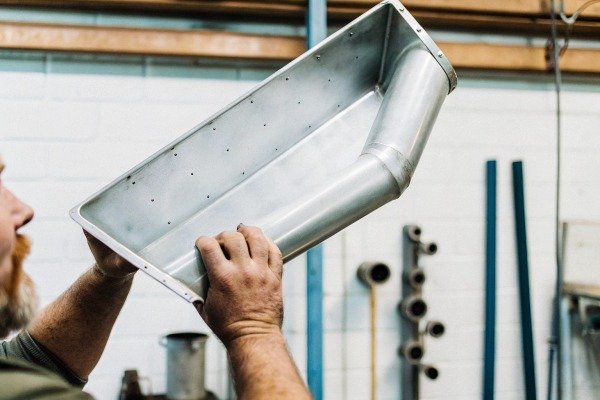
Control is the primary currency in international logistics. When you buy on CIF terms, the supplier chooses the freight forwarder and the shipping line. Their priority is almost always cost reduction, not your delivery deadline. They might select a vessel with multiple transshipment points (e.g., stopping in Singapore, then Busan) rather than a direct service to the US West Coast. This can add weeks to the transit time. If your aluminum frames are needed for a specific project installation date, this lack of control can be disastrous.
The Risk of "Minimum Cover" Insurance
Insurance is perhaps the most critical yet overlooked aspect. Under CIF Incoterms, the seller is legally obligated to provide insurance, but only the minimum cover required by the Institute Institute Cargo Clauses 6 Cargo Clauses (C). This basic coverage protects against catastrophic events like the vessel sinking or a fire on board. It does not typically cover:
- Rough handling during loading/unloading.
- Water damage from container leaks (a risk for silver aluminum finishes).
- Theft or pilferage.
- Dents or scratching caused by shifting cargo.
For our custom welding parts, which feature complex geometric arrangements and must remain aesthetically pristine, "Clause C" coverage is insufficient. If a forklift driver at the port punctures the container and bends the upright section of a frame, a standard CIF policy likely won't pay out.
Why Buyer-Controlled Insurance Matters
When you choose FOB, you arrange your own insurance. You can opt for "Institute Cargo Clauses (A)," which is an "all-risk" policy. This ensures that if your custom parts arrive with scratches, dents, or corrosion, you are covered. You also have a direct line to the insurance broker to file a claim, rather than waiting for a supplier in Vietnam to handle paperwork on your behalf.
| Характеристика | FOB (Buyer Controlled) | CIF (Seller Controlled) |
|---|---|---|
| Carrier Selection | You choose the fastest or most reliable line. | Seller chooses the cheapest line. |
| Transit Time | Predictable; you see the schedule. | Unpredictable; subject to indirect routing. |
| Insurance Type | You select "All-Risk" (Clause A). | Seller selects "Minimum Cover" (Clause C). |
| Claim Process | You deal directly with your local insurer. | You rely on the seller to mediate with foreign insurer. |
What are the common pitfalls I should avoid when using CIF terms?
We once assisted a client who faced a nightmare scenario where their goods were held hostage at the port due to documentation errors initiated by a CIF seller. Our team in Vietnam works hard to ensure export compliance, but when the logistics control is handed over to a third party selected solely on price, communication breakdowns are frequent and costly.
The most dangerous pitfalls of CIF terms include the "destination handling charge trap," where local fees are inflated to subsidize cheap ocean freight, and the lack of visibility into shipment status. Additionally, importers often face difficulty filing insurance claims because the policy is held by a foreign entity that has no incentive to prioritize your reimbursement.
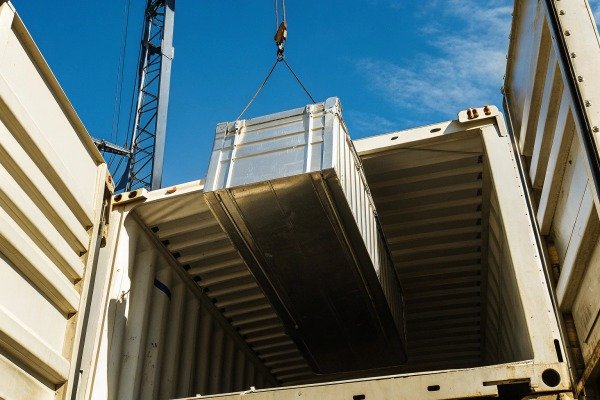
The "Destination Handling Charge (DTHC) Trap" is prevalent in imports from Asia. Here is how it works: A freight forwarder in Vietnam offers the seller an incredibly low rate—sometimes even $0—to ship the container to the US. The seller is happy because they save money on the CIF price. However, the forwarder's partner agent in the US bills you, the buyer, hundreds or thousands of dollars in "document fees," "handover fees," and "terminal handling charges" before they will release the Delivery Order. You are effectively forced to pay the freight cost you thought was included, plus a premium.
Documentation and Ownership Issues
Another pitfall involves the Bill of Lading (BL). Bill of Lading 7 Under CIF, the seller controls the BL until they release it to you. If there is a dispute regarding product quality or payment, the seller can hold the BL hostage, preventing you from clearing customs. Even if the dispute is minor, your goods sit at the port, accruing demurrage charges demurrage charges 8 (rent for the container) that can exceed the value of the goods themselves.
Communication Black Holes
When you use FOB, you (or your local forwarder) are the customer of the shipping line. You get automated tracking updates, and if there is a delay, the carrier notifies you directly. Under CIF, you are not the direct customer. If the vessel is delayed due to a typhoon in the South China Sea South China Sea 9, the carrier notifies the seller in Vietnam. If the seller’s staff is busy or forgets to forward the email, you might not know your shipment is late until the day it was supposed to arrive.
Summary of CIF Pitfalls
- Inflated Arrival Fees: Unexpected costs at the destination port.
- Claim Complexity: Fighting for insurance payouts with a company in Vietnam that doesn't speak your language.
- Demurrage Risks: Delays in document transfer lead to storage fees.
- Inflexible Routing: Cannot divert cargo if business needs change.
Is FOB the safer choice for ensuring on-time delivery of my custom parts?
We understand that for our US clients, a missing part means a stopped assembly line, which is why we emphasize logistics strategies that minimize disruption. When we manufacture large batches of rectangular aluminum tubing structures, the physical production is only half the battle; getting them to your dock on the exact day you need them requires proactive management.
FOB is significantly safer for on-time delivery because it allows you to consolidate shipments from multiple suppliers, switch to air freight during emergencies, and maintain direct communication with the logistics provider. This flexibility is essential for mitigating delays caused by production hiccups or global shipping disruptions.

Flexibility is the ultimate safety net. In the world of custom manufacturing, production delays can happen. Maybe the raw aluminum tubing arrived late to our factory, or a complex weld required rework. If you are using CIF, the seller has already booked a specific slow boat. Changing that booking is administratively difficult for them.
The "Emergency Pivot" to Air Freight
Under FOB, you have a direct relationship with the forwarder. If we inform you that production is running three days late, you can immediately instruct your forwarder to switch the shipment from ocean freight to air freight (or a faster ocean service like Matson). You make this decision instantly based on your budget and deadline. Under CIF, negotiating this switch with the supplier and their budget forwarder takes time you don't have.
Vendor Consolidation
Many of our clients source welding parts from us, but perhaps they also buy fasteners or electronic controllers from other suppliers in Vietnam. FOB allows you to perform "Buyer’s Consolidation." Buyer’s Consolidation 10 Your forwarder can collect the aluminum frames from our factory and the electronics from another vendor, packing them into a single container.
- Cost Savings: You pay for one container instead of two LCL (Less than Container Load) shipments.
- Security: Less handling means less risk of damage to the silver aluminum finish.
- Simplicity: One customs entry, one delivery to your warehouse.
Operational Safety Checklist
When you control the freight (FOB), you can enforce specific operational requirements that protect your goods:
- Container Quality: You can demand your forwarder only accept food-grade or high-quality containers to prevent moisture damage or odors affecting the aluminum.
- Loading Supervision: You can instruct the forwarder to take photos of the loading process to verify the complex geometric beams are braced correctly.
- Route Optimization: You can avoid transshipment hubs that are currently congested.
| Logistics Scenario | FOB Response Capability | CIF Response Capability |
|---|---|---|
| Production Delay | High: Switch to faster vessel or air freight instantly. | Low: Stuck with seller's original booking. |
| Port Strike | High: Re-route to alternative port (e.g., LA to Oakland). | Low: Rely on seller's forwarder decision. |
| Multiple Suppliers | High: Consolidate into one container. | None: Multiple separate shipments arrive. |
Заключение
Choosing between FOB and CIF is not just about who pays the freight; it is about who controls the outcome of your supply chain. For importing custom welding parts from Vietnam, FOB is the strategic choice. It provides transparency on costs, ensures you have adequate insurance for delicate aluminum structures, and gives you the agility to react to delays. While CIF offers a hands-off experience for first-time buyers, the risks of hidden costs and lack of control make it unsuitable for serious B2B importers. By taking control of your logistics, you ensure that the quality we build into every frame is matched by the quality of its delivery.
Сноски
1. Official government portal for port regulations and export procedures in Vietnam. ↩︎
2. Official definition by the International Chamber of Commerce. ↩︎
3. Provides a foundational definition of international commercial terms for global trade. ↩︎
4. Academic research on optimizing supply chain strategies and international logistics management. ↩︎
5. International standards for aluminum alloys used in structural and industrial applications. ↩︎
6. The global body that defines standard cargo insurance clauses and Incoterms rules. ↩︎
7. Explanation of the legal and logistical role of the Bill of Lading. ↩︎
8. Official US government regulations on detention and demurrage. ↩︎
9. News coverage of regional environmental and political factors affecting shipping routes. ↩︎
10. Explanation of consolidation services by a major logistics leader. ↩︎

 English
 Español de México
 Deutsch
 Français
 Русский
 العربية