
Когда мы впервые расширили наши производственные линии во Вьетнаме, чтобы помочь американским клиентам обойти тарифы, мы быстро поняли, что ведение переговоров по оснастке здесь значительно отличается от Китая. обойти тарифы 1 Структура затрат и склонность к риску уникальны.
Чтобы договориться о совместном несении расходов на пресс-формы во Вьетнаме, предложите график амортизации, по которому плата за оснастку будет возвращена после достижения определенных целевых показателей объема. Четко определите права собственности в вашем контракте, чтобы предотвратить споры по интеллектуальной собственности, и используйте долгосрочные соглашения о закупках, чтобы убедить поставщиков взять на себя часть первоначальных расходов.
Вот как мы ведем эти переговоры, чтобы обеспечить справедливые условия и защитить инвестиции наших клиентов.
Могу ли я запросить возврат платы за оснастку, когда количество моего заказа достигнет определенного целевого показателя?
Многие клиенты спрашивают нас, могут ли они вернуть свои первоначальные инвестиции в размере 30 000 долларов США. Ответ обычно положительный, при условии, что мы четко структурируем обязательства по объему до того, как будет разрезано какое-либо железо.
Да, большинство вьетнамских поставщиков согласятся вернуть плату за оснастку после того, как совокупное количество вашего заказа достигнет определенного целевого показателя. Вы должны договориться о многоуровневом графике возврата — обычно выдаваемом в виде кредитных нот против будущих производственных партий — и явно включить эти условия в первоначальное производственное соглашение.
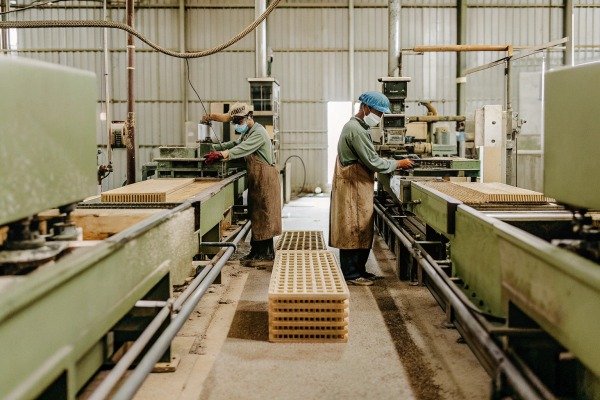
Запрос на возврат на основе объема является стандартной практикой в индустрии литья под давлением и литья под давлением, но механика во Вьетнаме требует точного определения. литье под давлением 2 В отличие от Китая, где цепочки поставок гипер-интегрированы, вьетнамские фабрики часто импортируют высококачественную инструментальную сталь (например, P20 или H13) из-за рубежа. P20 или H13 3. P20 или H13 4 Это означает, что их первоначальные денежные затраты выше, что делает их более неохотными предлагать возврат средств, если объем не гарантирован.
Структурирование модели возврата
При ведении переговоров от имени наших клиентов мы избегаем расплывчатых обещаний. Мы внедряем модель "Амортизационный возврат". Это означает, что вы оплачиваете полную стоимость пресс-формы авансом, чтобы снизить риск поставщика, но получаете обратно определенную сумму в долларах за каждую проданную единицу, пока пресс-форма не будет полностью оплачена.
Например, если стоимость пресс-формы составляет 20 000 долларов США, а цена детали — 5,00 долларов США, мы можем договориться о возврате 0,50 доллара США за деталь. После 40 000 единиц пресс-форма фактически становится бесплатной. Это работает лучше, чем единовременный возврат, поскольку помогает поставщику с денежным потоком.
Реалистичные объемы производства
Вам нужно знать цифры. Завод в Хайфоне или Донгнай будет тщательно рассчитывать свою прибыль. Хайфон или Донгнай 5 Если вы потребуете возврат слишком рано, они просто завысят цену за единицу, чтобы покрыть разницу. Мы используем следующие ориентиры при постановке целей:
| Статус целевого объема | Типичный порог возврата (единицы) | Структура возврата | Готовность поставщика |
|---|---|---|---|
| Low Volume | 5 000 – 10 000 | Без возврата или небольшая скидка на следующую пресс-форму. | Низкие |
| Средний объем | 25 000 – 50 000 | 50% возврат зачисляется в течение следующих 10 тысяч единиц. | Средний |
| High Volume | 100,000+ | 100% возврат зачисляется непрерывно за единицу. | Высокие |
Механизм "Кредит-нота"
Никогда не ожидайте возврата денежных средств на ваш банковский счет. По нашему опыту, вьетнамские системы бухгалтерского учета и контроль иностранной валюты затрудняют исходящие денежные переводы. контроль иностранной валюты 6 Всегда указывайте, что возврат будет оформлен в виде Кредит-ноты (CN).
Это связывает вас с поставщиком, что им нравится, и гарантирует, что вы получите свои деньги обратно в виде бесплатных продуктов. Для проекта по изготовлению серебряной алюминиевой рамы, которым мы недавно занимались, мы структурировали сделку, в результате которой последние 10% производственной партии были фактически бесплатными благодаря накопленным кредитам на оснастку.
Как мне защитить свои права собственности на пресс-форму, если поставщик вносит свой вклад в ее стоимость?
Мы сталкивались с кошмарами, когда поставщик удерживал оснастку, потому что он “заплатил за половину”. Совместное несение расходов создает неопределенность, поэтому четкие контракты жизненно важны для предотвращения остановок производства.
Защитите свои права, включив в договор пункт “Право на изъятие”, который применяется независимо от процента разделения затрат. Четко укажите, что оснастка остается вашей исключительной собственностью, и определите “выкупную плату” за долю поставщика, если вам потребуется переместить инструмент в другое место.
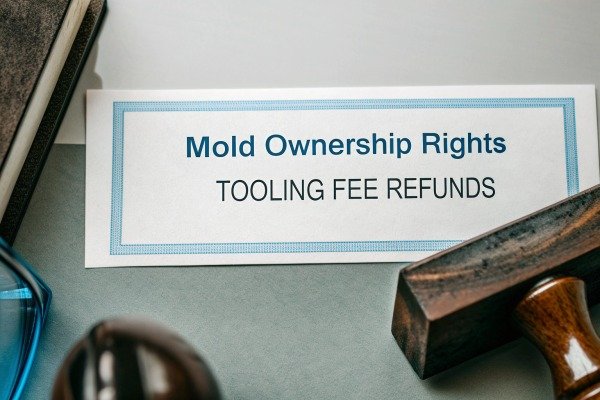
Когда поставщик вносит вклад в стоимость оснастки, он часто рассматривает это как покупку "доли" в вашем бизнесе. Они делают это, чтобы зафиксировать вас. Если вы решите сменить поставщика из-за проблем с качеством, он может отказаться выдать оснастку, утверждая, что владеет ее частью. Это критический риск во Вьетнаме, где правовая база для защиты интеллектуальной собственности может быть медленнее, чем в западных юрисдикциях. защита интеллектуальной собственности 7
Пункт о "штрафе за переносимость"
Чтобы смягчить это, мы составляем то, что мы называем Соглашение о передаче оснастки. Этот документ отделяет финансовое соглашение от физического владения. Даже если поставщик покрывает 50% затрат, договор должен предусматривать, что юридический титул принадлежит покупателю.
Однако, справедливость есть справедливость. Если вы переместите оснастку до того, как поставщик окупит свои инвестиции за счет прибыли от производства, вы должны ему вернуть деньги. Мы включаем пункт о "штрафе за переносимость" или "неамортизированном остатке".
Определение неамортизированного остатка
Если вы переместите оснастку после производства всего 5 000 единиц из контракта на 50 000 единиц, вы должны поставщику оставшуюся амортизацию.
- Формула:
(Общий объем - Текущий объем) * Коэффициент амортизации = Плата за выход
Этот прозрачный расчет предотвращает споры. Поставщик знает, что получит оплату либо за производство деталей, либо в виде платы за выход, что устраняет его стимул удерживать пресс-форму.
Важные пункты договора для совместных пресс-форм
Мы настаиваем на включении этих конкретных пунктов в каждый управляемый нами проект с совместным финансированием:
| Название пункта | Назначение | Критичность |
|---|---|---|
| Эксклюзивное использование | Запрещает поставщику использовать вашу пресс-форму для других клиентов или для собственных продуктов. | Высокие |
| Журнал технического обслуживания | Требует от поставщика документировать циклы технического обслуживания (смазка, чистка), чтобы доказать, что они защищают актив. | Средний |
| Прозрачность местоположения | Пресс-форма не может покидать указанную производственную площадку (например, передаваться субподрядчику) без письменного разрешения. | Высокие |
| Фотоподтверждение | Поставщик должен еженедельно предоставлять фотографии состояния пресс-формы в периоды хранения. | Средний |
Физическая маркировка актива
Не полагайтесь только на документы. Когда наша команда посещает заводы во Вьетнаме, мы физически маркируем пресс-формы. Мы требуем, чтобы название компании клиента и номер актива были выгравированы на стальном блоке (а не просто нанесены краской). Это значительно затрудняет для поставщика возможность заявить, что пресс-форма принадлежит ему, или использовать ее для конкурента без обнаружения.
Согласятся ли вьетнамские поставщики амортизировать стоимость пресс-формы в цене за единицу продукции?
Cash flow is tight for many of our US clients, so we often push for unit-price amortization to lower upfront CapEx. However, this requires building strong trust and financial transparency first.
Suppliers generally agree to amortization only if you demonstrate financial stability and commit to high Minimum Order Quantities (MOQs). They will likely add a risk premium or interest percentage to the unit price, making the total long-term cost higher than paying upfront.
Amortization is essentially a loan. The factory is lending you the money to build the tool. In Vietnam, interest rates for business loans can be high interest rates for business loans 8 (often 7-10% or more), and factories run on lean cash flows. Therefore, if you ask them to finance a $50,000 mold, they are taking on significant financial pressure.
The Economics of Amortization
Suppliers will only do this if the risk is low. They look for established companies with a history of consistent orders. If you are a startup, this request is often rejected immediately.
When they do agree, expect the unit price to rise not just by the math of Mold Cost / Quantity, but by an additional buffer. We call this the "financing premium."
Cost Analysis: Upfront vs. Amortized
Let’s look at a real-world scenario for a complex aluminum housing part we sourced. aluminum housing 9 The mold cost was $25,000. The target volume was 50,000 units.
- Option A: Upfront Payment. You pay $25,000. Unit price is $4.00.
- Вариант B: Амортизированный. Вы платите $0 авансом. Цена за единицу становится $4.60.
| Компонент затрат | Вариант A (Аванс) | Вариант B (Амортизированный) |
|---|---|---|
| Оплата оснастки | $25,000 | $0 |
| Цена за единицу | $4.00 | $4.60 |
| Общая стоимость при 50 тыс. единиц | $225,000 | $230,000 |
| Разница | Базовый уровень | +$5,000 (Неявные проценты) |
В этом случае клиент заплатил на $5,000 больше за весь срок проекта за привилегию сохранения ликвидности денежных средств. Для многих предприятий эта 20% надбавка к стоимости пресс-формы того стоит, но вы должны об этом знать.
Компромисс "Частичная амортизация"
Стратегия, которую мы считаем очень эффективной во Вьетнаме, — это разделение 50/50. Вы платите 50% стоимости пресс-формы авансом для покрытия стоимости сырья (сталь/алюминий), а поставщик амортизирует оставшиеся 50% (свою работу и прибыль) в цене за единицу.
Это работает, потому что поставщику не нужно тратить наличные из своего кармана на материалы. Он просто откладывает свою прибыль. Это устраняет главное препятствие для амортизации — наличные расходы на импортную инструментальную сталь.
Поставщики часто колеблются брать на себя риски при запуске новых продуктов. Мы убеждаем их, показывая прогнозные данные и предлагая авансом оплатить дорогостоящую импортную инструментальную сталь.
Вашим самым сильным рычагом является надежный прогноз объемов, подкрепленный долгосрочным соглашением о поставках. Предложение модели “Разделение рисков”, при которой вы оплачиваете сырье, а поставщик вносит свой вклад в виде стоимости механической обработки, создает убедительное партнерство, которое объединяет обе стороны для успешного массового производства.
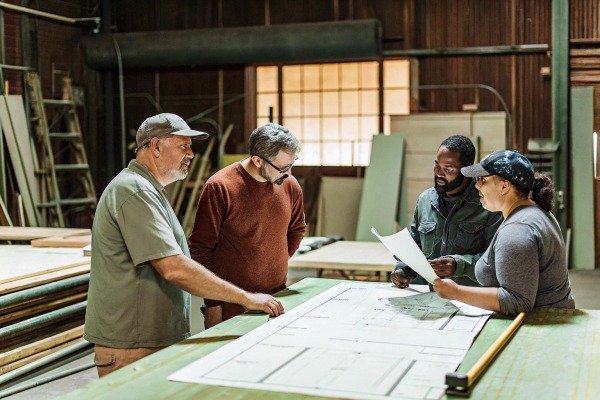
Рычаги воздействия в переговорах — это не только требование более низкой цены; это решение проблем поставщика, чтобы он мог решить ваши. На текущем вьетнамском рынке фабрики стремятся перехватить бизнес, уходящий из Китая, но они опасаются заказов "один раз и навсегда".
Рычаг объемов
Если вы можете доказать, что эта пресс-форма является ключом к трехлетнему потоку доходов, у вас есть сила. Мы часто представляем Скользящий прогноз вместо одного заказа на покупку.
- Стандартный подход: "Оцените мне 5000 единиц."
- Использованный подход: "Вот наш 2-летний прогноз, показывающий 100 000 единиц. Мы подпишем рамочное соглашение на первый год. Исходя из этого, нам нужно, чтобы вы покрыли 30% стоимости оснастки."
Разделение "Материалы против Труда"
Как упоминалось ранее, стоимость материалов во Вьетнаме часто выше, чем в Китае, поскольку большая их часть импортируется. Однако труд значительно дешевле.
Используйте это в своих интересах. Структурируйте сделку так, чтобы вы платили за Прямые затраты (Сталь, горячеканальные системы Горячеканальные системы 10 Системы, основания пресс-форм) и попросите поставщика инвестировать свои Косвенные затраты (Часы проектирования, время обработки на станках с ЧПУ, сборка).
- Почему это работает: Поставщик не тратит наличные; он использует свою существующую рабочую силу и машины, которые в противном случае могли бы простаивать. Это стоит ему "времени", а не "денег"."
- Почему это вам поможет: Это сокращает ваши денежные расходы и подтверждает, что поставщик достаточно верит в ваш проект, чтобы инвестировать свое время.
Использование зоны экспортной обработки (EPZ)
Если ваш поставщик находится в зоне экспортной обработки (EPZ) (например, некоторые из наших партнеров в Хошимине или Дананге), он получает освобождение от налогов на импортные материалы, используемые для экспортной продукции.
Вы можете использовать это как пункт для переговоров. "Поскольку вы не платите импортные пошлины на сталь для пресс-форм, так как мы экспортируем 100% продукции в США, ваши расходы на 15% ниже. Мы ожидаем, что эта экономия отразится на более низкой стоимости пресс-формы с нашей стороны"."
Обещание "Вторая пресс-форма"
Еще одна тактика — пункт "Вторая пресс-форма". Вы платите полную цену за первую пресс-форму (прототип или пилотную пресс-форму), но в контракте указано, что если объем достигнет X, поставщик изготовит вторую производственную пресс-форму с высокой полостью со скидкой 50%. Это снижает риски для всех. Вы доказываете, что продукт продается; они доказывают, что могут его производить. Затем вы масштабируетесь вместе.
Заключение
Переговоры о стоимости пресс-форм во Вьетнаме требуют баланса между агрессивным снижением затрат и построением долгосрочных партнерских отношений. Используя амортизационные кредиты, четко определяя право собственности в контрактах и прогнозируя объемы производства, мы заключаем устойчивые сделки, которые защищают финансовые результаты наших клиентов.
Сноски
1. Официальная страница Торгового представителя США, касающаяся торговых отношений с Вьетнамом. ↩︎
2. Общая информация о упомянутом производственном процессе. ↩︎
3. Авторитетная база данных по свойствам и стандартам инструментальной стали. ↩︎
4. Стандарт ASTM для легированных инструментальных сталей, включая марки P20 и H13. ↩︎
5. Справочная информация об одной из крупнейших промышленных и производственных провинций Вьетнама. ↩︎
6. Официальное руководство Государственного банка Вьетнама по валютному регулированию. ↩︎
7. Академические исследования прав интеллектуальной собственности и их защиты во Вьетнаме. ↩︎
8. Официальные данные Всемирного банка, подтверждающие процентные ставки по кредитам во Вьетнаме. ↩︎
9. Технические характеристики алюминиевых сплавов, используемых в промышленных корпусах. ↩︎
10. Ведущий мировой производитель и поставщик технологий для горячеканальных систем. ↩︎

 English
 Español de México
 Deutsch
 Français
 Русский