Мы на собственном опыте видим разрушительное воздействие мошенничества с платежами на цепочки поставок цепочки поставок 1 через нашу местную деятельность во Вьетнаме. При поиске нестандартных алюминиевых рам или прецизионных деталей потеря средств из-за мошенничества не только бьет по вашему бюджету, но и останавливает наши производственные линии и задерживает запуск вашего критически важного проекта.
Чтобы защититься от финансового мошенничества при переводе средств во Вьетнам, проверьте личность получателя через официальные каналы и убедитесь, что банковские реквизиты соответствуют регистрационным данным компании. Всегда используйте безопасные банковские методы вместо неформальных приложений, включите двухфакторную аутентификацию и будьте бдительны в отношении внезапных запросов на изменение платежной информации по электронной почте.
Вот конкретные протоколы, которые мы применяем для обеспечения безопасности транзакций и гарантии того, что ваши средства действительно дойдут до производственной площадки.
Как я могу проверить, что банковский счет действительно принадлежит вьетнамскому поставщику?
За годы управления закупками в Азии мы сталкивались с поставщиками, которые пытались перенаправить платежи на личные счета, чтобы избежать налогов. Мы знаем, что проверка бенефициара по официальным государственным записям — единственный способ официальные государственные записи 2 убедиться, что мы платим законному лицу.
Проверьте право собственности, запросив Свидетельство о регистрации предприятия (ERC) поставщика и убедившись, что имя бенефициара в банковском счете точно совпадает с зарегистрированным названием компании. Кроме того, запросите официальное банковское письмо-подтверждение с печатью их вьетнамского банка для проверки банковских реквизитов перед инициированием любого банковского перевода.

Проверка поставщика во Вьетнаме требует работы с определенным набором документов и местными нормативными актами. Когда мы открывали наш собственный офис во Вьетнаме, нам пришлось предоставить обширную документацию для открытия корпоративных счетов. Вы должны ожидать такого же уровня прозрачности от своих партнеров.
Роль Свидетельства о регистрации предприятия (ERC)
Во Вьетнаме каждое законное предприятие должно иметь Свидетельство о регистрации предприятия (ERC). Этот документ содержит полное юридическое название компании, налоговый идентификационный номер и зарегистрированный адрес. налоговый идентификационный номер 3 Перед отправкой депозита за ваши индивидуальные металлические каркасные конструкции запросите скан этого документа.
Вы должны сравнить имя бенефициара в счете-фактуре точно с именем в ERC. Во Вьетнаме распространенным тревожным сигналом является небольшое изменение имени, например, "Co., Ltd" вместо "Private Enterprise". Название банковского счета должно совпадать с названием ERC символ в символ. Если поставщик просит вас оплатить "личный счет директора" или "дочерней компании", не указанной в договоре, немедленно прекратите. Это серьезный риск несоответствия и признак возможного мошенничества.
Инструменты независимой проверки
Не полагайтесь исключительно на документы, отправленные поставщиком, так как PDF-файлы можно редактировать. Мы используем государственные базы данных для перекрестной проверки информации. Вы можете проверить статус вьетнамской компании, используя ее налоговый код на официальном Национальном портале регистрации бизнеса Национальный портал регистрации бизнеса 4. Если статус компании "заблокирован", "банкрот" или "неактивен", не переводите средства.
Необходимые документы для проверки
Для обеспечения надежного процесса проверки запросите следующие документы перед первой транзакцией:
| Название документа | Назначение | Что проверить |
|---|---|---|
| Свидетельство о регистрации предприятия (ERC) | Подтверждение законного существования | Убедитесь, что название компании точно совпадает с названием банковского счета. |
| Свидетельство о налоговой регистрации | Подтверждение налоговой отчетности | Проверьте, активен ли налоговый идентификационный номер на государственном портале. |
| Письмо-подтверждение банковского счета | Банковская проверка | Ищите официальную банковскую печать и подпись, подтверждающие владение счетом. |
| Образец "Красного счета-фактуры" | Возможность выставления счета-фактуры НДС | Проверяет, что они могут выставлять законные финансовые счета-фактуры во Вьетнаме. |
Придерживаясь этих шагов, вы гарантируете, что ваш платеж будет направлен зарегистрированному корпоративному лицу, способному производить ваши детали на заказ, а не подставной компании или индивидуальному мошеннику.
На какие тревожные сигналы следует обращать внимание в счетах-фактурах, чтобы выявить потенциальные платежные мошенничества?
Наша команда инженеров уделяет пристальное внимание деталям в технических чертежах, а наша финансовая команда применяет такую же тщательность к входящим счетам-фактурам. Мы видели сложные поддельные счета-фактуры, которые выглядят почти идентично законным, предназначенные для обмана покупателей во время спешки проекта.
Тщательно проверяйте счета-фактуры на наличие общих доменных имен электронной почты, таких как Gmail, орфографических ошибок или плохого форматирования, отличающегося от предыдущей переписки. Остерегайтесь языка, основанного на срочности, требующего немедленной оплаты, неожиданных изменений в банках-бенефициарах или счетов-фактур, не имеющих официальной вьетнамской красной печати и действительных налоговых идентификационных номеров.
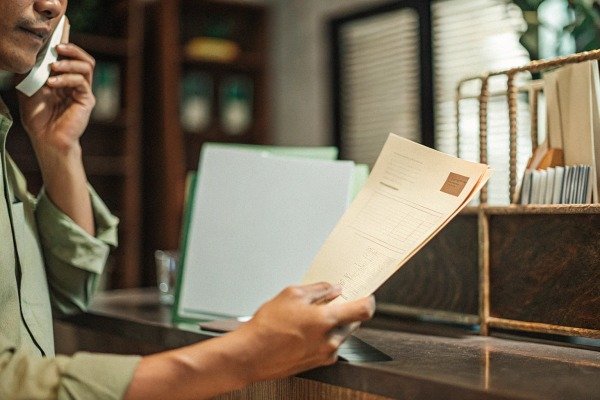
Обнаружение мошеннического счета-фактуры часто сводится к выявлению тонких несоответствий. Когда мы экспортируем детали на заказ в США, наши счета-фактуры следуют строгому шаблону. Мошенники, однако, часто допускают мелкие ошибки при воспроизведении этих документов.
Визуальные несоответствия и несоответствия форматирования
Законные предприятия используют профессиональное бухгалтерское программное обеспечение. Если вы получите счет-фактуру на партию алюминиевых трубок, который выглядит так, будто он был спешно сделан в Microsoft Word или Excel, будьте осторожны. Ищите размытые логотипы, смешанные шрифты или смещение столбцов. Это может указывать на то, что мошенник взял подлинный счет-фактуру и в цифровом виде изменил платежные реквизиты.
Еще одним критическим визуальным признаком во Вьетнаме является "Красный счет-фактура" (Hóa đơn đỏ). Хотя электронные счета-фактуры теперь являются стандартом, в B2B-сделках часто по-прежнему используются документы с официальной круглой красной печатью компании. Если на счете-фактуре отсутствует цифровая подпись или официальная печать, или если печать выглядит пикселизированной (что предполагает, что она была скопирована и вставлена), проведите дальнейшее расследование.
Ловушка срочности
Социальная инженерия является ключевым компонентом мошенничества со счетами-фактурами Социальная инженерия 5. Мошенники знают, что задержки производства являются болевой точкой для менеджеров по закупкам. Они часто добавляют формулировки, призванные вызвать панику, такие как "Немедленная оплата требуется для обеспечения сырья" или "Оплатите в течение 24 часов, чтобы избежать задержек доставки"."
В DEWIN мы понимаем, что B2B-торговля осуществляется на основе согласованных условий. Законные поставщики редко требуют немедленных изменений платежа под угрозой отмены. Если тон письма кажется необычно агрессивным или срочным по сравнению с вашим обычным общением с поставщиком, это является серьезным тревожным сигналом.
Распространенные тревожные сигналы в счетах-фактурах
Используйте этот контрольный список для проверки каждого счета-фактуры перед утверждением оплаты:
| Красный флаг | Объяснение | Требуется действие |
|---|---|---|
| Несоответствие доменов | Электронное письмо отправлено с @company-vn.com вместо обычного @company.com. | Не отвечайте. Свяжитесь с вашим контактом по известному номеру телефона. |
| Общие адреса электронной почты | Счет отправлен с бесплатного домена, такого как @gmail.com или @yahoo.com. | Отклоните счет. Легитимные экспортеры используют корпоративные домены. |
| Измененные банковские реквизиты | Банк-бенефициар находится в другой стране или городе, чем компания. | Приостановите платеж. Проверьте через дополнительный канал связи. |
| Опечатки и грамматика | Плохой английский или неправильное написание названия вашей собственной компании. | Внимательно проверьте. Профессиональные поставщики обычно вычитывают документы. |
Какие шаги мне следует предпринять, если поставщик внезапно попросит меня изменить платежные реквизиты по электронной почте?
Мы обучаем наш отдел продаж никогда не менять банковские реквизиты по обычной электронной почте, потому что мы знаем, что это основной вектор для мошенничества с использованием деловой электронной почты (BEC). Мошенничество с использованием деловой электронной почты (BEC) 6. Если бы мы получили такой запрос от поставщика наших собственных сырьевых материалов, мы бы немедленно предположили, что их почтовый сервер был взломан.
Немедленно приостановите транзакцию и свяжитесь с вашим основным контактным лицом по другому каналу, например, по телефону или видеосвязи, чтобы устно подтвердить изменение. Не отвечайте напрямую на подозрительное письмо. Запросите подписанное, заверенное официальное банковское письмо на фирменном бланке компании, подтверждающее новый счет.

Мошенничество с использованием деловой электронной почты (BEC) широко распространено в международной торговле. международная торговля 7 В этом сценарии хакеры получают доступ к системе электронной почты вашего поставщика и отслеживают переписку. Как только платеж за ваши нестандартные детали должен быть произведен, они вмешиваются с электронным письмом, заявляющим: "Наш банк находится под аудитом, пожалуйста, оплатите на этот новый счет"."
Правило проверки "вне канала"
Самая эффективная защита от этого мошенничества — проверка "вне канала". Это означает проверку информации с использованием канала связи, отличного от того, где был получен запрос. Если запрос поступил по электронной почте, не отвечайте на это письмо. Хакер, скорее всего, контролирует почтовый ящик и подтвердит ложные сведения.
Вместо этого возьмите телефон. Позвоните по номеру, который у вас есть в базе данных из предыдущих контрактов или на их официальном веб-сайте. Мы часто проводим быстрые видеозвонки с нашими клиентами. Видя знакомое лицо и слыша голос, вы убеждаетесь, что запрос либо подлинный, либо, что более вероятно, они не знают, что их электронная почта была скомпрометирована.
Стандартные операционные процедуры для изменения банковских реквизитов
Легитимные компании не меняют банковские счета часто. Если изменение необходимо, это формальный процесс. Вы должны потребовать официальное уведомление. Это письмо должно быть:
- Напечатано на официальном фирменном бланке компании.
- Подписано директором или уполномоченным юридическим представителем.
- Заверено официальной красной круглой печатью компании.
Анализ "нового" счета
Часто мошеннический новый счет находится в другой юрисдикции или имеет немного отличающееся имя бенефициара. Например, если вы покупаете рамы на фабрике в Ханое, но новый банковский счет находится в третьей стране или на имя физического лица, это явный тревожный сигнал.
| Этап | Действие | Зачем это нужно? |
|---|---|---|
| 1. Пауза | Не обрабатывайте платеж. | Скорость — враг безопасности. Мошенники рассчитывают на вашу спешку. |
| 2. Проверка | Свяжитесь с поставщиком по телефону или видеосвязи. | Электронные письма можно подделать; голос и видео подделать гораздо сложнее. |
| 3. Подтверждение | Проверьте местоположение банка. | Вьетнамская фабрика не должна просить оплату на счет в банке в налоговой гавани. |
| 4. Тест | Отправьте небольшой тестовый перевод (если подтверждено). | Убедитесь, что средства поступили на счет корректно, прежде чем отправлять полный баланс. |
Какие международные платежные методы предлагают мне наибольшую безопасность для B2B-транзакций?
При экспорте в США или Европу мы отдаем приоритет платежным каналам, которые защищают как наш денежный поток, так и капитал клиента. Мы не рекомендуем клиентам использовать методы, не имеющие возможности отслеживания, поскольку сложность производства нестандартных конструкций требует надежной финансовой документации.
Международные банковские переводы (SWIFT) являются наиболее безопасным методом для B2B-транзакций, поскольку банки проводят проверки "знай своего клиента" (KYC). Аккредитивы (LC) предлагают дополнительную защиту для крупных заказов, связывая оплату с отгрузочными документами, в то время как неформальные приложения для денежных переводов не имеют юридических гарантий, необходимых для коммерческой торговли.
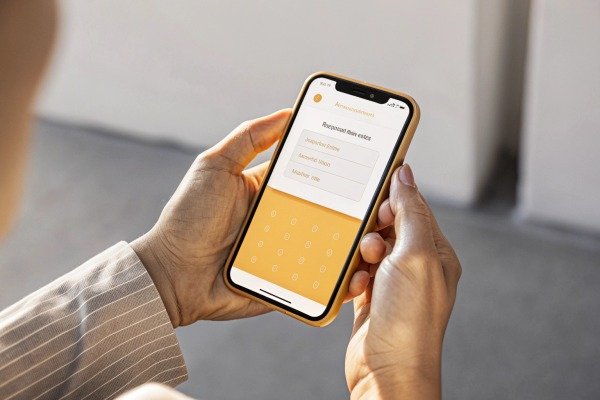
Выбор правильного способа оплаты — ваша первая линия защиты. Хотя современные финтех-приложения удобны для небольших личных переводов, они часто помечают или замораживают крупные коммерческие транзакции из-за алгоритмов борьбы с отмыванием денег (AML), что приводит к задержкам. Для B2B-торговли традиционные банковские системы остаются превосходящими с точки зрения безопасности и юридических возможностей.
Телеграфный перевод (T/T) через SWIFT
Стандартом для международной торговли является T/T. Когда вы отправляете деньги через SWIFT, ваш банк и банк-получатель SWIFT 8 во Вьетнаме проводят проверки соответствия. Они проверяют, совпадает ли имя владельца счета с кодом IBAN/SWIFT. Хотя комиссии выше, чем у финтех-приложений, уровень безопасности, обеспечиваемый банковской системой, необходим для дорогостоящих покупок, таких как изготовление нестандартной оснастки или оптовые партии.
аккредитивы (L/C)
Для очень крупных заказов мы часто рекомендуем аккредитив. Аккредитив 9 Аккредитив — это гарантия вашего банка, что платеж будет произведен только после того, как мы, поставщик, предоставим соответствующие отгрузочные документы (коносамент Коносамент 10, коммерческий счет-фактура, упаковочный лист). Это полностью защищает вас: если мы не отгрузим товар, как описано, банк не произведет платеж. Это нейтрализует риск оплаты "призрачной поставки"."
Опасность неформальных каналов
Избегайте использования таких услуг, как Western Union, MoneyGram или криптовалюты, для оплаты поставщикам. Эти платформы предназначены для личных переводов, а не для коммерческой торговли. Платежи, отправленные через них, практически мгновенны и необратимы. Как только деньги получены, они исчезают. Легитимные производители практически никогда не попросят оплату через эти каналы.
Сравнение безопасности способов оплаты
| Способ оплаты | Уровень безопасности | Лучший сценарий использования | Профиль риска |
|---|---|---|---|
| SWIFT-перевод (T/T) | Высокие | Стандартные B2B платежи, плата за инструменты. | Низкая, при условии подтверждения данных счета. |
| Аккредитив (L/C) | Очень высокий | Крупные заказы (>$50k). | Очень низкая. Оплата зависит от результатов. |
| PayPal / Кредитная карта | Средний | Стоимость образцов, небольшие прототипы. | Средняя. Высокие комиссии, но предлагает защиту от чарджбэка. |
| Криптовалюта / Платежные приложения | Нет | Никогда не использовать для B2B. | Экстремальная. Нет возможности возмещения, если средства украдены. |
Заключение
Обеспечение ваших платежей во Вьетнам требует сочетания скептицизма и строгих протоколов. Всегда проверяйте данные бенефициара в автономном режиме, требуйте официальную документацию и придерживайтесь установленных банковских каналов.
Сноски
1. Авторитетный ресурс правительства США по управлению рисками в цепочках поставок. ↩︎
2. Отчет Государственного департамента США о деловой прозрачности и регулировании во Вьетнаме. ↩︎
3. Общая информация о назначении и структуре идентификационных номеров налогоплательщиков. ↩︎
4. Конкретный официальный портал правительства Вьетнама, упомянутый в тексте. ↩︎
5. CISA предоставляет стандартное определение и стратегии защиты от социальной инженерии. ↩︎
6. Официальная страница ФБР с определениями и рекомендациями по компрометации деловой электронной почты. ↩︎
7. Объяснение Всемирной торговой организацией принципов, регулирующих мировую торговлю. ↩︎
8. Официальный сайт Общества всемирных межбанковских финансовых телекоммуникаций. ↩︎
9. Стандарты Международной торговой палаты для документарных аккредитивов в мировой торговле. ↩︎
10. Подробное объяснение юридической и коммерческой роли коносамента. ↩︎

 English
 Español de México
 Deutsch
 Français
 Русский