We recently faced a situation on our assembly line where a batch of custom frames failed final inspection due to hairline cracks in the joints. The design looked perfect on paper, but the material choice did not account for the specific thermal material choice 1 stresses of the welding process. This is a painful scenario we strive to avoid when managing projects for our clients. Asking the right questions early prevents these expensive delays.
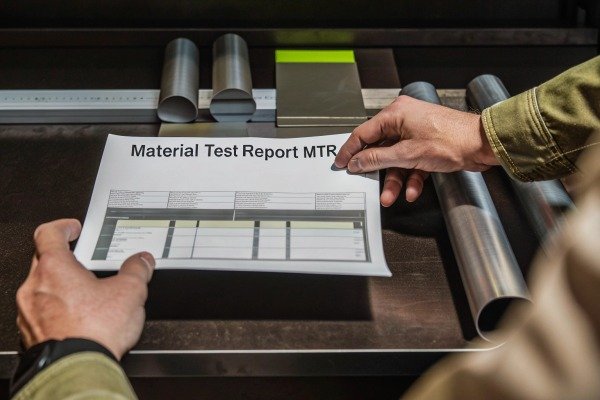
To select the right materials, ask suppliers for detailed Material Test Reports (MTRs) regarding chemical composition and filler metal compatibility. You should also verify thermal conductivity properties and specific surface surface preparation standards 2 cleaning protocols to prevent common defects like cracking or porosity during the manufacturing process.
Below, we break down the critical questions you need to ask your supply partners to ensure your welded parts perform as expected.
How do I determine if my specified materials are compatible for welding dissimilar metals?
In our experience handling custom fabrication orders from the US, we often see designs that combine steel brackets with aluminum frames aluminum frames 3 to save weight while maintaining strength. However, without the right technical approach, these combinations are a recipe for disaster. We always advise our clients to consult with the factory engineers before finalizing these mixed-material designs.
To ensure compatibility, ask your supplier for phase diagrams and galvanic corrosion potential data. They should recommend specific transition inserts or bimetallic strips that isolate the metals, preventing the brittle intermetallic compounds that cause immediate structural failure in mixed-material assemblies.
When you are dealing with dissimilar metals, the physics of welding changes completely. You are not just melting two pieces of metal together; you are attempting to fuse materials that may have vastly different melting points and atomic structures. melting points 4 If you simply ask a supplier to "weld copper to steel," you might get a part that looks solid initially but falls apart under the slightest vibration during shipping.
The Problem of Intermetallic Compounds
The biggest risk in welding dissimilar metals is the formation of intermetallic compounds. formation of intermetallic compounds 5 These are new chemical structures that form at the weld interface. Unlike the base metals, which are usually ductile and strong, these compounds are often brittle like glass.
When we review technical drawings in our Singapore office, we look for direct contact between incompatible metals. For example, fusion welding aluminum directly to steel is almost impossible in a standard production environment because the aluminum will melt long before the steel does, and the resulting mixture is incredibly weak.
Galvanic Corrosion Risks
Another major issue is galvanic corrosion. Even if the weld holds initially, moisture in the air can turn your product into a battery. The detailed advice you need from a supplier should cover long-term durability, not just immediate adhesion.
Ask your supplier about Transition Inserts. These are pre-bonded bimetallic strips (like an explosion-welded aluminum-steel bar) that allow the welder to weld "steel to steel" on one side and "aluminum to aluminum" on the other. This bypasses the incompatibility issue entirely.
Essential Questions for Your Supplier
When vetting a factory or discussing a new project, use this checklist to gauge their expertise in dissimilar welding:
- Do you have experience with explosion-welded transition joints? If they do not know what this is, they likely cannot securely join aluminum to steel for structural parts.
- What filler material do you recommend? For copper-to-steel, asking for a nickel-based filler is a standard test of their knowledge.
- How do you manage thermal expansion differences? One metal will expand faster than the other under heat, creating stress. The supplier should have a jigging strategy to handle this.
Common Dissimilar Metal Combinations
Here is a quick reference guide on what to expect when combining common industrial metals.
| Metal Combination | Major Welding Challenge | Recommended Solution |
|---|---|---|
| Aluminum + Steel | Melting point difference; Brittle compounds | Use bimetallic transition inserts or mechanical fasteners instead of fusion welding. |
| Copper + Steel | Copper penetrates steel grain boundaries (cracking) | Use Nickel-alloy filler metals to create a barrier and prevent cracking. |
| Stainless + Carbon Steel | Dilution of stainless properties; Corrosion | Use over-alloyed filler (e.g., 309L) to maintain corrosion resistance in the joint. |
Can my supplier recommend alternative material grades to improve weldability and reduce costs?
We often review drawing files where the engineer has specified a premium aerospace-grade alloy for a simple industrial bracket. While high-end materials are great, they can be overkill and difficult to weld. Our sourcing team in Vietnam frequently suggests slight grade adjustments that maintain performance but significantly smooth out the production process.
Experienced suppliers often recommend alternative grades like HSLA steel or 5000-series aluminum to reduce preheat requirements and minimize cracking risks. These alternatives streamline the welding process and lower labor costs, often saving more money than the raw material price difference suggests.
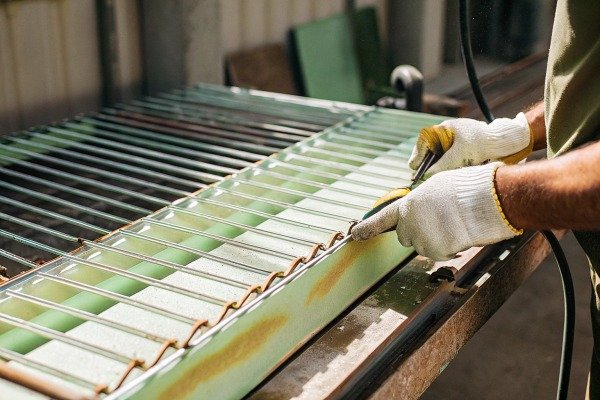
Choosing the "best" material often means choosing the most expensive one, but in welding, the most expensive material is sometimes the hardest to work with. A supplier who understands manufacturing will not just quote your drawing blindly; they will offer value engineering options.
The Trap of High-Strength Materials
High-strength materials often come with high carbon content or complex alloying elements. High-strength materials 6 carbon content or complex 7 In steel, high carbon content increases "hardenability." This sounds good, but during welding, it means the metal around the weld (the Heat Affected Zone or HAZ) can become brittle and crack as it cools.
To prevent this, the factory has to preheat the metal to high temperatures and cool it down very slowly. This adds hours to the production time and requires expensive energy usage. By switching to a High-Strength Low-Alloy (HSLA) steel, you might get similar strength but with much better weldability, eliminating the need for preheating.
Aluminum Grade Swaps
For aluminum, the difference between 6061 and 7075 is massive in terms of weldability. difference between 6061 and 7075 8
- 7075 Aluminum: Incredible strength, used in aircraft. However, it is notoriously difficult to weld without micro-cracking. It is usually joined by rivets or adhesives.
- 6061 or 5052 Aluminum: Very weldable and standard for frames and structural parts.
If your part does not fly in the sky, switching from 7075 to 6061 could reduce your scrap rate from 20% to nearly zero.
Cost vs. Process Efficiency
When we negotiate with material suppliers, we look at the "Total Landed Cost." A cheaper raw material might require three times the labor to weld correctly. Conversely, a slightly more expensive wire or base metal might double the daily output.
Material Grade Comparison for Welding
The following table illustrates how a change in grade affects the welding process and overall cost.
| Base Material | Common Spec | Better Welding Alternative | Why Switch? |
|---|---|---|---|
| Carbon Steel | AISI 1045 (High Carbon) | AISI 1018 or A36 | 1045 requires strict preheat/post-heat. 1018 welds easily, saving labor hours. |
| Aluminum | 7075-T6 | 6061-T6 or 5083 | 7075 is prone to hot cracking. 6061 is the industry standard for welded frames. |
| Stainless | 304 | 304L | The "L" stands for Low Carbon. It prevents carbide precipitation, ensuring the weld doesn't rust later. |
What specific material properties should I check to prevent common welding defects like porosity?
Nothing is more frustrating than receiving a shipment of parts, cutting one open for inspection, and finding the weld looks like Swiss cheese inside. In our quality control audits, we find that porosity is rarely the welder’s fault—it is usually the material’s fault. We insist on strict material storage protocols to prevent this exact issue.
Focus on surface cleanliness and chemical composition limits found in the Material Test Report. Specifically, check for oil residue levels and oxide layer thickness on aluminum, or high sulfur and phosphorus content in steel, as these are leading causes of gas pockets and porosity.
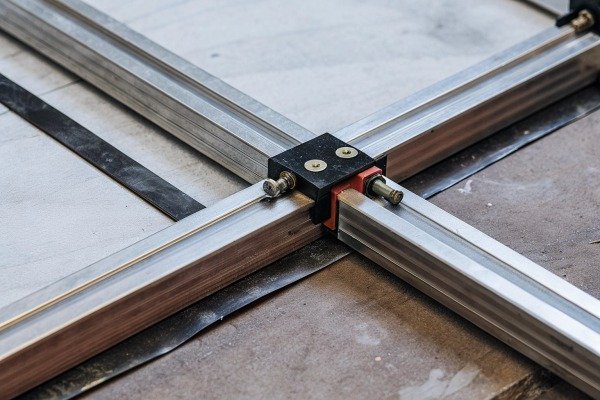
Porosity happens when gas gets trapped in the freezing weld metal. This gas has to come from somewhere. Usually, it comes from contaminants on the surface of the material or from within the material itself.
The Hydrogen Enemy in Aluminum
If you are sourcing aluminum parts, hydrogen is your enemy. Aluminum has a high solubility for hydrogen when it is liquid (molten weld pool) but very high solubility for hydrogen 9 low solubility when it is solid. As the weld cools, the hydrogen tries to escape, forming bubbles.
Where does the hydrogen come from? Moisture.
If your supplier stores aluminum sheets in a humid warehouse without cover, the aluminum oxide layer absorbs moisture from the air. When the arc hits that moisture, it releases hydrogen. You must ask your supplier: "How is your aluminum stock stored?" It should be indoors, in a dry area, and ideally covered.
The "Mill Scale" on Steel
Hot-rolled steel comes with a dark, flaky outer layer called mill scale. Mill scale is an oxide. If a welder tries to weld over it, the arc becomes unstable, and oxygen gets trapped in the weld.
You need to ask the supplier about their surface preparation standards. Do they blast or grind the material to "bright metal" before welding? Chemical cleaning or simple wiping is often not enough for structural steel applications.
Chemical Impurities
In steel, elements like Sulfur and Phosphorus are contaminants. They have lower melting points than steel. As the steel solidifies, these elements remain liquid longer and get pushed to the center of the weld. When they finally freeze, they can cause "hot cracking" or centerline cracks.
Always review the Material Test Report (MTR). Ensure Sulfur and Phosphorus are kept to very low levels (typically below 0.04%).
Defect Prevention Checklist
| Matériau | Primary Cause of Porosity | Question to Ask Supplier |
|---|---|---|
| Aluminum | Moisture/Hydrated Oxide | "Do you mechanically remove the oxide layer with a stainless steel brush immediately before welding?" |
| Steel | Mill Scale / Rust | "Is the mill scale removed via grinding or shot blasting 1 inch back from the joint?" |
| Stainless | Surface Oils / Grease | "What solvent do you use for degreasing? Is it acetone or an alcohol-based cleaner?" |
How does the choice of copper versus aluminum impact the welding technique and production timeline?
We recently managed a project for an electrical component manufacturer that switched from aluminum busbars to copper for better conductivity. The production team underestimated the timeline significantly. Our on-site engineers had to step in to adjust the workflow because the thermal properties of copper completely changed the production rhythm.
Aluminum generally supports faster production speeds using standard TIG or MIG processes due to its lower melting point. Conversely, copper’s high thermal conductivity requires significant pre-heating and specialized helium-based gas mixtures, which inevitably slows down the assembly timeline and increases overall energy costs.
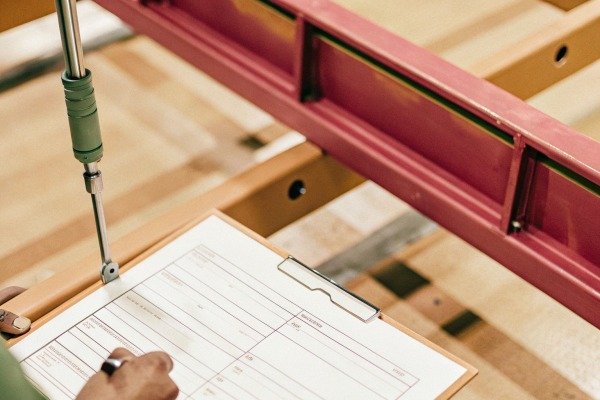
The choice between copper and aluminum is usually driven by electrical or thermal requirements, but the manufacturing impact is profound. They behave very differently under the welding arc.
Aluminum: The Speed Demon
Aluminum melts at roughly 660°C (1220°F). It conducts heat well, but not nearly as well as copper.
- Technique: We typically use AC TIG (for precision) or Pulse MIG (for speed) for aluminum. Modern Pulse MIG machines can lay down aluminum welds very quickly.
- Timeline: Fast. Once the machine is set, production moves rapidly. The main slowdown is the cleaning prep mentioned earlier.
- Distortion: Because aluminum expands twice as much as steel, you need robust fixtures (jigs) to hold it in place, or the frame will warp.
Copper: The Heat Sink
Copper melts at roughly 1085°C (1985°F), but the real issue is its thermal conductivity. It sucks heat away thermal conductivity 10 from the weld zone incredibly fast.
- Technique: To get a weld puddle to form, you have to dump massive amounts of heat into the part. For thick copper sections, you almost always need pre-heating. You might need to heat the part to 200°C-400°C before you even start welding.
- Shielding Gas: Standard Argon is often not hot enough. We often have to ask suppliers to use Helium or Argon-Helium mixtures. Helium increases the heat input of the arc. Helium is significantly more expensive than Argon.
- Timeline: Slower. The pre-heating step adds time. The welding travel speed is generally slower to ensure fusion. Cooling times are longer.
Production Impact Summary
If you are switching a product line from aluminum to copper, expect the following changes in your supply chain interaction:
- Higher Gas Costs: Helium mixes are a premium consumable.
- Longer Lead Times: Due to pre-heating and slower travel speeds.
- Equipment Constraints: Not every factory has high-amperage welders capable of welding thick copper. 300 amps might weld thick aluminum, but you might need 500+ amps for the same thickness in copper.
Thermal Property Comparison
This table highlights why the techniques differ so much.
| Propriété | Aluminum | Copper | Impact on Welding |
|---|---|---|---|
| Melting Point | ~660°C | ~1085°C | Copper requires much higher amperage. |
| Thermal Conductivity | Élevé | Very High (nearly 2x Al) | Copper dissipates heat instantly, requiring pre-heat and Helium gas. |
| Oxide Formation | Instant, tough oxide | Forms oxide, but softer | Aluminum oxide MUST be removed before welding; Copper is more forgiving on oxides but tough on heat. |
Conclusion
Selecting the right material for welded parts is not just about checking a strength value on a datasheet; it is about understanding how that material behaves under the intense heat of fabrication. Whether you are dealing with the porosity risks of aluminum or the high-heat demands of copper, the key is asking your supplier the tough questions upfront. Demand MTRs, ask for transition solutions for dissimilar metals, and verify their cleaning and storage protocols. By validating these details before the Purchase Order is signed, you protect your production timeline and ensure the quality your customers expect.
Notes de bas de page
1. International standards organization defining material specifications and testing protocols for industrial applications. ↩︎
2. Federal safety and technical standards for metal surface preparation. ↩︎
3. Industry guidance on the properties and applications of aluminum alloys. ↩︎
4. Manufacturer resources for understanding metal melting points and welding techniques. ↩︎
5. Academic explanation of how intermetallic compounds affect joint integrity. ↩︎
6. Global industry body providing technical definitions and classifications for high-strength steel grades. ↩︎
7. Technical documentation on how carbon content affects steel strength and weldability. ↩︎
8. Official trade association providing technical standards and data on aluminum alloy series. ↩︎
9. Leading research organization explaining welding metallurgy and hydrogen-induced defects in aluminum. ↩︎
10. Authoritative scientific resource providing physical property data for elements like copper and aluminum. ↩︎

 English
 Español de México
 Deutsch
 Français
 Русский
 العربية