I’ve seen firsthand how supply chain disruptions can create chaos for businesses. A single delay or factory shutdown can impact production, delivery schedules, and customer relationships. To stay competitive, businesses must take proactive steps to reduce risks and build resilience.
To minimize supply chain disruptions, businesses should diversify suppliers, improve demand forecasting, and invest in supply chain visibility. A proactive strategy ensures operational stability even during unexpected events.
Understanding the causes of disruptions and implementing effective risk management strategies is essential. Let’s explore how businesses can prepare for and mitigate these risks.
How do you manage supply chain disruptions?
Managing supply chain disruptions requires a combination of risk assessment, contingency planning1, and technology adoption. Companies that proactively prepare for disruptions recover faster and maintain a competitive edge.
To manage supply chain disruptions, businesses should create contingency plans, enhance supplier communication, and leverage technology for real-time tracking. A structured approach reduces downtime and operational risks.
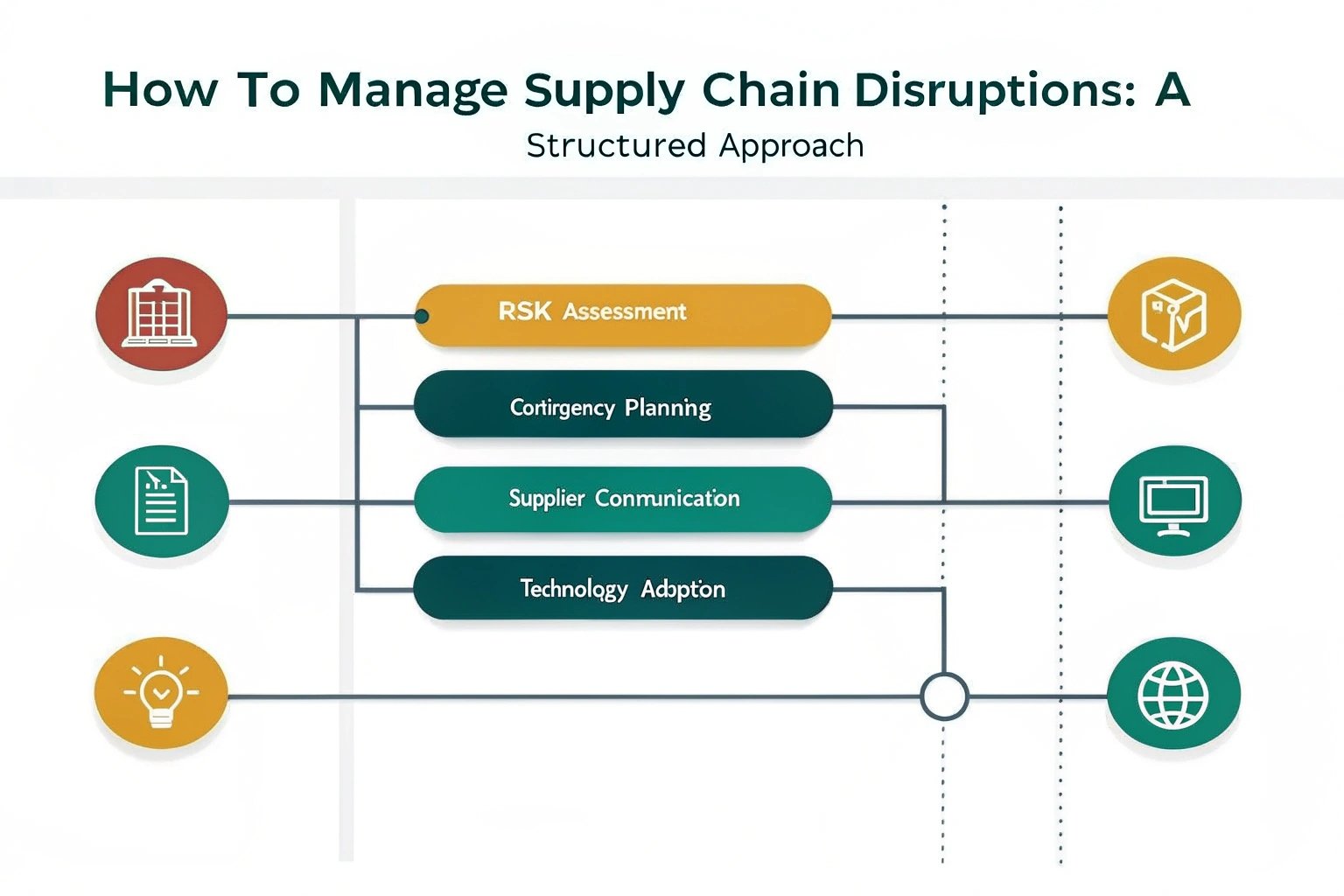
Key Strategies for Managing Disruptions
| Stratégie | Description |
|---|---|
| Risk Assessment | Identify vulnerabilities in the supply chain |
| Contingency Planning | Develop alternative sourcing and logistics options |
| Supplier Communication | Maintain strong relationships and transparency |
| Technology Integration | Use AI, IoT, and cloud-based tracking systems |
Building a Resilient Supply Chain
A resilient supply chain requires planning, adaptability, and continuous improvement. Businesses should:
- Develop strong relationships with multiple suppliers to avoid over-reliance on a single source.
- Implement data-driven decision-making by using AI and predictive analytics to anticipate disruptions.
- Enhance inventory management with real-time stock tracking and automated replenishment.
- Use digital tools for transparency, such as blockchain and IoT sensors, to monitor shipments.
By taking a proactive approach, businesses can reduce risks and maintain operational stability even during unforeseen disruptions.
What are the top 3 causes of perturbations de la chaîne d'approvisionnement2?
Supply chain disruptions can arise from various factors, but some causes are more common and impactful than others. Identifying these risks allows businesses to prepare effectively.
The top three causes of supply chain disruptions are geopolitical conflicts, natural disasters, and supplier failures. Companies must assess these risks and develop mitigation strategies.
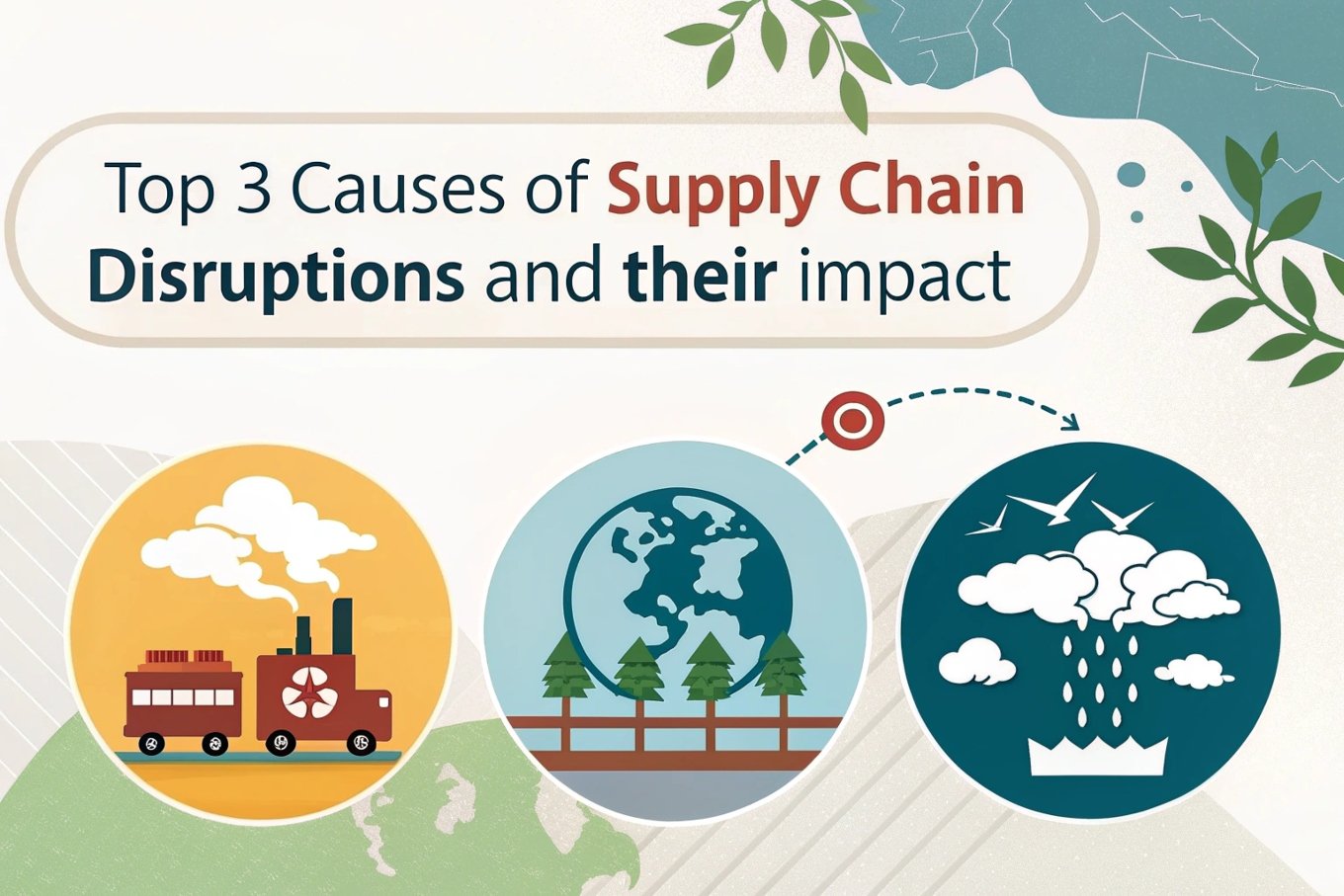
Top 3 Causes of Supply Chain Disruptions
| Cause | Impact sur la chaîne d'approvisionnement |
|---|---|
| Geopolitical Conflicts | Trade restrictions, tariffs, or sanctions |
| Natural Disasters | Factory shutdowns, transportation delays |
| Supplier Failures | Quality issues, production delays |
Breaking Down the Risks
1. Geopolitical Conflicts3
Trade tensions, sanctions, and regulatory changes can severely disrupt supply chains. The US-China trade war, for example, forced many companies to shift production to other countries like Vietnam. Businesses must monitor political developments and diversify sourcing locations.
2. Natural Disasters4
Floods, earthquakes, and pandemics can halt production and delay shipments. The COVID-19 pandemic highlighted the need for supply chain agility. Companies should invest in risk assessment tools to predict and prepare for natural disasters.
3. Supplier Failures5
A single supplier’s failure can disrupt an entire production line. Common issues include financial instability, poor quality control, and labor shortages. Businesses should conduct supplier audits and maintain backup suppliers to mitigate risks.
By understanding these risks, businesses can create stronger supply chain strategies to avoid major disruptions.
Why is it important to have alternative suppliers?
Relying on a single supplier can be risky. If that supplier experiences delays, quality issues, or financial trouble, it can impact an entire operation. Having alternative suppliers is crucial for supply chain stability.
Having alternative suppliers reduces dependence on a single source, minimizes risks, and ensures business continuity during disruptions. It allows for flexibility and competitive pricing.
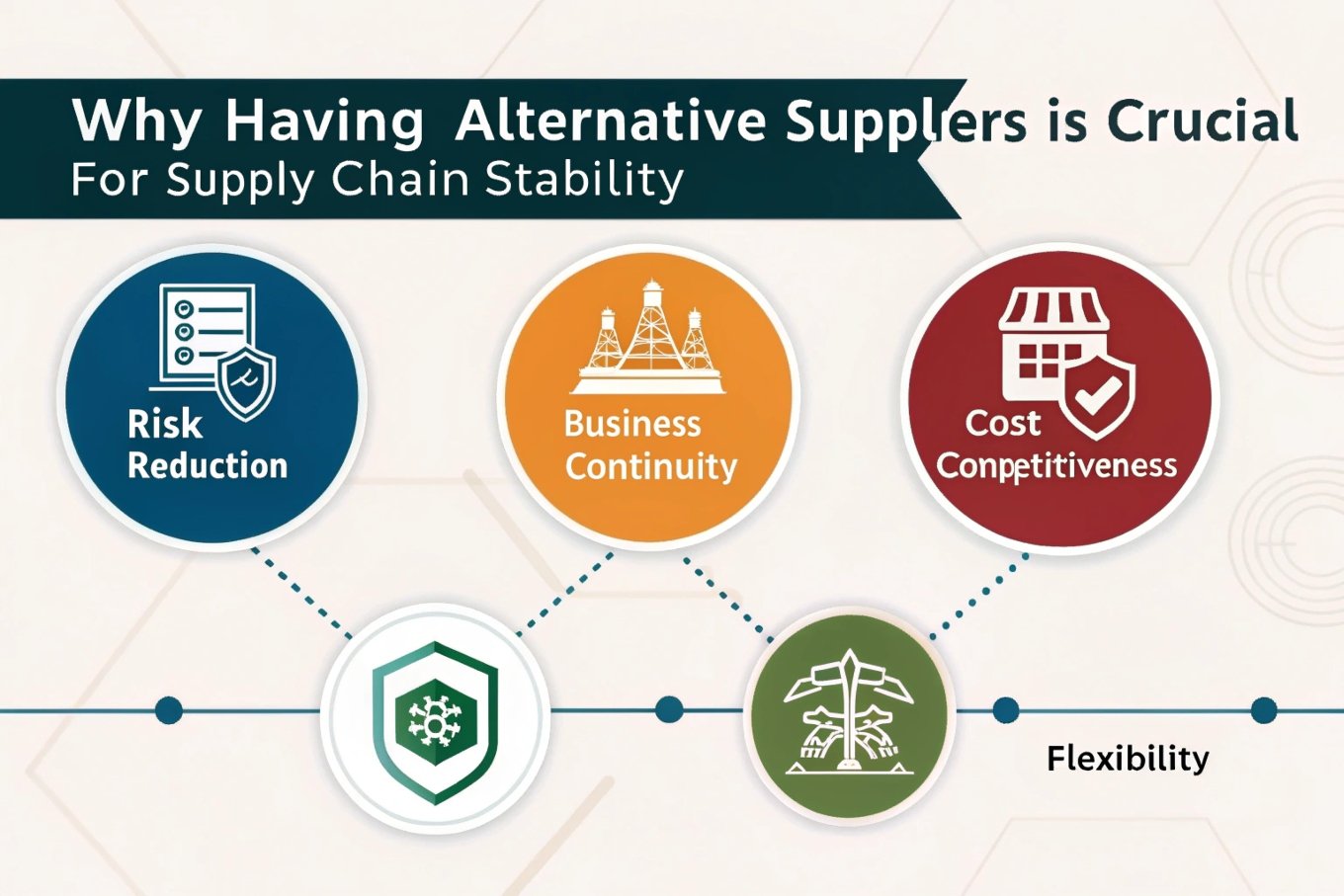
Benefits of Having Alternative Suppliers
| Avantage | Explication |
|---|---|
| Risk Reduction | Avoids over-reliance on one supplier |
| Business Continuity | Ensures steady production during disruptions |
| Cost Competitiveness | Leverages competitive pricing from multiple sources |
| Flexibilité | Allows quick response to demand changes |
Best Practices for Managing Multiple Suppliers
- Identify reliable backup suppliers in different geographic regions.
- Negotiate long-term contracts with flexible terms to switch suppliers when needed.
- Use supplier performance tracking to assess quality, delivery time, and reliability.
- Regularly test alternative suppliers by placing small orders before major disruptions occur.
By diversifying supplier networks, businesses can safeguard their supply chains from unexpected challenges and maintain smooth operations.
Conclusion
Minimizing supply chain disruptions requires a proactive approach, including contingency planning, risk assessment, and supplier diversification. By understanding key risks and implementing strategic solutions, businesses can ensure operational stability and long-term success.
Understanding contingency planning is crucial for businesses to prepare for unexpected events and ensure operational continuity. ↩
Explore this resource to learn comprehensive strategies that can help businesses effectively manage and mitigate supply chain disruptions. ↩
Understanding the impact of geopolitical conflicts can help businesses strategize and mitigate risks effectively. ↩
Exploring this topic can provide insights into preparing for and managing risks associated with natural disasters in supply chains. ↩
Learning about supplier failures can help businesses implement better risk management strategies and ensure operational stability. ↩

 English
 Español de México
 Deutsch
 Français
 Русский
 العربية