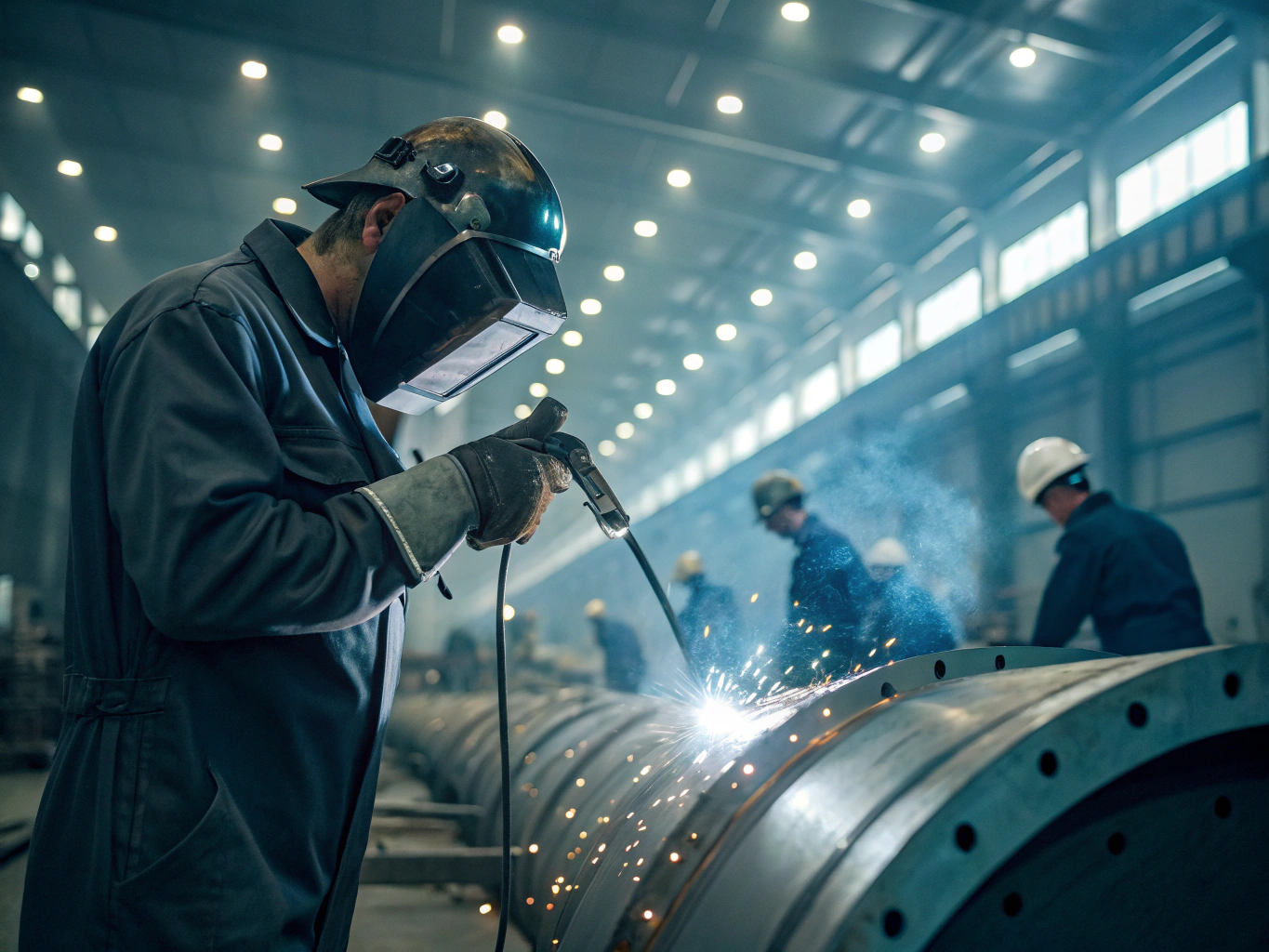
I know the pain of worrying if the parts you’re importing will meet the strict requirements of U.S. standards. It’s stressful, but I’ve found a way to make sure things go smoothly.
Ensuring that the welding and finishing processes of custom metal parts meet U.S. requirements when importing from Vietnam requires clear communication, thorough documentation, and proper verification methods. You need to know the standards to ask for, how to assess the process, and how to verify the quality.
Let me take you through some simple yet effective steps to ensure the parts you receive meet all necessary standards and avoid costly mistakes.
Which U.S.-Based Welding Standards (e.g., AWS, ASME) Should You Reference in Your Contract?
I’ve faced the frustration of receiving non-compliant parts, but specifying the right standards upfront has saved me countless headaches.
The American Welding Society (AWS) sets the welding codes in the U.S., and these codes help ensure your parts meet the right quality standards. Some of the key AWS codes include:
- AWS D1.1: For structural steel welding, which is the most commonly used code.
- AWS D1.2: For welding aluminum.
- AWS D1.6: For welding stainless steel.
- AWS D17.1: For aerospace applications, ensuring rigorous standards for fusion welding and non-destructive testing.
Additionally, ASME Section IX covers welding for pressure equipment, and many industries reference ISO 3834 for welding quality.1

By referencing these welding standards, you can set clear expectations and avoid confusion down the line. This step ensures your parts will meet U.S. specifications from the start, especially in critical industries like aerospace or oil and gas.2
The importance of referencing these standards is simple: it sets clear expectations from the start. Whether you’re dealing with structural steel or aluminum, knowing which code applies ensures your parts will be built to the right specifications. This becomes even more crucial if you’re involved in specialized industries like aerospace or oil and gas, where the stakes are higher. To avoid any confusion later, I make sure to specify which codes apply directly in the contract. This helps eliminate the back-and-forth about standards during the production process.
What Does This Mean for Your Contracts?
When drafting your contracts with suppliers in Vietnam, make sure the welding standards are explicitly mentioned. Here’s a breakdown of the most important things to include:
| Item | Explanation |
|---|---|
| Welding Procedure Specification (WPS) | Clearly outline the welding process, materials, and specifications required. |
| Welder Qualification | Ensure welders meet the appropriate AWS qualifications. |
| Acceptance Criteria | Define what constitutes an acceptable weld, including size and appearance. |
| Finishing Requirements | Specify the type of finish needed, such as corrosion resistance or surface roughness. |
This simple step of specifying standards can help prevent future issues with compliance, ensuring the parts meet U.S. standards right from the start.
How Do You Select and Audit Vietnamese Welding/Finishing Processes for Compliance?
If you skip the audit process, you risk getting parts that don’t meet U.S. standards, causing delays and extra costs.3
Once the welding standards are established in your contract, you need to ensure that the Vietnamese supplier follows these guidelines. The first step is to review their welding process, which involves checking their Welding Procedure Specifications (WPS) et Welding Procedure Qualification Records (PQR). These documents show that their welding procedures have been tested and validated.

To ensure compliance, auditing the supplier’s welding and finishing processes is crucial. Conducting third-party audits helps verify that the supplier’s process matches the required standards, avoiding potential risks.4
The next step is to ensure the qualifications of the welders themselves. It’s important that the welders are trained and certified according to the appropriate AWS standards (e.g., AWS D1.1, D1.2, etc.). This certification guarantees that the welding is performed properly and the parts will hold up under the required conditions.
One key factor I’ve learned is to conduct third-party audits. This allows me to ensure that the supplier’s practices match the standards in the contract and that their process can be trusted. Even if your supplier claims they meet the standards, it’s worth paying for third-party verification.
How to Perform a Supplier Audit
Here’s a checklist of things I look for when auditing a supplier’s welding and finishing process:
| Audit Item | Description |
|---|---|
| Welding Equipment | Check if the equipment is up to industry standards. |
| Material Source | Ensure that the materials meet the required specifications. |
| Welding Process | Verify that the WPS and PQR are followed. |
| Inspection Reports | Check for any records of internal inspections. |
| Welder Certifications | Confirm that welders have valid AWS certifications. |
By ensuring these steps are followed, you can prevent costly mistakes and ensure the parts meet U.S. requirements.
What Inspection Methods (Visual, NDT, Adhesion Tests) Should You Include for Finishing?
Overlooking inspection could mean receiving defective parts that won’t meet your customers’ needs.5
When the welding and finishing processes are complete, the next step is to conduct thorough inspections. The most common inspection methods I use include Visual Inspection, Non-Destructive Testing (NDT), and Adhesion Tests. These methods ensure that the parts meet the required quality standards and are free from defects.

- Visual Inspection: This helps identify obvious defects, such as cracks, weld porosity, and misalignment.
- Non-Destructive Testing (NDT): This includes methods like ultrasonic testing, dye penetrant testing, and radiography to find any hidden flaws in the welds.
- Adhesion Tests: For coated parts, ensure the finish adheres properly to the substrate to avoid corrosion issues down the line.
Common NDT Methods
Here are a few common non-destructive testing methods used in welding:
| NDT Method | Description |
|---|---|
| Ultrasonic Testing | Uses sound waves to detect internal flaws. |
| Dye Penetrant Testing | A liquid is applied to detect surface cracks. |
| Radiography Testing | Uses X-rays to find internal flaws. |
| Magnetic Particle Testing | Detects surface cracks in ferrous materials. |
These testing methods ensure that you don’t just rely on the visual inspection, which could miss critical internal defects.
How Do You Document and Certify Finishing or Welding to Satisfy Downstream U.S. Customers?
Proper documentation is critical to prove that your parts meet U.S. standards, preventing disputes later.6
When importing from Vietnam, I make sure to request comprehensive documentation from the supplier, including Mill Test Certificates (MTCs) et Welding Procedure Qualification Records (PQR). These documents provide proof that the materials used meet the specifications and that the welding procedures have been tested and certified.
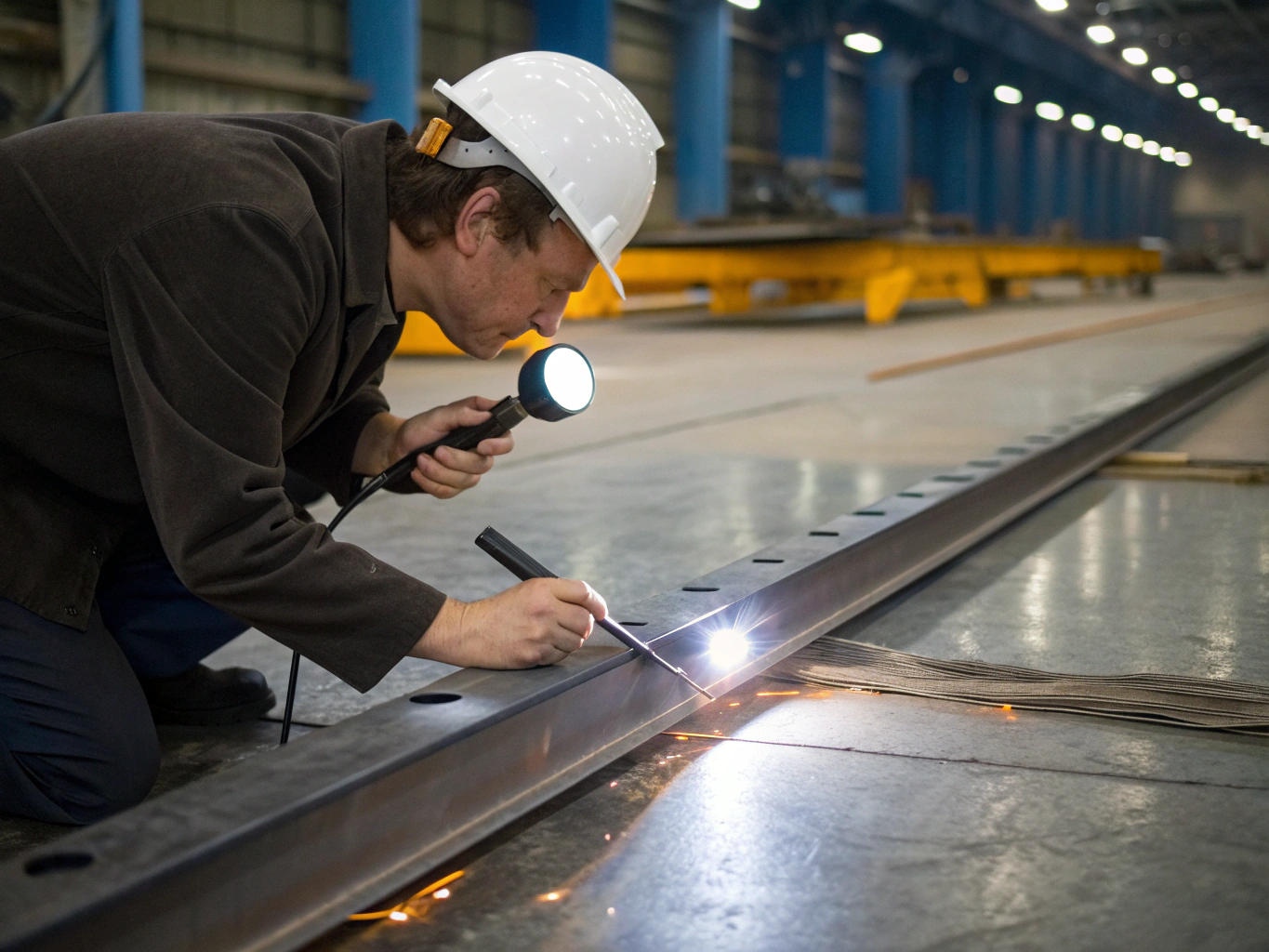
Requesting detailed documentation from your supplier ensures that the welding and finishing processes are done correctly and meet U.S. standards. This protects both your business and your customers.7
Additionally, I ask for Welder Performance Qualification Records et Inspection Reports. These documents ensure that the welding has been done according to the required standards and that the parts have passed all necessary inspections.
Key Documentation Checklist
Here’s a breakdown of the documents that should be provided:
| Document Type | Objectif |
|---|---|
| Mill Test Certificates | Verifies chemical composition and mechanical properties of materials. |
| Welding Procedure Records | Verifies that the welding procedure meets standards. |
| Inspection and Test Records | Documents inspections and NDT results. |
| Certificate of Compliance | Confirms that the supplier meets your specifications. |
With proper documentation, you can be confident that the parts will meet U.S. standards and satisfy your downstream customers.
Conclusion
By carefully specifying standards, auditing processes, conducting thorough inspections, and maintaining clear documentation, you can ensure that the parts you import from Vietnam will meet U.S. welding and finishing requirements.
Notes de bas de page
1. Overview of ISO 3834 standards for welding quality.
2. Benefits of setting expectations with welding standards.
3. Importance of auditing supplier welding processes for compliance.
4. Role of third-party audits in ensuring quality control.
5. Visual and NDT inspections: Key to ensuring weld quality.
6. Why documentation is crucial for proving compliance with U.S. standards.
7. Requesting essential documentation to verify weld and finishing processes.
8. Guide to mill test certificates and their significance.
9. How welder qualifications impact welding quality assurance.
10. The role of inspection reports in verifying quality and compliance.

 English
 Español de México
 Deutsch
 Français
 Русский
 العربية