If you’re like me, you understand how crucial lead times are in the world of custom parts manufacturing. The challenge is often how to speed things up without cutting corners on quality. Having worked in sourcing and production for years, I know how frustrating it can be when you need your parts urgently, but rushing the process could lead to quality issues. The good news is, it is possible to reduce lead times while maintaining top-notch standards.
By implementing effective strategies and collaborating closely with your supplier, you can significantly reduce lead times without sacrificing quality. This requires process optimization, clear communication, and a commitment to continuous improvement.
In this article, I’ll share some strategies for speeding up production, working closely with suppliers to improve efficiency, and ensuring that quality is never compromised.
What Strategies Can Help You Speed Up Custom Parts Production Without Compromising Quality?

To reduce lead times without affecting quality, you need to focus on optimizing both production processes and supply chain management. Here are some effective strategies that have worked for me:
Key Strategies to Reduce Lead Times
| Stratégie | Avantage |
|---|---|
| Streamline the Design Process | Reducing design revisions and ensuring prototypes are accurate can cut down production time significantly. |
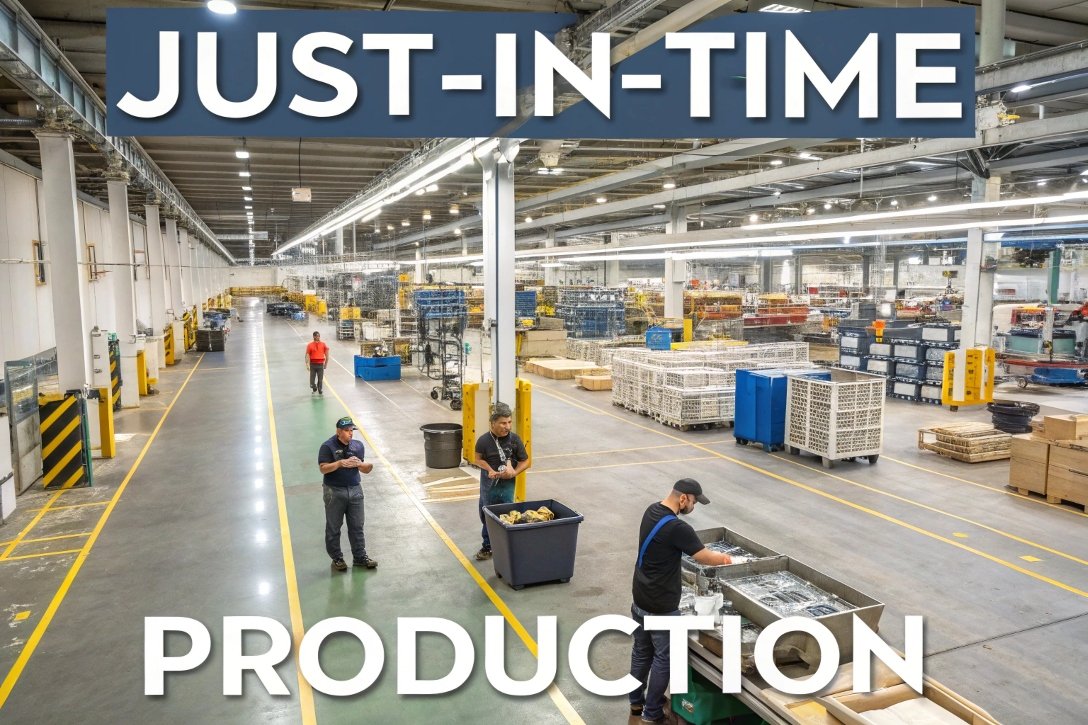
| Use Lean Manufacturing Techniques1 | Techniques like Just-in-Time (JIT) production reduce waste and improve process efficiency, speeding up production without affecting quality. |
| Invest in Advanced Manufacturing Tech2 | Using automated machinery or 3D printing technologies can increase speed without compromising precision. |
| Build Buffer Time into Production Plans | Having buffer time for unexpected delays helps to ensure timelines remain intact, reducing stress during peak periods. |
| Improve Material Sourcing | Working with reliable suppliers for faster material delivery can help speed up production. Pre-ordering critical materials in advance minimizes delays. |
| Optimize Production Schedules3 | By better organizing workflows, staggering shifts, or running parallel processes, you can cut unnecessary downtime. |
Why It Matters: These strategies focus on reducing unnecessary delays and waste while maintaining a focus on producing high-quality parts. It’s about being smart with your resources and timing.
How Can You Work with Your Supplier to Optimize Production Processes?

Collaborating with your supplier is key to improving production efficiency and reducing lead times. Suppliers are often able to suggest ways to improve processes that you may not have considered. Here’s how you can work together to optimize production:
Ways to Work with Your Supplier to Optimize Production
| Collaboration Tip | Avantage |
|---|---|
| Set Clear Expectations Early | Establish a mutual understanding of delivery dates, quality standards, and production capacity from the beginning. This avoids surprises later on. |
| Share Detailed Specifications | Providing detailed drawings and product requirements helps avoid revisions, saving time during the manufacturing phase. |
| Collaborate on Inventory Management | Working with suppliers to manage inventory levels helps prevent stockouts, ensuring the timely availability of materials and components. |
| Regularly Review Production Schedules | Hold regular check-ins to review progress, ensure the schedule is on track, and resolve any potential delays early. |
| Provide Feedback for Continuous Improvement | When you spot any inefficiencies, discuss them openly with your supplier. Continuous improvement benefits both parties and can lead to faster, more efficient production. |
Why It Matters: Building a strong, collaborative relationship with your supplier helps you both understand each other’s constraints and opportunities for improvement. Working together toward mutual goals is key to speeding up production while maintaining quality.
Why Is Effective Communication Key to Reducing Lead Times While Maintaining Quality?

Effective communication is at the heart of any successful partnership, and it’s especially crucial when you’re trying to reduce lead times without sacrificing quality. Open, honest, and clear communication helps ensure that all parties are aligned and focused on the same goal.
How Communication Impacts Lead Times and Quality
| Communication Strategy | Avantage |
|---|---|
| Use Clear and Precise Specifications | Providing clear instructions minimizes confusion, reducing the likelihood of mistakes or rework. |
| Maintain Regular Check-ins | Regular communication ensures any issues are spotted early, allowing you to course-correct quickly. |
| Leverage Technology for Real-Time Updates | Tools like project management software, emails, or even instant messaging can facilitate faster decision-making and keep production on track. |
| Establish a Single Point of Contact | Having one dedicated contact person ensures information flows smoothly, and nothing is lost in translation. |
| Discuss Potential Delays Early | If a delay is anticipated, communicate that early and work together to adjust timelines or processes to keep things on track. |
Why It Matters: Without clear communication, you risk misunderstanding each other’s expectations, which can lead to delays or quality issues. Keeping the lines open ensures a smooth flow of information and a streamlined production process.
Conclusion
Reducing lead times without sacrificing quality isn’t easy, but it’s definitely achievable with the right strategies. By streamlining processes, optimizing production schedules, and maintaining open lines of communication with your supplier, you can significantly speed up production without cutting corners. Effective collaboration and communication are essential in maintaining a balance between efficiency and quality. In the end, a well-organized approach benefits everyone involved.
Exploring Lean Manufacturing Techniques can provide insights into reducing waste and enhancing efficiency in production processes. ↩
Understanding Advanced Manufacturing Tech can help you discover innovative solutions to speed up production without sacrificing quality. ↩
Learning about optimizing production schedules can lead to significant improvements in efficiency and reduced lead times in manufacturing. ↩

 English
 Español de México
 Deutsch
 Français
 Русский
 العربية