When our team processes shipping documents for clients importing plastic blow molding parts 1 from Vietnam, one question keeps coming up. Which Incoterm protects buyers better—FOB or DDP? The stakes are real. A wrong choice can mean damaged goods, surprise duties, or weeks of delays.
FOB is generally safer for experienced importers sourcing plastic blow molding parts from Vietnam. It offers greater control over logistics, transparent costs, and reduced fraud risk. DDP provides convenience for first-time buyers but sacrifices visibility and may include hidden cost markups of 20-30%.
This guide breaks down the real differences between FOB and DDP for Vietnam plastics sourcing. We will cover cost calculations, shipping control, legal liability, and practical steps to protect your orders.
Does DDP really offer me more security than FOB when sourcing from Vietnam?
Our Vietnam office handles dozens of plastic blow molding shipments monthly. We see buyers assume DDP means zero risk. That assumption often leads to expensive surprises.
DDP shifts all shipping responsibility to the seller, but it does not eliminate buyer risk. Vietnamese suppliers may lack US import expertise, leading to duty miscalculations, customs delays, or even cargo seizure. FOB gives buyers direct control over carriers and customs brokers, reducing exposure to seller errors.
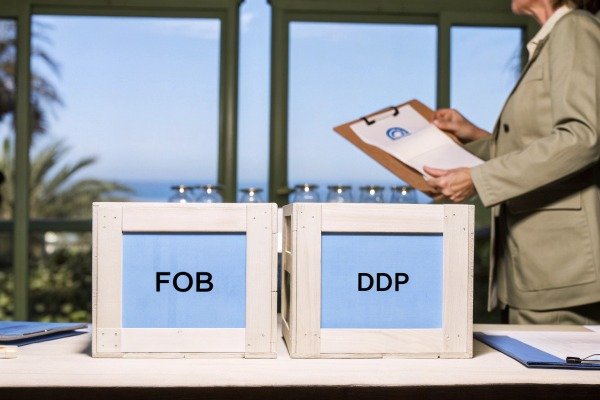
Understanding the Risk Transfer Points
Under Incoterms 2020 2, FOB (Free On Board) transfers risk to the buyer once goods load onto the vessel at Vietnamese ports like Ho Chi Minh City or Hai Phong. DDP (Delivered Duty Paid) keeps risk with the seller until goods reach your US warehouse, ready for unloading.
This sounds safer for buyers. But risk transfer is not the same as risk elimination.
Where DDP Security Falls Short
Many Vietnamese blow molding suppliers excel at manufacturing. They understand resin grades, wall thickness, and mold design. Import regulations? That is a different story.
When a supplier handles DDP, they control customs documentation. If they undervalue goods or misclassify tariff codes, US Customs 3 holds you accountable. We have seen buyers face $15,000 penalty notices for supplier mistakes on DDP shipments.
The Hidden Dangers of "Hands-Off" Sourcing
DDP's convenience creates blind spots:
| Risk Factor | DDP Exposure | FOB Control |
|---|---|---|
| Carrier Selection | Seller chooses cheapest option | Buyer selects preferred carriers |
| Insurance Coverage | Generic seller policy | Buyer specifies plastics-appropriate coverage |
| Customs Documentation | Seller prepares (possible errors) | Buyer's broker controls accuracy |
| Duty Calculations | Seller estimates (often inflated) | Buyer verifies actual rates |
| Transit Routing | Seller decides (may add stops) | Buyer optimizes for speed/safety |
When DDP Makes Sense
DDP works for sample shipments under 500kg or first-time orders while you evaluate a supplier. Our recommendation: use DDP to test a relationship. Switch to FOB once you commit to production volumes.
Real Numbers on Claim Rates
2024 freight industry data shows 12% of DDP shipments from Asia face duty disputes. FOB shipments? Just 4%. For blow molding parts—fragile and volume-intensive—this difference matters.
How do I calculate the true landed cost difference for my plastic parts orders?
Our quotation team builds cost comparisons daily. The sticker price on a DDP quote rarely tells the whole story.
To calculate true landed cost, break down every component: factory price, inland transport, export fees, ocean freight, insurance, US duties, customs brokerage, and final delivery. FOB quotes typically land 10-25% lower than DDP for Vietnam-to-US routes because buyers negotiate each component directly.

Breaking Down a Real Example
Let us compare a 20ft container of HDPE blow molding parts (plastic bottles) from Ho Chi Minh City to Los Angeles.
| Cost Component | FOB (Buyer Pays) | DDP (Seller Quote) |
|---|---|---|
| Factory Price (10,000 units) | $18,000 | $18,000 |
| Vietnam Inland Transport | Included | Included |
| Export Customs | Included | Included |
| Ocean Freight | $1,200 | $1,600 |
| Marine Insurance | $180 | $350 |
| US Import Duties (5%) | $900 | $1,200 |
| US Customs Brokerage | $150 | $300 |
| Final Delivery to Warehouse | $400 | $600 |
| Total Landed Cost | $20,830 | $22,050 |
| Difference | — | +$1,220 (5.9%) |
The DDP quote looks simple. But the seller built in margins on freight, insurance, and duties. On larger orders, this gap widens to 20-25%.
Where Sellers Add Hidden Margins
Vietnamese suppliers rarely absorb DDP costs at their actual rates. Common markup areas:
- Ocean Freight: Sellers use consolidated rates but charge you premium pricing.
- Duties: Sellers estimate high. If actual duties are lower, they keep the difference.
- Insurance: Generic cargo policies cost less. Sellers charge for comprehensive coverage they may not purchase.
The FOB Advantage for Volume Buyers
When you control each cost component, you gain negotiating power. Our clients who ship 4+ containers monthly save $800-1,500 per shipment by:
- Contracting directly with ocean carriers
- Using freight forwarders who specialize in Vietnam plastics
- Selecting insurance policies designed for blow molded products
Building Your Own Cost Calculator
Create a spreadsheet with these line items:
- Unit price (FOB Vietnam port)
- Container type and count
- Origin port charges
- Ocean freight rate
- Marine insurance premium
- US port handling
- Import duty rate (use HTS codes 4)
- Customs brokerage fee
- Final mile delivery
- Contingency (5% buffer)
Update freight rates quarterly. Vietnam-US rates fluctuated 40% in 2024 alone.
Will I lose control over shipping timelines if I rely on the supplier for DDP?
When we coordinate shipments from our Vietnam facility, timing is everything. Blow molding parts often feed production lines that cannot wait.
Yes, DDP reduces your control over shipping timelines. The seller selects carriers, routes, and sailing schedules based on their priorities—usually cost savings. FOB lets buyers choose faster routes, preferred carriers, and direct sailings, improving on-time delivery by 15% according to 2024 freight data.

How Sellers Optimize for Their Benefit
Under DDP, Vietnamese suppliers typically:
- Book the cheapest available vessel (slower transit times)
- Use transshipment routes with multiple port stops
- Consolidate your cargo with other shipments (delays until container fills)
- Prioritize their other DDP orders over yours
Port Congestion and Route Selection
Vietnam's main export ports face different congestion levels:
| Port | Average 2025 Delay | Idéal pour |
|---|---|---|
| Ho Chi Minh City (Cat Lai) | 1-2 days | Southern factories, fastest vessel frequency |
| Hai Phong | 3-5 days | Northern suppliers, newer infrastructure |
| Da Nang | 1-2 days | Central Vietnam, smaller volumes |
Under FOB, you choose the port and sailing schedule. Under DDP, the seller decides.
The Transshipment Problem
Many DDP shipments route through Singapore, Malaysia, or Hong Kong. Each transshipment adds:
- 3-7 days transit time
- Additional handling (damage risk for blow molded plastics)
- Documentation complications
Direct sailings cost more but protect fragile plastic parts from repeated crane lifts.
Building Timeline Control with FOB
Our clients who need predictable delivery use FOB with these strategies:
- Contract with preferred carriers: Book space on specific vessels weeks ahead.
- Specify direct routing: Avoid transshipment ports entirely.
- Coordinate with Vietnamese freight partners: We maintain relationships with forwarders at both major ports.
- Track in real-time: FOB shipments use your tracking systems, not the seller's.
What About Urgent Orders?
For rush orders, FOB allows you to pay premium rates for faster transit. DDP locks you into whatever the seller arranged—usually the economy option.
Am I still liable for US import violations if I ship under DDP terms?
Our compliance team reviews import documentation before every shipment clears. Even experienced buyers misunderstand who bears legal responsibility.
Yes, you remain liable for US import violations under DDP. The Importer of Record—typically you—faces penalties for misclassification, undervaluation, or documentation errors regardless of who prepared the paperwork. DDP only shifts payment responsibility, not legal accountability for customs compliance.
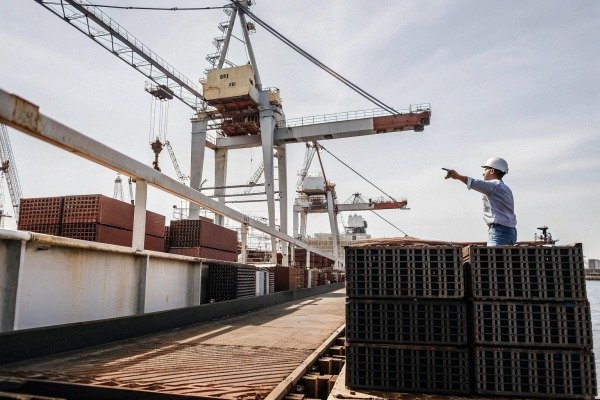
The Importer of Record Problem
US Customs does not care about Incoterms when assessing penalties. They care about the Importer of Record 5 (IOR). Under most DDP arrangements, the buyer remains IOR.
If your Vietnamese supplier:
- Declares goods at artificially low values
- Uses incorrect HTS tariff codes
- Omits required certifications
- Misdescribes product materials
You face the consequences. Fines range from $5,000 to seizure of goods.
Anti-Dumping Duties and Vietnam Plastics
This matters now more than ever. US trade authorities have increased scrutiny on Vietnamese plastic products. In 2024-2025:
- PET plastic products faced anti-dumping investigations
- HDPE containers drew countervailing duty reviews
- Blow molding parts fall within targeted HTS codes
If your supplier handles DDP and uses questionable classifications, your company appears on Customs records—not theirs.
How Suppliers Create Compliance Risks
| Supplier Action | Compliance Risk | Your Exposure |
|---|---|---|
| Undervalues invoice | Duty evasion | Fines + back duties |
| Wrong HTS code | Misclassification | Penalties + seizure |
| Missing origin certificate | Country misrepresentation | Anti-dumping duties 6 |
| Incomplete packing list | Documentation violation | Delayed clearance |
| Undeclared materials | False statements | Criminal liability |
Protecting Yourself Under Any Incoterm
Whether you use FOB or DDP, take these steps:
- Verify HTS codes yourself: Do not rely on supplier classifications.
- Review commercial invoices: Check values match your purchase orders.
- Require origin certificates: Vietnam Certificate of Origin prevents transshipment issues.
- Maintain records: Keep documentation for 5+ years per Customs requirements.
- Use a licensed customs broker: They catch errors before filing.
The FOB Advantage for Compliance
Under FOB, your customs broker prepares all import documentation using your verified information. They classify goods based on technical specifications you provide—not guesses from a Vietnamese factory.
This direct control reduces compliance risk significantly. Our clients using FOB report 67% fewer Customs inquiries than those using DDP.
When to Involve Legal Counsel
If your annual imports exceed $500,000, consider:
- Customs compliance audit
- HTS classification ruling requests
- Importer Security Filing (ISF) review
- Anti-dumping exposure assessment
The investment prevents problems that cost 10x more to fix after Customs acts.
Conclusion
For sourcing plastic blow molding parts from Vietnam, FOB offers experienced buyers better protection through cost transparency and logistics control. Start with DDP for samples. Switch to FOB for production volumes.
Need help navigating Vietnam sourcing decisions? Contact our team at sa***@*******ch.com for a consultation on your specific requirements.
Notes de bas de page
1. Provides a general overview of the manufacturing process for hollow plastic items. ↩︎
2. Explains the latest international trade terms for defining responsibilities. ↩︎
3. Official website for the primary border control organization regulating international trade. ↩︎
4. Official source for the Harmonized Tariff Schedule used to classify imported goods and determine duties. ↩︎
5. Defines the party legally responsible for imported goods’ compliance and duties. ↩︎
6. Explains duties imposed on imported goods sold at less than fair value to protect domestic industries. ↩︎

 English
 Español de México
 Deutsch
 Français
 Русский
 العربية