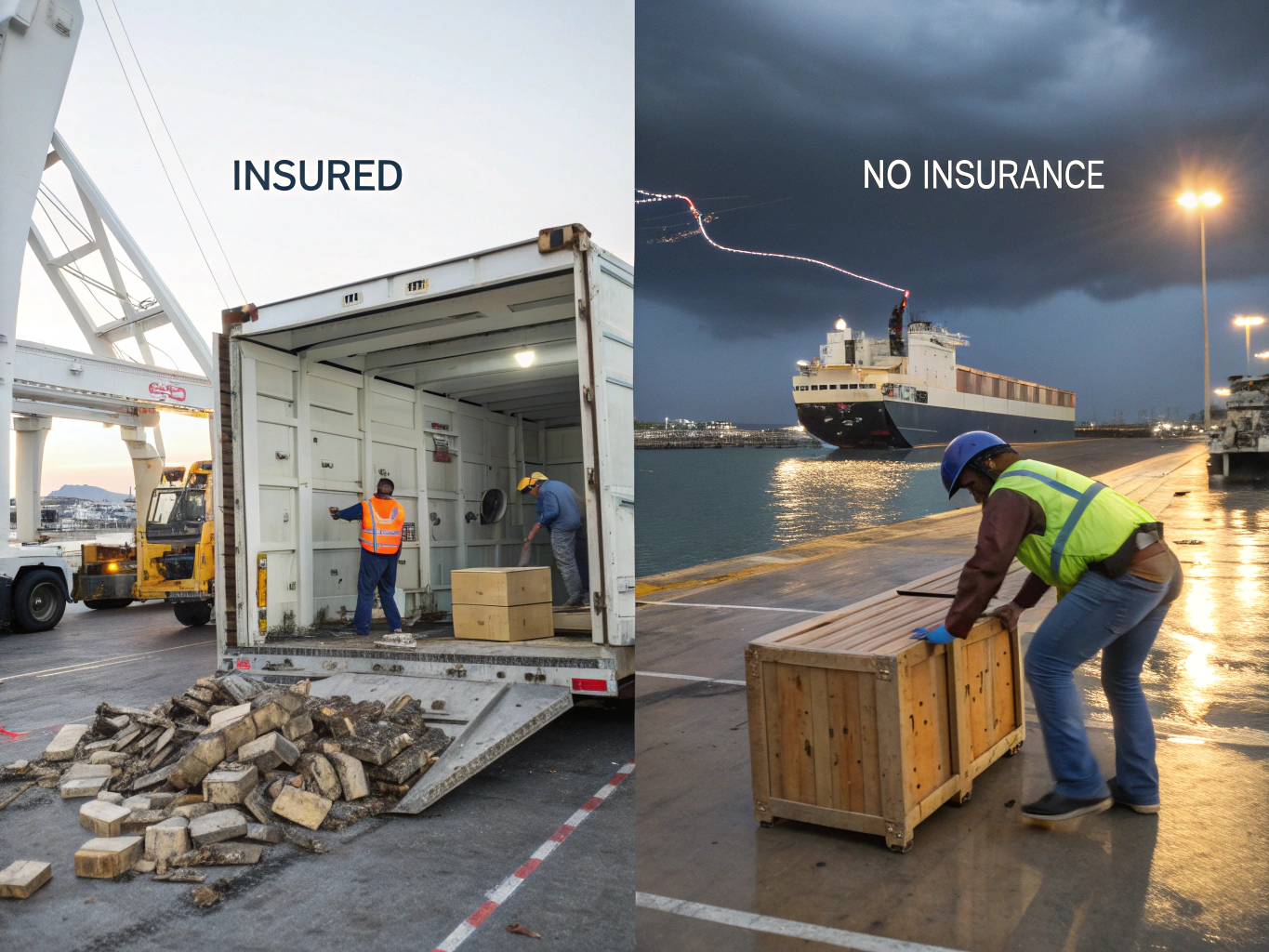
Sometimes I get this question from new clients: “Is cargo insurance really necessary?” They often assume freight already includes protection. But after one costly lesson, I learned the hard way—it’s not.
Importers are not legally required to buy cargo insurance, but having it can prevent serious financial loss from goods damaged, stolen, or lost in transit.
Without cargo insurance, you’re one storm, accident, or theft away from losing your shipment and your money. Here’s what you need to know to protect your investment.
What Types of Cargo Insurance Are Available for Steel Imports?
I used to think all cargo insurance was the same. That was until I started working with different policies across multiple countries. It turns out there are many types, each offering varying levels of protection.
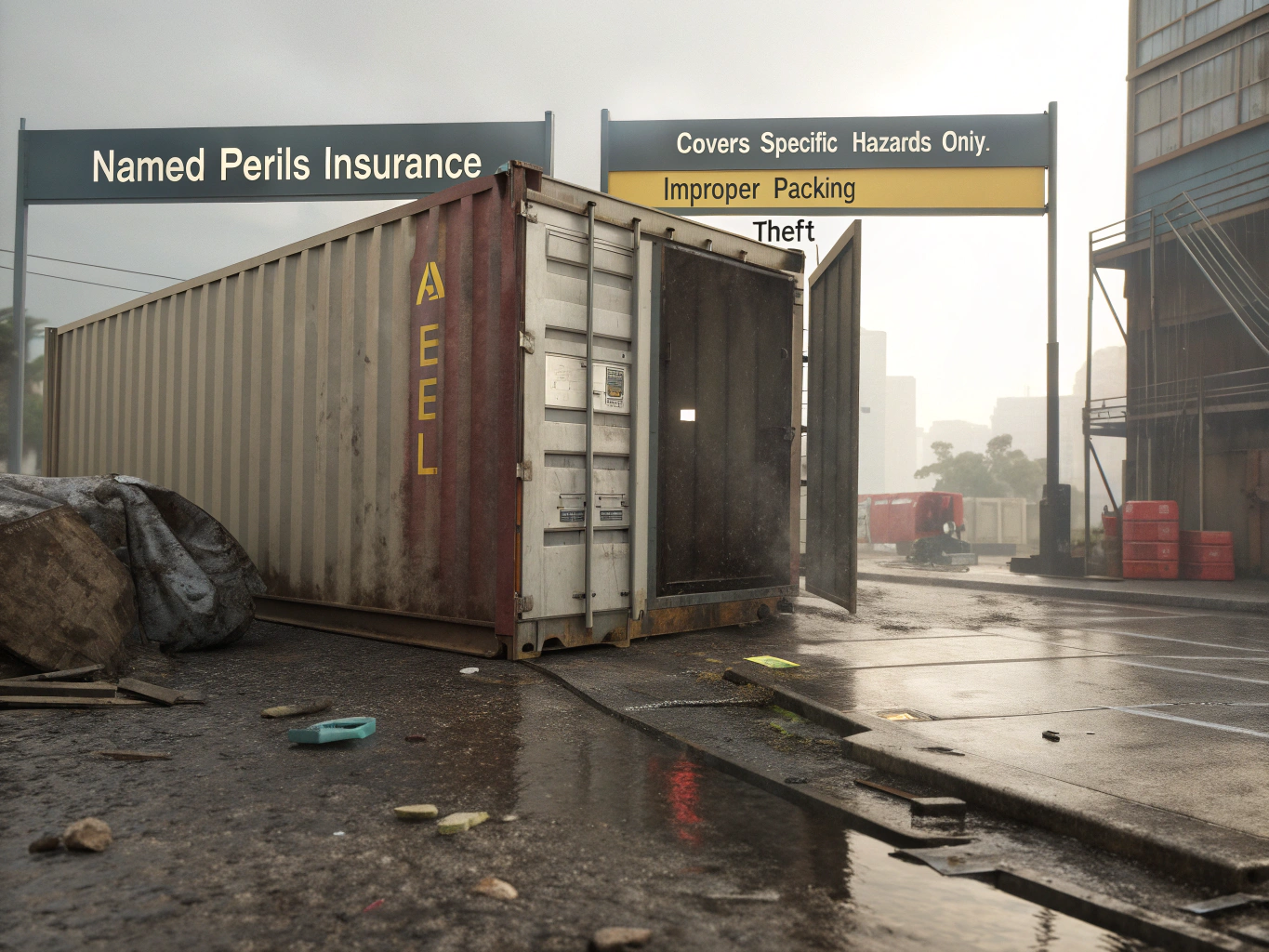
The main types of cargo insurance include All Risk 1, Named Perils 2, and Total Loss 3. All Risk is the most comprehensive and best suited for valuable and fragile goods like precision steel parts.
When choosing a policy for steel imports, it’s essential to understand these types:
All Risk Insurance
This covers most types of physical loss or damage caused by external factors. It excludes losses from delay, poor packaging, or customs rejection. It’s ideal for precision-machined steel parts.
Named Perils Insurance
This only covers risks specifically listed in the policy, like fire, collision, or theft. It’s cheaper but riskier for high-value goods.
Total Loss Insurance
This is the least expensive and covers only complete loss of cargo. It doesn’t cover partial damage. Not recommended unless the shipment has low value.
| Insurance Type | Coverage Scope | Best Use Case |
|---|---|---|
| All Risk | Most external damages and losses | High-value, fragile, or complex goods |
| Named Perils | Specific listed risks only | Lower-value items or low-risk routes |
| Total Loss | Complete loss of cargo | Bulk goods with low replacement cost |
Always review the fine print and discuss with your logistics provider to ensure your policy matches your cargo type and route.
How Does Cargo Insurance Protect Against Transit Risks?
When I had a shipment stuck at a port due to flooding, the damage was unavoidable. Luckily, we had the right coverage. Otherwise, the financial loss would’ve been substantial.
Cargo insurance provides financial compensation for damage or loss caused by common transit risks like accidents, theft, weather, or handling errors.

Steel imports are exposed to various hazards from point A to B:
Common Transit Risks for Steel Parts
- Weather-related damage (e.g., moisture corrosion)
- Accidents during loading/unloading
- Container mishandling
- Theft during land transport
- Delays leading to storage and damage
These risks vary by transport mode—sea, air, or land. Cargo insurance steps in to cover the financial loss if these events happen. Without it, importers bear the full cost.
| Risk Type | Cause | Insurance Relevance |
|---|---|---|
| Physical Damage | Handling, stacking, collision | Covered by All Risk and some Named Perils |
| Theft | Transit theft, hijacking | Covered by most cargo insurance policies |
| Natural Disasters | Storms, floods, earthquakes | Often covered under All Risk |
| Piracy | Shipping through high-risk areas | May need additional premium |
Understanding your specific risk exposure helps you choose a policy that closes all the gaps.
Is Cargo Insurance Mandatory for Importing Steel Parts?
One of my clients once assumed the seller’s insurance was enough under CIF. When the shipment arrived damaged, it covered just a fraction of the value. That was a wake-up call.
Cargo insurance is not mandatory under law, but contract terms like Incoterms 4 and buyer requirements may make it obligatory in practice.

It depends on the contract. Here’s how:
Role of Incoterms
Under CIF (Cost, Insurance, and Freight) 5 or CIP (Carriage and Insurance Paid to) 6, the seller is responsible for insurance—but only to a minimum standard (usually 110% of cost).
This minimal coverage often excludes many risks. If the importer needs more protection, they must buy additional insurance themselves.
When It Becomes Mandatory
- By contract: Some buyers or banks require cargo insurance.
- By law: Certain countries or regions may mandate coverage, especially for hazardous or high-value goods.
- By risk profile: If damage or loss could lead to major financial issues, internal policy may demand it.
| Condition | Insurance Required? |
|---|---|
| FOB (Free on Board) | Importer must insure |
| CIF / CIP | Seller provides minimum coverage |
| High-value shipment | Strongly recommended or required |
| Buyer’s contractual terms | Often mandatory |
So, even when it’s not mandatory by law, it may be required to protect your bottom line.
How to Choose the Right Cargo Insurance Policy for Your Needs?
I once bought a cheaper insurance plan for a high-value precision gear set. It excluded water damage, which turned out to be the main cause of loss. I learned to always read the exclusions.
To choose the right cargo insurance, evaluate your cargo’s value, route risks, policy exclusions, and your Incoterm responsibilities. Compare offers from specialized insurers or brokers.

Here’s a checklist to help guide your decision:
Step 1: Understand Your Risk
Ask yourself:
- What’s the cargo value?
- How fragile is it?
- What transit modes are involved?
- Are there known risks on this route?
Step 2: Review Your Incoterm
Are you using FOB or EXW? Then you need full coverage. Using CIF? Check how much the seller’s insurance actually covers.
Step 3: Compare Policies
Look at:
- Coverage type (All Risk, Named Perils)
- Exclusions (e.g., delay, poor packaging)
- Deductibles
- Claim process speed
Step 4: Verify the Insurer
Use brokers with cargo-specific experience. Make sure they understand your business and products.
| Evaluation Factor | Why It Matters |
|---|---|
| Coverage Type | Defines what losses are covered |
| Exclusions | Prevents surprises during claims |
| Claim Process | Affects how fast you get reimbursed |
| Insurer Reputation | Ensures trust and reliability |
| Deductibles | Impacts how much you pay out-of-pocket |
Choosing well means peace of mind—your goods, and your money, are safe.
Conclusion
Cargo insurance isn’t legally required, but not having it can lead to serious losses. Choose wisely based on your cargo, risks, and responsibilities.
Comprehensive protection against most external risks during transit. ↩
Coverage limited to specific perils listed in the policy. ↩
Covers only complete loss of cargo; excludes partial damages. ↩
Defines responsibilities in international trade, including insurance obligations. ↩
Seller provides minimum insurance coverage under CIF terms. ↩
Seller provides insurance under CIP terms, often with broader coverage. ↩

 English
 Español de México
 Deutsch
 Français
 Русский
 العربية