
Lorsque notre équipe d'approvisionnement à Singapour coordonne avec des usines de moulage par soufflage au Vietnam et des clients aux États-Unis, nous vivons le chaos quotidien des appels manqués, des approbations retardées et des e-mails urgents qui restent non lus pendant des heures. protocoles de communication asynchrone 1. La frustration est réelle. Une réponse retardée sur une spécification de moule peut retarder votre calendrier de production entier de plusieurs semaines.
Gérer la communication inter-fuseaux horaires lors de l'approvisionnement pièces moulées par soufflage en plastique 2 nécessite d'établir des plages de réunion qui se chevauchent, d'utiliser des outils asynchrones pour la documentation technique, de définir des SLA de réponse clairs et de construire des protocoles de communication standardisés. Ces stratégies réduisent les retards, évitent les malentendus et maintiennent votre calendrier de production sur la bonne voie.
Dans ce guide, nous partageons le manuel exact que notre équipe utilise pour coordonner des décalages horaires de 8 à 13 heures. outils de gestion de projet 3. Vous apprendrez des étapes pratiques pour rationaliser votre communication, protéger vos délais de projet et établir des relations plus solides avec vos fournisseurs.
Comment établir une routine de communication efficace avec des fournisseurs dans un fuseau horaire différent ?
Nos ingénieurs ont constaté que le plus grand tueur de productivité n'est pas le décalage horaire lui-même. Le vrai problème est de ne pas avoir de système clair sur quand et comment communiquer.
Pour établir une routine de communication efficace, cartographiez vos heures de travail qui se chevauchent, désignez des créneaux horaires spécifiques pour les discussions en direct, définissez les attentes en matière de temps de réponse pour différents niveaux de priorité et utilisez des calendriers partagés avec visibilité des fuseaux horaires. Cette structure garantit que les deux parties savent exactement quand attendre des réponses.

Commencez par la cartographie des fuseaux horaires
Avant d'envoyer un seul e-mail, comprenez le chevauchement réel que vous avez avec votre fournisseur. De nombreux acheteurs supposent qu'ils n'ont aucun chevauchement avec les fournisseurs asiatiques. C'est rarement vrai.
Lorsque nous travaillons avec des clients de la côte Est des États-Unis et que nous coordonnons avec des usines de moulage par soufflage vietnamiennes, nous trouvons généralement 2 à 3 heures de chevauchement tôt le matin au Vietnam et tard le soir aux États-Unis. Cette petite fenêtre devient extrêmement précieuse.
Utilisez des outils gratuits comme World Time Buddy 4 ou la fonction d'horloge mondiale de Google Agenda. Tracez vos heures de travail par rapport aux heures de votre fournisseur. Identifiez le chevauchement, même s'il ne s'agit que d'une heure.
| Lieu de l'acheteur | Région du fournisseur | Heures de chevauchement | Meilleure utilisation du chevauchement |
|---|---|---|---|
| Est des États-Unis (EST) | Vietnam (ICT) | 2-3 heures | Approbations urgentes de moules, problèmes de qualité |
| Est des États-Unis (EST) | Chine (CST) | 1-2 heures | Clarifications de spécifications critiques |
| Ouest des États-Unis (PST) | Vietnam (ICT) | 1-2 heures | Appels de révision de prototypes |
| Europe (CET) | Vietnam (ICT) | 4-5 heures | Points quotidiens, mises à jour de routine |
Créer un calendrier de communication hebdomadaire
Une fois que vous connaissez votre chevauchement, établissez un calendrier prévisible. Dans notre entreprise, nous réservons des créneaux de réunion récurrents pour chaque client majeur. Les fournisseurs savent exactement quand s'attendre à des appels.
Pour les mises à jour de routine, nous utilisons des méthodes asynchrones comme l'e-mail et Slack. Pour les décisions urgentes, nous réservons la fenêtre de chevauchement. Cela évite aux deux parties de rester éveillées à des heures déraisonnables.
Définir des SLA de réponse clairs
Définissez ce que signifie réellement "urgent". Tous les e-mails ne méritent pas une réponse à minuit. Nous utilisons un système à trois niveaux.
| Niveau de priorité | Temps de réponse | Exemples de problèmes |
|---|---|---|
| Critique | Dans les 2 heures | Arrêt de la chaîne de production, retard d'expédition |
| Élevé | Dans les 8 heures | Défaut de moule découvert, pénurie de matériaux |
| Norme | Dans les 24 heures | Demandes de devis, questions de routine |
Documentez ces attentes dans votre accord fournisseur. Revoyez-les lors de votre premier appel. Cela évite la frustration des deux côtés.
Utilisez les calendriers partagés de manière religieuse
Chaque invitation à une réunion doit inclure le fuseau horaire. Écrivez "Vendredi 9h00 EST / 20h00 ICT" dans chaque invitation. Ne supposez jamais que votre fournisseur fera la conversion correctement.
Nous recommandons également d'ajouter des rappels automatiques. Définissez un rappel de 24 heures et de 1 heure pour tous les appels planifiés. Cela réduit considérablement les absences.
Quelles sont les meilleures façons de clarifier les spécifications techniques du moulage par soufflage sans réunions en personne ?
D'après notre expérience de production, les erreurs de communication technique causent plus de retouches que tout autre facteur. Lorsque votre fournisseur interprète mal une spécification d'épaisseur de paroi ou une exigence de rapport de soufflage, vous perdez des semaines et des milliers de dollars.
Les meilleures façons de clarifier les spécifications techniques du moulage par soufflage à distance incluent l'utilisation de dessins CAO annotés, la création de visites vidéo des exigences critiques, le maintien d'un glossaire technique partagé et la mise en œuvre d'un processus d'examen en plusieurs étapes. La documentation visuelle réduit considérablement les erreurs d'interprétation.

Remplacer les longs e-mails par une documentation visuelle
Les spécifications techniques ne se traduisent pas bien par le texte seul. Notre équipe d'ingénierie l'a appris à ses dépens. Une épaisseur de paroi écrite comme "2,0 mm ± 0,1 mm" dans un e-mail peut être mal interprétée. La même spécification montrée sur un dessin annoté avec des flèches pointant vers des emplacements exacts ne laisse aucune place à la confusion. Dessins CAO annotés 5
Utilisez des outils d'annotation PDF pour mettre en évidence les dimensions critiques. Entourez les exigences de tolérance. Ajoutez des zones d'appel expliquant pourquoi certaines spécifications sont importantes. Traitez votre dossier technique comme si vous l'expliquiez à quelqu'un qui ne peut pas poser de questions de suivi.
Enregistrer des visites guidées vidéo
Pour les pièces de moulage par soufflage complexes comme les réservoirs de carburant automobiles ou les conteneurs industriels, les spécifications écrites ne suffisent pas. Nous enregistrons maintenant des vidéos de 3 à 5 minutes parcourant chaque dessin.
Pointez les zones critiques. Expliquez la fonction de la pièce. Décrivez ce qui se passe si une spécification n'est pas respectée. Ces vidéos deviennent des références permanentes que les fournisseurs peuvent consulter à plusieurs reprises.
Des outils comme Loom ou même de simples enregistrements de smartphone fonctionnent bien. Téléchargez-les dans un dossier partagé auquel les deux équipes peuvent accéder.
Créer un glossaire technique
Le moulage par soufflage a une terminologie spécialisée. glossaire technique 6 Des mots comme "paraison", "point de soudure", "bavure" et "ratio de soufflage" ont des significations spécifiques. Votre fournisseur peut utiliser des termes différents ou les comprendre différemment.
| Terme anglais | Définition | Alternatives courantes |
|---|---|---|
| Parisone 7 | Le tube creux de plastique fondu avant le soufflage | Préforme, tube |
| Rapport de soufflage | Rapport entre le diamètre de la cavité du moule et le diamètre de la paraison | Rapport d'expansion |
| Pincement | Zone où les deux moitiés du moule scellent la paraison | Ligne de soudure, zone de scellage |
| Flash | Plastique en excès retiré de la pièce finie | Bavure, déchet de coupe |
Créez un document de glossaire partagé. Ajoutez des photos ou des schémas pour chaque terme. Passez-le en revue avec votre fournisseur lors de l'intégration. Mettez-le à jour chaque fois qu'une confusion survient.
Mettre en œuvre des examens multi-étapes
N'attendez pas l'arrivée des échantillons pour découvrir des malentendus sur les spécifications. Intégrez des points de contrôle dans votre processus.
Première étape : Le fournisseur confirme avoir reçu et compris tous les dessins. Il doit en accuser réception par écrit.
Deuxième étape : Avant le début de la découpe du moule, le fournisseur présente son interprétation des spécifications critiques. Vous corrigez tout malentendu.
Troisième étape : Les premiers échantillons arrivent avec un rapport d'inspection. Comparez systématiquement avec les spécifications d'origine.
Cette approche par étapes permet de détecter les erreurs tôt, lorsqu'il est peu coûteux de les corriger.
Comment puis-je éviter les retards de projet causés par le décalage des réponses par e-mail ?
Nos coordinateurs logistiques suivent chaque cause de retard. Le décalage horaire des e-mails représente environ 30% de tous les retards dans le calendrier des projets. Une simple question posée le lundi matin, heure des États-Unis, pourrait ne pas recevoir de réponse avant le mardi matin. Cela représente 24 heures perdues sur un seul échange.
Pour éviter les retards dus aux délais de messagerie, privilégiez les protocoles de communication asynchrones, utilisez des outils de gestion de projet dotés de systèmes de notification, regroupez vos questions en messages complets et uniques, et établissez des voies d'escalade pour les problèmes urgents. Ces méthodes permettent aux projets d'avancer malgré les écarts de temps.

Maîtriser la communication asynchrone
La communication asynchrone signifie que votre message contient tout ce dont le destinataire a besoin pour agir sans poser de questions de suivi. Cette compétence transforme le travail entre différents fuseaux horaires.
Mauvais e-mail : " Pouvez-vous vérifier le statut du moule ? "
Bon e-mail : " Veuillez confirmer le statut actuel du moule #BM-2024-056 pour la bouteille HDPE de 500 ml. Spécifiquement : 1) La découpe de l'acier a-t-elle commencé ? 2) Date d'achèvement prévue pour les échantillons T1 ? 3) Y a-t-il des problèmes avec la conception du canal de refroidissement dont nous avons discuté ? Veuillez répondre avant mercredi 17h00 EST afin que nous puissions mettre à jour notre client. "
Le bon e-mail comprend le numéro de pièce, les questions spécifiques, le contexte et une date limite avec le fuseau horaire. Le fournisseur peut répondre complètement en un seul message.
Utiliser des journaux de décisions
Chaque décision doit être documentée avec quatre éléments : ce qui a été décidé, pourquoi, qui est responsable de l'action et ce qui se passe ensuite. Nous conservons ces journaux dans des documents partagés auxquels les deux équipes peuvent accéder.
Lorsque vous vous réveillez et découvrez qu'une décision a été prise pendant votre sommeil, vous comprenez immédiatement le contexte. Pas besoin d'échanges aller-retour.
Regrouper vos questions
Au lieu d'envoyer cinq e-mails distincts tout au long de votre journée, rassemblez toutes vos questions dans un seul message complet. Envoyez-le à la fin de votre journée de travail, ce qui correspond au début de la journée de votre fournisseur.
Cette approche respecte le temps de votre fournisseur. Il peut traiter toutes les questions en une seule session ciblée plutôt qu'en vérifiant ses e-mails à plusieurs reprises.
Créer des voies d'escalade pour les problèmes urgents
Certains problèmes ne peuvent pas attendre 24 heures. Un lot de résine contaminé, une panne de machine ou une date limite d'expédition peuvent nécessiter une attention immédiate.
Établissez une matrice d'escalade. Définissez ce qui est considéré comme urgent. Spécifiez qui contacter. Fournissez des numéros de téléphone mobile pour les urgences réelles. Nous recommandons WhatsApp ou des applications similaires qui fonctionnent de manière fiable à travers les frontières.
Mais utilisez cette voie avec parcimonie. Si tout est urgent, rien ne l'est. Réservez l'escalade aux urgences réelles.
Ai-je besoin d'un représentant local pour gérer les opérations quotidiennes pendant mon sommeil ?
Lorsque nous avons agrandi nos bureaux au Vietnam, cette question a motivé la décision. Avoir des membres d'équipe locaux a transformé notre capacité à servir les clients américains commandant auprès de fournisseurs asiatiques.
La nécessité d'un représentant local dépend de votre volume de commande, de sa complexité et de votre tolérance au risque. Pour les projets de moulage par soufflage à gros volume ou techniquement complexes, une représentation locale réduit considérablement les retards et les problèmes de qualité. Pour les projets plus simples, des systèmes asynchrones robustes peuvent suffire.
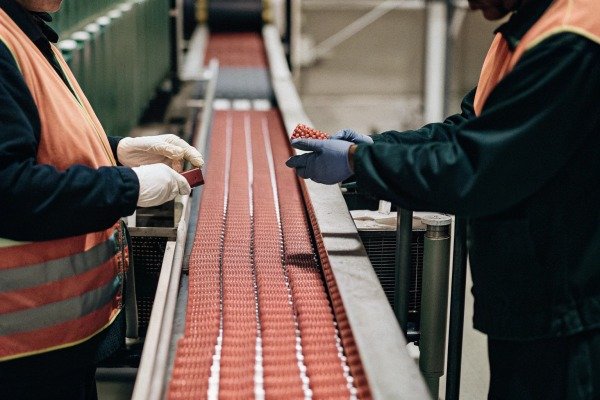
Lorsque la représentation locale ajoute de la valeur
Les représentants locaux excellent dans trois scénarios.
Premièrement, lorsque les problèmes de production nécessitent une présence physique immédiate. Un défaut de moule peut nécessiter que quelqu'un soit à l'usine pour examiner le problème. Les photos et vidéos ne montrent pas tout.
Deuxièmement, lorsque les barrières culturelles et linguistiques créent des frictions. Nos membres d'équipe vietnamiens parlent la langue locale et comprennent les coutumes commerciales locales. Ils saisissent les nuances qui se perdent dans la traduction.
Troisièmement, lorsque vous avez besoin d'une surveillance de la qualité en temps réel. Pour les projets critiques de moulage par soufflage, avoir quelqu'un qui effectue des inspections en cours de production pendant les heures de production empêche les problèmes de s'aggraver.
Analyse coûts-avantages
La représentation locale coûte de l'argent. Les salaires, les locaux, les avantages sociaux et les frais généraux de gestion s'accumulent. Vous devez peser cela par rapport au coût des retards et des défaillances de qualité.
| Facteur | Sans représentant local | Avec représentant local |
|---|---|---|
| Temps de réponse pour les problèmes urgents | 8-24 heures | 1-4 heures |
| Détection des problèmes de qualité | Après expédition | Pendant la production |
| Profondeur de la relation fournisseur | Transactionnel | Partenariat |
| Frais généraux mensuels | $0 | $3,000-8,000 |
| Réduction typique des délais | Ligne de base | 30-50% plus rapide |
Pour des volumes d'approvisionnement annuels inférieurs à 200 000 $, les frais généraux justifient rarement un personnel local à temps plein. Au-dessus de 500 000 $ par an, le calcul est généralement rentable.
Alternatives au personnel à temps plein
Vous n'avez pas besoin d'embaucher votre propre équipe. Les agents d'approvisionnement tiers, les sociétés de commerce ayant une présence locale ou les représentants à temps partiel offrent des solutions intermédiaires.
Notre entreprise fournit ce service aux clients américains. Nous maintenons des équipes locales qui gèrent la coordination quotidienne des fournisseurs, les inspections de qualité et la résolution des problèmes. Les clients bénéficient des avantages sans les frais généraux fixes.
Une autre option consiste à s'associer à des sociétés d'inspection qui proposent des services de surveillance continue. Elles peuvent assurer des visites régulières en usine et des rapports en temps réel.
Créer de la redondance
Même avec une représentation locale, intégrez de la redondance dans votre système de communication. Documentez tous les processus afin que tout membre de l'équipe puisse intervenir. Formez des contacts de secours. Ne laissez jamais les connaissances critiques reposer sur la tête d'une seule personne.
Conclusion
La gestion de la communication inter-fuseaux horaires lors de l'approvisionnement en pièces de moulage par soufflage nécessite des systèmes, pas des actes héroïques. Établissez des routines claires, utilisez efficacement les outils asynchrones et envisagez un soutien local pour les projets complexes.
Notes de bas de page
1. Explique la communication asynchrone, ses avantages et comment l'utiliser efficacement en entreprise. ↩︎
2. Donne un aperçu du processus de fabrication pour la formation de pièces en plastique creuses. ↩︎
3. Fournit un guide complet sur les logiciels de gestion de projet pour les équipes distribuées. ↩︎
4. Site officiel de l'outil de conversion de fuseaux horaires et de planification de réunions. ↩︎
5. Guide sur le développement de normes CAO, y compris les meilleures pratiques pour les annotations. ↩︎
6. Remplacement de HTTP inconnu par un glossaire spécifiquement pour les termes de moulage par soufflage provenant d'une source de l'industrie. ↩︎
7. Définit le ‘ parison ’ comme un composant clé du processus de moulage par soufflage. ↩︎

 English
 Español de México
 Deutsch
 Français
 Русский