Lorsque notre équipe traite les documents d'expédition pour les clients important pièces moulées par soufflage en plastique 1 du Vietnam, une question revient sans cesse. Quel Incoterm protège mieux les acheteurs : FOB ou DDP ? Les enjeux sont réels. Un mauvais choix peut entraîner des marchandises endommagées, des droits de douane surprises ou des semaines de retards.
Le FOB est généralement plus sûr pour les importateurs expérimentés qui s'approvisionnent en pièces de moulage par soufflage de plastique au Vietnam. Il offre un plus grand contrôle sur la logistique, des coûts transparents et un risque de fraude réduit. Le DDP offre la commodité aux acheteurs novices, mais sacrifie la visibilité et peut inclure des majorations de coûts cachées de 20 à 30 %.
Ce guide détaille les différences réelles entre FOB et DDP pour l'approvisionnement en plastiques du Vietnam. Nous aborderons les calculs de coûts, le contrôle de l'expédition, la responsabilité légale et les mesures pratiques pour protéger vos commandes.
DDP m'offre-t-il vraiment plus de sécurité que le FOB lors de l'approvisionnement au Vietnam ?
Notre bureau au Vietnam gère des dizaines d'expéditions de moulage par soufflage de plastique chaque mois. Nous constatons que les acheteurs supposent que DDP signifie zéro risque. Cette hypothèse conduit souvent à des surprises coûteuses.
DDP transfère toute la responsabilité de l'expédition au vendeur, mais cela n'élimine pas le risque pour l'acheteur. Les fournisseurs vietnamiens peuvent manquer d'expertise en matière d'importation aux États-Unis, ce qui entraîne des erreurs de calcul des droits de douane, des retards douaniers, voire la saisie de la cargaison. Le FOB donne aux acheteurs un contrôle direct sur les transporteurs et les courtiers en douane, réduisant ainsi l'exposition aux erreurs du vendeur.
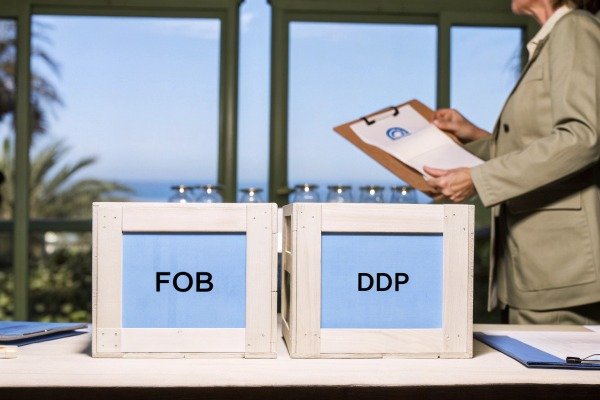
Comprendre les points de transfert de risque
Selon Incoterms 2020 2, FOB (Free On Board) transfère le risque à l'acheteur une fois que les marchandises sont chargées sur le navire dans les ports vietnamiens comme Ho Chi Minh-Ville ou Hai Phong. DDP (Delivered Duty Paid) conserve le risque auprès du vendeur jusqu'à ce que les marchandises atteignent votre entrepôt américain, prêtes à être déchargées.
Cela semble plus sûr pour les acheteurs. Mais le transfert de risque n'est pas la même chose que l'élimination du risque.
Là où la sécurité DDP fait défaut
De nombreux fournisseurs vietnamiens de moulage par soufflage excellent dans la fabrication. Ils comprennent les grades de résine, l'épaisseur de paroi et la conception des moules. Les réglementations d'importation ? C'est une autre histoire.
Lorsqu'un fournisseur gère le DDP, il contrôle la documentation douanière. S'il sous-évalue les marchandises ou classe mal les codes tarifaires, les douanes américaines 3 vous tient responsable. Nous avons vu des acheteurs recevoir des avis de pénalité de 15 000 $ pour des erreurs de fournisseur sur des expéditions DDP.
Les dangers cachés de l'approvisionnement "clé en main"
La commodité du DDP crée des angles morts :
| Facteur de risque | Exposition DDP | Contrôle FOB |
|---|---|---|
| Sélection du transporteur | Le vendeur choisit l'option la moins chère | L'acheteur sélectionne les transporteurs préférés |
| Couverture d'assurance | Politique générale du vendeur | L'acheteur spécifie une couverture adaptée aux plastiques |
| Documentation douanière | Le vendeur prépare (erreurs possibles) | Le courtier de l'acheteur contrôle l'exactitude |
| Calculs des droits de douane | Le vendeur estime (souvent gonflé) | L'acheteur vérifie les tarifs réels |
| Itinéraire de transit | Le vendeur décide (peut ajouter des arrêts) | L'acheteur optimise pour la vitesse/la sécurité |
Quand le DDP est judicieux
Le DDP est adapté aux envois d'échantillons de moins de 500 kg ou aux premières commandes pendant que vous évaluez un fournisseur. Notre recommandation : utilisez le DDP pour tester une relation. Passez au FOB une fois que vous vous engagez sur des volumes de production.
Chiffres réels sur les taux de réclamation
Les données de l'industrie du fret de 2024 montrent que 12% des expéditions DDP depuis l'Asie font face à des litiges douaniers. Expéditions FOB ? Seulement 4%. Pour les pièces de moulage par soufflage, fragiles et à fort volume, cette différence est importante.
Comment calculer la différence de coût réel débarqué pour mes commandes de pièces en plastique ?
Notre équipe de devis établit quotidiennement des comparaisons de coûts. Le prix affiché sur un devis DDP ne raconte rarement toute l'histoire.
Pour calculer le coût réel débarqué, décomposez chaque élément : prix d'usine, transport intérieur, frais d'exportation, fret maritime, assurance, droits de douane américains, frais de courtage en douane et livraison finale. Les cotations FOB atterrissent généralement 10 à 25 % plus bas que les cotations DDP pour les itinéraires Vietnam-États-Unis, car les acheteurs négocient chaque élément directement.

Décomposition d'un exemple réel
Comparons un conteneur de 20 pieds de pièces de moulage par soufflage en HDPE (bouteilles en plastique) de Ho Chi Minh-Ville à Los Angeles.
| Composante du coût | FOB (Payé par l'acheteur) | DDP (Devis du vendeur) |
|---|---|---|
| Prix usine (10 000 unités) | $18,000 | $18,000 |
| Transport intérieur au Vietnam | Inclus | Inclus |
| Douanes d'exportation | Inclus | Inclus |
| Fret maritime | $1,200 | $1,600 |
| Assurance maritime | $180 | $350 |
| Droits d'importation américains (5%) | $900 | $1,200 |
| Courtage en douane américain | $150 | $300 |
| Livraison finale à l'entrepôt | $400 | $600 |
| Coût total débarqué | $20,830 | $22,050 |
| Différence | — | +$1,220 (5.9%) |
Le devis DDP semble simple. Mais le vendeur a intégré des marges sur le fret, l'assurance et les droits de douane. Sur les commandes plus importantes, cet écart se creuse à 20-25%.
Où les vendeurs ajoutent des marges cachées
Les fournisseurs vietnamiens absorbent rarement les coûts DDP à leurs tarifs réels. Domaines de majoration courants :
- Fret maritime : Les vendeurs utilisent des tarifs consolidés mais vous facturent des prix premium.
- Droits de douane : Les vendeurs estiment haut. Si les droits de douane réels sont inférieurs, ils conservent la différence.
- Assurance : Les polices de fret génériques coûtent moins cher. Les vendeurs facturent une couverture complète qu'ils n'achètent peut-être pas.
L'avantage FOB pour les acheteurs en volume
Lorsque vous contrôlez chaque composante du coût, vous gagnez en pouvoir de négociation. Nos clients qui expédient 4 conteneurs ou plus par mois économisent 800 à 1 500 $ par expédition en :
- Contractant directement avec les compagnies maritimes
- Utilisant des transitaires spécialisés dans les plastiques du Vietnam
- Sélectionnant des polices d'assurance conçues pour les produits moulés par soufflage
Créer votre propre calculateur de coûts
Créez une feuille de calcul avec ces postes :
- Prix unitaire (port FOB Vietnam)
- Type et nombre de conteneurs
- Frais du port d'origine
- Tarif du fret maritime
- Prime d'assurance maritime
- Manutention au port américain
- Taux de droit d'importation (utilisez Codes SH 4)
- Frais de courtage en douane
- Livraison du dernier kilomètre
- Contingence (tampon 5%)
Mettre à jour les tarifs de fret trimestriellement. Les tarifs Vietnam-États-Unis ont fluctué de 40% rien qu'en 2024.
Vais-je perdre le contrôle des délais de livraison si je fais confiance au fournisseur pour le DDP ?
Lorsque nous coordonnons les expéditions depuis notre usine vietnamienne, le timing est essentiel. Les pièces moulées par soufflage alimentent souvent des lignes de production qui ne peuvent pas attendre.
Oui, le DDP réduit votre contrôle sur les délais d'expédition. Le vendeur sélectionne les transporteurs, les itinéraires et les horaires de navigation en fonction de ses priorités, généralement des économies de coûts. Le FOB permet aux acheteurs de choisir des itinéraires plus rapides, des transporteurs préférés et des traversées directes, améliorant les livraisons à temps de 15% selon les données de fret de 2024.

Comment les vendeurs optimisent pour leur bénéfice
En vertu de la DDP, les fournisseurs vietnamiens ont généralement tendance à :
- Réserver le navire le moins cher disponible (délais de transit plus longs)
- Utiliser des routes de transbordement avec plusieurs escales
- Consolider votre cargaison avec d'autres expéditions (retards jusqu'à ce que le conteneur soit plein)
- Prioriser leurs autres commandes DDP par rapport à la vôtre
Congestion portuaire et sélection des routes
Les principaux ports d'exportation du Vietnam sont confrontés à différents niveaux de congestion :
| Port | Retard moyen en 2025 | Idéal pour |
|---|---|---|
| Hô Chi Minh-Ville (Cat Lai) | 1-2 jours | Usines du sud, fréquence de navires la plus rapide |
| Hai Phong | 3-5 jours | Fournisseurs du Nord, infrastructures plus récentes |
| Da Nang | 1-2 jours | Centre du Vietnam, volumes plus petits |
Sous FOB, vous choisissez le port et le calendrier de navigation. Sous DDP, le vendeur décide.
Le problème du transbordement
De nombreuses expéditions DDP transitent par Singapour, la Malaisie ou Hong Kong. Chaque transbordement ajoute :
- 3-7 jours de temps de transit
- Manutention supplémentaire (risque de dommages pour les plastiques moulés par soufflage)
- Complications documentaires
Les départs directs coûtent plus cher mais protègent les pièces en plastique fragiles des levages répétés par grue.
Contrôler le calendrier de construction avec FOB
Nos clients qui ont besoin d'une livraison prévisible utilisent FOB avec ces stratégies :
- Contracter avec des transporteurs préférés : Réserver de l'espace sur des navires spécifiques des semaines à l'avance.
- Spécifier un itinéraire direct : Éviter complètement les ports de transbordement.
- Coordonner avec les partenaires de fret vietnamiens : Nous entretenons des relations avec des transitaires dans les deux ports principaux.
- Suivi en temps réel : Les expéditions FOB utilisent vos systèmes de suivi, pas ceux du vendeur.
Qu'en est-il des commandes urgentes ?
Pour les commandes urgentes, le FOB vous permet de payer des tarifs premium pour un transit plus rapide. Le DDP vous enferme dans ce que le vendeur a organisé, généralement l'option économique.
Suis-je toujours responsable des violations d'importation américaines si j'expédie en vertu des conditions DDP ?
Notre équipe de conformité examine la documentation d'importation avant que chaque expédition ne soit dédouanée. Même les acheteurs expérimentés ne comprennent pas qui assume la responsabilité légale.
Oui, vous restez responsable des violations d'importation américaines en vertu du DDP. L'importateur enregistré — généralement vous — fait face à des pénalités pour mauvaise classification, sous-évaluation ou erreurs de documentation, quel que soit celui qui a préparé les documents. Le DDP ne transfère que la responsabilité du paiement, pas la responsabilité légale de la conformité douanière.
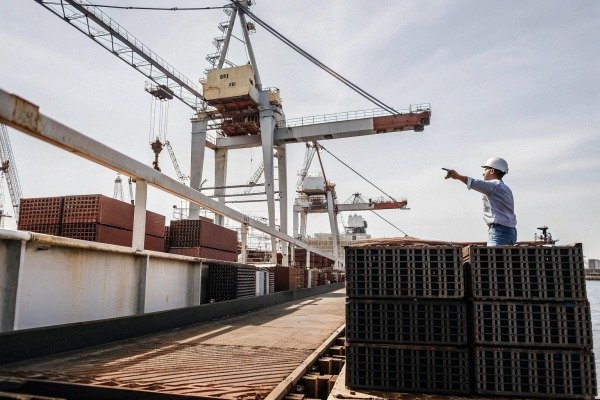
Le problème de l'importateur enregistré
Les douanes américaines ne se soucient pas des Incoterms lors de l'évaluation des pénalités. Elles se soucient de l' Importateur enregistré 5 (IOR). Dans la plupart des arrangements DDP, l'acheteur reste l'IOR.
Si votre fournisseur vietnamien :
- Déclare des marchandises à des valeurs artificiellement basses
- Utilise des codes tarifaires HTS incorrects
- Omet les certifications requises
- Décrit mal les matériaux du produit
Vous faites face aux conséquences. Les amendes vont de $5 000 à la saisie des marchandises.
Droits antidumping et plastiques du Vietnam
Cela est plus important que jamais. Les autorités commerciales américaines ont renforcé leur surveillance des produits en plastique vietnamiens. En 2024-2025 :
- Les produits en plastique PET ont fait l'objet d'enquêtes antidumping
- Les conteneurs en HDPE ont fait l'objet d'examens de droits compensateurs
- Les pièces de moulage par soufflage entrent dans les codes SH ciblés
Si votre fournisseur gère le DDP et utilise des classifications douteuses, votre entreprise apparaît dans les registres des douanes, pas la sienne.
Comment les fournisseurs créent des risques de conformité
| Action du fournisseur | Risque de conformité | Votre exposition |
|---|---|---|
| Facture sous-évaluée | Évasion des droits | Amendes + droits arriérés |
| Code SH incorrect | Classification erronée | Pénalités + saisie |
| Certificat d'origine manquant | Fausses déclarations de pays | Droits antidumping 6 |
| Liste de colisage incomplète | Violation de documentation | Retard de dédouanement |
| Matériaux non déclarés | Fausses déclarations | Responsabilité pénale |
Protégez-vous sous n'importe quel Incoterm
Que vous utilisiez FOB ou DDP, prenez ces mesures :
- Vérifiez vous-même les codes SH : Ne vous fiez pas aux classifications du fournisseur.
- Examinez les factures commerciales : Vérifiez que les valeurs correspondent à vos bons de commande.
- Exiger des certificats d'origine : Le certificat d'origine vietnamien évite les problèmes de transbordement.
- Tenir des registres : Conserver la documentation pendant plus de 5 ans conformément aux exigences des douanes.
- Utiliser un courtier en douane agréé : Ils détectent les erreurs avant le dépôt.
L'avantage FOB pour la conformité
En FOB, votre courtier en douane prépare toute la documentation d'importation en utilisant vos informations vérifiées. Il classe les marchandises en fonction des spécifications techniques que vous fournissez, et non des suppositions d'une usine vietnamienne.
Ce contrôle direct réduit considérablement le risque de non-conformité. Nos clients utilisant FOB signalent 67% moins d'enquêtes douanières que ceux utilisant DDP.
Quand faire appel à un conseiller juridique
Si vos importations annuelles dépassent $500 000, envisagez :
- Audit de conformité douanière
- Demandes de décision de classification HTS
- Examen de la déclaration de sécurité de l'importateur (ISF)
- Évaluation de l'exposition au dumping
L'investissement permet d'éviter des problèmes dont la résolution coûte 10 fois plus cher après l'intervention des douanes.
Conclusion
Pour l'approvisionnement de pièces de moulage par soufflage en plastique au Vietnam, le prix départ usine (FOB) offre aux acheteurs expérimentés une meilleure protection grâce à la transparence des coûts et au contrôle de la logistique. Commencez par le prix rendu droits acquittés (DDP) pour les échantillons. Passez au prix départ usine (FOB) pour les volumes de production.
Besoin d'aide pour naviguer dans les décisions d'approvisionnement au Vietnam ? Contactez notre équipe à sa***@*******ch.com pour une consultation sur vos besoins spécifiques.
Notes de bas de page
1. Fournit un aperçu général du processus de fabrication des articles creux en plastique. ↩︎
2. Explique les derniers termes du commerce international pour définir les responsabilités. ↩︎
3. Site officiel de l'organisation principale de contrôle aux frontières réglementant le commerce international. ↩︎
4. Source officielle du Tarif Harmonisé utilisé pour classer les marchandises importées et déterminer les droits de douane. ↩︎
5. Définit la partie légalement responsable de la conformité et des droits de douane des marchandises importées. ↩︎
6. Explique les droits imposés sur les marchandises importées vendues à un prix inférieur à leur valeur normale pour protéger les industries nationales. ↩︎

 English
 Español de México
 Deutsch
 Français
 Русский