Au cours de nos années de gestion de chaînes d'approvisionnement transfrontalières depuis le Vietnam et la Chine chaînes d'approvisionnement transfrontalières 1 vers les États-Unis, nous avons vu des chaînes de production s'arrêter net simplement parce qu'un changement de fournisseur a été mal géré. Vous pourriez être confronté à un fournisseur constamment en retard, peu réactif ou livrant une qualité de soudure incohérente, et pourtant la peur d'une interruption de l'approvisionnement vous paralyse dans un partenariat médiocre. C'est une position frustrante : savoir que vous devez avancer mais craindre le chaos opérationnel qui accompagne souvent une rupture.
Pour assurer une transition en douceur, vous devez constituer un stock de sécurité calculé pour combler le fossé et effectuer des tests d'échantillons rigoureux avant d'autoriser les commandes à grande échelle. Mettez en œuvre un plan de transition par phases en commençant par les pièces non critiques tout en auditant la capacité du nouveau fournisseur pour vérifier qu'il répond aux exigences spécifiques des codes AWS ou ISO.
La clé n'est pas seulement de trouver un nouvel atelier ; il s'agit d'orchestrer un transfert qui protège votre assemblage en aval tout en validant de nouvelles capacités.
Comment planifier le calendrier de transition pour éviter de manquer de stock pendant le changement ?
Lorsque nous aidons des clients à déplacer leur production d'une usine en difficulté vers l'un de nos partenaires approuvés, la plus grande anxiété est toujours la semaine de “rupture” où les bacs pourraient se vider. Nous savons qu'un seul support manquant peut arrêter toute votre chaîne d'assemblage, coûtant des milliers de dollars par heure.
Planifiez votre transition en analysant le délai de livraison total du nouveau fournisseur et en établissant un stock de sécurité qui couvre au moins 150% de cette période. Créez une phase de chevauchement où les deux fournisseurs produisent simultanément pour éviter les pénuries pendant les étapes de qualification initiales et les retards d'expédition potentiels.

L'anatomie d'un calendrier sûr
La planification d'un calendrier pour les pièces de soudage est plus complexe que l'approvisionnement en composants prêts à l'emploi en raison des cycles de fabrication et d'approbation. Une "coupure nette" – arrêter un fournisseur le vendredi et en commencer un nouveau le lundi – est une recette pour le désastre. Grâce à notre gestion logistique à Singapour et au Vietnam, nous préconisons une stratégie de "Production Parallèle"."
Vous devez calculer le Temps de Transition Total (TTT), qui comprend :
- Devis et Négociation (2–4 semaines) : Finalisation des termes et analyse du coût total de possession.
- Configuration des outils/montages (4–8 semaines) : Transfert des anciens gabarits ou fabrication de nouveaux.
- Validation des échantillons (2–4 semaines) : PPAP (Production Part Approval Process) et tests de soudure physiques.
- Temps de transit (4–6 semaines) : Océan Fret maritime d'Asie 2 Fret d'Asie vers les États-Unis.
Si le temps total est de 20 semaines, vous avez besoin d'un stock suffisant de votre fournisseur actuel pour 25 à 30 semaines afin de tenir compte des imprévus, tels que la congestion portuaire ou un échantillon initial défaillant. congestion portuaire 3.
Planification de votre volume
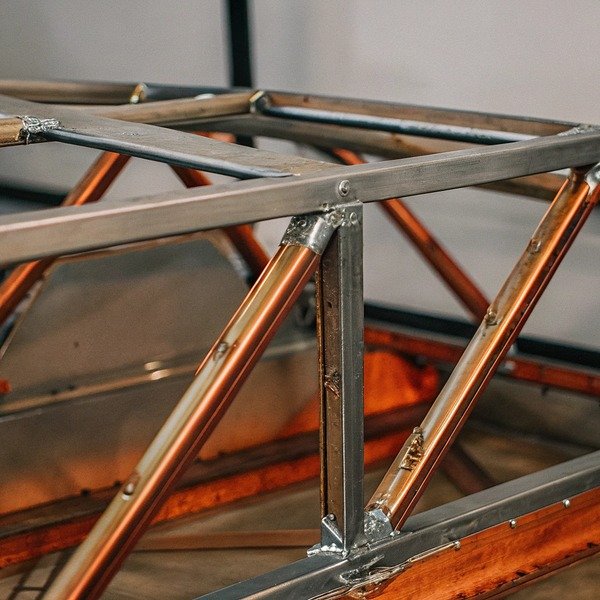
Ne déplacez pas l'intégralité de votre portefeuille en une seule fois. Nous recommandons une approche progressive basée sur le risque et la complexité. Commencez par des supports simples ou des composants non structurels avant de passer à des structures complexes en aluminium rectiligne comme celle montrée dans l'image du produit ci-dessus.
Stratégies d'atténuation des risques
La période la plus dangereuse est la phase du "canard boiteux". Une fois que votre fournisseur actuel sait que vous partez, sa motivation à livrer à temps diminue. N'informez pas le fournisseur en place de la résiliation tant que vous n'avez pas constitué votre stock de sécurité. Sécurisez votre inventaire dans un entrepôt neutre ou votre propre installation avant d'annoncer la nouvelle.
Ci-dessous une comparaison des stratégies de transition que nous analysons fréquemment avec nos clients :
| Stratégie | Description | Niveau de risque | Coût des stocks | Recommandé pour |
|---|---|---|---|---|
| Coupure nette | Arrêter le fournisseur A, démarrer le fournisseur B immédiatement. | Extrêmement élevé | Faible | Uniquement lorsque le fournisseur A a fait faillite ou a cessé d'expédier. |
| Exécution parallèle | Les deux fournisseurs produisent pendant 3 à 6 mois. | Faible | Élevé | Composants critiques où les ruptures de stock sont inacceptables. |
| Montée progressive | Le fournisseur B commence avec un volume de 10%, augmentant chaque mois. | Modéré | Modéré | Assemblages soudés complexes nécessitant un réglage fin. |
| Constitution de stocks tampons | Constituer un stock de 6 mois, puis basculer. | Faible à modéré | Élevé (frais de stockage) | Pièces standard avec des conceptions stables. |
Quelles méthodes de validation dois-je utiliser pour m'assurer que les nouvelles pièces de soudage répondent à mes normes de qualité ?
Nous avons vu trop d'entreprises approuver un nouveau fournisseur sur la base d'un “ échantillon d'or ” qui avait été soudé à la main par un maître technicien, pour ensuite recevoir des pièces de production de masse criblées de porosité. Dans nos opérations quotidiennes, s'assurer que la 1000ème pièce correspond à la 1ère est la seule métrique qui compte.
Valider les nouvelles pièces en exigeant une procédure Dossier de Qualification de Procédé (EPP) 4 Vérification du dossier de qualification (PQR) et réalisation d'essais destructifs sur des lots pilotes pour garantir l'intégrité structurelle. Assurez-vous que le fournisseur fournit des certifications de matériaux et effectue des essais en petits lots pour confirmer la pénétration de la soudure et la précision dimensionnelle avant d'approuver la production de masse.

Au-delà de l'inspection visuelle
L'inspection visuelle est nécessaire mais insuffisante pour les soudures structurelles. Lors de la validation d'un nouveau partenaire, en particulier pour des structures complexes en aluminium impliquant des tubes carrés et des barres, vous devez approfondir leurs contrôles de processus.
Vous devriez exiger un Dossier de Qualification de Procédé (EPP). Ce document prouve que la méthode de soudage spécifique du fournisseur (ampérage, tension, vitesse de déplacement, mélange de gaz) produit des soudures qui répondent à vos exigences mécaniques. S'ils ne peuvent pas produire de PQR pour votre alliage spécifique, ils devinent probablement.
Le rôle des essais destructifs
Pendant la phase pilote, nous conseillons toujours aux clients de prévoir un budget pour la destruction d'unités. Vous ne pouvez pas voir le manque de fusion ou les fissures internes de l'extérieur.
- Essai de macro-gravure : Coupe de la section transversale de la soudure, polissage et gravure à l'acide pour révéler la structure du grain et la profondeur de pénétration.
- Essai de traction : Tirer l'assemblage jusqu'à rupture pour s'assurer que la soudure est plus résistante que le métal de base.
Standardiser le "ressenti"
Parfois, les spécifications sont respectées, mais la productivité diminue car les pièces ont une "sensation" différente pour votre équipe d'assemblage. Peut-être que la finition de meulage du nouveau fournisseur est plus rugueuse, obligeant votre équipe à effectuer un travail de préparation supplémentaire. Ou peut-être que la déformation due à la chaleur est dans les tolérances mais en limite, rendant l'ajustement difficile.
Automatisation et cohérence
Les tendances récentes montrent une évolution vers la cohérence du soudage robotisé. Par exemple, les systèmes MIG Welbee modernes peuvent réduire considérablement les projections. Systèmes MIG Welbee 5, réduisant le travail de nettoyage post-soudage de 50 %. Lors de la validation, demandez si les échantillons ont été soudés manuellement ou par robot. Si l'échantillon était manuel mais que la production sera robotisée (ou vice versa), la validation est nulle. Le processus utilisé pour l'échantillon doit correspondre au processus de production de masse.
Liste de contrôle de validation
Utilisez cette liste de contrôle pour vous assurer qu'aucune étape n'est manquée pendant la phase de qualification :
| Étape de validation | Objectif | Que rechercher |
|---|---|---|
| Spécification de procédure de soudage (WPS) | Instructions pour le soudeur. | La tension, la vitesse du fil et le débit de gaz sont-ils définis ? |
| Dossier de Qualification de Procédé (EPP) | Prouver que le processus fonctionne. | Résultats de laboratoire montrant la traction Essais de traction 6 la résistance répond aux limites de conception. |
| Test de qualification du soudeur (WQT) | Prouver que l'opérateur est qualifié. | Le soudeur spécifique est-il certifié pour cette position (par exemple, vertical ascendant) ? |
| Première inspection d'article (FAI) | Vérification dimensionnelle. | Vérifiez toutes les tolérances géométriques, en particulier les emplacements des trous. |
| Essai pilote (50–100 unités) | Capacité du processus (Cpk). | Cohérence de l'apparence du cordon de soudure et absence de déformation due à la chaleur. |
Comment puis-je transférer mes outillages et fixations existants vers la nouvelle installation de manière efficace ?
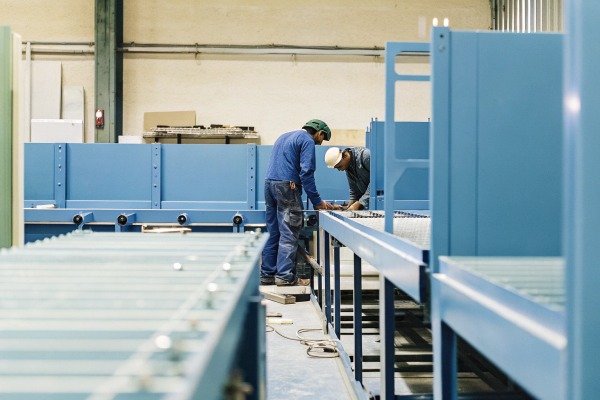
Notre équipe d'ingénierie est souvent confrontée au dilemme du déplacement de masses de fixations en acier à travers les frontières internationales. Cela peut sembler une mesure d'économie, mais souvent, les coûts logistiques et la découverte que les anciens outillages sont usés en font un casse-tête que nous essayons d'éviter.
Un transfert efficace nécessite un audit détaillé de l'état actuel de l'outillage et une vérification de la propriété légale avant de tenter de déplacer des actifs. Souvent, investir dans de nouveaux outillages dans la nouvelle installation est plus sûr et plus rentable que de transférer des fixations usées, garantissant la compatibilité avec leurs systèmes de soudage robotisés ou manuels spécifiques.
Les coûts cachés du transfert d'outillage
Il est tentant de dire : " Je possède l'outillage, expédiez-le simplement. " Cependant, un outillage conçu pour les tables de soudage manuelles de 10 ans du fournisseur A peut ne pas convenir aux cellules robotisées modernes du fournisseur B.
Nous avons récemment examiné un cas similaire à celui d'Allis Roller, où une entreprise a choisi Allis Roller 7 d'investir $51 000 dans un outillage entièrement nouveau plutôt que de se battre pour récupérer d'anciennes fixations. Pourquoi ? Parce que les anciennes fixations étaient non documentées, modifiées sans enregistrement et proches de la fin de leur cycle de vie. La création d'un nouvel outillage leur a permis d'optimiser pour l'équipement spécifique du nouveau fournisseur, ce qui a entraîné des temps de cycle plus rapides.
Propriété et écueils juridiques
Avant de planifier un camion pour récupérer vos gabarits, vérifiez votre contrat. Avez-vous payé l'outillage séparément (frais NRE), ou a-t-il été amorti dans le prix de la pièce ? S'il a été amorti et que le contrat n'est pas complet, vous pourriez ne pas en être encore légalement propriétaire. Tenter de le déplacer pourrait déclencher une action en justice ou une situation d"" otage " où l'ancien fournisseur refuse la libération jusqu'à ce que les " dettes impayées » soient réglées.
Audit de compatibilité
Si vous décidez de procéder au transfert, un audit physique est obligatoire.
- Points d'interface : La fixation se monte-t-elle sur les positionneurs du nouveau fournisseur ?
- Hydraulique/Pneumatique : Les systèmes de serrage sont-ils compatibles avec les conduites d'air ou hydrauliques du nouveau magasin ?
- Usure : Les goupilles de localisation sont-elles usées ? Si le nouveau fournisseur produit de mauvaises pièces en utilisant vos anciens outils usés, il blâmera les outils, et vous n'aurez aucun recours.
L'approche "Hybride"
Un juste milieu intelligent que nous utilisons souvent consiste à faire construire par le nouveau fournisseur des "outils souples" (temporaires, moins coûteux) pour la série pilote pendant que les "outils rigides" permanents sont fabriqués ou transférés. Cela permet de faire avancer le projet.
Matrice de décision des outils
| Facteur | Favoriser le transfert des anciens outils | Favoriser la fabrication de nouveaux outils |
|---|---|---|
| Âge de l'actif | Moins de 2 ans. | Plus de 5 ans ou visiblement usé. |
| Propriété | Clairement détenu, payé intégralement (NRE). | Amorti ou propriété vague. |
| Compatibilité | Montage standard, pinces manuelles. | Interface robotisée spécialisée, pinces hydrauliques. |
| Documentation | Dessins CAO complets disponibles. | Pas de dessins ; "savoir-faire" requis pour l'utilisation. |
| Logistique | Transfert national (faible fret). | Coûts de fret international >30% de la valeur de l'outil neuf. |
Comment évaluer si le nouveau fournisseur offre une meilleure communication et gestion de projet ?
D'après notre expérience, les clients comme “Greg” ne quittent pas les fournisseurs pour une question de prix ; ils partent parce qu'ils en ont marre d'envoyer trois e-mails juste pour obtenir une mise à jour vague. Lorsque nous intégrons un nouveau client, nous savons que notre réactivité est autant un produit que les pièces métalliques que nous expédions.
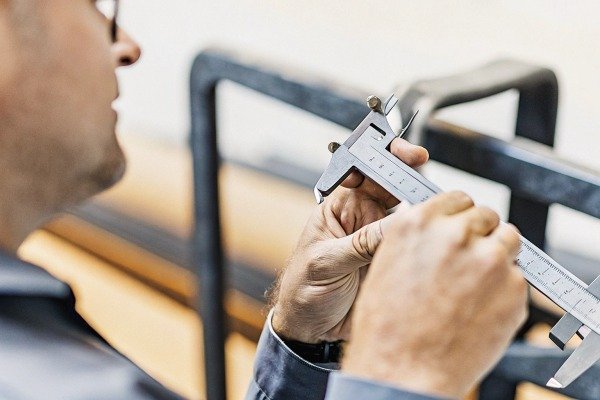
Évaluer la communication en testant leur réactivité pendant la phase de devis et en vérifiant la maturité numérique Maturité numérique 8 maturité, telle que les capacités d'intégration ERP. Un partenaire fiable offre un accès transparent et instantané aux rapports de test de matériaux (MTR) et attribue un chef de projet dédié qui répond aux questions techniques de manière proactive plutôt que de simplement traiter les commandes.
Le test de stress de la "phase de devis"
La période de devis est la "phase de lune de miel". Si un fournisseur est lent ou désorganisé maintenant, cela ne fera qu'empirer une fois qu'il aura votre dépôt. Utilisez ce temps pour les tester.
- Posez des questions complexes : Posez intentionnellement une question technique sur le contrôle de la déformation de soudure ou la composition de l'alliage. Répondent-ils avec des données d'ingénierie, ou un vague "nous pouvons le faire" ?
- Modifiez un paramètre : À mi-chemin du devis, mettez à jour une révision de dessin. Observez comment ils gèrent le contrôle de version. Se trompent-ils et citent-ils l'ancienne version ? Cela révèle leurs processus de contrôle documentaire.
Maturité numérique et transparence
En 2026, vous ne devriez pas avoir à supplier pour obtenir des documents. Nous mettons l'accent sur la "Maturité numérique". Cela signifie que le fournisseur doit disposer de systèmes en place qui vous permettent de retracer la production.
- Intégration ERP : Peuvent-ils recevoir des commandes EDI ?
- Rapports basés sur le cloud : Téléchargent-ils des photos des marchandises avant l'expédition ?
- Traçabilité : Peuvent-ils récupérer instantanément le rapport d'essai des matériaux (MTR) pour un lot expédié il y a six mois ?
Structure de gestion de projet
Le fournisseur attribue-t-il un "commercial" ou un "chef de projet" ? Il y a une grande différence. Un commercial se soucie du bon de commande. Un chef de projet se soucie du calendrier (diagramme de Gantt) Diagramme de Gantt 9, le registre des risques Diagramme de Gantt 10, et les spécifications techniques.
Lors de l'évaluation d'un nouveau partenaire, demandez un organigramme. Vous voulez voir un ingénieur qualité dédié et un chef de projet affectés à votre compte. Si vous n'êtes qu'un compte parmi 50 gérés par un représentant commercial général, vos e-mails seront ignorés lorsque leur plus gros client appellera.
Évaluation de la boucle de rétroaction
Les bons fournisseurs ne se contentent pas de prendre des commandes ; ils s'y opposent. Cela peut sembler contre-intuitif, mais vous voulez un fournisseur qui dit : "Cette tolérance est serrée et augmentera le coût ; si vous la relâchez de 0,5 mm, nous pouvons souder 20% plus rapidement." Cela crée un partenariat plutôt qu'une relation de distributeur automatique.
Indicateurs de communication : drapeaux rouges vs drapeaux verts
| Caractéristique | 🚩 Drapeau rouge (À éviter) | 🟢 Feu vert (Préféré) |
|---|---|---|
| Temps de réponse | > 48 heures pour les e-mails simples. | < 24 heures (ou accusé de réception). |
| Résolution de problèmes | Cache les problèmes jusqu'au jour de l'expédition. | Notifie proactivement les retards potentiels des semaines à l'avance. |
| Documentation | Rapports d'inspection manuscrits. | Rapports numériques, photos et MTR fournis automatiquement. |
| Langue | Forte dépendance aux outils de traduction/confusion. | Anglais technique clair ; l'équipe d'ingénierie parle anglais. |
| Mises à jour | Uniquement sur demande. | Rapports d'avancement hebdomadaires (WSR) envoyés chaque vendredi. |
Conclusion
Changer de fournisseur de soudage est une opération à enjeux élevés qui nécessite d'équilibrer la logique des stocks avec la rigueur de l'ingénierie. En sécurisant une marge de sécurité, en validant par des tests destructifs, en auditant la compatibilité des outils et en priorisant une gestion de projet réactive, vous pouvez transformer une crise potentielle de la chaîne d'approvisionnement en un avantage concurrentiel. L'objectif n'est pas seulement de remplacer un fournisseur, mais d'améliorer votre capacité de fabrication globale.
Notes de bas de page
1. Site officiel du gouvernement américain pour les ressources sur le commerce international et la chaîne d'approvisionnement. ↩︎
2. Agence gouvernementale américaine réglementant le fret maritime et le transport maritime. ↩︎
3. La Federal Maritime Commission est l'autorité américaine chargée de surveiller les activités portuaires. ↩︎
4. Société de soudage faisant autorité, définissant les normes PQR. ↩︎
5. Page produit officielle du système de soudage spécifique mentionné dans le texte. ↩︎
6. Documentation du principal fabricant sur les procédures d'essai de traction. ↩︎
7. Lien direct vers le fabricant spécifique cité dans l'exemple de l'étude de cas. ↩︎
8. Boston Consulting Group est un leader majeur de l'industrie définissant les stratégies de maturité numérique. ↩︎
9. Définition générale de l'outil de gestion de projet. ↩︎
10. Le Project Management Institute est l'autorité mondiale en matière d'outils de gestion de projet. ↩︎

 English
 Español de México
 Deutsch
 Français
 Русский