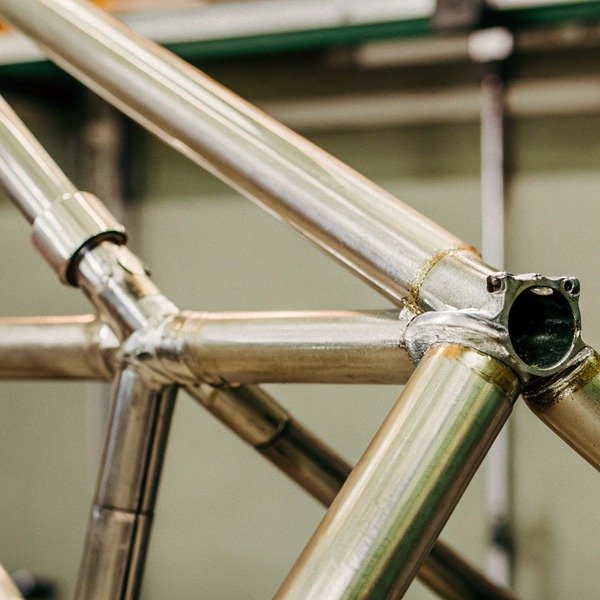
Nous constatons souvent que nos clients subissent des retards coûteux lorsqu'un fournisseur se contente de répondre “oui” à un dessin sans poser de questions. Ce silence signale généralement un manque de profondeur technique qui entraîne plus tard des catastrophes de qualité sur notre chaîne de production.
L'évaluation d'un fournisseur implique l'analyse de sa réponse initiale à la demande de devis (RFQ) pour des questions techniques clarificatrices et l'audit de ses Spécifications de Procédés de Soudage (WPS). Un partenaire compétent suggère de manière proactive des améliorations de Conception pour la Fabrication (DFM) aux géométries des joints et démontre la traçabilité des matériaux, s'assurant qu'il comprend pleinement vos exigences d'ingénierie avant le début de la production.
Examinons les signes spécifiques d'un partenaire de fabrication compétent qui peut protéger votre chaîne d'approvisionnement.
Comment puis-je savoir si un fournisseur a réellement analysé mes dessins techniques avant de soumettre un devis ?
Nous constatons systématiquement que les devis immédiats sans commentaires indiquent un manque de révision. Une véritable révision d'ingénierie prend du temps et génère des requêtes spécifiques concernant nos empilements de tolérances et nos contraintes matérielles. empilements de tolérances 1
Une véritable analyse est évidente lorsqu'un fournisseur identifie des ambiguïtés dans les symboles de soudage ou des dimensions manquantes plutôt que de fournir un prix instantané. Recherchez des questions détaillées concernant les capacités de tolérance et les spécificités des nuances de matériaux, confirmant qu'ils ont simulé le processus de fabrication mentalement ou numériquement avant de s'engager sur les coûts.
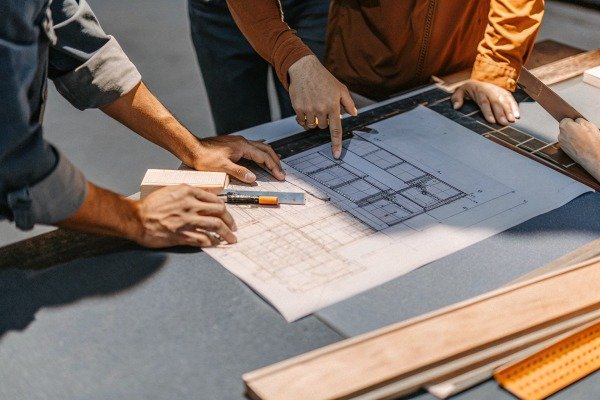
Lorsque nous nous procurons des cadres en aluminium personnalisés ou des assemblages complexes en acier, le premier signal d'alarme que nous recherchons est la vitesse. Si nous envoyons un ensemble de dessins complexes impliquant des structures rectilignes avec plusieurs joints soudés et recevons un devis dans les deux heures, nous savons que le fournisseur n'a pas examiné les détails d'ingénierie. Ils établissent probablement un devis basé sur le poids et les coûts des matières premières, ignorant la complexité de la fabrication.
Pour déterminer si un fournisseur a réellement analysé vos dessins, vous devez rechercher le comportement de "pause et requête". Un fournisseur qui comprend les dessins repérera les conflits potentiels. Par exemple, dans la structure en aluminium montrée dans le contexte du produit, la déformation thermique est un risque majeur. déformation thermique 2 Un fournisseur compétent posera des questions sur les exigences de planéité après soudage. Il remarquera si un symbole de soudage demande une pénétration complète sur un tube carré fermé où il n'y a pas d'accès interne pour une barre de support.
Le risque du devis "silencieux"
Si un fournisseur accepte votre dossier de dessin sans une seule Demande d'Information (RFI), cela signifie généralement l'une des deux choses : vos dessins sont parfaits (ce qui est rare), ou le fournisseur prévoit de s'en sortir au fur et à mesure. Ce dernier conduit à une fabrication "au mieux" plutôt qu'à une fabrication "selon les spécifications". Nous préférons les partenaires qui agissent comme une extension de notre équipe d'ingénierie, remettant en question les hypothèses pour garantir que le produit final fonctionne.
Indicateurs clés de l'analyse des dessins
Vous pouvez évaluer le niveau d'engagement d'un fournisseur en fonction du type de commentaires qu'il fournit pendant la phase de devis. Nous utilisons le cadre suivant pour catégoriser les fournisseurs.
| Niveau d'indicateur | Comportement du fournisseur | Implication pour l'acheteur |
|---|---|---|
| Niveau 1 : Preneur de commandes | Citez strictement sur le prix/volume. Aucune question posée. | Risque élevé. Risque de ne pas respecter les tolérances ou d'utiliser des métaux d'apport incorrects. |
| Niveau 2 : Vérification de base | Pose des questions sur les dates de livraison, l'emballage ou la disponibilité générale des matériaux. | Risque moyen. Vérifie la logistique mais ignore la faisabilité technique. |
| Niveau 3 : Partenaire technique | Identifie les dimensions manquantes, les symboles de soudure contradictoires ou les joints inaccessibles. | Risque faible. Démontre une expertise technique et une planification de fabrication. |
| Niveau 4 : Actif stratégique | Propose des changements pour réduire les coûts ou améliorer la résistance (par exemple, gabarits à onglets et à fentes). | Meilleure valeur. Agit comme une véritable ressource d'ingénierie pour votre équipe. |
En priorisant les fournisseurs de niveau 3 et 4, nous réduisons considérablement le taux de rebut avant même qu'une seule pièce de métal ne soit coupée.
Quelles questions spécifiques devrais-je poser pour tester les connaissances de leur équipe d'ingénierie en matière de normes de soudage ?
Lors de nos audits de fournisseurs au Vietnam, nous testons leurs connaissances en posant des questions sur des codes spécifiques et des variables de processus. S'ils ne peuvent pas expliquer pourquoi un métal d'apport spécifique est choisi pour un projet, nous partons immédiatement.
Demandez leurs Spécifications de Procédés de Soudage (SPS) spécifiques relatives à vos géométries de joint et demandez la justification de leur sélection de métal d'apport. Renseignez-vous sur leurs stratégies d'atténuation de la déformation thermique et sur la manière dont leurs qualifications de soudeurs certifiés s'alignent sur les critères d'acceptation spécifiques de codes tels que AWS D1.2 ou ISO 3834.

Demander simplement "Êtes-vous certifié ISO ?" n'est pas suffisant. Certifié ISO 3 Les organismes de certification auditent la documentation, mais ils ne soudent pas les pièces. Pour vraiment tester les connaissances d'une équipe d'ingénierie, vous devez poser des questions techniques qui nécessitent une expérience spécifique sur le terrain pour y répondre. Nous nous concentrons souvent sur l'interaction entre le matériau de base et les consommables de soudage.
La vérification des SPS et des EPP
Le test le plus fondamental consiste à demander la Spécification de Procédé de Soudage (SPS) et le Dossier de Qualification de Procédé (EPP) pour une pièce similaire Dossier de Qualification de Procédé (EPP) 4 qu'ils ont fabriquée. Une SPS est la recette pour la soudure (tension, ampérage, vitesse de déplacement, gaz de protection), et l'EPP est la preuve que la recette fonctionne (résultats de tests en laboratoire).
- Demandez ceci : " Pouvez-vous me montrer le WPS que vous avez l'intention d'utiliser pour cette nuance d'aluminium spécifique, ainsi que le PQR qui le valide ? "
- Recherchez : S'ils hésitent ou envoient un document générique qui ne correspond pas à l'épaisseur ou à la nuance du matériau de votre dessin, ils manquent de contrôle d'ingénierie spécifique.
Science des matériaux et consommables
Pour les structures en aluminium comme celles que nous gérons souvent, le choix du métal d'apport est essentiel. Un fil d'apport 4043 est moins sensible à la fissuration mais a une résistance plus faible et anodise mal par rapport au 5356. Un fournisseur qui comprend l'ingénierie demandera : " Cette pièce sera-t-elle anodisée après soudage ? anodisé 5" S'ils ne posent pas la question, ils pourraient utiliser le mauvais fil, ce qui entraînerait une différence de couleur (la soudure devenant noire) lors de la finition.
Tester leur stratégie de déformation
Le soudage introduit une chaleur massive, qui déforme le métal. C'est particulièrement vrai pour les structures en tubes carrés que nous traitons. Nous demandons aux fournisseurs d'expliquer leur stratégie de bridage et de séquençage.
- Réponse faible : " Nous allons le marteler à plat après soudage. " (Cela introduit des contraintes et des fractures potentielles).
- Réponse forte : " Nous utilisons un montage pré-réglé pour tenir compte de la contraction thermique et utilisons une séquence de soudage par intermittence pour répartir la chaleur uniformément. "
Liste de contrôle d'évaluation des connaissances en ingénierie
| Catégorie de question | Question spécifique à poser | Réponse d'ingénierie souhaitée |
|---|---|---|
| Conformité aux normes | "Quel code de soudage (AWS, ASME, ISO) régit vos critères d'acceptation ?" | Cite des codes spécifiques comme AWS D1.2 (Aluminium) ou D1.1 (Acier) et les classes d'inspection visuelle. |
| Traçabilité | "Comment liez-vous le lot spécifique de fil d'apport au produit final ?" | Démontre un système impliquant des rapports d'essai de laminage (MTR) et des numéros de coulée suivis sur le dossier de fabrication. |
| Capacité de l'équipement | "Utilisez-vous des modes de soudage pulsé pour l'aluminium à paroi mince ?" | Explique comment le MIG pulsé aide à contrôler l'apport de chaleur et à prévenir la brûlure sur les tubes minces. |
Le fabricant proposera-t-il de manière proactive des suggestions de conception pour la fabrication afin d'améliorer la qualité de mon produit ?
Nous encourageons nos équipes d'ingénierie à contester les conceptions des clients si un joint de soudure est inaccessible ou trop coûteux. Un fournisseur silencieux permet aux erreurs de conception coûteuses d'atteindre la chaîne d'assemblage, nous nuisant à tous les deux.
Un fabricant proactif propose généralement des commentaires sur la conception pour la fabrication (DFM) pendant la phase de devis afin de réduire les coûts et les risques. Il devrait proposer des préparations de joint alternatives, des ajustements de séquence de soudage ou des changements de géométrie accessibles qui minimisent l'apport de chaleur et la distorsion sans compromettre l'intégrité structurelle de l'assemblage final.

L'une des plus grandes valeurs qu'un fournisseur puisse offrir est le support de la conception pour la fabrication (DFM). Conception pour la fabrication (DFM) 6 Conception pour la fabrication (DFM) 7 De nombreux concepteurs créent des pièces qui ont fière allure en CAO mais qui sont un cauchemar à souder en réalité. Un fournisseur ayant une compréhension approfondie repérera immédiatement ces problèmes. D'après notre expérience, environ 30% des économies de coûts dans la fabrication sur mesure proviennent de suggestions DFM faites par le fournisseur avant la finalisation de la commande.
Accessibilité et angle du pistolet
Un problème courant que nous rencontrons dans les cadres complexes est l"" encombrement des coins ». Le concepteur place trois tubes se rejoignant selon un angle aigu. En CAO, les pièces s'intersectent parfaitement. En réalité, la buse du pistolet de soudage est trop grande pour s'insérer dans ce coin afin de réaliser un cordon correct.
Un fournisseur solide enverra une annotation disant : " Nous ne pouvons pas introduire la torche ici à l'angle requis de 45 degrés. Pouvons-nous déplacer cette traverse de 10 mm ou changer le symbole de soudure en un congé partiel ? " Cela vous évite de recevoir une pièce avec une soudure faible et poreuse causée par une mauvaise couverture de gaz.
Préparation des joints et coût
Les concepteurs optent souvent pour des soudures à " pleine pénétration " car elles semblent plus solides. Cependant, les soudures à pleine pénétration nécessitent une préparation coûteuse des bords (chanfreinage), un décapage à l'envers, et beaucoup plus de métal d'apport et de chaleur.
Un fournisseur offrant des recommandations d'ingénierie pourrait suggérer : " Basé sur le profil de charge, une soudure d'angle avec une taille de gorge spécifique est suffisante et réduira la distorsion et le coût de 40 %. " Ce type de retour prouve qu'ils se soucient de votre budget et de la qualité de la pièce.
Conceptions auto-fixantes
Les meilleurs fournisseurs suggèrent des modifications de conception qui rendent les pièces " auto-fixantes ". Cela signifie ajouter des languettes, des fentes ou des caractéristiques découpées au laser qui permettent aux pièces de s'emboîter comme un puzzle avant le soudage. Cela réduit le besoin de gabarits personnalisés coûteux et minimise les erreurs de configuration humaines. Si votre fournisseur ne suggère pas cela pour des séries à haut volume, il se peut qu'il s'appuie sur des méthodes de fabrication obsolètes.
Comment puis-je m'assurer que le fournisseur peut identifier les problèmes de fabrication potentiels dans ma conception avant le début de la production ?
Nos projets d'approvisionnement réussissent lorsque les risques sont signalés tôt, et non lorsque nous trouvons des défauts dans le conteneur. Nous comptons sur des fournisseurs qui simulent le processus de construction, identifiant les interférences ou les points faibles avant de couper une seule barre métallique.
Assurez-vous que le fournisseur utilise des outils avancés tels que la simulation de fabrication ou la définition basée sur le modèle (MBD) pour visualiser le flux de production. Exigez un plan d'inspection du premier article (FAI) qui aborde les caractéristiques critiques et demandez une preuve des méthodes d'évaluation des risques, telles qu'une analyse des modes de défaillance et de leurs effets (AMDEC) du processus, avant la fabrication à grande échelle.

La prévention des problèmes est toujours moins chère que leur résolution. Pour vous assurer qu'un fournisseur peut identifier les risques de fabrication, vous devez vérifier sa méthodologie de contrôle des processus. Cela va au-delà de la " lecture du dessin " à la " planification du processus ". Nous recherchons des fournisseurs qui traitent la phase de pré-production comme une étape formelle de validation.
Le rôle de l'AMDEC
L'analyse des modes de défaillance et de leurs effets (AMDEC) est un outil utilisé dans l'automobile et l'aérospatiale Analyse des Modes de Défaillance et de leurs Effets (AMDEC-PFMEA) 8, mais nous la trouvons essentielle pour le soudage personnalisé de haute qualité également. Elle pose la question : " Que pourrait-il mal se passer à cette étape, et comment l'éviter ? "
Par exemple, dans un cadre rectiligne, un mode de défaillance pourrait être " le tube se tord pendant le refroidissement ". Le mécanisme de prévention serait " serrer tous les axes et laisser refroidir à 50°C avant de desserrer ". Si un fournisseur ne peut pas vous montrer un document d'évaluation des risques ou un plan de contrôle, il réagit probablement aux problèmes plutôt que de les prévenir.
Planification du contrôle non destructif et de l'inspection
Un fournisseur qui comprend les dessins sait que différents joints nécessitent différentes méthodes d'inspection. On ne peut pas facilement radiographier une soudure d'angle ; elle nécessite une inspection par ressuage (PT) ou par particules magnétiques (MT).
Si votre dessin nécessite "100% NDT" mais ne spécifie aucune méthode, un mauvais fournisseur l'ignorera ou choisira le contrôle visuel le moins cher. Un bon fournisseur demandera : "Pour ces joints en T, acceptez-vous le contrôle par ultrasons (UT) au lieu de la radiographie (RT) en raison de la géométrie ?" Radiographie (RT) 9?" Cela confirme qu'ils planifient les étapes d'assurance qualité (AQ) parallèlement aux étapes de fabrication.
Validation numérique vs. Papier
Dans la fabrication moderne, s'appuyer uniquement sur des dessins PDF 2D est risqué. Nous préférons les fournisseurs capables d'ingérer des fichiers STEP 3D et d'utiliser des logiciels Fichiers STEP 10 pour déplier la tôle ou simuler les trajectoires de soudage robotisé. Cette répétition numérique identifie les interférences physiques qu'un œil humain pourrait manquer sur une impression 2D.
Cadre d'identification et d'atténuation des risques
| Phase de fabrication | Problème potentiel | Vérification des capacités du fournisseur |
|---|---|---|
| Préparation des matériaux | Direction du grain affectant la résistance/le pliage. | Nidifient-ils les pièces pour aligner la direction du grain avec les lignes de pliage ? |
| Assemblage | Écarts dépassant les tolérances du code de soudage. | Utilisent-ils des calibres go/no-go pour les vérifications d'écart avant de déclencher un arc ? |
| Soudage | Brûlage sur des sections minces. | Ont-ils un programme de soudage pulsé ou un support dissipateur de chaleur ? |
| Après soudage | Fissuration par corrosion sous contrainte. | Proposent-ils un traitement thermique de détente pour les zones critiques ? |
Conclusion
L'évaluation d'un fournisseur de soudage va au-delà de la comparaison des prix ; elle nécessite de valider sa curiosité technique et sa profondeur d'ingénierie. La véritable expertise se prouve par des questions clarificatrices difficiles, des conseils proactifs en DFM et une planification rigoureuse des processus comme les SdS et les APQP. En exigeant ce niveau d'engagement, nous garantissons des pièces de haute qualité et une chaîne d'approvisionnement stable.
Notes de bas de page
1. Ressource d'ingénierie faisant autorité définissant l'analyse de l'empilement des tolérances. ↩︎
2. Article technique d'un institut de soudage de premier plan sur les causes et la prévention de la déformation. ↩︎
3. Page ISO officielle expliquant la portée et la signification de la certification. ↩︎
4. Définit le CQS et sa relation avec le SdS dans les normes de soudage. ↩︎
5. Informations générales sur le processus d'anodisation et sa compatibilité avec le soudage. ↩︎
6. Aperçu académique complet des principes de DFM. ↩︎
7. Définition et aperçu des principes de DFM en ingénierie et en fabrication. ↩︎
8. Ressource officielle de l'American Society for Quality sur la méthodologie AMDEC. ↩︎
9. Informations gouvernementales concernant la sécurité et l'utilisation de la radiographie industrielle. ↩︎
10. Ressource gouvernementale concernant les normes de fichiers STEP et les outils d'analyse. ↩︎

 English
 Español de México
 Deutsch
 Français
 Русский