Nous voyons souvent des acheteurs lutter avec une qualité incohérente lors de l'approvisionnement de pièces métalliques complexes au Vietnam. Cette incertitude nuit au calendrier de votre projet et porte atteinte à votre réputation auprès des utilisateurs finaux.
Les signes d'externalisation non autorisée comprennent des cordons de soudure incohérents, une hésitation à fournir des Spécifications de Procédure de Soudage (SPS) spécifiques, et des détails d'arrière-plan sur les photos montrant des environnements désorganisés. Le manque de traçabilité des matériaux et des prix nettement inférieurs aux moyennes du marché pour une main-d'œuvre certifiée suggèrent également que la production a été déplacée vers des ateliers plus petits et non réglementés.
Voici les signaux d'alerte spécifiques que notre équipe surveille pour garantir l'intégrité de la chaîne d'approvisionnement.
Comment des cordons de soudure incohérents révèlent-ils que des soudeurs non certifiés ont géré ma production ?
Nos ingénieurs rejettent fréquemment des échantillons où la qualité de soudure varie considérablement au sein d'un même lot, posant des risques structurels. Cette incohérence risques structurels 1 est un signal d'alarme majeur.
Des cordons de soudure incohérents, tels que des largeurs variables, des ondulations irrégulières ou un manque de pénétration sur une seule expédition, indiquent que plusieurs opérateurs de différents niveaux de compétence ont été utilisés. Cette variabilité signale généralement que la commande a été distribuée à des soudeurs indépendants non certifiés plutôt que traitée sur une ligne de production standardisée et supervisée.
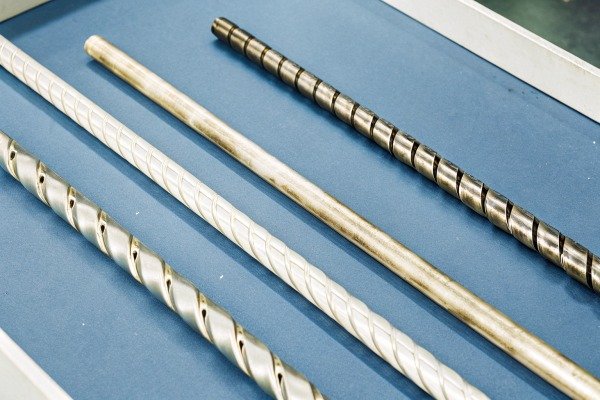
La signature humaine dans le soudage manuel
Lorsque nous gérons la production de cadres en aluminium personnalisés, la cohérence est l'objectif principal. Dans un environnement d'usine professionnel, les soudeurs sont certifiés et suivent un rythme spécifique. Ils utilisent souvent le même type de machine avec des réglages verrouillés. Cela se traduit par une "signature" uniforme sur chaque pièce de l'expédition. Les ondulations du cordon de soudure doivent être presque identiques d'une unité à l'autre.
Si votre commande a été externalisée dans un atelier de village ou distribuée entre plusieurs petits ateliers, vous verrez un mélange chaotique de styles. Un cadre peut avoir des soudures TIG serrées et nettes, tandis qu'un autre soudures TIG 2 a des cordons larges et plats avec des marques de brûlure. soudures TIG 3 Cela se produit parce que le " fournisseur " a agi comme un courtier. Ils ont transmis vos dessins à cinq soudeurs indépendants d'un réseau local. Chaque freelance a sa propre technique, sa propre machine et son propre niveau de compétence. Ils ne se parlent pas et personne ne supervise le travail collectif jusqu'à ce qu'il soit emballé.
Indicateurs visuels de la production distribuée
Pour des matériaux comme le tube en aluminium de couleur argentée de votre projet, l'apparence de la surface raconte une histoire. L'aluminium est sensible à la chaleur. Si un soudeur utilise trop d'ampérage et un autre trop peu, la zone affectée par la chaleur (ZAT) aura un aspect différent. Zone affectée par la chaleur (ZAT) 4. Vous pourriez voir une décoloration sur certaines pièces mais pas sur d'autres.
Dans notre processus de contrôle qualité, nous recherchons ces variations spécifiques. Si nous constatons trois ou quatre " styles " de soudage distincts dans un lot de 50 pièces, nous savons que la production a été fragmentée. C'est dangereux car cela signifie qu'aucune norme unique n'a été appliquée. Certaines soudures peuvent être structurellement solides, tandis que d'autres ont à peine pénétré le métal. Dans une installation professionnelle, nous utilisons le soudage automatisé ou des lignes manuelles strictement surveillées pour éviter cela.
Comparaison de la production d'usine et de la production d'atelier
Le tableau ci-dessous décrit les différences visuelles que notre équipe recherche lors de l'audit de la qualité des soudures.
| Caractéristique | Usine professionnelle de niveau 1 | Atelier externalisé/de village |
|---|---|---|
| Consistance du cordon | Largeur et hauteur uniformes sur toutes les unités. | Varie considérablement d'une pièce à l'autre. |
| Ondulations | Motif régulier et serré. | Espacement irrégulier, styles mélangés. |
| Marques de chaleur (HAZ) | Taille de halo cohérente autour de la soudure. | Marques de brûlure aléatoires, tailles de halo variables. |
| Démarrages/Arrêts | Crâteres propres et remplis aux extrémités de la soudure. | Piqûres ou fissures aux points de départ/arrêt. |
| Nettoyage | Nettoyage mécanique uniforme ou lavage chimique. | Brossage de fil incohérent, rayures. |
Pourquoi le fournisseur hésite-t-il à fournir les Spécifications de Procédure de Soudage (SPS) spécifiques que j'ai demandées ?
Nous appliquons strictement la conformité WPS pour chaque projet Conformité WPS 5, pourtant certains fournisseurs traînent les pieds lorsqu'on leur demande cette documentation. Ce retard cache généralement un manque total de contrôle du processus.
Un fournisseur hésite à fournir des Spécifications de Procédure de Soudage (WPS) car les petits ateliers externalisés fonctionnent rarement avec une documentation formelle. S'ils ne peuvent pas produire ces paramètres techniques spécifiques immédiatement, cela confirme qu'ils manquent de contrôle direct sur le processus de fabrication et qu'ils s'appuient probablement sur une main-d'œuvre informelle qui ne suit pas les protocoles d'ingénierie standardisés.
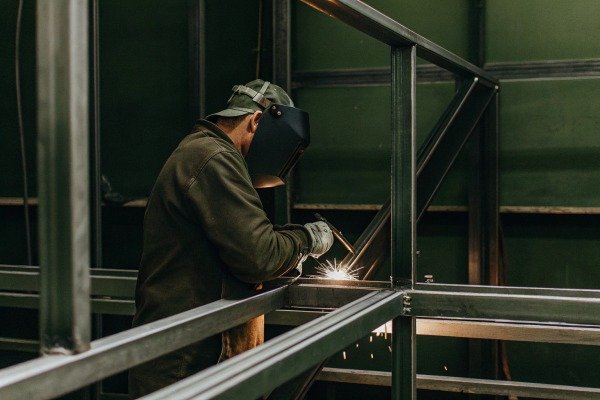
Le rôle de la WPS dans l'assurance qualité
Une Spécification de Procédure de Soudage (WPS) est la recette de votre produit. Spécification de Procédure de Soudage 6 Elle indique au soudeur exactement comment assembler les métaux. Elle spécifie l'ampérage, la tension, la vitesse de déplacement, le débit de gaz de protection et le matériau d'apport débit de gaz de protection 7. Pour des structures géométriques complexes comme vos cadres en aluminium, un DMS est essentiel pour éviter le gauchissement et garantir la résistance.
Lorsque nous travaillons avec une usine vérifiée, le DMS est créé avant le début de la production. Il est souvent collé sur la machine à souder ou affiché à la station. Les soudeurs s'y réfèrent. L'équipe de contrôle qualité (CQ) l'utilise pour vérifier les réglages de la machine. C'est un document vivant qui existe sur le site de production.
L'excuse du "secret commercial"
Si vous demandez le DMS et que le fournisseur dit : "Nous ne pouvons pas le partager en raison de secrets commerciaux" ou "Nous vous l'enverrons la semaine prochaine", soyez très méfiant. Les paramètres de soudage pour les tubes en aluminium standard ne sont pas des secrets commerciaux. Ce sont des données d'ingénierie standard.
Le retard signifie généralement l'une des deux choses suivantes. Premièrement, le DMS n'existe pas car le petit atelier du coin devine les réglages. Deuxièmement, le fournisseur essaie frénétiquement de rédiger un faux DMS pour satisfaire votre demande. Dans les scénarios externalisés, le "fournisseur principal" (qui n'est en réalité qu'un commerçant) n'a aucune idée des réglages utilisés par le sous-traitant. Ils doivent appeler l'atelier, demander ce qu'ils ont fait, puis le rédiger. Cela prend du temps. Un vrai fabricant peut vous envoyer le PDF en cinq minutes car il est déjà archivé.
Risques de documentation manquante
Sans DMS, il n'y a pas de référence pour la qualité. Vous ne pouvez pas affirmer qu'une soudure est "incorrecte" si la manière "correcte" n'a jamais été définie. Les petits ateliers s'appuient sur l'expérience individuelle du soudeur. Bien que certains mécaniciens de village soient talentueux, ils travaillent au feeling, pas avec des données. Cela conduit à l'incohérence que nous avons mentionnée précédemment.
Si une soudure échoue sur le terrain, la première chose qu'un enquêteur demande est le DMS. Si votre fournisseur ne peut pas le fournir, la responsabilité incombe souvent à l'acheteur pour ne pas avoir vérifié le processus. Nous nous assurons que nos clients disposent de ces données à l'avance pour les protéger de ces risques juridiques et de sécurité.
Liste de contrôle de la documentation essentielle
| Nom du document | Objectif | Disponibilité en usine réelle | Disponibilité en atelier |
|---|---|---|---|
| DMS | Instructions pour réaliser la soudure. | Immédiat / Archivé. | Inexistant ou falsifié plus tard. |
| PQR | Prouver que le WPS fonctionne (résultats de test). | Disponible pour révision. | Rarement disponible. |
| WPQ | Prouver que le soudeur est qualifié. | Carte d'identité ou certificat sur site. | "Faites-moi confiance, il est bon." |
| Journal d'étalonnage | Prouver que les machines sont précises. | Autocollant annuel sur la machine. | Machines souvent âgées de 20 ans et plus. |
Quels détails spécifiques en arrière-plan des photos d'usine suggèrent que l'emplacement est un atelier petit et désorganisé ?
Nos ingénieurs visitent les installations quotidiennement, et nous constatons que les arrière-plans des photos révèlent souvent plus que le produit lui-même. Ignorer ces indices visuels peut entraîner des catastrophes d'approvisionnement.
Les détails de l'arrière-plan dans les photos d'usine suggérant un petit atelier comprennent des revêtements de sol résidentiels, un éclairage tamisé, des articles domestiques comme du matériel de cuisine à proximité des machines, ou un manque de marquages de sécurité au sol. De plus, des métadonnées incohérentes ou des photos montrant des environnements très différents indiquent que la production est répartie sur des sites non contrôlés.

Analyse de l'environnement "en cours de processus"
Les fournisseurs envoient souvent des " photos d'avancement " pour vous rassurer. Nous vous conseillons de regarder au-delà du cadre en aluminium brillant au premier plan. Regardez le sol. Dans une usine vietnamienne professionnelle, le sol est généralement en béton scellé ou peint à l'époxy. Il comporte des lignes de sécurité jaunes marquant les allées.
En revanche, les petits ateliers fonctionnent souvent au rez-de-chaussée d'une maison résidentielle ou dans un hangar improvisé. Vous pourriez voir des sols carrelés (comme dans un salon), des sols en terre battue ou un pavement inégal. Si vous voyez une moto garée à côté de la table de soudage, c'est un signal d'alarme majeur. Cela indique un manque de séparation entre l'espace industriel et l'espace personnel, ce qui est typique des sous-traitants " familiaux ".
Éclairage et indices d'infrastructure
L'éclairage est un autre indice. Le soudage professionnel nécessite un éclairage industriel lumineux au-dessus de la tête afin que les inspecteurs puissent voir les défauts. Les petits ateliers s'appuient souvent sur la lumière naturelle provenant de portes ouvertes ou sur des tubes fluorescents tamisés. Si la photo semble sombre ou granuleuse, les conditions de travail sont probablement médiocres.
De plus, recherchez les équipements de levage. Les cadres en aluminium lourds nécessitent une manipulation prudente. Les usines utilisent des ponts roulants ou des chariots élévateurs. Les ateliers utilisent la main-d'œuvre manuelle. Si vous voyez trois personnes peinant à soulever une palette à l'arrière-plan, vos pièces sont probablement traînées ou lâchées, ce qui entraîne des bosses et des rayures.
Analyse médico-légale numérique des photos
Nous vous recommandons également de vérifier les métadonnées des photos. Si vous avez commandé 1 000 unités, elles devraient toutes être fabriquées au même endroit. Si une photo a des coordonnées GPS pointant vers un parc industriel à Binh Duong, et que la photo suivante pointe vers un quartier résidentiel à Long An, votre commande a été divisée.
Parfois, le fournisseur oublie de recadrer la photo. Nous avons vu des photos où une mijoteuse, un lit ou des jouets d'enfants étaient visibles à l'arrière-plan flou. Ce sont des signes évidents d'une opération artisanale, et non d'une installation certifiée ISO. Installation certifiée ISO 8 Cet environnement présente des risques de contamination (poussière, huile, nourriture) qui peuvent ruiner la finition de vos pièces personnalisées.
Liste de contrôle d'audit visuel
| Élément d'arrière-plan | Fabricant professionnel | Atelier petit/sous-traité |
|---|---|---|
| Revêtement de sol | Peinture époxy, lignes de sécurité, béton propre. | Carrelage résidentiel, terre, ciment fissuré. |
| Éclairage | Luminaires industriels LED haute baie. | Faible luminosité, ombres, dépendance à la lumière du soleil. |
| Objets à proximité | Postes de contrôle qualité, panneaux d'outils, palettes. | Motos, articles de cuisine, linge. |
| Travailleurs | Uniformes, bottes de sécurité, casques de soudage. | Tongs, t-shirts, lunettes de soleil. |
| Organisation | Pièces dans des bacs, palettes emballées. | Pièces au sol, empilées de manière désordonnée. |
Nous rejetons immédiatement les matériaux s'ils manquent de traçabilité complète, mais de nombreux acheteurs traçabilité complète 9 acceptent des certificats vagues. Cette négligence entraîne souvent l'utilisation de métaux inférieurs et dangereux.
Un manque de documents de traçabilité des matériaux indique fortement que votre acier a été sourcé sur le marché secondaire par des parties non autorisées pour réduire les coûts. Sans rapports d'essai de laminage (MTR) liés à des numéros de coulée spécifiques, il n'y a aucune garantie que la composition chimique répond à vos spécifications, suggérant que le fournisseur a acheté des chutes restantes auprès de ferrailleurs informels.

Le danger des matériaux du marché secondaire
Au Vietnam, il existe un grand marché pour les " chutes " et les matériaux secondaires. Ce sont des restes de grands projets de construction ou des lots rejetés par de grandes usines. Les petits ateliers adorent ces matériaux car ils sont bon marché. Ils achètent de l'aluminium ou de l'acier de récupération au kilogramme dans des cours locales plutôt que de commander du matériel neuf et certifié auprès d'une usine réputée.
Lorsque nous sourçons pour un client, nous exigeons un rapport d'essai de laminage (MTR) pour chaque lot. Ce rapport liste la composition chimique et les propriétés mécaniques. De manière cruciale, il contient un " numéro de coulée ". Ce numéro doit correspondre au code estampillé sur la matière première et au code sur l'emballage du produit fini.
L'astuce du " certificat générique "
Si votre fournisseur vous envoie un certificat de matériau générique qui ressemble à une photocopie des années 1990, soyez prudent. Les petits ateliers réutilisent souvent le même vieux certificat pour chaque commande. Ils peuvent modifier la date dans Photoshop, ou simplement espérer que vous ne vérifierez pas les numéros de coulée.
Si le fournisseur ne peut pas tracer un tube en aluminium spécifique jusqu'à la billette d'origine, vous n'avez aucune idée de son alliage. Vous auriez pu commander de l'aluminium 6061-T6 pour sa résistance, mais l'atelier a acheté du 6063 ou un alliage recyclé plus mou car il était disponible à la ferraille ce matin-là. Aluminium 6061-T6 10 Pour un cadre porteur, cette différence peut entraîner une défaillance catastrophique.
Pourquoi la traçabilité équivaut au contrôle des processus
La traçabilité ne concerne pas seulement le papier ; il s'agit de discipline. Une usine qui suit les numéros de coulée est une usine qui sépare le bon matériau du mauvais. Un atelier qui achète sur le marché de la ferraille mélange tout.
Lorsque nous auditons un fournisseur, nous lui demandons de nous montrer l'étiquette de la matière première pour la série de production en cours. S'ils doivent chercher pendant 20 minutes ou pointer vers une pile de tubes non marqués dans le coin, nous savons qu'ils sous-traitent au plus bas soumissionnaire. Les vrais fabricants scannent les codes-barres ou tiennent des registres d'inventaire stricts.
Conclusion
La sous-traitance à de petits ateliers non vérifiés est un risque caché dans la chaîne d'approvisionnement vietnamienne. En surveillant les motifs de soudure incohérents, en exigeant une documentation WPS spécifique, en examinant attentivement les arrière-plans des photos et en appliquant une traçabilité stricte des matériaux, vous pouvez protéger votre entreprise. Nous croyons en une surveillance directe et à la transparence pour garantir que vos pièces personnalisées répondent aux normes élevées que votre marché exige.
Notes de bas de page
1. TWI Global explique comment des défauts de soudure spécifiques compromettent l'intégrité structurelle. ↩︎
2. Miller Electric fournit des détails techniques faisant autorité sur les processus de soudage TIG. ↩︎
3. Fournit des informations techniques sur le processus de soudage TIG (GTAW) mentionné dans le texte. ↩︎
4. ESAB explique les propriétés techniques et les risques de la ZAT. ↩︎
5. L'American Welding Society définit les normes de conformité des WPS. ↩︎
6. L'AWS est l'autorité principale en matière de normes de soudage et d'exigences de documentation WPS. ↩︎
7. Lincoln Electric explique le rôle essentiel des paramètres de gaz de protection. ↩︎
8. Page officielle de l'ISO expliquant les normes de gestion de la qualité requises pour les installations certifiées. ↩︎
9. Le NIST définit l'importance de la traçabilité dans les chaînes d'approvisionnement de fabrication. ↩︎
10. Propriétés techniques détaillées et utilisations courantes de l'alliage d'aluminium 6061-T6 mentionné. ↩︎

 English
 Español de México
 Deutsch
 Français
 Русский