Nous voyons fréquemment les responsables des achats lutter contre les retards causés par des soudures manuelles incohérentes soudures manuelles incohérentes 1. S'appuyer sur des promesses vagues crée des risques, vous devez donc poser des questions techniques précises pour garantir la fiabilité.
Pour évaluer l'automatisation des fournisseurs, demandez explicitement le ratio des postes robotisés par rapport aux postes manuels et demandez des certifications spécifiques comme ISO 14732. Vérifiez leur utilisation de systèmes de vision pour des ajustements en temps réel et exigez des données sur les temps de cycle pour vous assurer que leur capacité répond à vos besoins d'expansion sans dégradation de la qualité.
Maintenant, examinons les questions spécifiques qui révèlent les véritables capacités d'une usine.
Quelles questions techniques spécifiques révèlent les véritables capacités de l'équipement de soudage robotisé d'un fournisseur ?
Lorsque nous auditons des sous-traitants au Vietnam, nous regardons au-delà des robots rutilants. sous-traitants au Vietnam 2 Poser des questions superficielles masque des lacunes critiques dans leur contrôle de processus et leur fiabilité qui peuvent nuire à votre projet.
Interrogez-les sur leur utilisation du suivi automatisé des cordons et des systèmes de vision pour gérer les variations d'ajustement des pièces. Demandez le Temps Moyen Entre Pannes (MTBF) de leurs cellules robotisées et vérifiez s'ils utilisent la programmation hors ligne (OLP) pour valider les trajectoires de soudage avant le début de la production physique.
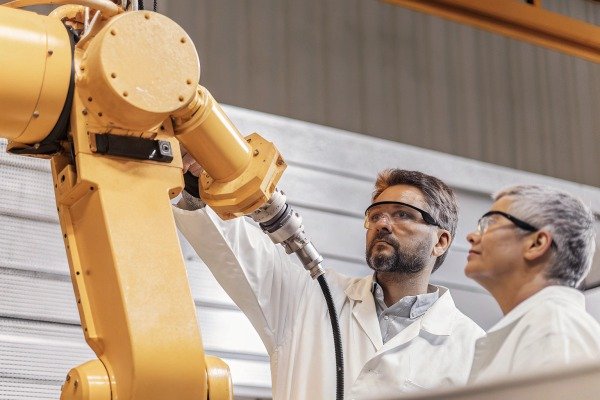
Demander simplement "Utilisez-vous des robots ?" n'est pas suffisant. Vous devez comprendre l'intelligence derrière la machine. Un robot qui suit aveuglément un chemin produira des rebuts si l'ajustement de la pièce varie même légèrement. C'est pourquoi nous insistons pour poser des questions sur les systèmes de vision et le suivi des cordons.
L'importance des systèmes adaptatifs
Dans nos usines, nous savons que les tubes en aluminium – comme les cadres argentés que nous produisons – peuvent présenter de légères tolérances dimensionnelles. Si le robot d'un fournisseur ne peut pas "voir" le joint, la soudure échouera. Vous devriez demander si leur système utilise le suivi de cordon à travers l'arc ou des systèmes de vision optique. suivi de cordon à travers l'arc 3 Ces technologies permettent au robot d'ajuster la trajectoire de la torche en temps réel pour compenser les écarts ou les désalignements. S'ils répondent non, ils s'appuient probablement sur un ajustement parfait des pièces, ce qui est rare dans la fabrication réelle.
Évaluation de la maturité de la simulation
Une autre question essentielle concerne la Programmation Hors Ligne (PHL). Demandez-leur : "Validez-vous les trajectoires de soudure virtuellement avant la production ?" Les fournisseurs qui utilisent un logiciel de PHL peuvent simuler le processus de soudage simuler le processus de soudage 4 pour détecter les collisions et les problèmes de temps de cycle sans arrêter la ligne de production. Cette "Maturité de la simulation" indique un fournisseur sophistiqué capable de gérer rapidement les changements de conception. S'ils programment tout manuellement sur le site de production (à l'aide d'un boîtier d'apprentissage), vos délais de livraison souffriront à chaque révision.
Évaluation de la dette technologique
Enfin, renseignez-vous sur l'âge et la maintenance de leur parc. L'automatisation évolue rapidement. Un robot âgé de 15 ans pourrait ne pas prendre en charge les protocoles modernes d'enregistrement de données. Demandez leur politique de mise à jour du firmware. Nous appelons cela la vérification de la "Dette technologique". Un fournisseur utilisant des plateformes obsolètes présente un risque car si une machine tombe en panne, les pièces de rechange peuvent être indisponibles, laissant votre commande dans l'incertitude.
Tableau de notation des réponses des fournisseurs
Utilisez ce tableau pour noter les réponses que vous recevez des fournisseurs potentiels.
| Catégorie de question | Réponse faible (Signal d'alarme) | Réponse forte (Feu vert) |
|---|---|---|
| Systèmes de vision | "Nos gabarits sont très précis, nous n'avons donc pas besoin de vision." | "Nous utilisons la vision laser pour suivre le cordon et ajuster la variation d'ajustement en temps réel." |
| Programmation | "Nous arrêtons la ligne pour enseigner le robot point par point." | "Nous utilisons la programmation hors ligne (OLP) pour simuler les trajectoires et minimiser les temps d'arrêt." |
| Enregistrement des données | "Nous vérifions les pièces visuellement après soudage." | "Notre système enregistre la tension, l'ampérage et la vitesse du fil pour chaque unité pour une traçabilité 100%." |
| Maintenance | "Nous réparons les robots lorsqu'ils tombent en panne." | "Nous suivons le temps moyen entre les pannes (MTBF) et avons un programme de prévention strict." |
Comment déterminer si mes pièces personnalisées sont mieux adaptées aux lignes de soudage manuelles ou automatisées ?
Notre équipe d'ingénierie conseille fréquemment aux clients que toutes les pièces ne conviennent pas aux robots. Forcer l'automatisation sur des conceptions complexes et à faible volume cause souvent plus de problèmes et de coûts qu'elle n'en résout.
Les pièces à grand volume et faible variété avec des joints à accès ouvert sont idéales pour l'automatisation, garantissant un ROI et une vitesse constants. Inversement, les commandes à faible volume et à grande variété ou les pièces avec des points d'accès restreints nécessitent une main-d'œuvre qualifiée manuelle pour éviter des coûts de programmation excessifs et des temps d'arrêt associés aux changements fréquents d'outillage.
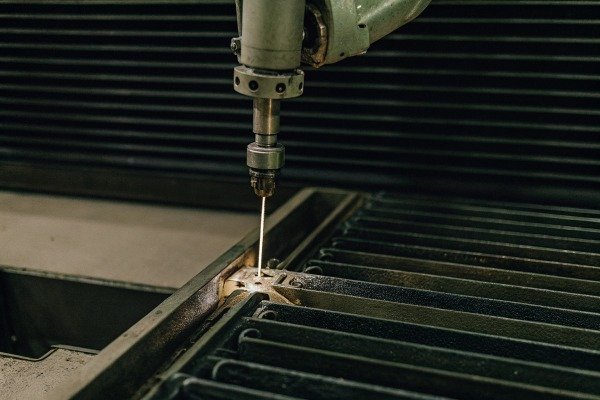
Déterminer la bonne adéquation pour vos pièces évite des erreurs coûteuses. Nous recevons souvent des dessins de cadres complexes que les clients supposent devoir être soudés par robot. Cependant, si la conception empêche un bras robotique d'atteindre le joint, ou si le volume de la commande est trop faible, le soudage manuel est le choix le plus judicieux.
La Matrice Volume et Variété
Le facteur le plus important est la relation entre le volume et la variété. L'automatisation prospère avec un volume élevé et une faible variété. Si vous avez besoin de 5 000 cadres en aluminium identiques, un robot est parfait. Il travaille sans relâche et produit des soudures identiques. Cependant, si vous avez besoin de 50 variations différentes d'un cadre, et seulement 100 unités de chaque, le temps passé à reprogrammer le robot et à changer les fixations (outillage) détruira votre efficacité. Nous interrogeons les fournisseurs sur leur "Seuil de flexibilité de lot" - la quantité minimale à laquelle leur automatisation devient rentable.
Problèmes de géométrie et d'accès
Les robots ne sont pas aussi flexibles que les humains. Un soudeur humain peut tordre son poignet et ajuster son corps pour atteindre un angle difficile à l'intérieur d'un assemblage complexe. Un bras robotique a des limites articulaires et des points de singularité où points de singularité 5 il ne peut pas se déplacer en douceur. Si votre pièce a des coins serrés ou des soudures internes, un robot peut nécessiter des fixations complexes et coûteuses pour faire pivoter la pièce. Dans ces cas, un soudeur manuel qualifié est souvent plus rapide et moins cher. Nous examinons toujours l""accessibilité" des joints de soudure avant de recommander un procédé.
Coûts cachés de l'automatisation pour les faibles volumes
Lorsque vous imposez l'automatisation pour des séries à faible volume, vous payez en coûts d""Ingénierie Non Récurrente Ingénierie Non Récurrente 6 " (NRE). Cela comprend la conception de gabarits personnalisés et le temps de programmation. Si la conception de votre produit évolue encore, ces coûts se reproduisent à chaque changement. La soudure manuelle offre une grande flexibilité ; un humain peut s'adapter instantanément à un nouveau dessin. L'automatisation nécessite une nouvelle programmation et un nouvel outillage.
Liste de contrôle de l'adéquation
Voici une référence rapide pour vous aider à décider.
| Caractéristique | Idéal pour la soudure manuelle | Idéal pour la soudure automatisée |
|---|---|---|
| Volume de commande | Faible (< 500 unités/an) | Élevé (> 5 000 unités/an) |
| Variété de produits | Mix élevé (nombreux SKUs différents) | Mix faible (pièces standardisées) |
| Accès conjoint | Angles restreints, internes ou complexes | Joints ouverts, externes, linéaires |
| Assemblage de pièces | Variable (nécessite un jugement humain) | Constant (tolérances serrées) |
| Stabilité de la conception | Changements fréquents ou prototypes | Conception figée (production de masse) |
Comment le niveau d'automatisation du soudage affecte-t-il la cohérence et les délais de livraison de mes commandes ?
Nous savons que les délais manqués tuent rapidement vos marges bénéficiaires. La soudure manuelle incohérente est souvent le goulot d'étranglement invisible qui ralentit toute votre chaîne d'approvisionnement et cause de la frustration.
Des niveaux d'automatisation élevés stabilisent considérablement les délais en réduisant la fatigue humaine et la variabilité, ce qui conduit à des temps de cycle prévisibles. Les systèmes automatisés avec inspection en ligne détectent immédiatement les défauts, réduisant les taux de rebut et empêchant les goulots d'étranglement causés par des retouches à grande échelle souvent observées dans les lignes de production purement manuelles.

Lorsque nous parlons de délais, nous ne parlons pas seulement de rapidité. Nous parlons de prévisibilité. Un soudeur manuel peut travailler plus lentement un vendredi après-midi qu'un mardi matin. Il peut être absent. Un robot travaille exactement au même rythme, 24h/24 et 7j/7, tant qu'il est entretenu. Cette constance nous permet de planifier les calendriers d'expédition avec une bien plus grande précision.
Éliminer la soudure du "vendredi après-midi"
L'un des plus grands avantages de l'automatisation est la réduction des erreurs humaines. Le soudage manuel, en particulier le soudage TIG sur aluminium, nécessite une concentration intense. Soudage TIG 7 La fatigue entraîne une vitesse de déplacement ou un angle de torche incohérents, ce qui provoque des défauts tels que la porosité ou le manque de fusion. Ces défauts ne sont souvent détectés qu'au stade de l'inspection finale. Si un lot de 500 cadres échoue à l'inspection, votre délai vient de doubler car ils nécessitent tous une retouche. Les lignes automatisées comprennent souvent une surveillance en ligne qui nous alerte immédiatement d'un processus déviant, empêchant une accumulation de pièces défectueuses.
Gérer les pénuries de main-d'œuvre
Dans le climat manufacturier actuel, la main-d'œuvre qualifiée est rare. main-d'œuvre qualifiée 8 C'est une réalité à laquelle nous sommes confrontés au Vietnam et en Chine. S'appuyer fortement sur la main-d'œuvre manuelle signifie que votre capacité de production est liée au recrutement. Si un fournisseur perd cinq soudeurs clés, votre commande est retardée. Les fournisseurs ayant des niveaux d'automatisation élevés sont moins vulnérables aux fluctuations du marché du travail fluctuations du marché du travail 9. Ils peuvent augmenter leur production en ajoutant des équipes aux machines plutôt qu'en embauchant et en formant du nouveau personnel, ce qui prend des mois.
Protocoles de cas limites
Cependant, l'automatisation n'est pas magique. Vous devez interroger les fournisseurs sur leurs "Protocoles de cas limites". Que se passe-t-il lorsqu'une machine détecte un défaut évité de justesse ? Arrête-t-elle la ligne ? Segrège-t-elle la pièce ? Une ligne automatisée mal configurée peut produire des pièces défectueuses plus rapidement qu'un humain. La clé est que l'automatisation avec une surveillance appropriée crée un rythme stable. Cette stabilité est ce qui protège vos délais.
Impact sur les indicateurs clés
Le tableau suivant illustre pourquoi l'automatisation conduit à une meilleure planification de la chaîne d'approvisionnement.
| Indicateur | Ligne de production manuelle | Ligne de production automatisée |
|---|---|---|
| Temps de cycle | Variable (dépend de l'habileté/fatigue du soudeur) | Fixe et constant |
| Taux de rebut | Plus élevé (sujet aux erreurs humaines) | Plus bas (processus répétable) |
| Risque de délai | Élevé (pénurie de main-d'œuvre, maladie, fatigue) | Faible (fiabilité de la machine) |
| Contrôle qualité | Généralement post-processus (fin de ligne) | Souvent en cours de processus (surveillance en temps réel) |
| Scalabilité | Linéaire (embaucher plus de personnes) | Exponentiel (ajoutez facilement des décalages/machines) |
Quelle documentation dois-je demander pour vérifier la maintenance et l'étalonnage des systèmes de soudage automatisés ?
Lors de nos visites d'usine, nous vérifions toujours d'abord les journaux de maintenance. Sans preuve de calibration, même le bras robotique le plus cher n'est qu'un fardeau qui attend de tomber en panne.
Demandez les calendriers de maintenance préventive et les journaux de calibration pour l'ampérage, la tension et la vitesse d'alimentation du fil. Assurez-vous qu'ils ont des certifications pour les opérations robotiques et des protocoles documentés pour les mises à jour du firmware afin de vérifier que leur équipement reste fiable et capable de répondre à vos spécifications de qualité strictes au fil du temps.
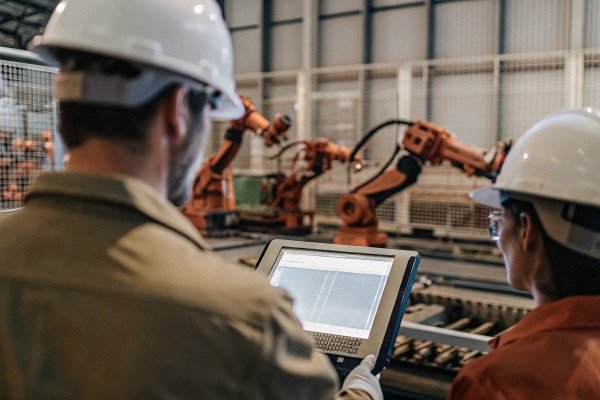
La documentation est votre seule preuve que la machine fait ce que le fournisseur prétend. Nous traitons les journaux de maintenance comme un dossier de santé pour l'usine. Si un fournisseur ne peut pas produire ces documents, c'est un signal d'alarme majeur. Cela suggère qu'ils font fonctionner leurs machines jusqu'à ce qu'elles tombent en panne, ce qui crée un risque élevé de temps d'arrêt imprévu pendant votre cycle de production.
Certificats de Calibration
Vous devez vérifier que les paramètres de soudage — courant (Ampères), tension (Volts) et vitesse d'alimentation du fil — sont calibrés. Demandez des certificats de calibration récents. Pour les systèmes automatisés, nous recherchons le respect de normes telles que AWS D16.4 AWS D16.4 10 (Spécification pour la qualification du personnel de soudage à l'arc robotisé). Même si le robot effectue le soudage, le personnel qui le configure doit être qualifié. Si la machine pense qu'elle délivre 200 Ampères mais qu'elle en délivre en réalité 180 Ampères, vous obtiendrez des soudures froides et des défaillances structurelles.
Calendriers de Maintenance Préventive (MP)
Demandez à voir le "Calendrier de Maintenance Préventive". Il ne doit pas s'agir d'un simple morceau de papier ; il doit s'agir d'un journal numérique montrant les tâches effectuées. Nous recherchons des vérifications régulières du "TCP" (Tool Center Point). Le TCP est le point focal de la torche du robot. Si le robot entre en collision ou heurte un montage, le TCP peut se décaler. Si le fournisseur n'a pas de routine pour vérifier et recalibrer le TCP, le robot soudera au mauvais endroit, ruinant potentiellement des centaines de pièces avant que quiconque ne s'en aperçoive.
Versions du Firmware et du Logiciel
Dans la fabrication moderne, le logiciel est aussi important que le matériel. Demandez un rapport sur leurs versions de firmware. L'utilisation de logiciels obsolètes peut entraîner des problèmes de compatibilité avec de nouveaux formats de fichiers ou des vulnérabilités de sécurité. Un fournisseur qui met régulièrement à jour ses systèmes est un fournisseur qui investit dans la stabilité à long terme.
Liste de contrôle des documents essentiels
Lorsque vous êtes au stade de la demande de devis (RFQ) ou que vous auditez un fournisseur, demandez ces documents spécifiques :
- Journaux de Calibration : Enregistrements datés montrant la validation des sources d'alimentation et des alimentateurs de fil.
- Journal de bord PM : Historique des actions de maintenance (par exemple, changements de graisse, remplacements de câbles).
- Certifications de l'opérateur : Preuve que le personnel qui programme les robots est certifié (par exemple, ISO 14732).
- Enregistrements de vérification du TCP : Journaux indiquant la fréquence à laquelle le point central de l'outil est vérifié pour sa précision.
Conclusion
Poser les bonnes questions techniques garantit votre chaîne d'approvisionnement. Nous vous aidons à vérifier ces détails pour assurer une livraison à temps et une qualité irréprochable pour chaque commande de pièces personnalisées.
Notes de bas de page
1. Ressource faisant autorité sur les défauts de soudure causés par la variabilité des processus manuels. ↩︎
2. Guide officiel du gouvernement américain sur l'approvisionnement et l'importation depuis le Vietnam. ↩︎
3. Définition technique de la technologie de suivi spécifique mentionnée. ↩︎
4. Association industrielle expliquant les avantages de la programmation hors ligne et de la simulation. ↩︎
5. Explication technique des limitations et des singularités des bras robotiques. ↩︎
6. Définition des coûts uniques dans la fabrication. ↩︎
7. Contexte général du processus de soudage TIG. ↩︎
8. Données du Bureau américain des statistiques du travail sur les tendances de l'emploi des soudeurs. ↩︎
9. Statistiques gouvernementales sur l'impact de la robotique sur la stabilité de la main-d'œuvre. ↩︎
10. Norme de l'American Welding Society pour le personnel de soudage robotisé. ↩︎

 English
 Español de México
 Deutsch
 Français
 Русский