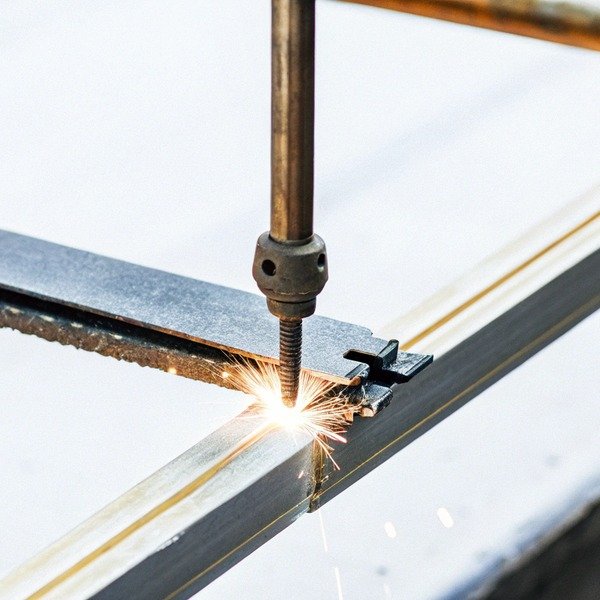
Nous constatons souvent que les défaillances de soudure ne proviennent pas de l'arc lui-même, mais de ce qui se passe après. Sauter le contrôle thermique entraîne des fissures coûteuses et des clients insatisfaits, selon notre expérience.
Pour évaluer la durabilité, demandez des graphiques de four prouvant le respect de normes telles que AMS 2759 ou ISO 17663. Vérifiez les temps de maintien et les vitesses de refroidissement spécifiques dans les données. De plus, exigez des rapports de tests mécaniques, en particulier de dureté et de résistance à la traction, pour confirmer que le processus a atteint les propriétés matérielles requises.
Ce processus de vérification peut sembler technique, mais le diviser en documents et tests spécifiques le rend gérable.
Quels graphiques de température et quels documents spécifiques dois-je demander pour vérifier le cycle de traitement thermique ?
Lors de nos audits d'usine au Vietnam, nous privilégions l'examen des données brutes du four plutôt que des rapports polis. Cela révèle si le cycle thermique correspondait réellement aux exigences d'ingénierie.
Vous devez demander des enregistrements continus de temps-température qui montrent le cycle complet de chauffage, de maintien et de refroidissement. Demandez également les rapports actuels d'enquête sur l'uniformité du four (FUS) et les enregistrements de test de précision du système (SAT) pour vous assurer que l'équipement lit les températures avec précision sur toute la zone de travail.
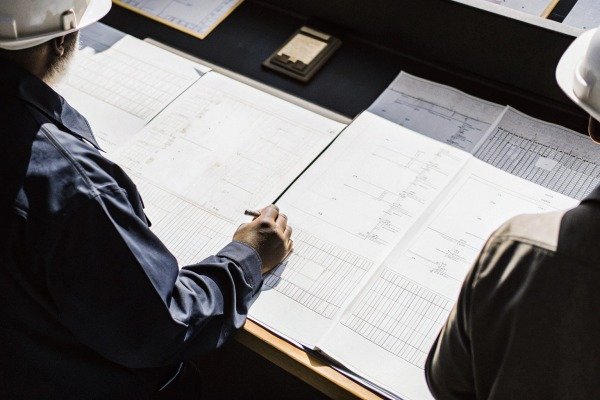
Demander la bonne documentation est la première ligne de défense contre la mauvaise qualité. Dans l'industrie des pièces personnalisées, un simple "certificat de conformité" est rarement suffisant pour prouver qu'une pièce de soudage critique durera. Vous avez besoin de données brutes qui racontent l'histoire de la façon dont le métal a été traité. Lorsque nous gérons des chaînes d'approvisionnement, nous n'acceptons pas les résumés tapés ; nous recherchons les relevés numériques ou analogiques directement des contrôleurs de four.
Le document le plus critique est le graphique temps-température. Ce graphique visualise toute la durée de vie du lot de traitement thermique. Vous devez rechercher trois phases spécifiques : la montée en température, le maintien et le refroidissement. Si la montée en température est trop rapide, la pièce peut se fissurer en raison d'un choc thermique. choc thermique 1 Si le temps de maintien est trop court, le cœur du matériau n'atteindra pas la température nécessaire pour modifier sa microstructure. Une règle générale que nous suivons est d'une heure de maintien par pouce d'épaisseur de métal.
Au-delà des données spécifiques du lot, vous devez vérifier l'état de l'équipement lui-même. Un four qui fonctionne 50 degrés plus chaud à gauche qu'à droite détruira un lot de cadres soudés. C'est pourquoi nous insistons pour voir l'enquête sur l'uniformité du four (FUS). Enquête sur l'uniformité du four (FUS) 2 Ce document prouve que la chaleur est uniformément répartie. De même, le test de précision du système (SAT) vérifie que les thermocouples et les contrôleurs sont correctement calibrés.
Liste de contrôle de la documentation essentielle
| Type de document | Ce qu'il vérifie | Pourquoi c'est important |
|---|---|---|
| Tableau Temps-Heures | Vitesses de montée, temps de maintien, vitesses de refroidissement | Prouve que la recette a été suivie exactement pour ce lot spécifique. |
| Rapport FUS | Cohérence de la température dans le four | Garantit que les pièces à l'arrière reçoivent généralement la même chaleur que les pièces à l'avant. |
| Enregistrement SAT | Précision du capteur et du contrôleur | Confirme que la lecture de la température à l'écran correspond à la réalité. |
| Journal de trempe | Temps de transfert et température du milieu | Crucial pour la trempe ; les retards ici provoquent des points mous et des défaillances. |
Si un fournisseur hésite à partager ces enregistrements plus détaillés, cela suggère souvent qu'il ne surveille pas ses processus de près. Nous considérons cette transparence comme une exigence non négociable pour les pièces de haute durabilité.
Quelles méthodes de mesure de dureté valident le mieux les propriétés mécaniques de mes composants soudés ?
Nous avons un jour sauvé un client d'un échec de lot en insistant sur des tests de dureté sur la zone de soudure, et pas seulement sur le métal de base, révélant des points fragiles cachés.
Pour les composants soudés, les tests Vickers ou Micro-Vickers sont les meilleurs pour cartographier la zone affectée par la chaleur (ZAT) en raison de leur précision. Cependant, le Rockwell C est standard pour la vérification générale de la trempe profonde, tandis que le Brinell est préféré pour vérifier la dureté globale des pièces moulées ou des surfaces rugueuses.

Les tests de dureté sont le moyen le plus pratique de valider que le traitement thermique a fonctionné sans détruire chaque pièce. Cependant, choisir la mauvaise méthode de test peut vous donner une fausse confiance. Lorsque nous traitons des assemblages soudés, le défi est que le métal n'est pas uniforme. Zone affectée par la chaleur 3 Vous avez le métal de base, le métal de soudure et la Zone Affectée par la Chaleur (ZAC). Chaque zone a des propriétés différentes.
Pour la vérification générale de la résistance globale d'une pièce en acier, le Rockwell C (HRC) est la norme de l'industrie. Rockwell C 4 Rockwell C (HRC) 5 Il est rapide, peu coûteux et facile à réaliser. Nous l'utilisons souvent pour les pièces trempées en profondeur où l'état de surface est relativement lisse. Cependant, l'indentation est petite. Si le matériau a une structure à gros grains, comme certaines fontes ou des soudures rugueuses, la lecture peut varier considérablement.
Dans ces cas plus rugueux, nous préférons le test Brinell. Test Brinell 6 Il utilise un indenteur à bille plus grand et une charge plus lourde. Il lisse efficacement les incohérences locales, donnant une meilleure représentation de la résistance du matériau en vrac. Ceci est particulièrement utile pour les grandes pièces de soudure structurelle où la finition de surface n'est pas parfaite.
Le danger de la ZAC
Le véritable risque dans le soudage est la ZAC. Cette étroite bande de métal à côté de la soudure chauffe mais ne fond pas. Elle devient souvent cassante. Les tests Rockwell ou Brinell standard sont trop grands pour mesurer cette zone étroite avec précision. C'est là que le test Vickers (HV) devient essentiel. Test Vickers (HV) 7
Vickers utilise une petite pyramide de diamant. Nous pouvons placer une série d'indentations en ligne - en commençant dans le métal de base, en traversant la ZAC et en terminant dans la soudure. Cette "traversée de dureté" cartographie les changements dans le métal. Si nous voyons un pic massif de dureté dans la ZAC, nous savons que la pièce est cassante et susceptible de se fissurer sous contrainte. Ce niveau de détail est crucial pour évaluer la durabilité.
Comparaison des méthodes de test de dureté
| Méthode | Meilleure application | Avantage | Limitation |
|---|---|---|---|
| Rockwell C (HRC) | Pièces en acier finies et lisses | Lecture rapide et directe, aucune mesure optique nécessaire. | L'indentation est trop petite pour les matériaux grossiers ; la surface doit être propre. |
| Brinell (HB) | Pièces moulées, pièces forgées, soudures brutes | Compense les incohérences ; tolère des surfaces plus rugueuses. | Nécessite une grande surface plane ; l'indentation est très grande. |
| Vickers (HV) | Zones affectées par la chaleur (ZAT), pièces minces | Extrêmement précis ; permet de cartographier les gradients de dureté à travers une soudure. | Processus lent ; nécessite une préparation minutieuse de la surface et une lecture optique. |
En spécifiant le bon test sur vos plans, vous obligez le fournisseur à valider les zones spécifiques où une défaillance est la plus susceptible de se produire.
Comment un traitement thermique post-soudage (PWHT) approprié empêche-t-il spécifiquement les contraintes résiduelles et la fissuration ?
Notre équipe d'ingénierie spécifie toujours le traitement thermique après soudage (PWHT) pour les cadres complexes afin de garantir qu'ils conservent leur forme pendant l'usinage et qu'ils résistent à des années de contraintes opérationnelles.
Le PWHT empêche la fissuration en relaxant les contraintes de traction résiduelles emprisonnées lors du refroidissement rapide du bain de fusion. Il tempère également les microstructures martensitiques fragiles dans la zone affectée par la chaleur et permet à l'hydrogène dissous de s'échapper, réduisant ainsi considérablement le risque de fissuration à froid retardée.
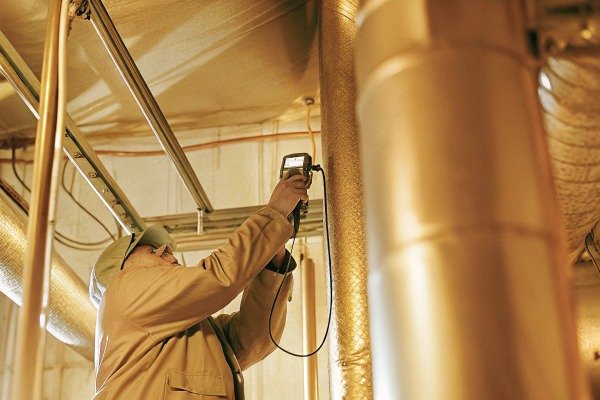
Le soudage est un événement thermique violent. Vous faites fondre du métal à des milliers de degrés pendant que le matériau environnant reste froid. Lorsque le bain de fusion refroidit et se solidifie, il se contracte. Le métal froid environnant résiste à cette contraction, créant une tension interne massive. Nous appelons cela la contrainte résiduelle. Si elles ne sont pas traitées, ces contraintes résident à l'intérieur de la pièce comme un ressort comprimé, attendant de se libérer. Cette libération se manifeste souvent par une fissure pendant le service ou par une déformation pendant l'usinage.
Le traitement thermique après soudage agit comme un bouton de réinitialisation pour ces contraintes. Traitement thermique post-soudage 8 En chauffant la pièce uniformément à une température spécifique (inférieure au point de fusion mais suffisamment élevée pour ramollir légèrement le matériau), nous abaissons la limite d'élasticité. Cela permet au matériau de se détendre et aux contraintes internes de se relâcher plastiquement. Pour nos cadres personnalisés, cela garantit que lorsque le client usine une surface plane plus tard, le cadre ne se tord pas comme un bretzel.
Hydrogène : Le tueur silencieux
Au-delà du soulagement du stress, le traitement thermique post-soudage (PWHT) joue un rôle essentiel dans la prévention des défaillances chimiques. Pendant le soudage, l'hydrogène provenant de l'humidité ou des contaminants peut être piégé dans le métal en fusion. Lorsque le métal refroidit, cet hydrogène tente de s'échapper mais peut rester bloqué dans le réseau cristallin. Cela conduit à la fissuration induite par l'hydrogène (HIC), également connue sous le nom de fissuration à froid. Fissuration induite par l'hydrogène (HIC) 9 Ceci est particulièrement dangereux car cela peut se produire des jours après que la pièce a quitté l'usine.
Un PWHT approprié aide de deux manières concernant la microstructure et la chimie :
- Trempe de la Martensite : Dans l'acier, un refroidissement rapide crée une phase dure et cassante appelée martensite. Le PWHT tempère cette phase, la rendant plus résistante et moins sujette à la fissuration.
- Effusion d'hydrogène : Maintenir la pièce à une température élevée permet aux atomes d'hydrogène piégés de diffuser rapidement hors du métal.
Avantages du PWHT pour la Durabilité
- Stabilité dimensionnelle : Garantit que les pièces maintiennent des tolérances serrées après l'usinage.
- Résistance à la corrosion : Réduit la susceptibilité à la fissuration par corrosion sous contrainte.
- Durée de vie en fatigue : Abaisse la contrainte de base, permettant à la pièce de supporter plus de chargements cycliques pendant le fonctionnement.
Nous considérons le PWHT non pas comme un coût supplémentaire, mais comme une police d'assurance. Pour les pièces critiques supportant des charges, le coût d'un cycle de décharge est insignifiant par rapport au coût d'une défaillance sur le terrain.
Quels drapeaux rouges devrais-je rechercher dans le plan de contrôle qualité d'un fournisseur concernant le traitement thermique ?
En visitant l'usine d'un fournisseur potentiel, nous recherchons des signes subtils de négligence qui prédisent généralement un traitement thermique médiocre et une qualité de pièce incohérente.
Les principaux drapeaux rouges comprennent les lacunes dans la traçabilité des lots, l'absence d'autocollants d'étalonnage visibles sur les contrôleurs de four et des milieux de trempe sales. Méfiez-vous si un fournisseur ne peut pas produire de graphiques horodatés correspondant à votre série de production spécifique ou s'il traite différents alliages dans le même lot.
L'évaluation d'un fournisseur concerne souvent davantage ce que vous voyez en arrière-plan que ce qui est présenté dans la salle de conférence. Lorsque nous auditons des usines en Asie pour nos clients américains, nous nous dirigeons directement vers l'atelier de traitement thermique. L'environnement y révèle tout sur leur discipline de contrôle de processus.
L'un des plus grands drapeaux rouges est le manque de traçabilité. manque de traçabilité 10 Chaque panier de pièces entrant dans un four doit avoir une carte de suivi ou un identifiant numérique qui le relie à un chargement de four spécifique. Si nous voyons des paniers de pièces posés au sol sans étiquettes, nous savons qu'il y a un risque élevé de mélanger des pièces traitées et non traitées. Si un fournisseur ne peut pas vous dire exactement dans quel lot se trouvaient vos pièces, il ne peut pas prouver qu'elles ont été traitées thermiquement.
Entretien et hygiène de l'équipement
Un autre signe d'alerte critique est l'état de l'équipement. Regardez les régulateurs de température. Ont-ils des autocollants d'étalonnage actuels ? Si l'étalonnage est expiré, la température affichée à l'écran n'est qu'une supposition. Dans le traitement thermique, un écart de 20 °C peut faire la différence entre une pièce durable et une pièce mise au rebut.
Les cuves de trempe sont également révélatrices. L'huile ou l'eau utilisée pour refroidir les pièces doit être propre et maintenue à une température spécifique. Si l'huile est sale, épaisse de boue, ou si la cuve manque d'agitation, le refroidissement sera inégal. Cela entraîne des points mous sur les pièces. Nous recherchons également les "chargements mixtes". Différents alliages nécessitent des recettes différentes. Si nous voyons des pièces en aluminium et en acier attendant d'entrer dans le même four continu, nous savons que le fournisseur privilégie le débit à la qualité.
Drapeaux rouges vs. meilleures pratiques
| Zone de préoccupation | Drapeau rouge (Danger) | Meilleure pratique (Sûr) |
|---|---|---|
| Traçabilité | Paniers non étiquetés ; "suivis" remplis à la fin du quart de travail. | Lots à code-barres ; enregistrement numérique en temps réel de chaque étape. |
| Chargement du four | Pièces jetées en tas ; surcharge des paniers. | Pièces montées individuellement ou espacées uniformément pour la circulation de l'air. |
| Sous-traitance | Le fournisseur envoie des pièces à un "atelier local" sans supervision. | Liste des fournisseurs approuvés pour les sous-traitants avec des enregistrements d'audit réguliers. |
| Conception du cycle | Utilisation d'un "cycle standard" générique pour chaque épaisseur de pièce. | Cycles conçus en fonction de l'épaisseur de la section transversale et de l'alliage. |
Nous conseillons aux acheteurs de traiter la ligne de traitement thermique avec le même niveau de rigueur que l'atelier de soudage. Un processus thermique désordonné et non documenté garantit presque toujours des problèmes de durabilité à long terme.
Conclusion
La validation du traitement thermique nécessite l'audit des données, et non pas seulement la confiance accordée aux certificats. Un traitement thermique approprié garantit que vos pièces soudées fonctionneront en toute sécurité et de manière fiable pendant des années.
Notes de bas de page
1. Informations générales sur la manière dont les changements rapides de température provoquent la défaillance des matériaux. ↩︎
2. Norme industrielle officielle (AMS 2750) définissant les exigences d'uniformité du four. ↩︎
3. Informations générales sur la zone de métal affectée par la chaleur de soudage. ↩︎
4. Documentation technique expliquant la méthode de test de dureté industrielle la plus courante. ↩︎
5. Norme officielle (ASTM E18) pour le test de dureté Rockwell des matériaux métalliques. ↩︎
6. Méthode d'essai normalisée pour la détermination de la dureté Brinell des matériaux métalliques. ↩︎
7. Norme internationale pour l'essai de dureté des matériaux métalliques selon la méthode Vickers. ↩︎
8. Guide faisant autorité sur les procédures de traitement thermique après soudage (PWHT) et les avantages de la relaxation des contraintes. ↩︎
9. Aperçu technique des causes de la fissuration par l'hydrogène et des stratégies de prévention. ↩︎
10. Norme internationale soulignant l'importance de la traçabilité dans la gestion de la qualité. ↩︎

 English
 Español de México
 Deutsch
 Français
 Русский