Au cours de nos années de gestion de chaînes d'approvisionnement au Vietnam et en Chine, nous rencontrons fréquemment des usines qui se disent expertes en fabrication de métaux, mais qui ne font pas la distinction entre le soudage d'acier doux et le cuivre à haute conductivité. Cette négligence est dangereuse ; une pièce en cuivre qui semble visuellement acceptable peut échouer de manière catastrophique sous charge électrique si la structure interne est compromise par une mauvaise gestion thermique.
Pour déterminer la capacité, vérifiez que le fournisseur traite des rapports de test de matériaux spécifiques confirmant les normes de conductivité IACS. Assurez-vous qu'ils utilisent des technologies de soudage spécialisées comme le soudage par friction-malaxage ou le TIG avec des mélanges d'hélium, qu'ils mettent en œuvre des tests non destructifs rigoureux pour la porosité et qu'ils possèdent des études de cas documentées de projets similaires en cuivre à fort ampérage.
Ci-dessous, nous détaillons les preuves spécifiques et les étapes de validation que vous devez suivre pour vous assurer que votre fournisseur ne se contente pas de deviner sa façon de produire.
Quels rapports de test de matériaux dois-je exiger pour vérifier la conductivité de l'alliage de cuivre ?
Lorsque nous auditons des partenaires potentiels pour nos clients américains, nous constatons souvent que le manque de documentation spécifique est le premier signal d'alarme. De nombreux fournisseurs fournissent un certificat générique de "cuivre" qui ne vous dit rien sur l'adéquation du matériau pour les applications à courant élevé.
Vous devez exiger des rapports de test de matériaux (MTR) qui indiquent explicitement la conductivité électrique en pourcentage de la norme internationale de cuivre recuit (IACS). De plus, exigez une analyse chimique certifiant les niveaux de pureté, tels que la qualité sans oxygène électronique (OFE), pour vous assurer que les éléments traces n'entravent pas les performances.
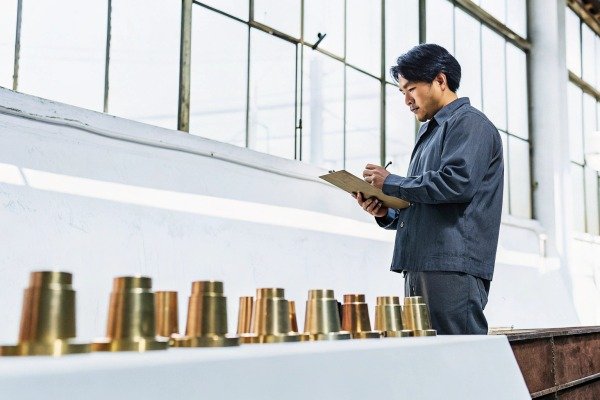
L'importance des cotes IACS spécifiques
Nous avons appris par dure expérience que "haute conductivité" est un terme marketing, pas une spécification d'ingénierie. Un fournisseur compétent doit comprendre la norme internationale de cuivre recuit (IACS). Norme internationale de cuivre recuit 1 Norme internationale de cuivre recuit 2 Le cuivre recuit pur est défini comme 100 % IACS. Cependant, le soudage crée une zone affectée par la chaleur (ZAT) qui peut modifier ces propriétés.
Lorsque vous demandez un MTR, il ne doit pas simplement indiquer "C11000" ou "C10100". Il doit fournir la valeur de conductivité pour ce lot spécifique. Par exemple, si vous vous approvisionnez en électrodes de soudage par résistance, le fournisseur doit proposer du cuivre au béryllium (C17200) ou du cuivre au chrome (C18200). Ces alliages échangent une petite quantité de conductivité contre la résistance mécanique nécessaire pour supporter les pressions de soudage. Si un fournisseur vous envoie un rapport pour du cuivre standard ETP (Electrolytic Tough Pitch) pour une application à forte usure, il ne comprend pas la science des matériaux derrière votre produit.
Composition chimique et pureté
La section d'analyse chimique du rapport est tout aussi critique. Dans nos lignes de production, nous accordons une attention particulière à la teneur en oxygène. Pour les applications de soudage, la présence d'oxygène dans le cuivre électrolytique peut entraîner une fragilisation par l'hydrogène si le fournisseur utilise une flamme contenant de l'hydrogène fragilisation par l'hydrogène 3 ou un gaz de protection.
Un fournisseur sophistiqué suggérera du cuivre électronique sans oxygène (OFE) ou des nuances désoxydées (comme le C12200) si le processus de soudage implique de l'hydrogène. Si votre fournisseur ne peut pas expliquer pourquoi il utilise une nuance spécifique pour prévenir la fragilisation, il est probable qu'il s'approvisionne en ce qui est le moins cher plutôt qu'en ce qui est fonctionnel.
Association de l'alliage à l'application
Votre fournisseur doit démontrer qu'il peut s'approvisionner en l'alliage correct pour la charge thermique et électrique spécifique. Nous utilisons le cadre suivant pour évaluer si la sélection de matériaux d'un fournisseur correspond à la réalité :
| Nuance de l'alliage | Nom commun | Conductivité typique (% IACS) | Utilisation typique pour le soudage |
|---|---|---|---|
| C10100 | Électronique sans oxygène (OFE) | 101% | Électronique sous vide poussé ; soudage critique où la fragilisation par l'hydrogène présente un risque. |
| C11000 | Cuivre électrolytique à haute teneur en oxygène (ETP) | 100% | Composants électriques généraux ; difficile à souder sans porosité en raison de la teneur en oxygène. |
| C17200 | Cuivre au béryllium | 18-25% | Électrodes de soudage par résistance (Classe 4) ; exigences élevées en matière de résistance et de dureté. |
| C18200 | Cuivre au chrome | 80% | Électrodes de soudage par résistance (Classe 2) ; équilibre entre bonne conductivité et résistance à l'usure. |
Comment évaluer si le fournisseur dispose de la technologie de soudage nécessaire pour les métaux à haute conductivité ?
Notre équipe d'ingénieurs rejette souvent les fournisseurs qui tentent d'utiliser des paramètres de soudage standard pour l'acier sur le cuivre. La physique est entièrement différente, et l'utilisation d'un mauvais réglage entraîne des joints faibles qui ne peuvent pas supporter le courant prévu.
Évaluez leur capacité à gérer l'apport de chaleur grâce à des équipements spécialisés tels que les machines de soudage TIG à haut ampérage ou de soudage par friction-malaxage. Un fournisseur compétent démontrera l'utilisation de mélanges de gaz de protection riches en hélium pour augmenter la pénétration et des protocoles de préchauffage de 300 à 600 °C pour contrer la dissipation rapide de chaleur du cuivre.
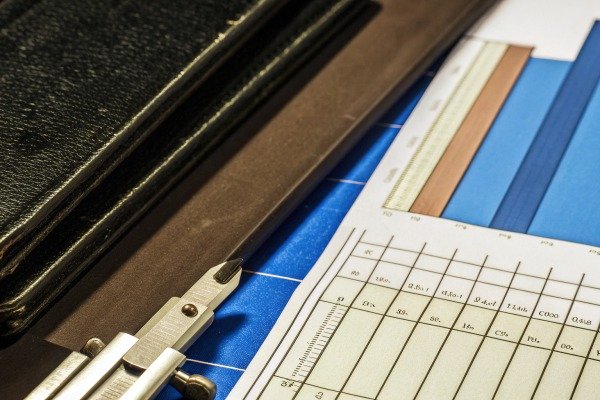
Capacités de gestion thermique
Le défi fondamental avec le cuivre est qu'il conduit la chaleur hors de la zone de soudure plus rapidement que l'acier. Un poste à souder MIG standard fonctionnant à l'argon pur entraîne souvent un "collage à froid", où le métal repose sur la surface sans fusionner réellement.
Lorsque nous inspectons les ateliers de fabrication, nous recherchons des équipements de préchauffage de grande capacité. Pour les sections de cuivre pur de plus de 3 mm, un préchauffage entre 300 °C et 600 °C est généralement obligatoire. Cela réduit le gradient thermique et permet au bain de fusion de bien mouiller. Si un fournisseur vous dit qu'il soude des sections de cuivre épaisses "à froid" (à température ambiante) en utilisant un équipement standard, il produit probablement des pièces défectueuses.
Sélection du gaz de protection
L'une des questions les plus révélatrices que vous puissiez poser est : "Quel gaz de protection utilisez-vous pour les sections de cuivre épaisses ?" Si la réponse est "Argon standard", soyez prudent. L'argon est souvent insuffisant pour le cuivre épais car il produit un arc relativement froid.
Les fabricants de cuivre expérimentés utilisent de l'hélium ou des mélanges hélium-argon (souvent 50/50 ou 75/25 hélium). Mélanges d'hélium ou d'hélium-argon 4 L'hélium a une conductivité thermique élevée, ce qui crée un arc plus chaud et permet une pénétration plus profonde. Ceci est essentiel pour surmonter l'effet de puits de chaleur du cuivre. Nous considérons la présence de stations de mélange d'hélium dans l'atelier de production comme un indicateur fort de compétence.
Procédés de soudage spécialisés
Au-delà du soudage à l'arc standard, les fournisseurs de premier plan utilisent souvent le soudage par friction-malaxage (FSW) ou le soudage par faisceau d'électrons. Soudage par friction-malaxage (FSW) 5 pour le cuivre. Ces procédés minimisent la zone affectée par la chaleur et maintiennent une conductivité plus élevée sur la jonction. Bien que tous les projets ne nécessitent pas ces méthodes avancées, un fournisseur qui en est conscient et qui peut expliquer pourquoi il les utilise (ou non) pour votre projet démontre un niveau de sophistication technique plus élevé.
Pour les applications de soudage par résistance, l'équipement doit être capable de délivrer des courants extrêmement élevés par impulsions très courtes (millisecondes). Le cuivre étant conducteur, il ne génère pas facilement sa propre chaleur par résistance ; la chaleur doit être générée à l'interface. Un équipement dépourvu de contrôle "upslope" ou de capacités de haute intensité entraînera des électrodes collées ou des nuggets faibles.
Liste de contrôle de vérification des procédés
Nous vous recommandons de demander une feuille de paramètres pour un projet similaire passé. Recherchez ces détails spécifiques :
- Journal de température de préchauffage : Preuve que la température est surveillée avant que l'arc ne soit amorcé.
- Niveaux d'ampérage : Le cuivre nécessite un ampérage nettement plus élevé que l'acier.
- Vitesse de déplacement : Pour éviter l'accumulation de chaleur dans les zones environnantes, les vitesses de déplacement doivent souvent être plus rapides une fois que le bain de fusion est établi.
Quels processus de contrôle qualité sont essentiels pour détecter les défauts dans les pièces de soudage en cuivre ?
Nous avons eu un projet où un lot de barres omnibus en cuivre semblait parfait visuellement mais a provoqué une défaillance du système lors des tests. Le problème était une porosité interne qu'aucune inspection visuelle ne pouvait détecter. Cela nous a appris que se fier uniquement à la vue est une garantie d'échec.
Les processus de contrôle qualité critiques doivent inclure des tests non destructifs tels que l'inspection par ultrasons ou par rayons X pour détecter la porosité sous-jacente courante dans les soudures de cuivre. De plus, exigez des tests de conductivité électrique post-soudage et une inspection par ressuage pour identifier les fissures de surface causées par la fragilisation à chaud pendant la phase de refroidissement.
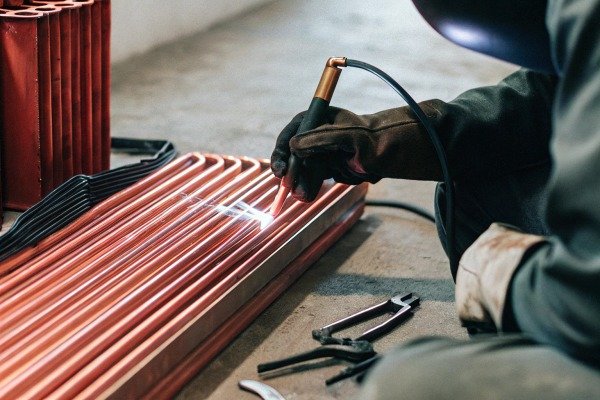
Combattre la porosité avec les END
La porosité est l'ennemi de la conductivité. En soudage du cuivre, l'hydrogène et l'oxygène sont les principaux coupables. Lorsque le bain de fusion se solidifie, ces gaz piégés forment des bulles. Ces vides réduisent la section transversale du conducteur, augmentant la résistance et créant des points chauds qui peuvent entraîner un incendie.
Un fournisseur capable de pièces à haute conductivité doit disposer de tests non destructifs (END) en interne ou sous-traités. Nous insistons sur le contrôle radiographique (RT/rayons X) pour les soudures structurelles critiques ou le contrôle par ultrasons (UT) Contrôle radiographique (RT/rayons X) 6 pour les sections plus épaisses. L'inspection visuelle (VT) n'est acceptable que pour l'état de surface, pas pour l'intégrité structurelle ou électrique. Si un fournisseur considère que les rayons X sont "inutiles" pour une pièce à fort ampérage, il ne comprend pas le profil de risque.
Détection de la "fragilité à chaud" et des fissures
Les alliages de cuivre sont sujets à la "fragilité à chaud", c'est-à-dire qu'ils deviennent cassants à des températures élevées juste en dessous du point de fusion. Si la soudure est trop contrainte lors du refroidissement, elle se fissurera.
L'inspection par ressuage (PT) est une méthode rentable et essentielle pour détecter ces fissures débouchantes. Inspection par ressuage 7 Nous exigeons de nos fournisseurs qu'ils effectuent un PT sur 100% des passes de racine et des couches finales pour les composants critiques. Cela garantit que les micro-fissures, invisibles à l'œil nu, sont identifiées avant l'expédition de la pièce.
Vérification de la conductivité
Le test ultime d'une pièce en cuivre soudée est de savoir si elle conduit toujours l'électricité comme prévu. Le soudage modifie la structure du grain du métal, ce qui peut abaisser la conductivité dans la zone affectée par la chaleur (ZAT).
Nous utilisons le contrôle par courants de Foucault pour mesurer les variations de conductivité sur le profil de la soudure. Un fournisseur compétent doit être en mesure de fournir une carte ou un rapport de contrôle ponctuel indiquant que la conductivité dans la zone de soudure n'est pas tombée en dessous de votre minimum spécifié (par exemple, en maintenant au moins 80-90% de la valeur IACS du matériau de base, en fonction de l'alliage).
| Type de défaut | Cause | Méthode de détection | Criticité pour les pièces électriques |
|---|---|---|---|
| Porosité | Hydrogène/Oxygène piégé | Rayons X (RT), Ultrasons (UT) | Élevé – Augmente la résistance, provoque une surchauffe. |
| Fissuration à chaud | Contrainte de solidification | Pénétrant colorant (PT) | Élevé – Défaillance structurelle due à la dilatation thermique. |
| Manque de fusion | Apport de chaleur insuffisant | Ultrasons (UT) | Sévère – Perte massive de conductivité et de résistance. |
| Inclusion de tungstène | Contamination de l'électrode | Rayons X (RT) | Moyen – Peut créer des points de résistance localisés. |
Comment puis-je confirmer l'expérience du fabricant avec des projets personnalisés similaires en cuivre avant de passer une commande ?
Lors de nos évaluations sur site, nous regardons au-delà de la salle d'échantillons rutilante et demandons à voir la benne à rebuts et les anciens dossiers de projets. L'expérience réelle est désordonnée et documentée ; l'expérience fictive n'est généralement qu'un argumentaire de vente répété.
Confirmez l'expérience en demandant des études de cas relatives à des applications à courant élevé telles que les électrodes de soudage par résistance ou les composants marins. Vérifiez leur connaissance des défis spécifiques aux alliages, tels que les protocoles de sécurité sanitaire pour le cuivre au béryllium ou les exigences d'usinage pour le cuivre au chrome, plutôt qu'une expérience générique du travail des métaux.
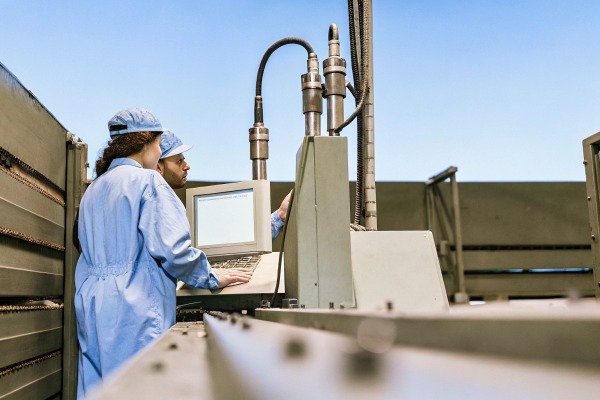
Vérifications des connaissances spécifiques à l'industrie
Un atelier de métaux généraliste parlera de "tolérances" et de "finition". Un atelier spécialisé dans le cuivre parlera de "conductivité", de "grippage" et de "dilatation thermique". Pour vérifier l'expérience, posez-leur des questions sur les défis spécifiques à votre secteur d'activité.
Par exemple, si vous vous approvisionnez en composants de soudage par résistance (pièces RWMA), demandez-leur d'expliquer la différence Pièces RWMA 8 entre le cuivre de classe 2 et de classe 3. Un fournisseur qui a réellement fabriqué ces pièces saura immédiatement que la classe 2 (cuivre au chrome) est un matériau d'électrode à usage général, tandis que la classe 3 (cuivre au béryllium) est utilisée pour les zones à fortes contraintes. S'il ne peut pas faire cette distinction, il n'a probablement jamais fabriqué ces pièces selon les spécifications.
Le "Test du Béryllium" pour la Sécurité et la Compétence
L'une des façons les plus efficaces de vérifier les fournisseurs est de discuter du cuivre au béryllium (CuBe). Même si vous n'en achetez pas, en poser des questions révèle leur sophistication. La poussière de béryllium est dangereuse. La poussière de béryllium est dangereuse 9
Un fournisseur ayant une expérience réelle discutera immédiatement de ses protocoles de sécurité : procédés d'usinage par voie humide pour prévenir la poussière, systèmes de filtration d'air à particules de haute efficacité (HEPA) et zones de meulage fermées. S'il traite le cuivre au béryllium comme du laiton générique, cela indique un manque de connaissances approfondies de l'industrie et des risques réglementaires potentiels. La conformité à la sécurité est souvent un indicateur de la discipline des processus.
Usinage et Traitement Post-Soudage
Le cuivre est "collant" ou "gommeux" à usiner. Il ne se brise pas comme l'acier ; il se déchire. Les fournisseurs expérimentés utilisent des géométries d'outils spécifiques (angles d'attaque élevés) et des liquides de refroidissement spécialisés pour empêcher le matériau de s'accumuler sur le tranchant.
Demandez à voir des exemples de trous filetés en cuivre. Les ateliers inexpérimentés produisent souvent des filetages avec des crêtes déchirées. Les ateliers expérimentés auront des filetages parfaitement formés. De plus, renseignez-vous sur leur capacité à gérer le traitement thermique post-soudage. Certains alliages de cuivre, comme le cuivre au chrome, perdent leur dureté pendant le soudage et nécessitent un traitement thermique de vieillissement pour restaurer leurs propriétés. Un fournisseur qui sait en tenir compte dans le calendrier de production est un fournisseur qui l'a déjà fait.
Matrice d'évaluation des fournisseurs
Nous utilisons une grille de notation pondérée pour prendre la décision finale. Voici une version simplifiée que vous pouvez utiliser :
| Critères d'évaluation | Feu vert (Aller) | Drapeau rouge (Arrêt) |
|---|---|---|
| Approvisionnement en matériaux | Relations directes avec les fonderies ; traçabilité jusqu'à l'ingot. | achète sur "stock du marché" sans traçabilité. |
| Gaz de soudage | Hélium ou mélanges He/Ar disponibles sur site. | Uniquement de l'argon pur ou des mélanges de CO2 (pour l'acier). |
| Connaissances en matière de sécurité | Protocoles spécifiques pour les poussières de béryllium/alliages. | Mépris des risques pour la santé ; "nous portons juste des masques." |
| Connaissances des défauts | Discute de la prévention de la porosité de manière proactive. | Affirme "nous n'avons jamais de défauts." |
| Outillage | Outillage dédié pour les métaux non ferreux. | Utilise les mêmes meules pour l'acier et le cuivre (risque de contamination). |
Conclusion
Déterminer la capacité d'un fournisseur pour le soudage de cuivre à haute conductivité nécessite d'aller au-delà des certificats ISO standard. certificats ISO standard 10 Vous devez vérifier leur maîtrise de la science des matériaux, en particulier des normes IACS et de la sélection des alliages, et vous assurer qu'ils disposent de l'équipement spécialisé de gestion thermique nécessaire pour souder correctement le cuivre. En exigeant des preuves de détection rigoureuse des défauts telles que les rayons X et les tests de conductivité, et en validant leur expérience spécifique avec les alliages de cuivre, vous protégez votre chaîne d'approvisionnement contre les défaillances coûteuses. Chez DEWIN, nous appliquons ces normes d'audit rigoureuses quotidiennement pour garantir que nos clients américains reçoivent des pièces qui fonctionnent exactement comme elles ont été conçues.
Notes de bas de page
1. Autorité industrielle définissant les désignations standard et les indices de conductivité pour les alliages de cuivre. ↩︎
2. Fournit la définition et l'historique de la norme de conductivité IACS pour le cuivre. ↩︎
3. Article technique expliquant les mécanismes de fragilisation par l'hydrogène dans les alliages de cuivre. ↩︎
4. Un fabricant majeur de matériel de soudage explique les effets du gaz de protection sur la conductivité thermique et la pénétration. ↩︎
5. The Welding Institute (inventeurs du FSW) fournit des détails techniques faisant autorité sur le procédé. ↩︎
6. Société professionnelle définissant les normes pour les méthodes d'essais non destructifs utilisées dans l'industrie. ↩︎
7. Contexte général sur la méthode d'inspection par ressuage pour les défauts de surface. ↩︎
8. Association officielle des fabricants de matériel de soudage par résistance fournissant les normes de l'industrie. ↩︎
9. Lignes directrices officielles de sécurité concernant les risques pour la santé liés à l'exposition au béryllium. ↩︎
10. Norme ISO officielle pour les systèmes de management de la qualité dans la fabrication. ↩︎

 English
 Español de México
 Deutsch
 Français
 Русский