Lorsque nous avons établi nos opérations d'approvisionnement au Vietnam, naviguer dans le paysage bancaire local ressemblait à un labyrinthe. Vous voulez sécuriser un approvisionnement fiable en cadres en aluminium personnalisés, mais la peur d'envoyer des fonds à un fournisseur qui disparaît vous empêche de dormir.
Les fournisseurs de soudage vietnamiens acceptent généralement les virements télégraphiques (T/T) et les lettres de crédit (L/C) pour les transactions interentreprises. La méthode la plus sûre pour les nouveaux acheteurs est une lettre de crédit irrévocable L/C irrévocable à vue 1 lettre de crédit (L/C) à vue ou l'utilisation d'un partenaire d'approvisionnement vérifié, car ces options lient strictement le paiement à la vérification réussie des documents.
Décomposons les termes et stratégies spécifiques pour vous aider à transférer des fonds en toute sécurité.
Quels sont les termes de paiement standard auxquels je dois m'attendre lorsque je m'approvisionne auprès de fabricants vietnamiens ?
D'après notre expérience d'exportation vers les États-Unis, nous remarquons que de nombreux acheteurs sont surpris par les exigences rigides de dépôt au Vietnam. Vous vous attendez probablement à de la flexibilité pour gérer votre trésorerie, mais vous êtes souvent confronté à des demandes de capitaux initiaux importants avant qu'une seule machine ne commence à fonctionner.
Les conditions de paiement standard au Vietnam impliquent généralement un acompte de 30 % par T/T avant le début de la production, le solde de 70 % étant payé à l'achèvement ou contre le connaissement. Bien que les petites entreprises puissent exiger un paiement en espèces ou 100 % à l'avance, les usines établies respectent généralement cette répartition 30/70 pour les commandes internationales.
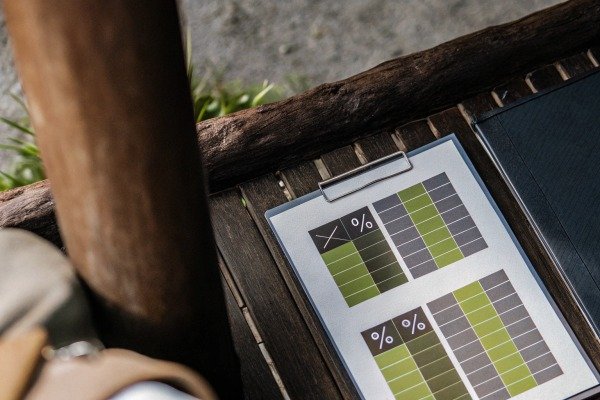
La domination du T/T dans la fabrication
Lorsque vous traitez avec des ateliers de soudage ou des usines de fabrication de métaux au Vietnam, le virement télégraphique (T/T) via SWIFT est la norme de l'industrie. SWIFT 2 Virement télégraphique (T/T) 3. Ce n'est pas seulement une préférence ; c'est une nécessité structurelle pour de nombreuses entreprises locales. Contrairement aux États-Unis où les vérifications de crédit sont automatisées et faciles, les fournisseurs vietnamiens manquent souvent des réserves de capital nécessaires pour acheter de l'aluminium ou de l'acier brut sans votre dépôt.
Pour un projet personnalisé comme vos structures de cadres en aluminium de couleur argentée, le fournisseur doit acheter des tubes rectangulaires spécifiques. Il ne peut pas retourner ce matériel si vous annulez. Par conséquent, l'acompte de 30 % est leur police d'assurance. Il couvre le coût des matériaux. Le solde de 70 % représente leur profit et leurs coûts de main-d'œuvre, qu'ils ne perçoivent qu'après avoir prouvé qu'ils ont expédié les marchandises.
Le facteur "facture rouge"
Vous devez comprendre le concept local de la " facture rouge " (Hóa đơn đỏ). Il s'agit de la facture TVA officielle reconnue par le gouvernement vietnamien. facture TVA officielle 4 Les fournisseurs légitimes opérant dans l'économie formelle seront toujours en mesure de la délivrer.
Lorsque nous auditons les fournisseurs, nous examinons leur capacité à gérer des transactions bancaires officielles. Si un fournisseur demande un virement bancaire sur un compte personnel pour " économiser des impôts ", fuyez. C'est un énorme signal d'alarme. Les transactions B2B légitimes doivent être effectuées sur un compte bancaire d'entreprise enregistré sous la licence commerciale du fournisseur. Cela garantit que vous disposez d'un recours légal au Vietnam en cas de problème.
Portefeuilles numériques vs. Virements bancaires
Bien que les paiements des consommateurs au Vietnam soient passés à des applications comme MoMo ou ZaloPay, la fabrication B2B est différente. Vous pourriez voir certains petits commerçants d'accessoires accepter PayPal, mais les frais sont trop élevés PayPal 5 pour les commandes de cadres en gros.
Cependant, les solutions fintech modernes gagnent du terrain. Des services comme Wise (anciennement TransferWise) ou des solutions locales comme PhotonPay deviennent populaires Wise (anciennement TransferWise) 6. Ils offrent de meilleurs taux de change que les banques traditionnelles. Les banques traditionnelles au Vietnam peuvent prendre 3 à 5 jours pour débloquer les fonds via SWIFT. Les solutions Fintech peuvent parfois débloquer en quelques heures. Cette rapidité peut être un outil de négociation. Si vous pouvez payer plus rapidement, le fournisseur pourrait accepter un dépôt plus bas.
Comparaison des canaux de paiement
Le tableau suivant décrit les méthodes courantes que vous rencontrerez lors de négociations avec des ateliers métalliques vietnamiens.
| Mode de paiement | Profil utilisateur type | Vitesse | Frais | Sécurité pour l'acheteur |
|---|---|---|---|---|
| T/T (Virement bancaire) | Standard pour les usines établies | 3-5 Jours | Frais fixes de 25 à 50 $ | Modéré (Dépend des conditions) |
| Lettre de crédit (L/C) | Grosses commandes (Plus de 30 000 $) | Varie | Élevé (en % de la valeur) | Élevé |
| PayPal | Commandes d'échantillons uniquement | Instantané | Frais de transaction de 4 à 5 % | Faible (pour les contextes B2B) |
| Fintech (Wise/Veem) | Fournisseurs PME technophiles | 1-2 Jours | Faible (~1 %) | Modéré à élevé |
Comment puis-je protéger mon capital si les pièces de soudage personnalisées échouent aux inspections de qualité ?
Nous connaissons la frustration de voir un conteneur de pièces rejetées au port, sachant que votre argent est déjà parti. Vous devez vous assurer que les poutres géométriques complexes de vos cadres sont soudées parfaitement avant de libérer le paiement final.
Pour protéger le capital, liez les paiements finaux strictement aux inspections avant expédition réussies ou aux audits par des tiers. L'utilisation d'un service de séquestre ou d'une lettre de crédit garantit que les fonds ne seront libérés qu'après que les rapports de qualité auront vérifié que les pièces de soudage répondent à vos spécifications techniques, évitant ainsi le paiement de marchandises défectueuses.
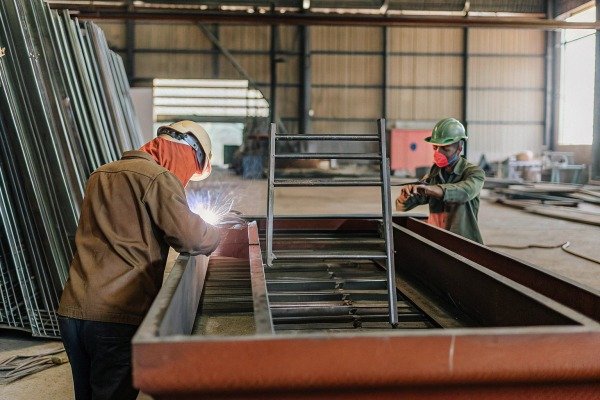
Le pouvoir de la retenue de 70%
Votre plus grand levier est le paiement final de 70%. N'acceptez jamais un paiement de 100% avant l'expédition, sauf si la valeur de la commande est très faible (inférieure à $1 000). Une fois que l'argent quitte votre compte, votre levier tombe à zéro.
Pour les pièces de soudage, les problèmes de qualité sont souvent cachés. Une soudure peut sembler correcte en surface mais échouer sous contrainte. Ou bien, l'agencement géométrique des poutres peut être légèrement hors spécifications, rendant l'assemblage impossible dans votre usine.
Nous conseillons toujours de structurer le contrat de manière à ce que le "déclencheur" du paiement de 70% ne soit pas seulement la date d'expédition, mais le Rapport de réussite du contrôle qualité. Ce rapport doit provenir de votre propre équipe ou d'une agence d'inspection tierce, et non pas seulement de la vérification interne de l'usine. agence d'inspection tierce 7
Mise en œuvre des inspections par des tiers
Au Vietnam, vous pouvez engager des inspecteurs tiers pour un tarif journalier raisonnable. Pour un cadre en aluminium complexe, vous avez besoin d'un inspecteur qui comprend la fabrication des métaux. Il devrait vérifier :
- Dimensions : Les tailles des tubes rectangulaires sont-elles correctes ?
- Intégrité de la soudure : Y a-t-il des fissures ou de la porosité ?
- Finition : La couleur argentée est-elle cohérente ?
Si l'inspecteur rejette le lot, vous ne transférez pas les 70% restants. Cela oblige le fournisseur à retravailler les cadres à ses propres frais. Si vous aviez payé 100% d'avance, le fournisseur pourrait retarder les retouches pendant des mois car il a déjà votre argent.
Services de séquestre comme filet de sécurité
Pour les nouvelles relations, envisagez d'utiliser des plateformes qui offrent des services similaires à un séquestre. Alibaba Trade Assurance est le plus célèbre, mais de nombreux fournisseurs vietnamiens y sont désormais répertoriés. Alibaba Trade Assurance 8.
Il existe également des plateformes d'approvisionnement spécifiques qui gagnent du terrain en 2026. Ces plateformes détiennent votre argent sur un compte neutre. Le fournisseur voit que les fonds sont là, il se sent donc en sécurité pour produire. Mais les fonds ne sont pas libérés tant que vous n'avez pas cliqué sur "Confirmer la réception"."
Documents contre paiement (D/P)
Une autre option est "Documents contre paiement" (D/P). Il s'agit d'un terme bancaire où vous payez votre banque, puis votre banque vous remet les documents d'expédition. Le fournisseur expédie les marchandises et envoie les documents à la banque.
C'est plus sûr qu'un T/T direct car le fournisseur sait qu'il ne sera pas payé tant qu'il n'aura pas présenté de documents d'expédition valides. Cependant, c'est plus risqué qu'une L/C car cela ne vérifie pas la qualité, seulement l'expédition. C'est un juste milieu souvent utilisé une fois la confiance établie.
Liste de contrôle de la gestion des risques
Utilisez cette liste de contrôle pour vous assurer que votre capital est en sécurité avant le transfert final.
| Étape de vérification | Objectif | Calendrier |
|---|---|---|
| Vérification de la facture rouge | Vérifie le statut juridique de l'entreprise | Avant le dépôt |
| Certificat de matériau | Assure la bonne qualité de l'aluminium | Pendant la production |
| Inspection avant expédition | Vérifie les dimensions et les soudures | Avant le paiement final |
| Supervision du chargement | Assure la quantité correcte chargée | Avant le paiement final |
Est-il possible pour moi de négocier des conditions de paiement en compte ouvert pour améliorer ma trésorerie ?
Notre équipe financière examine fréquemment les demandes de crédit des clients américains qui ont besoin de combler le fossé entre le paiement de l'usine et la vente à l'utilisateur final. Vous avez besoin de stock sur vos étagères maintenant, mais votre trésorerie est serrée jusqu'à ce que vos clients vous paient.
Négocier des conditions de compte ouvert avec les fournisseurs vietnamiens est difficile en raison des options limitées d'assurance commerciale locale et des coûts de capital élevés. Cependant, s'associer à une société d'approvisionnement internationale ou établir une relation à long terme peut éventuellement débloquer des conditions Net 30 ou Net 60 une fois la confiance établie.
L'obstacle bancaire vietnamien
Vous êtes peut-être habitué aux conditions "Net 30" ou "Net 60" avec les fournisseurs américains. Au Vietnam, c'est rare pour une raison spécifique : les taux d'intérêt. Le coût de l'emprunt de capital au Vietnam est souvent plus élevé qu'aux États-Unis. Si une usine vous permet de payer 60 jours plus tard, elle vous prête essentiellement de l'argent. Elle doit couvrir ses coûts de matériaux et de main-d'œuvre de sa poche pendant deux mois.
De plus, l'assurance-crédit commercial n'est pas aussi développée au Vietnam qu'en Chine ou en Europe. Si vous faites défaut sur le paiement, une usine vietnamienne a très peu de pouvoir légal pour recouvrer de l'argent auprès d'une entreprise américaine. Le risque est tout simplement trop élevé pour eux.
Le rôle des intermédiaires
C'est là qu'un partenaire basé à Singapour ou une grande agence d'approvisionnement apporte de la valeur. Des entreprises comme la nôtre ont une structure financière différente. Nous pouvons souvent offrir des conditions de crédit aux clients américains car nous avons accès à des facilités bancaires mondiales qu'un atelier de soudage vietnamien local n'a pas.
Si vous traitez directement avec une usine, n'attendez pas de conditions ouvertes pendant la première année. Vous devez établir un historique de crédit.
Étapes pour débloquer des conditions de crédit
Si vous êtes déterminé à obtenir des conditions de crédit directement auprès d'un fournisseur, suivez cette feuille de route :
- Commencez petit : Effectuez 3 à 5 commandes avec des conditions T/T standard 30/70 parfaitement. Payez à temps.
- Effet de levier sur le volume : Augmentez votre volume de commandes. Les fournisseurs sont plus disposés à financer un client qui achète 20 tonnes de pièces de soudage par an par rapport à un acheteur unique.
- Le pont de la "lettre de crédit" : Passez du T/T à la L/C à terme (L/C de temps). Une L/C à terme vous permet de payer la banque à une date ultérieure (par exemple, 60 jours), tandis que le fournisseur est payé plus tôt (moins des frais d'escompte). Le fournisseur prend moins de risques car la banque garantit le paiement.
- Rapports de crédit : Proposez de fournir votre propre rapport de crédit de D&B (Dun & Bradstreet). Montrez-leur que vous êtes financièrement sain.
Vérification de la santé financière
Les fournisseurs au Vietnam deviennent également plus intelligents. Ils pourraient vérifier vos antécédents. Inversement, vous devriez vérifier les leurs. Le Centre d'information sur le crédit (CIC) de la Banque d'État du Vietnam détient des données Centre d'information sur le crédit (CIC) 9 sur la solvabilité des entreprises vietnamiennes. Banque d'État du Vietnam 10
Si un fournisseur est financièrement faible, il ne peut pas vous offrir de crédit même s'il le souhaite. Il a besoin de votre argent liquide pour acheter l'aluminium. Seul un fournisseur financièrement solide peut se permettre d'attendre votre paiement.
Possibilités de conditions de crédit
| Type de fournisseur | Terme initial | Terme cible (après 1 an) | Faisabilité |
|---|---|---|---|
| Petite atelier | 50% Dép. / 50% Pré-expédition | 30% Dép. / 70% Pré-expédition | Faible |
| Usine de taille moyenne | 30% Dép. / 70% Pré-expédition | 100% Contre copie du connaissement | Modéré |
| Grande entreprise | 30% Dép. / 70% Contre connaissement | Net 30 jours | Élevé |
| Partenaire d'approvisionnement international | Négociable | Net 30 / Net 60 | Très élevé |
Dois-je insister pour utiliser une lettre de crédit pour mes commandes initiales afin de minimiser les risques ?
Lorsque nous gérons des productions de grande valeur pour des structures complexes, le volume de paperasse peut être écrasant. Vous souhaitez une sécurité absolue pour vos fonds, mais vous craignez que des exigences bancaires strictes ne retardent votre expédition urgente.
Vous devriez exiger une Lettre de Crédit (L/C) pour les commandes initiales dépassant $30 000 afin de minimiser le risque de fraude. Bien que les L/C impliquent des frais bancaires et une paperasse plus élevés, elles offrent le plus haut niveau de sécurité en garantissant que le fournisseur n'est payé qu'après l'expédition de documents valides et conformes.

Quand une L/C vaut-elle le coût ?
Une Lettre de Crédit n'est pas gratuite. Les banques facturent des frais d'émission, des frais de modification et des frais de divergence. Pour une commande de $5 000, une L/C est une perte d'argent. Les frais pourraient absorber 5 à 10% de votre marge.
Cependant, pour un conteneur de cadres en aluminium d'une valeur de $40 000 ou plus, les frais (généralement 1 à 2%) sont un faible prix pour une assurance. Une L/C irrévocable à vue est la référence. Cela signifie que la banque doit paie le fournisseur dès que le fournisseur présente les bons documents d'expédition.
La mécanique de la L/C pour les pièces de soudage
Dans le contexte des pièces de soudage, la L/C est puissante car vous pouvez définir très précisément les "documents requis". Vous pouvez exiger :
- Connaissement : Prouvez qu'il a été expédié.
- Facture commerciale et liste de colisage : Preuve du contenu.
- Certificat d'essai de laminage : Preuve que l'aluminium correspond à la nuance (par exemple, 6061-T6).
- Certificat d'inspection : Signé par votre inspecteur agréé.
Si le fournisseur essaie d'expédier des cadres en acier bon marché au lieu d'aluminium, il n'aura pas le certificat d'essai de laminage. La banque ne les paiera pas. Cela crée un pare-feu protégeant votre argent.
La réalité de la paperasse
Vous devez être préparé à la rigueur. Les banques sont bureaucratiques. Si la L/C indique "cadre en aluminium" et la facture "aluminium frame" (différence d'orthographe), la banque pourrait signaler une divergence.
Cela peut entraîner des retards. Vous devez vous assurer que votre équipe administrative est soucieuse du détail. Nous constatons souvent des retards de 5 à 7 jours simplement pour corriger des erreurs de documents. Pour les commandes urgentes par fret aérien, une L/C pourrait être trop lente. Pour le fret maritime, cela fonctionne généralement bien car le navire met des semaines à arriver de toute façon.
Analyse coûts-avantages
Vous trouverez ci-dessous une comparaison pour vous aider à décider si une L/C convient à la taille de votre achat actuel.
| Caractéristique | Virement bancaire (Virement) | Lettre de crédit (L/C) |
|---|---|---|
| Frais bancaires | Faible ($30-$50) | Élevé ($500+) |
| Temps de configuration | Rapide (1 jour) | Lent (1-2 semaines) |
| Préférence du fournisseur | Élevé | Faible (Beaucoup de paperasse) |
| Protection de l'acheteur | Faible (Sauf post-paiement) | Très élevé |
| Valeur recommandée | Moins de 30 000 $ | Plus de 30 000 $ |
Gestion des risques de change
La plupart des L/C pour le Vietnam sont libellés en USD. Cela transfère le risque de change au fournisseur. Ils doivent convertir votre USD en VND pour payer leurs employés.
Cependant, si le VND fluctue considérablement, le fournisseur pourrait demander de renégocier les prix sur les commandes futures. Bien que la L/C fixe le prix pour cette commande, sachez que la stabilité de la monnaie affecte la volonté à long terme du fournisseur d'accepter des conditions de paiement complexes.
Conclusion
Sécuriser la bonne méthode de paiement avec les fournisseurs de soudage vietnamiens nécessite d'équilibrer sécurité et coût. Pour vos premières commandes, privilégiez la sécurité via Lettres de crédit ou 30/70 T/T conditions liées à des inspections par des tiers est crucial. À mesure que votre relation mûrit, vous pouvez passer à des conditions plus flexibles. Vérifiez toujours le statut de la "Facture Rouge" et n'envoyez jamais de paiements sur des comptes personnels. En suivant ces protocoles, vous protégez votre capital et vous assurez que vos cadres personnalisés arrivent à temps et conformément aux spécifications.
Notes de bas de page
1. La CCI établit les règles mondiales pour les lettres de crédit et les Incoterms. ↩︎
2. Site web officiel du réseau mondial de messagerie financière. ↩︎
3. Définition de la méthode de paiement bancaire internationale standard. ↩︎
4. Explique le concept de TVA, qui est lié à la Facture Rouge mentionnée. ↩︎
5. Site web officiel de la plateforme de paiement mentionnée. ↩︎
6. Site web officiel du fournisseur de services fintech. ↩︎
7. L'ISO 9001 est la norme mondiale pour les systèmes de management de la qualité dans la fabrication. ↩︎
8. Page de service officielle de la plateforme de séquestre mentionnée. ↩︎
9. Site web officiel de l'agence de crédit du gouvernement vietnamien. ↩︎
10. Source officielle des réglementations bancaires et des informations de crédit au Vietnam. ↩︎

 English
 Español de México
 Deutsch
 Français
 Русский