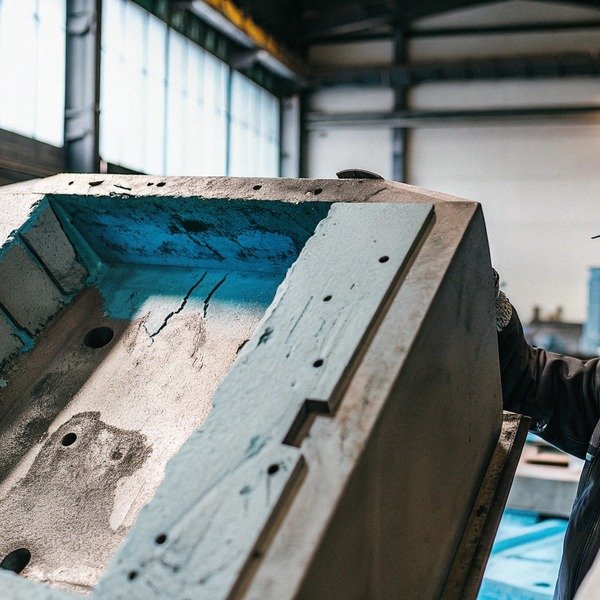
Lorsque nous gérons des séries de production pour nos clients américains, nous sommes souvent confrontés à la réalité inévitable de l'usure des outillages. Une défaillance soudaine du moule arrête la chaîne d'assemblage, créant une panique quant aux retards et aux coûts imprévus.
La responsabilité des coûts de réparation des moules dépend principalement de la propriété et de la cause des dommages. En général, le fournisseur paie l'entretien et les réparations liées à la négligence, tandis que l'acheteur couvre les coûts des remplacements majeurs en fin de vie ou des réparations résultant de modifications de conception spécifiques.
Décomposons les scénarios spécifiques pour protéger votre budget et votre calendrier.
Est-il d'usage que je paie pour les réparations de moules lors de l'approvisionnement en pièces de soudage personnalisées ?
Lors de nos négociations contractuelles pour des cadres en aluminium personnalisés, les nouveaux clients s'inquiètent fréquemment des frais de maintenance cachés. Vous pourriez craindre que chaque petite rayure sur l'outillage ne se traduise par une facture atterrissant sur votre bureau.
La pratique standard veut que les fournisseurs couvrent l'entretien courant et les réparations mineures pour maintenir le moule opérationnel. Cependant, les acheteurs paient généralement pour les rénovations majeures ou les réparations structurelles si le titre de propriété du moule leur appartient, sous réserve des termes spécifiques de l'accord d'outillage.
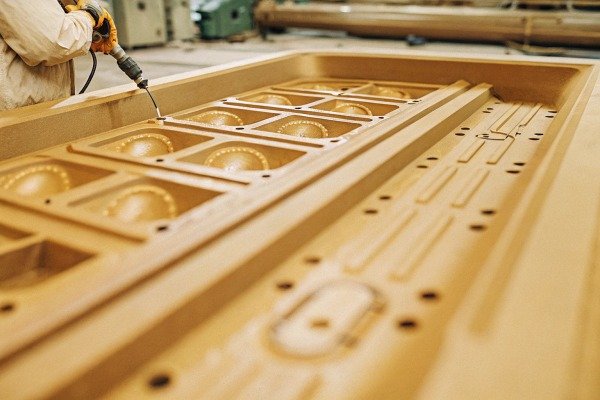
Comprendre la ligne financière entre " entretien " et " réparation " est crucial lors de l'approvisionnement en composants complexes. D'après notre expérience avec des conceptions géométriques, semblables à des treillis, telles que les cadres en aluminium de couleur argentée que nous exportons fréquemment, l'outillage est complexe. Il implique plusieurs supports horizontaux et verticaux qui doivent être maintenus dans un alignement précis.
La règle générale dans le commerce international, en particulier lors de l'approvisionnement au Vietnam ou en Chine commerce international 1, est que la partie qui possède l'outil supporte le risque financier ultime de sa valeur d'investissement, tandis que la partie qui exploite l'outil supporte le coût de son fonctionnement quotidien. Si vous avez payé le moule d'avance (ce qui est courant pour les pièces personnalisées), vous en êtes techniquement propriétaire. Cependant, comme le moule réside dans l'usine de notre partenaire, nous nous attendons à ce que l'usine effectue la maintenance prédictive et préventive 2 la maintenance prédictive et préventive 3 " la maintenance prédictive et préventive " à ses propres frais. Cela comprend le nettoyage, la lubrification et le remplacement des consommables mineurs tels que les ressorts ou les goupilles qui s'usent pendant le fonctionnement normal.
Si le moule nécessite une révision importante parce qu'un composant essentiel s'est fissuré en raison du stress au fil du temps, ce coût incombe généralement à l'acheteur. En effet, les dommages sont structurels et liés à la durée de vie de l'actif, et non à l'exploitation quotidienne. Pour clarifier cela, nous utilisons souvent une matrice pour définir ces coûts à l'avance.
Matrice de responsabilité : Entretien vs. Réparation
| Catégorie de coût | Description | Partie responsable |
|---|---|---|
| Maintenance préventive | Nettoyage, graissage, polissage léger, prévention de la rouille. | Fournisseur |
| Remplacement des consommables | Broches d'éjecteur, ressorts, joints et petites vis. | Fournisseur |
| Réparation structurelle majeure | Fissuration de la cavité principale, remplacement du noyau dû à la fatigue. | Acheteur |
| Modifications de conception | Modification du moule pour correspondre à un nouveau dessin d'ingénierie. | Acheteur |
Le concept d'amortissement
Parfois, nous structurons des accords où le fournisseur couvre que tous les coûts du moule, y compris les réparations. Cela se produit lorsque le coût du moule est amorti dans amorti 4 le prix de la pièce. Dans ce scénario, le fournisseur possède légalement le moule jusqu'à ce que vous ayez acheté un volume spécifique de pièces. Parce que le fournisseur conserve la propriété pendant cette période, il est responsable de toutes les réparations. Cependant, cela augmente votre prix unitaire. Pour les extrusions complexes en aluminium que nous traitons, la plupart des clients préfèrent payer le moule d'avance pour maintenir les coûts unitaires plus bas, ce qui nous ramène à la répartition standard des responsabilités décrite ci-dessus.
Si le fournisseur endommage le moule par négligence, suis-je responsable des coûts de réparation ?
Nous avons vu des cas sur l'aire de production où une mauvaise installation a causé des dommages immédiats à un montage. Il est frustrant de penser que vous pourriez payer pour une erreur commise par un opérateur à des milliers de kilomètres.
Vous n'êtes pas responsable des coûts de réparation si les dommages résultent d'une négligence du fournisseur, telle qu'une erreur d'opérateur, un stockage inapproprié ou un dysfonctionnement de la machine. Le fournisseur doit remettre le moule en état de production à ses propres frais, car cela relève de son devoir de diligence.

Lorsque nous auditons des fournisseurs en Asie, l'un de nos objectifs principaux est d'évaluer leur Devoir de diligence 5 Devoir de diligence 6 " Devoir de diligence ". Cette obligation légale et éthique garantit que, pendant que votre propriété (le moule) est en leur possession, ils la traitent avec le plus haut niveau de sécurité. Si un moule est endommagé parce qu'un cariste l'a fait tomber, ou parce qu'un opérateur a réglé la pression de serrage trop haut, c'est de la négligence. Dans ces cas, vous ne devriez jamais recevoir de facture pour la réparation.
Par exemple, considérons la production d'un cadre en aluminium en treillis. Si le montage de soudage est conçu pour maintenir les supports verticaux en place, et qu'un opérateur force une extrusion pliée dans le montage, provoquant la rupture des pinces, le fournisseur est en faute. Il n'a pas suivi la procédure d'exploitation normalisée (SOP) qui dicte probablement l'inspection de l'extrusion brute avant son chargement.
Identifier la négligence par opposition à la malchance
Il peut être difficile de distinguer la négligence de la fatigue normale sans être sur place. C'est pourquoi nos équipes locales au Vietnam et en Chine inspectent personnellement les rapports de dommages. La négligence laisse généralement des preuves spécifiques.
Signes courants de négligence du fournisseur
| Type de négligence | Preuve | Responsabilité |
|---|---|---|
| Stockage inapproprié | Rouille ou corrosion sur la surface du moule due à l'exposition à l'humidité/à la pluie. | Fournisseur |
| Erreur de l'opérateur | Marques d'écrasement sur la face du moule causées par la fermeture de la machine sur une pièce qui n'a pas été éjectée. | Fournisseur |
| Dysfonctionnement de la machine | Dommages causés par un crash du robot de soudage ou de la machine de moulage. | Fournisseur |
| Mauvais réglage | Fissuration thermique causée par l'utilisation du moule sans débit d'eau de refroidissement adéquat. | Fournisseur |
Documentation de l'incident
Si un fournisseur prétend qu'un moule est cassé et vous demande de payer, exigez un "Rapport d'incident". Ce rapport doit inclure des photos des dommages, la dernière entrée du journal de maintenance et une analyse des causes profondes. analyse des causes profondes 7 Si les dommages semblent soudains et catastrophiques plutôt qu'une usure progressive (comme une goupille de guidage cassée par opposition à un bord qui s'érode lentement), il s'agit probablement de négligence. Nous appliquons des protocoles stricts où nos fournisseurs doivent prouver que les dommages étaient inévitables avant que nous ne présentions des coûts de réparation à nos clients.
Qui paie le remplacement lorsque le moule s'use après le nombre garanti de tirs ?
Après avoir produit des milliers de cadres en treillis d'aluminium, notre équipe de contrôle qualité finit par remarquer cadres en treillis d'aluminium 8 des signes distincts de dégradation de l'outil. Vous pourriez ne pas savoir si un outil usé est à votre charge financière ou une dépense de fabrication.
L'acheteur est responsable du paiement d'un moule de remplacement une fois que l'outillage d'origine dépasse sa durée de vie garantie en cycles. L'obligation du fournisseur prend fin après la production de la quantité convenue, faisant de l'investissement en capital pour un nouvel outillage une exigence standard pour le propriétaire de l'outil.
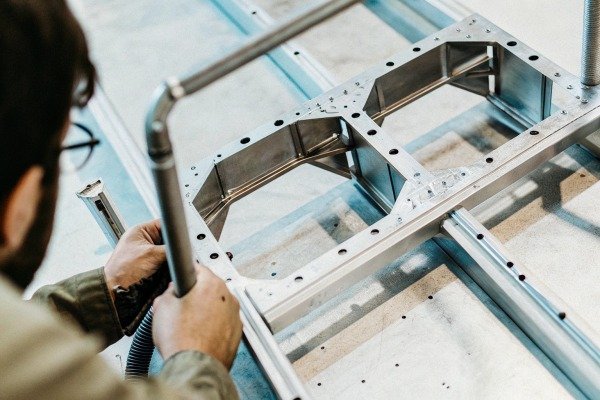
Chaque moule a une durée de vie. Dans l'industrie, nous la mesurons en "cycles" ou en "shots". Lorsque nous établissons un devis pour un projet de cadre métallique personnalisé, le devis d'outillage spécifiera une "Durée de vie garantie de l'outil", par exemple, 100 000 cycles. Ceci est une garantie. Si le moule s'use à 50 000 cycles, le fournisseur doit le réparer ou le remplacer à ses frais car il n'a pas respecté les normes de performance promises.
Cependant, une fois que le moule dépasse la marque des 100 000 cycles, la garantie expire. L'outil a fait son travail. L'abrasion physique de l'aluminium contre l'acier, le cyclage thermique dû à la chaleur de soudage et la contrainte mécanique de serrage finissent par dégrader l'outil au-delà de toute réparation. À ce stade, la structure en treillis de votre cadre peut commencer à présenter des dimensions incohérentes car les supports de fixation sont lâches. C'est une usure normale en fin de cycle de vie.
Planification des dépenses d'investissement (CapEx)
Le remplacement d'un moule est une dépense d'investissement (CapEx) importante. dépense d'investissement 9 Nous conseillons aux clients de suivre le "Statut de la durée de vie de l'outil" sur leurs rapports mensuels. Si vous savez que votre moule est conçu pour 100 000 unités et que vous êtes actuellement à 90 000 unités, vous devez budgétiser immédiatement un nouveau moule.
Étapes du cycle de vie d'un moule de soudage
| Stade | État du nombre de tirs | Responsabilité des problèmes | Action requise |
|---|---|---|---|
| Jeunesse | 0% – 10% de garantie | Fournisseur | Débogage et optimisation. |
| Milieu de vie | 10% – 90% de garantie | Fournisseur (Maintenance) | Nettoyage de routine et remplacement mineur de goupilles. |
| Fin de garantie | 90% – 100% de garantie | Fournisseur (Maintenance) | Alerte élevée pour les problèmes de qualité ; planifier le remplacement. |
| Fin de vie | > 100% de garantie | Acheteur (Remplacement) | Achat de nouveaux outillages ; l'ancien outillage est mis au rebut. |
Pouvez-vous prolonger la durée de vie des moules ?
Parfois, oui. Nous pouvons effectuer une "remise à neuf majeure" pour prolonger la durée de vie de 20 à 30 %. C'est moins cher qu'un nouveau moule, mais ce n'est qu'une solution temporaire. En tant qu'acheteur, vous paieriez pour cette remise à neuf car elle sort du cadre de la garantie initiale. C'est souvent un risque calculé : vaut-il mieux payer 30 % du coût pour 20 % de vie supplémentaire, ou acheter un outil tout neuf pour 100 % du coût afin d'obtenir 100 % de vie nouvelle ? Pour les pièces cosmétiques critiques comme les cadres argentés où l'état de surface est essentiel, nous recommandons généralement un remplacement complet pour garantir la qualité.
Comment dois-je définir les responsabilités de maintenance des moules dans mon contrat fournisseur pour éviter les litiges ?
Nous conseillons toujours à nos partenaires de clarifier ces détails avant la signature du premier bon de commande. Des termes ambigus peuvent entraîner des disputes animées et des retards de livraison juste au moment où vous avez le plus besoin du produit.
Vous devez définir les responsabilités en incluant un accord de outillage détaillé qui spécifie la propriété, les calendriers de maintenance, les garanties de durée de vie en cycles et la responsabilité en cas de négligence. Des clauses claires concernant les stratégies de sortie et les droits d'audit préviennent les litiges et garantissent la responsabilité tout au long du partenariat de fabrication.

Les erreurs les plus coûteuses en matière d'approvisionnement surviennent lorsque les hypothèses remplacent les accords écrits. Lorsque nous facilitons des contrats pour nos clients, nous nous assurons que l""accord de outillage" est un document autonome ou une section robuste du Accord-cadre de fourniture 10 Accord-cadre de fourniture (MSA). Vous ne pouvez pas vous fier à un simple bon de commande pour couvrir les complexités de la responsabilité des moules.
Un contrat solide fait passer la dynamique d'une argumentation réactive à une gestion proactive. Par exemple, concernant les cadres géométriques en aluminium, le contrat doit spécifier les tolérances exactes que le moule doit maintenir. Si le moule ne peut plus maintenir ces tolérances, le contrat dicte les prochaines étapes.
Clauses clés à inclure
Vous devez être précis. Des termes comme "bon état" sont juridiquement vagues. Utilisez plutôt "capable de produire des pièces qui répondent aux spécifications de l'annexe A"."
- Clause de propriété: Indiquez clairement que "La propriété de l'outillage reste acquise à l'acheteur en tout temps." Cela vous protège si le fournisseur fait faillite ; vous pouvez légalement saisir votre moule.
- Calendrier de maintenance: Exigez que le fournisseur tienne un journal. "Le fournisseur effectuera une maintenance préventive tous les 5 000 cycles et fournira des journaux sur demande."
- Risque de perte: Définissez que le fournisseur assume le "Risque de perte" de l'outillage pendant qu'il se trouve dans ses locaux. Cela le contraint à souscrire une assurance qui couvre votre moule en cas d'incendie, de vol ou de dommages accidentels.
Droits d'audit et transparence
Nous insérons toujours une clause de "Droit d'audit". Cela vous donne (ou à un tiers comme nous) le droit d'entrer dans l'usine et d'inspecter le moule et ses journaux de maintenance avec un préavis de 24 heures. Si un fournisseur sait qu'il peut être audité, il est beaucoup plus susceptible de suivre le programme de nettoyage.
Liste de contrôle pour les accords d'outillage
| Catégorie de clause | Détails essentiels à inclure |
|---|---|
| Identification | Numéro d'identification unique de l'outil gravé de façon permanente sur le moule. |
| Garantie à vie | Nombre spécifique de cycles (par exemple, 100k) ou d'années. |
| Stockage | Exigence de stockage intérieur, à température contrôlée pour éviter la rouille. |
| Conditions de Paiement | Le paiement final de l'outillage n'est libéré qu'après approbation PPAP. |
| Stratégie de sortie | Le fournisseur doit emballer et charger le moule pour le transport dans les 5 jours suivant l'avis de résiliation. |
En définissant ces paramètres à l'avance, vous éliminez l'ambiguïté. Si le moule se casse, vous regardez simplement le contrat : était-ce de la négligence ? Le fournisseur paie. Était-ce la fin de vie ? Vous payez. Était-ce un entretien normal ? Le fournisseur paie. Cette clarté nous permet de nous concentrer sur ce qui compte : l'expédition de vos pièces de haute qualité à temps.
Conclusion
Déterminer qui paie pour la réparation du moule dépend d'une compréhension claire de la propriété, du cycle de vie et de la négligence. Bien que vous soyez généralement responsable de l'investissement en capital pour remplacer les outils usés, votre fournisseur doit supporter le coût des soins de routine et des dommages accidentels qu'il cause. En établissant un accord d'outillage solide et en surveillant les journaux de maintenance, vous pouvez éviter les coûts imprévus et assurer le bon déroulement de votre production.
Notes de bas de page
1. Fournit un contexte sur les réglementations et normes du commerce international pour l'approvisionnement. ↩︎
2. Guide gouvernemental faisant autorité définissant les stratégies de maintenance. ↩︎
3. Définit la terminologie standard pour les types de maintenance dans les environnements industriels. ↩︎
4. Définition financière standard de l'amortissement en entreprise. ↩︎
5. Définition juridique pertinente pour la responsabilité et la négligence. ↩︎
6. Explique le principe juridique de devoir de diligence dans un contexte commercial. ↩︎
7. Explique la méthodologie utilisée pour identifier l'origine des dommages causés par la moisissure. ↩︎
8. Détails techniques sur la fabrication de structures complexes en aluminium et de cadres en treillis. ↩︎
9. Définit le terme financier CapEx utilisé dans l'article concernant le remplacement de moules. ↩︎
10. Définition de la norme de l'industrie pour les accords d'approvisionnement. ↩︎

 English
 Español de México
 Deutsch
 Français
 Русский