We see clients struggling with rising costs daily. Navigating complex duty rates disrupts supply chains, but our Vietnam facility offers a strategic alternative to stabilize your landed prices.
Importing stamping parts to the US requires navigating Section 301 duties on Chinese goods, Section 232 steel tariffs, and USMCA rules. Understanding specific HTS classifications and leveraging trade agreements with countries like Vietnam can significantly reduce landed costs by avoiding punitive tariff stacking.
Let's break down the specific regulations and strategies to optimize your import costs.
How do Section 301 tariffs affect the cost of stamping parts imported from China versus Vietnam?
When we quote projects from our Shenzhen plant, the total cost often shocks clients. High duties eat margins, forcing us to shift production to our Vietnam lines to save money.
Section 301 imposes an additional 25% punitive tariff on most Chinese metal components, whereas Vietnam enjoys Most Favored Nation status with significantly lower standard duty rates. This differential typically results in a 25% total cost saving when sourcing stamping parts from Vietnam instead of China.

The trade landscape has shifted dramatically in recent years. For decades, China was the default workshop for the world. However, the introduction of Section 301 tariffs changed the math for our US clients. These tariffs are not just small fees; they are substantial taxes that stack on top of standard duties. When we analyze the landed cost for a container of custom brackets, the difference between shipping from our China facility versus our Vietnam facility is stark.
Section 301 tariffs 1
The Math Behind the Savings
The primary driver of cost difference is the punitive tariff applied to Chinese goods. While China offers mature infrastructure, the 25% surcharge often erodes any manufacturing efficiency gains. Vietnam, conversely, benefits from Most Favored Nation (MFN) status with the United States. This means goods entering from Vietnam generally face only the standard Column 1 tariff rates, which are significantly lower.
For a typical order of stamped steel components, the cost breakdown looks like this:
Table: Cost Impact Analysis (China vs. Vietnam)
| Cost Component | China Sourcing | Vietnam Sourcing | Impact on Buyer |
|---|---|---|---|
| Base Manufacturing Cost | $10,000 | $10,500 | Vietnam is slightly higher due to smaller scale. |
| Standard Duty (MFN) | 0% – 6% | 0% – 6% | Generally the same for both countries. |
| Section 301 Tariff | 25% ($2,500) | 0% ($0) | The critical differentiator. |
| Total Landed Cost | $12,500+ | $10,500+ | Vietnam offers ~16-20% net savings. |
Strategic Supply Chain Shifts
We have helped numerous US clients migrate their tooling and production to Vietnam to bypass these costs. This is not about evading the law; it is about utilizing legitimate trade frameworks. The "China Plus One" strategy is no longer just a buzzword; it is a financial necessity.
However, simply shipping Chinese parts through Vietnam is illegal. We ensure that the actual manufacturing process—stamping, welding, and finishing—occurs within our Vietnam facility. This creates a legitimate change in the product's origin. By establishing a robust supply chain in Southeast Asia, we help you lock in pricing that remains competitive, regardless of the volatile trade relations between Washington and Beijing.
What are the current duty rates for custom metal stampings under specific HS codes?
Our engineering team spends hours verifying HTS codes before shipping. Misclassification leads to fines, so we ensure every bracket and panel is correctly labeled for customs clearance.
Duty rates for metal stampings depend heavily on HTS classification, typically falling under Chapter 73 for general steel articles or Chapters 84 and 85 for machinery parts. While general rates range from free to 6%, Section 232 steel tariffs can add 50% to derivative products.
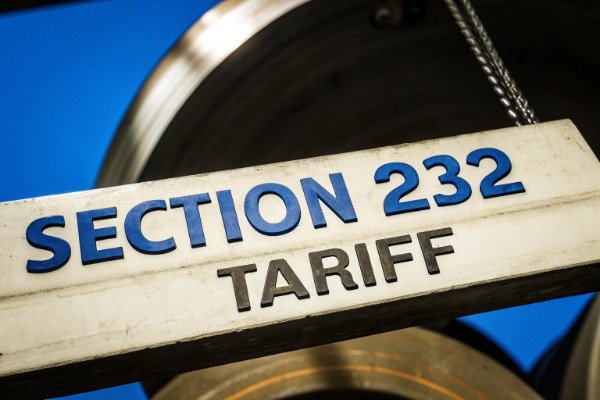
Determining the correct duty rate starts with the Harmonized Tariff Schedule (HTS). This is the language US Customs and Border Protection (CBP) uses to categorize imports. For metal stampings, the classification is rarely straightforward. A simple steel bracket might fall under one code, while a bracket designed specifically for an automotive engine falls under another. The difference in duty rates can be substantial.
Harmonized Tariff Schedule (HTS) 2
Navigating the Harmonized Tariff Schedule
Most general iron or steel articles fall under Chapter 73. For example, HTS 7326 covers "Other articles of iron or steel." These usually carry a modest duty rate. However, if the part is an identifiable component of a machine, it might move to Chapter 84 (Machinery) or Chapter 85 (Electrical).
We often use "Tariff Engineering" during the design phase. This involves modifying the product slightly—such as adding a specific hole pattern or assembling it with another part—to legitimately qualify for a classification with a lower duty rate. This requires deep knowledge of the HTS book and precise engineering.
The Impact of Section 232
Beyond the standard HTS rates, importers must watch out for Section 232 tariffs. Originally targeting raw steel and aluminum, these tariffs have expanded. As of recent updates, stamped steel components can face a 50% tariff if they are classified as derivative products. This applies regardless of the country of origin in many cases, though exemptions exist for certain trade partners.
Table: Common HTS Codes for Stamping Parts
| HTS Chapter | Description | Typical Base Rate | Key Considerations |
|---|---|---|---|
| 7326.90 | Other articles of iron or steel | 2.9% – 5.7% | Catch-all for general stampings. |
| 8708.29 | Parts and accessories of motor vehicles | 2.5% | Specific to automotive body parts. |
| 8302.41 | Base metal mountings/fittings | 3.5% | Used for furniture or door hardware. |
| 84/85 | Machinery/Electrical Parts | Free – 2% | Requires proof of specific end-use. |
It is critical to note that Section 232 tariffs on derivative products can apply to the full value of the product, not just the raw material cost. This means a finished stamped part could face a 50% levy. We work closely with US customs brokers to determine if your specific parts fall onto the "derivative" list or if they are exempt. Correct classification is your first line of defense against unexpected costs.
How can I verify the country of origin to ensure my parts qualify for lower tariff rates?
We strictly manage our supply chain to prevent transshipment risks. Our Vietnam factory uses local raw materials and labor to ensure your parts genuinely qualify for lower duties.
Verifying country of origin requires proving that a "substantial transformation" occurred in the export country, often documented through mill certificates and production records. Simply repackaging Chinese parts in Vietnam violates US customs laws and risks severe penalties for duty evasion.
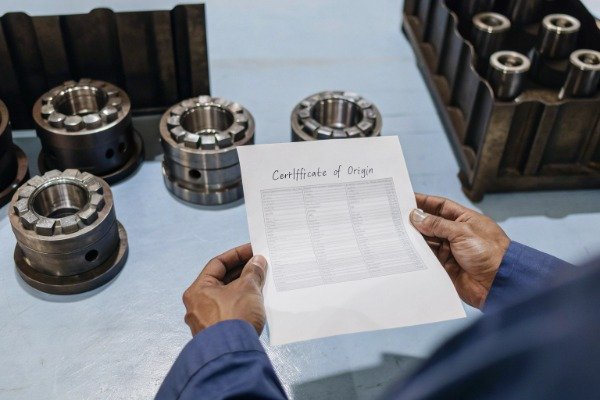
ISF (Importer Security Filing) 3
In the world of international trade, "Country of Origin" (COO) does not just mean where the box was shipped from. It means where the product was created. US Customs uses the "Substantial Transformation" test to determine this. For stamping parts, this usually means the point where raw steel coil is cut, formed, and shaped into a new, distinct article of commerce.
Customs Bond 4
Understanding Substantial Transformation
If we import raw steel sheets from China into Vietnam, and then cut, stamp, bend, and powder coat them in our Vietnam factory, the product becomes Vietnamese in origin. The raw material (steel sheet) has been substantially transformed into a new product (a bracket or housing).
However, if a supplier simply imports finished brackets from China, repacks them in Vietnam, and labels them "Made in Vietnam," that is illegal transshipment. The US government is aggressively cracking down on this. They monitor trade data for spikes in imports from Vietnam that match drops from China.
Commercial Invoice 5
Avoiding Transshipment Penalties
The penalties for transshipment are severe. They can include a 40% penalty on the value of the goods, seizure of the shipment, and a ban on future importing privileges. We protect our clients by maintaining a transparent audit trail.
We provide a complete "production story" for every batch. This includes:
- Mill Certificates: Showing where the raw steel was melted and poured.
- Production Records: Time logs and photos from our Vietnam factory floor showing the stamping process.
- Bill of Materials: Detailed breakdown of inputs.
Table: Country of Origin Verification Checklist
| Verification Step | Que rechercher | Why It Matters |
|---|---|---|
| Mill Test Reports (MTR) | Heat number and steel origin. | Proves raw material source. |
| Factory Audit | Machinery capable of production. | Verifies the factory isn't just a warehouse. |
| Production Logs | Dates of stamping and finishing. | Proves the transformation happened locally. |
| Cost Breakdown | Value added in the export country. | Supports the claim of substantial transformation. |
We encourage our clients to visit our facilities. Seeing the 200-ton presses in action in Vietnam provides peace of mind that the origin claim is legitimate. We do not take shortcuts because the risk to your business—and ours—is too high.
illegal transshipment 6
What paperwork do I need to prepare for US Customs when importing metal components from Asia?
Our logistics team prepares full documentation packages for every shipment. We know that missing a single mill certificate or commercial invoice can leave your container stuck at port.
Transformation substantielle 7
Essential paperwork includes the commercial invoice, packing list, bill of lading, and specific country of origin certificates. Additionally, a Customs Bond is mandatory for shipments valued over $2,500, and mill test reports are crucial for verifying material composition under Section 232 regulations.
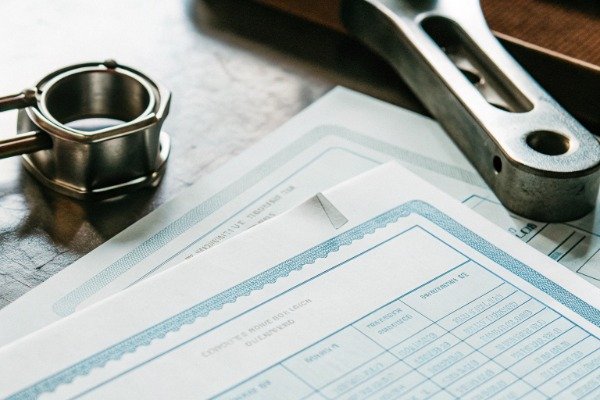
Successful importing relies on boring, accurate paperwork. When a container arrives at Long Beach or Newark, the CBP officer does not look at the parts first; they look at the documents. If the numbers don't match or a certificate is missing, the cargo sits. Demurrage charges start piling up, and your production line stops.
US Customs and Border Protection 9
Essential Documentation for Clearance
The foundation of any import is the Commercial Invoice. It must be detailed. It cannot just say "Metal Parts." It needs to say "Stamped Steel Bracket, HTS 7326.90, for Industrial Assembly." It must list the unit price, total value, and currency.
Le Packing List must match the invoice exactly. It details the gross weight, net weight, and box count. If Customs decides to inspect the cargo (an exam), they will use the packing list to find the specific boxes they want to open.
The Role of the Customs Bond
Many new importers are surprised to learn they need a Customs Bond. This is essentially an insurance policy that guarantees the US government will get paid its duties and taxes.
- Single Entry Bond: Good for a one-time shipment.
- Continuous Bond: Better for regular importers (more than 3-4 shipments a year). It covers all entries for 12 months.
For stamping parts specifically, Mill Test Reports (MTRs) are often required to prove the chemical composition of the steel. This is vital for Section 232 compliance. If the steel contains specific alloys, it might trigger different tariff rules. We attach these technical documents to the commercial paperwork to preempt any questions from CBP.
Table: Required vs. Conditional Documents
| Document Type | Status | Objectif |
|---|---|---|
| Commercial Invoice | Mandatory | Declares value and description for duty calculation. |
| Bill of Lading | Mandatory | Proof of ownership and carrier contract. |
| Customs Bond | Mandatory | Guarantees payment of duties to CBP (>$2,500 value). |
| Mill Test Report | Conditional | Verifies steel/aluminum composition (Section 232). |
| ISF (10+2) Filing | Mandatory | Security filing required 24 hours before loading. |
We also handle the ISF (Importer Security Filing) data. This must be filed with US Customs 24 hours before the cargo is loaded onto the vessel in Asia. Late filing results in a $5,000 fine. We coordinate with your freight forwarder to ensure this data is transmitted on time, every time.
Conclusion
Navigating tariffs is complex, but the savings from Vietnam are real. We handle the compliance and manufacturing, ensuring your custom parts arrive on time and on budget.
Most Favored Nation (MFN) 10
Notes de bas de page
1. Official USTR page detailing Section 301 investigations and tariffs. ↩︎
2. Official US government tool for tariff classification. ↩︎
3. Official CBP page regarding ISF requirements. ↩︎
4. Official CBP guide to customs bonds. ↩︎
5. Official US Trade Administration guide on commercial invoices. ↩︎
6. CBP page explaining duty evasion and enforcement. ↩︎
7. Official CBP publication defining rules of origin. ↩︎
8. Official Commerce Department page on Section 232. ↩︎
9. Official website of the agency mentioned. ↩︎
10. Wikipedia provides a stable definition of this trade concept. ↩︎

 English
 Español de México
 Deutsch
 Français
 Русский
 العربية