
When I first quoted a mold for a Vietnamese supplier, the cost was three times what a Chinese vendor would ask — that was a shock.
Mold (tooling) cost for custom metal parts varies hugely depending on complexity, material, cavity count, longevity, and supplier practice. In Vietnam, you often see higher quotes because many vendors supply long-life molds by default.
Let’s dig into typical ranges, the cost drivers, the difference for multi-cavity molds, and whether geometry or material dominates cost.
How much does a simple mold cost?
Simple molds for metal or plastic parts in Vietnam typically range from a few thousand to tens of thousands of dollars, depending on complexity, mold life, and production volume.
I once received a quote for a simple single-cavity mold for a small die-casting metal part and the supplier asked USD $8,000. That was for relatively low complexity.
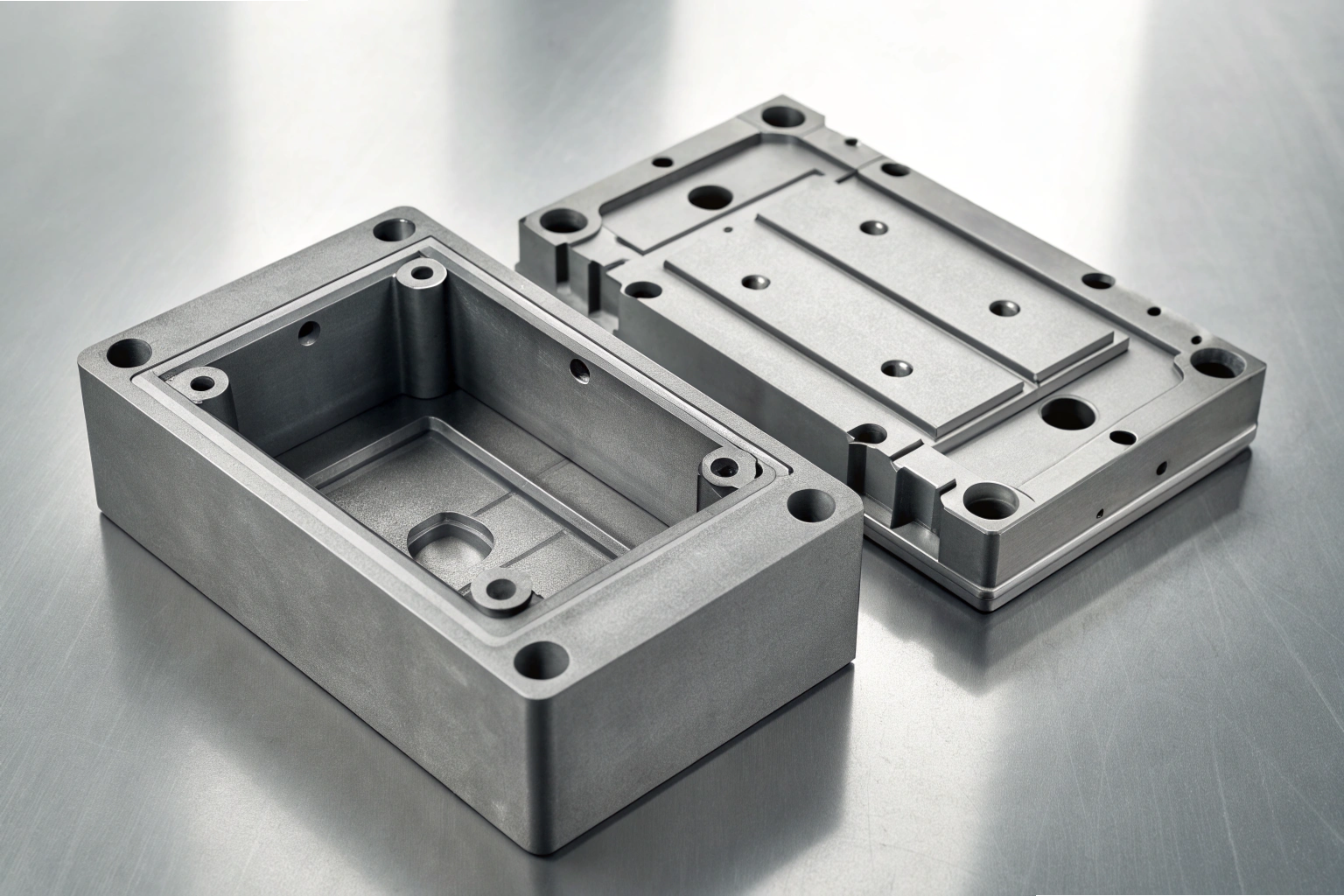
Typical cost ranges
| Mold Type / Use Case | Approximate Cost (USD) | Notas |
|---|---|---|
| Prototype / pilot single cavity | $2,000 – $10,000 | For small runs, simple geometry, limited features |
| Moderate complexity single cavity | $10,000 – $30,000 | More features, tighter tolerances, some side actions |
| Multi-cavity or advanced mold | $30,000 – $150,000+ | Multiple cavities, slides, lifters, complex cooling, hot runners |
| Heavy / high volume mold | $100,000 – $300,000+ | Very large molds, long life, complex alloy, high durability |
A “simple mold” for metal parts might be toward the lower end (few features, minimal slides, single cavity). But even “simple” molds for steel machining have baseline costs because of tooling hardness and precision.
In Vietnam, mold quotes can be much higher than China for comparable molds. One reason: many Vietnamese mold makers default to high durability molds (long life) rather than “cheap, lower-life” molds. For instance, Chinese vendors sometimes quote molds rated for 20,000 cycles; in Vietnam, the same mold might be quoted for 200,000 or even 1,000,000 cycles. That difference in expected lifetime raises cost. (This aligns with your insight 1.)
So when you see a high mold fee from Vietnam, always ask: “What is the mold life? Is there an option for a lower-life mold with lower cost?”
What factors drive mold cost variation?
Mold cost is influenced by steel grade, design complexity, cavity count, durability, and supplier policy—each factor can shift pricing by 10–50%.
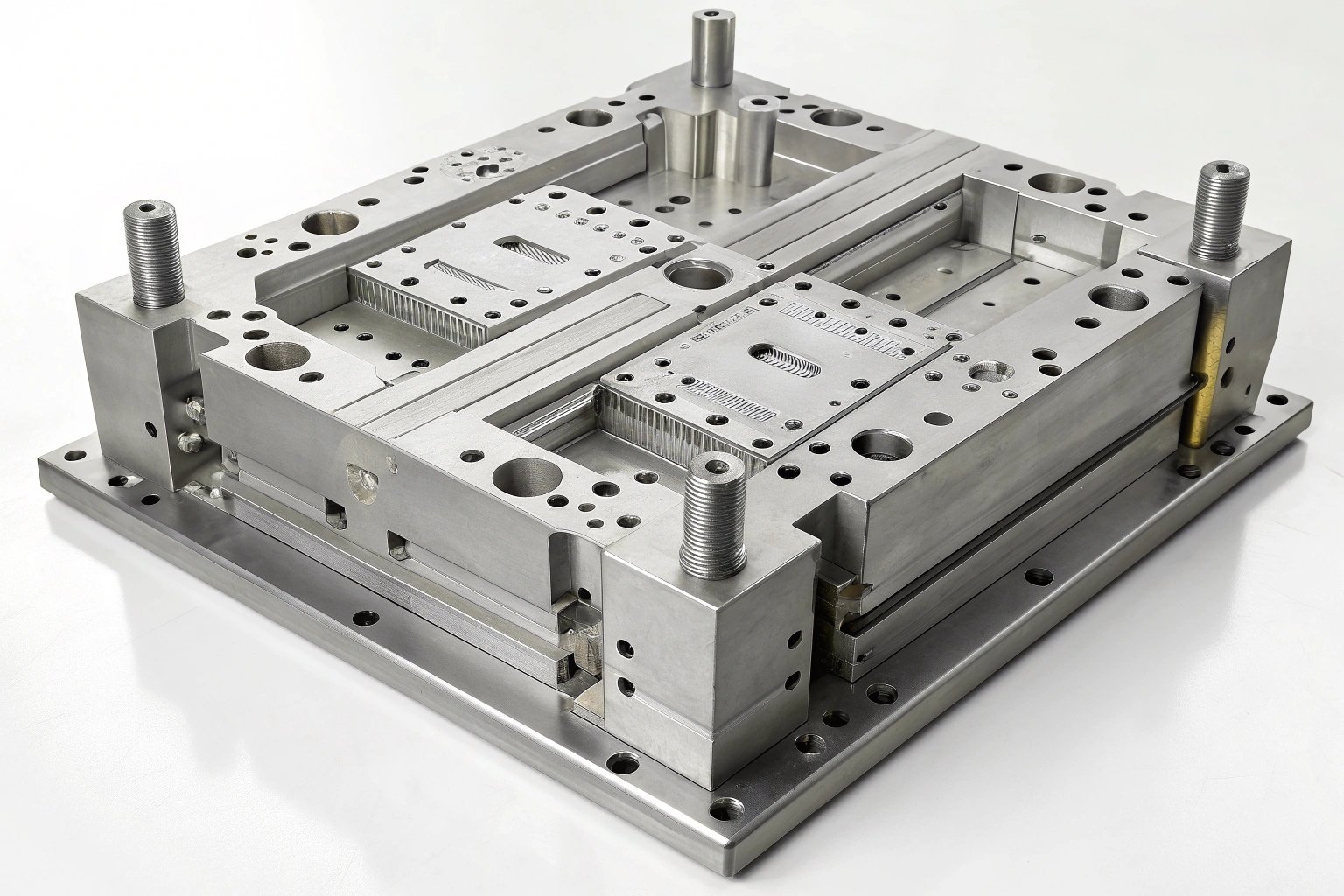
Key cost drivers
Material of mold (steel grade, hardness, treatment)
Using premium mold steel (e.g. H13, S136, P20+Ni, etc.), hardened, treated, polished, with special coatings, adds cost — see tool steel selection basics 1.Complexity / geometry / undercuts / side actions
Features like undercuts, slides, lifters, side cores, internal cooling channels, complex gating, thin walls, tight fillets—all raise machining difficulty and design work; review undercut & side-action guidelines 2.Cavity count
More cavities require more machining, balance, precision, and cooling; see multi-cavity mold fundamentals 3.Tolerance and surface finish requirements
Tight GD&T and cosmetic finishes increase polishing, inspection, iterations — tolerance & finish impact 4.Cooling / tempering / internal channels
Conformal or complex cooling raises cost; explore conformal cooling in molds 5.Tooling life / durability specification
Higher cycle-life specs increase cost; mold life expectations 6.Design / engineering / validation / trial runs / sampling
Simulation, trials, and adjustments are part of cost; DFM & validation overview 7.Supplier overhead, risk buffer, warranty
Policies differ by vendor and country; quote structure considerations 8.Lead time / rush work
Expedites incur premiums; expedite trade-offs 9.
Because these factors interact, mold cost can move widely. Adding one slide might raise cost 20–30%; upgrading from P20 to H13 can add 15–25%.
Are multi-cavity molds more expensive?
Multi-cavity molds have higher upfront cost but lower per-part price when volumes are large enough to justify investment.
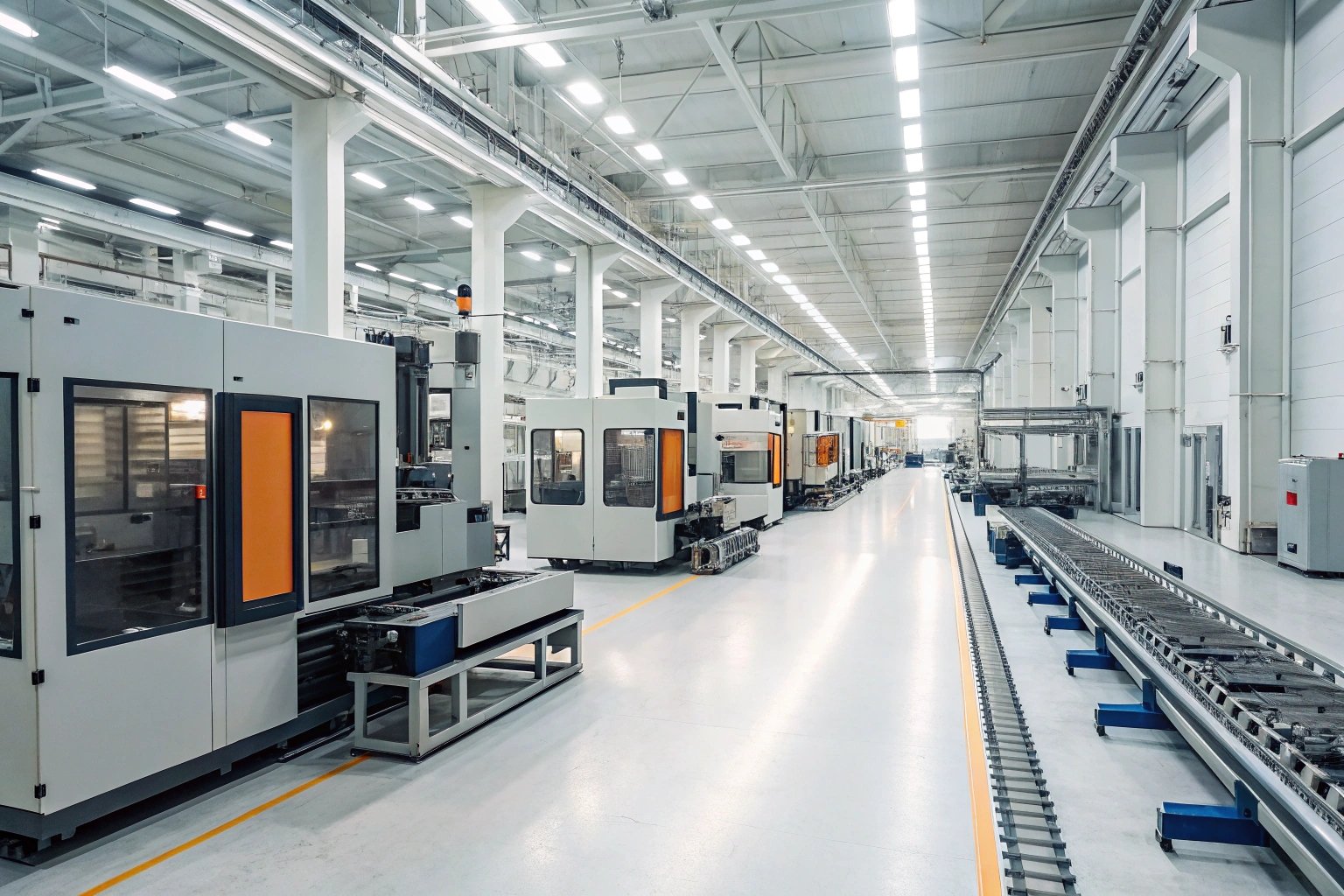
Per-part cost often falls as volume rises — classic economies of scale 10.
| Mold Type | Cost of Mold | Expected Volume | Approx. Tooling Cost per Part* |
|---|---|---|---|
| Single cavity | $20,000 | 20,000 pcs | $1.00 |
| 4-cavity version | $60,000 | 80,000 pcs | $0.75 |
If your volume is low, a multi-cavity mold might never pay off. The extra upfront investment could be wasted if you don’t reach projected volume.
Does mold complexity or material dominate cost?
Geometry and engineering complexity usually dominate cost—but premium mold steels and long-life durability can also add 20–40%.

- Complex geometry with slides, threads, or thin walls raises design and machining time.
- High-end mold steels (H13, S136, or nitrided alloys) raise cost through material and hardening.
- In Vietnam, many suppliers overbuild molds (core + base both mold-grade steel), prioritizing longevity.
| Cost Element | Percentage of Mold Cost (typical) | Notas |
|---|---|---|
| Machining / roughing & finishing | 30–50 % | Core / cavity cutting, milling, EDM |
| Engineering & design / trial / iteration | 10–25 % | Mold layout, simulation, adjustments |
| Material / steel / heat treatment / hardness | 10–25 % | Steel cost, hardening, tempering |
| Polishing / fine finishing / surface treatment | 5–15 % | Cosmetic / fine surface preparation |
| Insert fabrication, cooling, ejection, slides | 10–20 % | Additional complexity |
| Contingency, warranty, margin | 5–10 % | Risk buffer, tooling guarantee |
Practical advice & insights
Request clear mold life specs, cost breakdowns, and modular options before approving any Vietnamese mold quote.
- Always ask for mold lifetime / cycle rating.
- Compare Vietnam vs. China quotes by spec, not price.
- Request modular inserts for future upgrades.
- Match mold life to your expected volume.
- Ask for cost breakdown: machining, design, material, try-out.
- Verify warranty and adjustment coverage.
Conclusión
Mold prices in Vietnam range from a few thousand for simple tools to well over $100,000 for complex, multi-cavity, long-life molds.
Complexity drives cost most, but material and durability specs weigh heavily in Vietnamese quotes.
Always confirm lifetime, breakdown, and options in writing to make cost comparisons fair and strategic.
Notas al pie
1. Tool steel overview; why steel choice affects cost & life. ↩︎
2. Undercuts/side-actions raise complexity and mold price. ↩︎
3. Multi-cavity basics and why cavity count adds cost. ↩︎
4. Tolerance & finish demands drive polishing/inspection effort. ↩︎
5. Conformal cooling and internal channels increase cost. ↩︎
6. Typical mold life expectations and implications. ↩︎
7. DFM/validation steps that add engineering cost. ↩︎
8. Should-cost/quote-structure context for negotiations. ↩︎
9. Expedite premiums and schedule trade-offs. ↩︎
10. Economies of scale: why per-part cost falls with volume. ↩︎

 English
 Español de México
 Deutsch
 Français
 Русский
 العربية