Metal fabrication is everywhere. From the buildings we live in to the cars we drive, metal parts are essential. When I first started exploring this industry, I was amazed by how metal can be shaped, cut, and joined to create durable structures. If you’re looking to understand metal fabrication1, you’re in the right place.
Metal fabrication has three main types: forming, cutting, and joining. Forming involves shaping metal without removing material, cutting removes material to achieve desired shapes, and joining connects different metal parts. These processes are essential for various industries, including construction, automotive, and aerospace.
Understanding the core processes of metal fabrication can help you choose the right materials and methods for your projects. Let’s dive deeper into the fundamentals.
What Are the Basics of Metal Fabrication?
Metal fabrication is a broad term. When I first learned about it, I assumed it was just cutting and welding, but it’s much more than that. Fabrication includes multiple techniques that transform raw metal into usable products.
Metal fabrication involves forming, cutting, and joining metals to create finished products. The process includes designing, prototyping, material selection, and final assembly. Each step ensures the metal meets quality and strength requirements.

Key Metal Fabrication Processes
| Process Type | Descripción | Common Methods |
|---|---|---|
| Forming | Shapes metal without material removal | Bending, rolling, stamping |
| Cutting | Removes material to create shapes | Laser cutting, plasma cutting, sawing |
| Joining | Connects metal parts | Welding, riveting, bolting |
These processes require precision and expertise. Selecting the right fabrication method depends on factors like material type, final application, and production volume.
What Is the Steel Fabrication Process?
Steel fabrication is one of the most common metalworking processes. It involves transforming raw steel into structures, parts, or components. I’ve seen firsthand how factories use various methods to shape steel into durable, high-quality products.
The steel fabrication process includes material selection, cutting, forming, welding, and finishing. Depending on the application, different techniques are used to achieve the desired shape and strength.
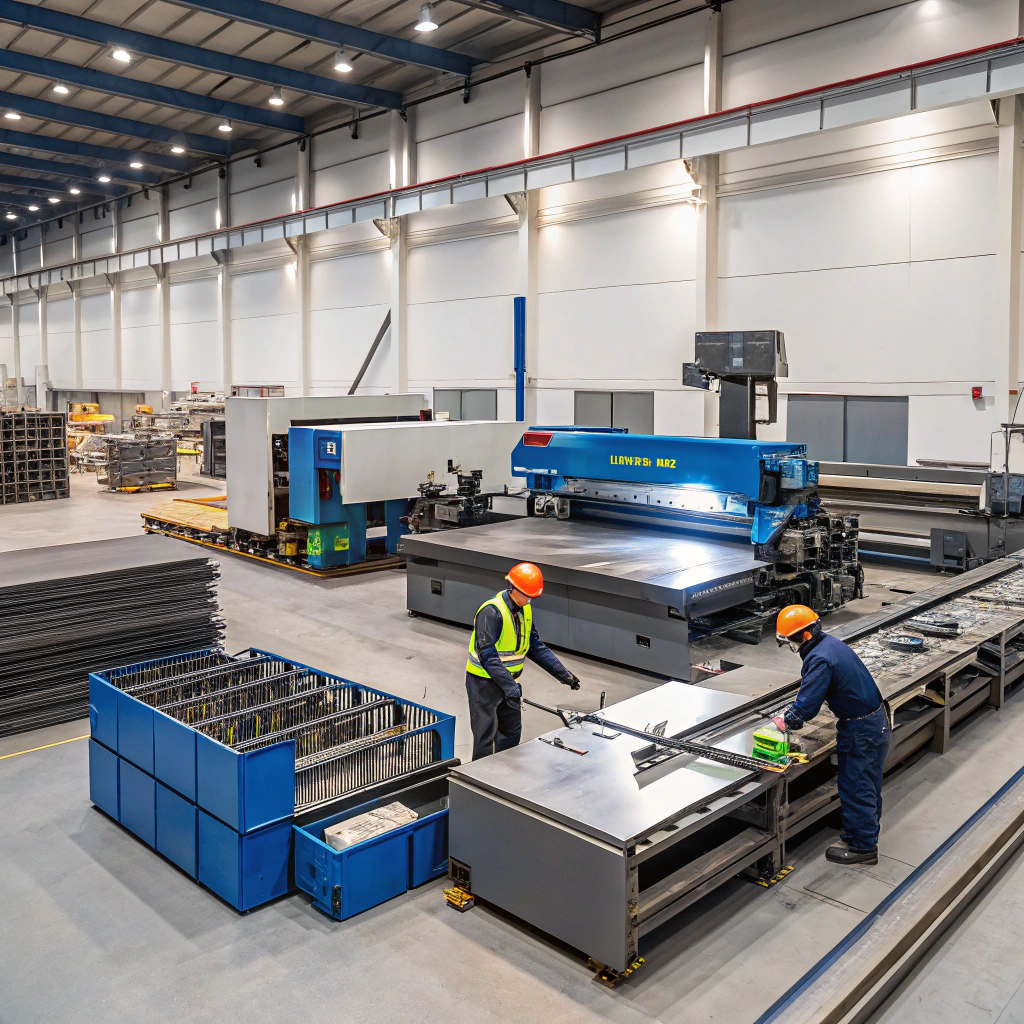
Steps in Steel Fabrication
- Material Selection: Choosing the right type of steel based on strength, flexibility, and cost.
- Cutting: Using techniques like plasma cutting, laser cutting, or water jet cutting to achieve precision.
- Forming: Shaping the steel through bending, rolling, or pressing.
- Welding & Assembly: Joining steel components using welding, bolting, or riveting.
- Surface Treatment: Applying coatings or treatments to prevent rust and improve durability.
Steel fabrication is essential in industries like construction, shipbuilding, and manufacturing. The right process ensures that the final product meets safety and quality standards.
What Is the Most Common Steel for Fabrication?
Choosing the right steel type is crucial. When I first worked with steel fabrication experts, they emphasized that different steel types serve different purposes. Strength, corrosion resistance, and weldability all play a role.
The most commonly used steel for fabrication is mild steel2. It is affordable, easy to work with, and offers excellent weldability. Other popular choices include stainless steel for corrosion resistance and carbon steel for high strength.

Popular Types of Steel for Fabrication
| Steel Type | Features | Common Uses |
|---|---|---|
| Mild Steel | Easy to weld, affordable | Construction, automotive |
| Stainless Steel | Corrosion-resistant, durable | Food processing, medical equipment |
| Carbon Steel | High strength, versatile | Bridges, pipelines |
Mild steel remains the top choice because of its balance between cost and performance. However, selecting the right steel depends on the specific needs of the project.
Conclusión
Metal fabrication plays a vital role in creating durable and functional products. The three main processes—forming, cutting, and joining—each serve different purposes. Whether working with mild steel2 or stainless steel, understanding the fabrication process helps in making informed decisions. By choosing the right techniques and materials, manufacturers can produce high-quality metal components efficiently.

 English
 Español de México
 Deutsch
 Français
 Русский
 العربية