The common materials used for sintered metal filters include stainless steel (such as 304, 316, 316L, etc.), nickel and nickel based alloys, titanium and titanium alloys, and copper or copper alloys. The specific material used depends on the specific environment and requirements of the filter.
What is a sintered metal filter?
Sintered metal filters are filtration equipment made using high-temperature sintering. It is usually made of stainless steel or other high-temperature resistant metals such as nickel, titanium, etc. This type of filter is formed by high-temperature sintering of metal particles, forming a uniform pore open structure.
During the sintering process, metal particles will partially melt at extremely high temperatures, and the contact points between the particles will “stick” together, forming a block that is both strong and resilient. The sintered product has high porosity, good gas permeability, and excellent filtration performance, and is widely used in industries such as petroleum, chemical, metallurgy, and machinery. 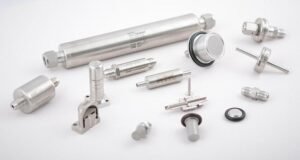
What material is sintered metal filter made of?
Stainless steel: such as 304, 316/316L, etc. Stainless steel has good corrosion resistance, heat resistance, and mechanical strength, making it the most commonly used material for manufacturing sintered filters.
Titanium and titanium alloys: Titanium and titanium alloys have excellent corrosion resistance and are suitable for use in environments such as strong acids and alkalis.
Gilt metal: Gilt metal has excellent corrosion resistance and high-temperature performance, so it is often used as a filter medium in some high-temperature, high-pressure, and corrosive environments.
Acero: such as carbon steel, low alloy steel, etc. Although they have poor corrosion resistance, their cost is low and they are suitable for use in certain non corrosive environments.
Copper and copper alloys: They have good corrosion resistance and thermal conductivity, as well as excellent mechanical properties at Fahrenheit temperature.
Nickel and nickel alloys: such as lconel alloys, single sided alloys, Hastelloy alloys, etc. These materials have extremely high corrosion and heat resistance, suitable for extreme environments.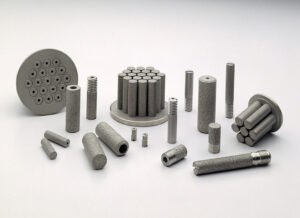
The above are common manufacturing materials for sintered metal filters. These materials can be used alone or in combination to achieve the required filtration performance. Different materials are suitable for different application environments, and selecting suitable materials requires consideration of factors such as filtration medium, temperature, pressure, and corrosiveness.
Gracias por leer nuestro artículo. Si necesita productos relacionados o tiene alguna pregunta o sugerencia sobre nuestros productos, no dude en contactarnos enviando un correo electrónico, y le responderemos lo antes posible.

 English
 Español de México
 Deutsch
 Français
 Русский
 العربية