
Cuando cotice por primera vez un molde para un proveedor vietnamita, el costo fue tres veces mayor de lo que pediría un proveedor chino, lo que fue una sorpresa.
El costo del molde (herramienta) para piezas metálicas personalizadas varía enormemente según la complejidad, el material, el número de cavidades, la longevidad y la práctica del proveedor. En Vietnam, a menudo se ven cotizaciones más altas porque muchos proveedores suministran moldes de larga duración por defecto.
Profundicemos en los rangos típicos, los impulsores de costos, la diferencia para los moldes de múltiples cavidades y si la geometría o el material dominan el costo.
¿Cuánto cuesta un molde simple?
Los moldes simples para piezas de metal o plástico en Vietnam suelen oscilar entre unos pocos miles y decenas de miles de dólares, dependiendo de la complejidad, la vida útil del molde y el volumen de producción.
Una vez recibí una cotización para un molde simple de una sola cavidad para una pequeña pieza metálica de fundición a presión y el proveedor pidió 8.000 USD. Eso fue para una complejidad relativamente baja.
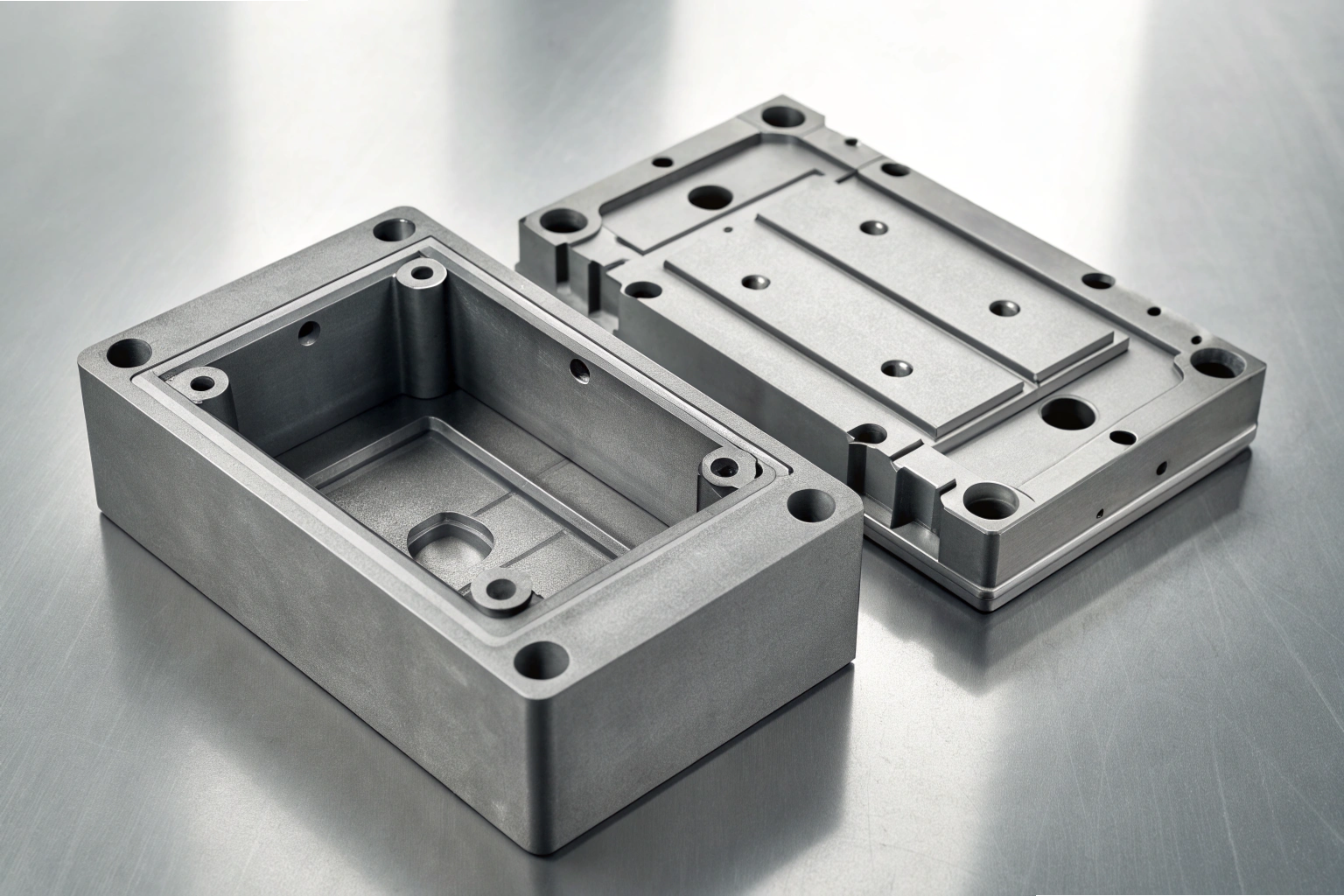
Rangos de costos típicos
| Tipo de molde / Caso de uso | Costo aproximado (USD) | Notas |
|---|---|---|
| Prototipo / piloto de una sola cavidad | 2.000 – 10.000 USD | Para tiradas cortas, geometría simple, características limitadas |
| Cavidad única de complejidad moderada | $10,000 – $30,000 | Más características, tolerancias más estrictas, algunas acciones laterales |
| Molde multicavidad o avanzado | $30,000 – $150,000+ | Múltiples cavidades, correderas, levantadores, enfriamiento complejo, canales calientes |
| Molde pesado / de alto volumen | $100,000 – $300,000+ | Moldes muy grandes, larga vida útil, aleación compleja, alta durabilidad |
Un “molde simple” para piezas metálicas podría estar en el extremo inferior (pocas características, correderas mínimas, cavidad única). Pero incluso los moldes “simples” para mecanizado de acero tienen costos base debido a la dureza y precisión de la herramienta.
En Vietnam, las cotizaciones de moldes pueden ser mucho más altas que en China para moldes comparables. Una razón: muchos fabricantes de moldes vietnamitas optan por moldes de alta durabilidad (larga vida útil) en lugar de moldes “baratos y de menor vida útil”. Por ejemplo, los proveedores chinos a veces cotizan moldes clasificados para 20,000 ciclos; en Vietnam, el mismo molde podría cotizarse para 200,000 o incluso 1,000,000 de ciclos. Esa diferencia en la vida útil esperada aumenta el costo. (Esto se alinea con tu idea 1).
Por lo tanto, cuando vea una tarifa de molde alta de Vietnam, siempre pregunte: “¿Cuál es la vida útil del molde? ¿Existe una opción para un molde de menor vida útil con menor costo?”
¿Qué factores impulsan la variación del costo del molde?
El costo del molde está influenciado por el grado del acero, la complejidad del diseño, el número de cavidades, la durabilidad y la política del proveedor; cada factor puede cambiar los precios en un 10-50%.
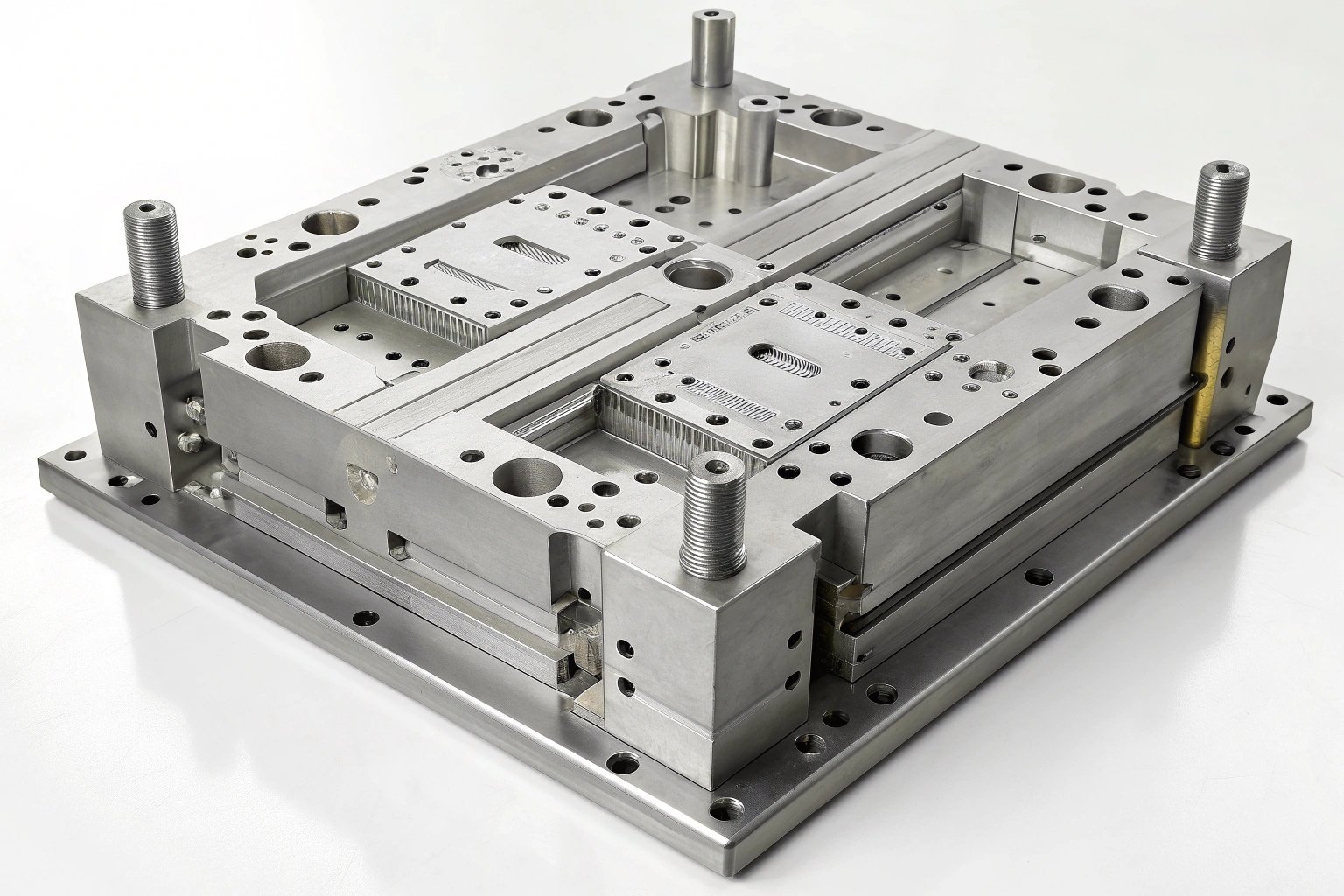
Principales impulsores de costos
Material del molde (grado de acero, dureza, tratamiento)
El uso de acero para moldes de primera calidad (por ejemplo, H13, S136, P20+Ni, etc.), endurecido, tratado, pulido, con recubrimientos especiales, aumenta el costo; consulte selección básica de acero para herramientas 1.Complejidad / geometría / socavados / acciones laterales
Características como socavados, correderas, levantadores, núcleos laterales, canales de enfriamiento internos, colada compleja, paredes delgadas, radios ajustados — todo aumenta la dificultad de mecanizado y el trabajo de diseño; revisar directrices de socavado y acción lateral 2.Número de cavidades
Más cavidades requieren más mecanizado, equilibrio, precisión y enfriamiento; ver fundamentos de moldes multiconcavidad 3.Requisitos de tolerancia y acabado superficial
GD&T ajustado y acabados cosméticos aumentan el pulido, la inspección, las iteraciones — impacto de tolerancia y acabado 4.Enfriamiento / templado / canales internos
El enfriamiento conformacional o complejo aumenta el costo; explorar enfriamiento conformacional en moldes 5.Especificación de vida útil / durabilidad de la herramienta
Las especificaciones de mayor vida útil del ciclo aumentan el costo; expectativas de vida útil del molde 6.Diseño / ingeniería / validación / pruebas piloto / muestreo
La simulación, las pruebas y los ajustes forman parte del costo; Resumen de DFM y validación 7.Gastos generales del proveedor, reserva de riesgos, garantía
Las políticas difieren según el proveedor y el país; Consideraciones sobre la estructura de cotización 8.Tiempo de entrega / trabajo urgente
Los envíos urgentes incurren en primas; Compensaciones de envío urgente 9.
Debido a que estos factores interactúan, el costo del molde puede variar ampliamente. Agregar una corredera podría aumentar el costo entre un 20 y un 30 %; actualizar de P20 a H13 puede agregar entre un 15 y un 25 %.
¿Son más caros los moldes de múltiples cavidades?
Los moldes multiconcavidad tienen un costo inicial más alto pero un precio por pieza más bajo cuando los volúmenes son lo suficientemente grandes como para justificar la inversión.
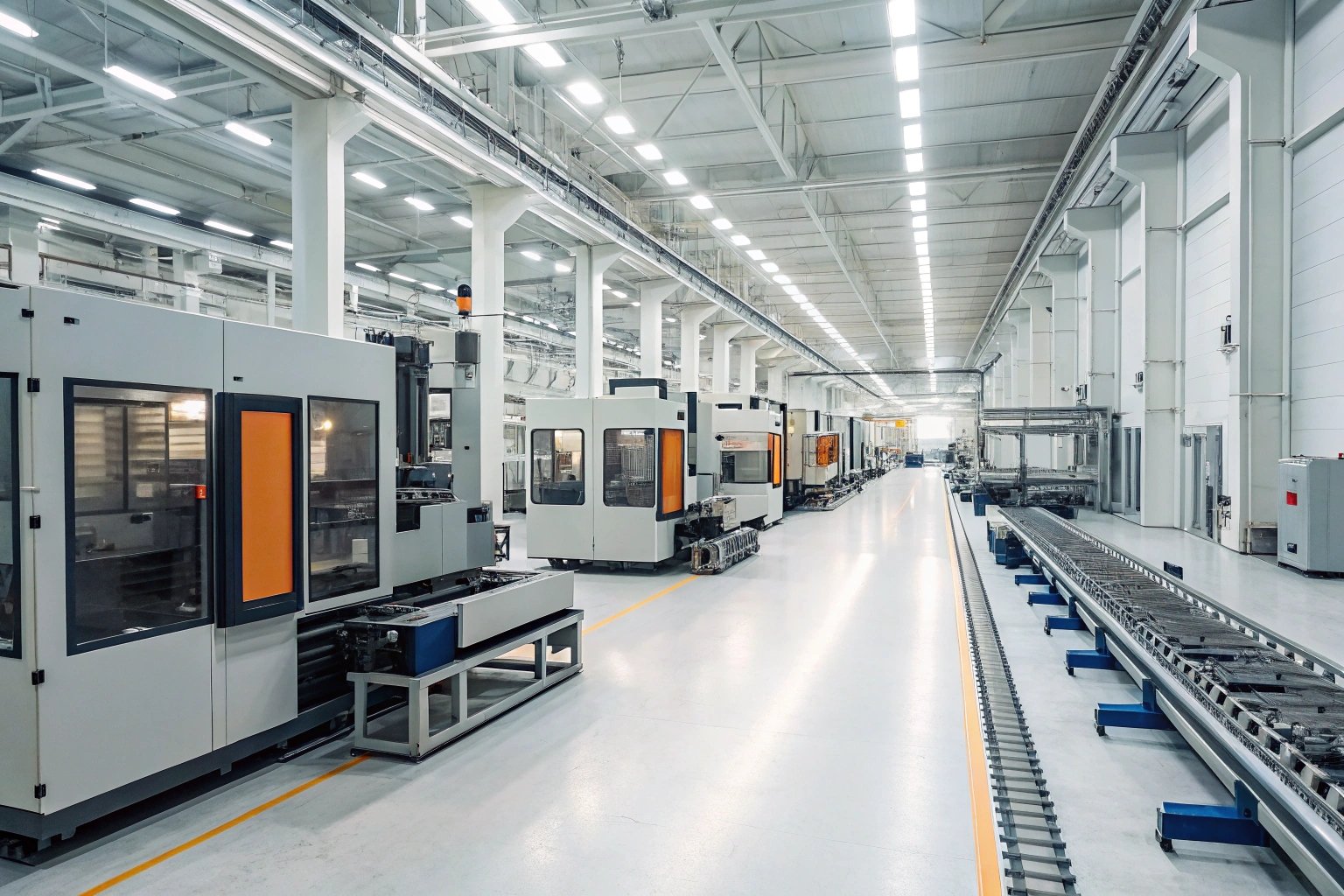
El costo por pieza a menudo disminuye a medida que aumenta el volumen — clásico economías de escala 10.
| Tipo de Molde | Costo del Molde | Volumen Esperado | Costo de Herramienta Aproximado por Pieza* |
|---|---|---|---|
| Cavidad única | $20,000 | 20.000 uds. | $1.00 |
| Versión de 4 cavidades | $60,000 | 80.000 uds. | $0.75 |
Si su volumen es bajo, un molde de múltiples cavidades podría no ser rentable nunca. La inversión inicial adicional podría desperdiciarse si no alcanza el volumen proyectado.
¿La complejidad del molde o el material dominan el costo?
La complejidad geométrica y de ingeniería suele dominar el costo, pero los aceros para moldes de primera calidad y la durabilidad a largo plazo también pueden sumar un 20-40%.

- La geometría compleja con correderas, roscas o paredes delgadas aumenta el tiempo de diseño y mecanizado.
- Los aceros para moldes de alta gama (H13, S136 o aleaciones nitruradas) aumentan el costo a través del material y el endurecimiento.
- En Vietnam, muchos proveedores sobreconstruyen moldes (núcleo + base ambos de acero de grado para moldes), priorizando la longevidad.
| Elemento de costo | Porcentaje del costo del molde (típico) | Notas |
|---|---|---|
| Mecanizado / desbaste y acabado | 30–50 % | Corte de núcleo/cavidad, fresado, electroerosión |
| Ingeniería y diseño / prueba / iteración | 10–25 % | Diseño del molde, simulación, ajustes |
| Material / acero / tratamiento térmico / dureza | 10–25 % | Costo del acero, endurecimiento, revenido |
| Pulido / acabado fino / tratamiento superficial | 5–15 % | Cosmético / preparación superficial fina |
| Fabricación de insertos, enfriamiento, eyección, correderas | 10–20 % | Complejidad adicional |
| Contingencia, garantía, margen | 5–10 % | Búfer de riesgo, garantía de herramientas |
Consejos prácticos e ideas
Solicite especificaciones claras de vida útil del molde, desgloses de costos y opciones modulares antes de aprobar cualquier cotización de molde vietnamita.
- Siempre solicite vida útil del molde / clasificación de ciclos.
- Compare las cotizaciones de Vietnam vs. China por especificación, no por precio.
- Request insertos modulares para futuras actualizaciones.
- Adapte la vida útil del molde a su volumen esperado.
- Solicite un desglose de costos: mecanizado, diseño, material, pruebas.
- Verifique la cobertura de garantía y ajustes.
Conclusión
Los precios de los moldes en Vietnam varían desde unos pocos miles para herramientas simples hasta más de $100,000 para moldes complejos, de múltiples cavidades y de larga duración.
La complejidad es el principal impulsor del costo, pero el material y las especificaciones de durabilidad tienen un gran peso en las cotizaciones vietnamitas.
Confirme siempre la vida útil, el desglose y las opciones por escrito para que las comparaciones de costos sean justas y estratégicas.
Notas al pie
1. Descripción general del acero para moldes; por qué la elección del acero afecta el costo y la vida útil. ↩︎
2. Los socavados/acciones laterales aumentan la complejidad y el precio del molde. ↩︎
3. Fundamentos de las múltiples cavidades y por qué el recuento de cavidades aumenta el costo. ↩︎
4. Las demandas de tolerancia y acabado impulsan el esfuerzo de pulido/inspección. ↩︎
5. El enfriamiento conformacional y los canales internos aumentan el costo. ↩︎
6. Expectativas típicas de vida útil del molde e implicaciones. ↩︎
7. Pasos de DFM/validación que agregan costo de ingeniería. ↩︎
8. Contexto de costo estimado/estructura de cotización para negociaciones. ↩︎
9. Primas por urgencia y compensaciones de programación. ↩︎
10. Economías de escala: por qué el costo por pieza disminuye con el volumen. ↩︎

 English
 Español de México
 Deutsch
 Français
 Русский