¿Cómo gestionar devoluciones o reclamaciones por problemas de calidad en piezas de acero personalizadas importadas?
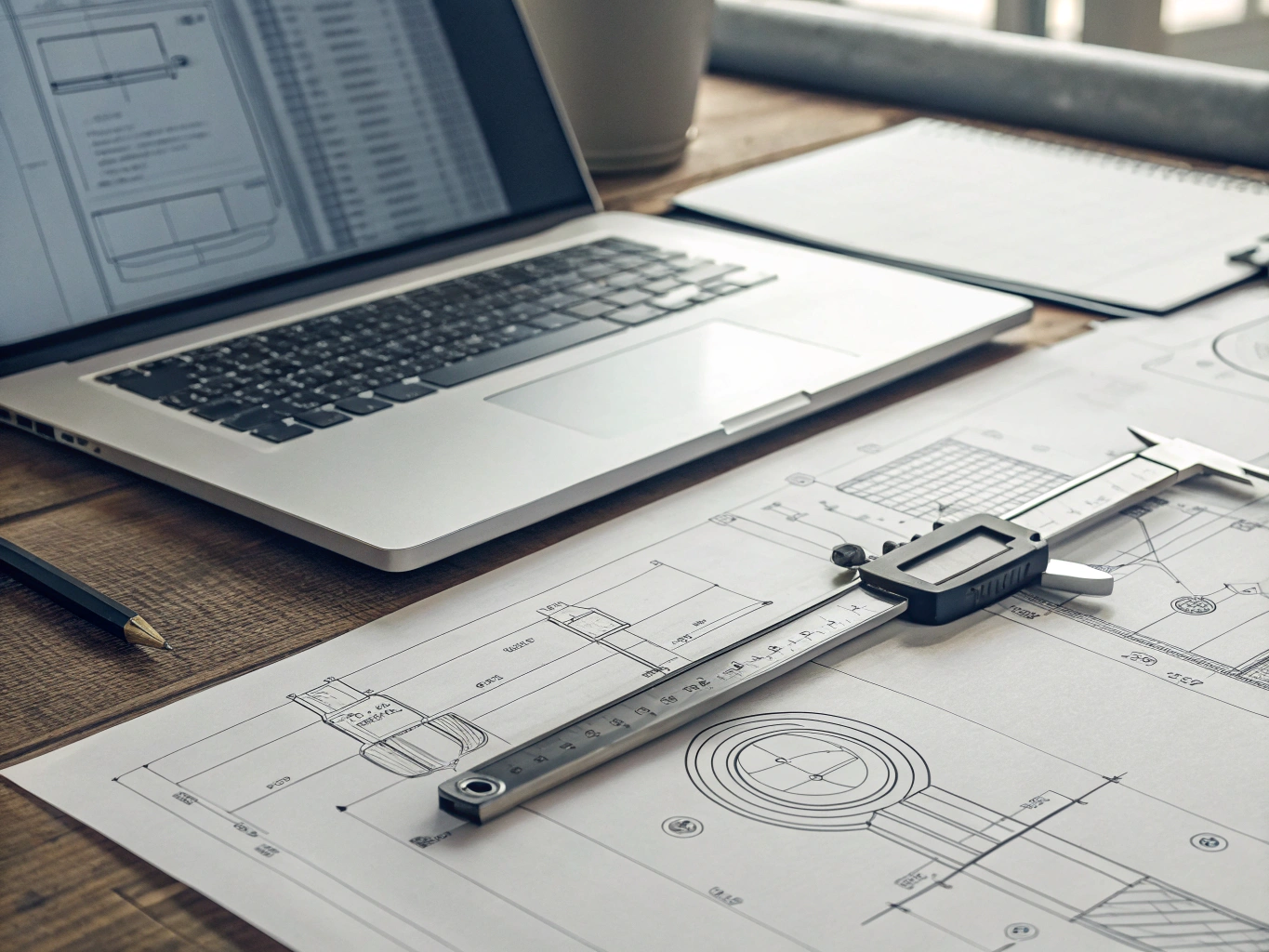
Una vez tuve que devolver un lote completo de piezas de acero mecanizado del extranjero: las tolerancias dimensionales estaban mal y el material no coincidía con la especificación. Fue una pesadilla logística.
Para gestionar devoluciones o reclamaciones de piezas de acero personalizadas, necesita un proceso claro de RMA, documentación sólida, inspecciones de calidad y acuerdos de proveedor bien definidos. Estos pasos protegen su proyecto de costosos problemas de calidad.
El proceso de devolución no debería sentirse como una pelea. Con el sistema adecuado implementado, puede ser eficiente, profesional y justo para ambas partes.
¿Qué políticas de devolución son justas?
Cuando comenzamos a exportar desde Vietnam, noté que los clientes dudaban en hacer grandes pedidos. Preguntaban: “¿Qué pasa si la calidad no es buena?”. Fue entonces cuando me di cuenta: necesitábamos una política de devolución sólida.
Una política de devolución justa para piezas de acero personalizadas define claramente las condiciones de aceptación, los plazos, la documentación y las soluciones, como reemplazo, reembolso o reelaboración. Esto genera confianza y garantiza la responsabilidad.

Elementos clave de una política de devolución justa
| Elemento | Detalles |
|---|---|
| Ventana de devolución | Defina cuántos días después de la entrega se aceptan las reclamaciones (por ejemplo, 15-30 días). |
| Condiciones elegibles | Limite las devoluciones a defectos de calidad, especificaciones incorrectas o daños de envío. |
| Documentación requerida | Requerir fotos del defecto, número de lote/calor, informe de inspección. |
| Método de devolución | Indicar quién paga el flete de devolución y cómo se envían los artículos de vuelta. |
| Recursos | Aclarar si se emitirá un reembolso, crédito o reelaboración. |
| Procedimiento de RMA | Incluir los pasos y el punto de contacto para iniciar la devolución. |
Incrustar su política de devolución dentro del contrato de compra o acuerdo de calidad del proveedor utilizando plantillas como políticas estándar de RMA en fabricación.
¿Cómo presentar una reclamación formal?
Hace unos años, un cliente en los EE. UU. me envió un correo electrónico con dos fotos borrosas y dijo: “Esto no es aceptable”. Eso no fue suficiente para respaldar una reclamación formal y retrasó la resolución durante semanas.
Para presentar una reclamación de calidad formal, envíe una solicitud de RMA con una descripción detallada del defecto, fotos, números de lote/calor y resultados de la inspección. La documentación clara es fundamental para la validación de la reclamación.
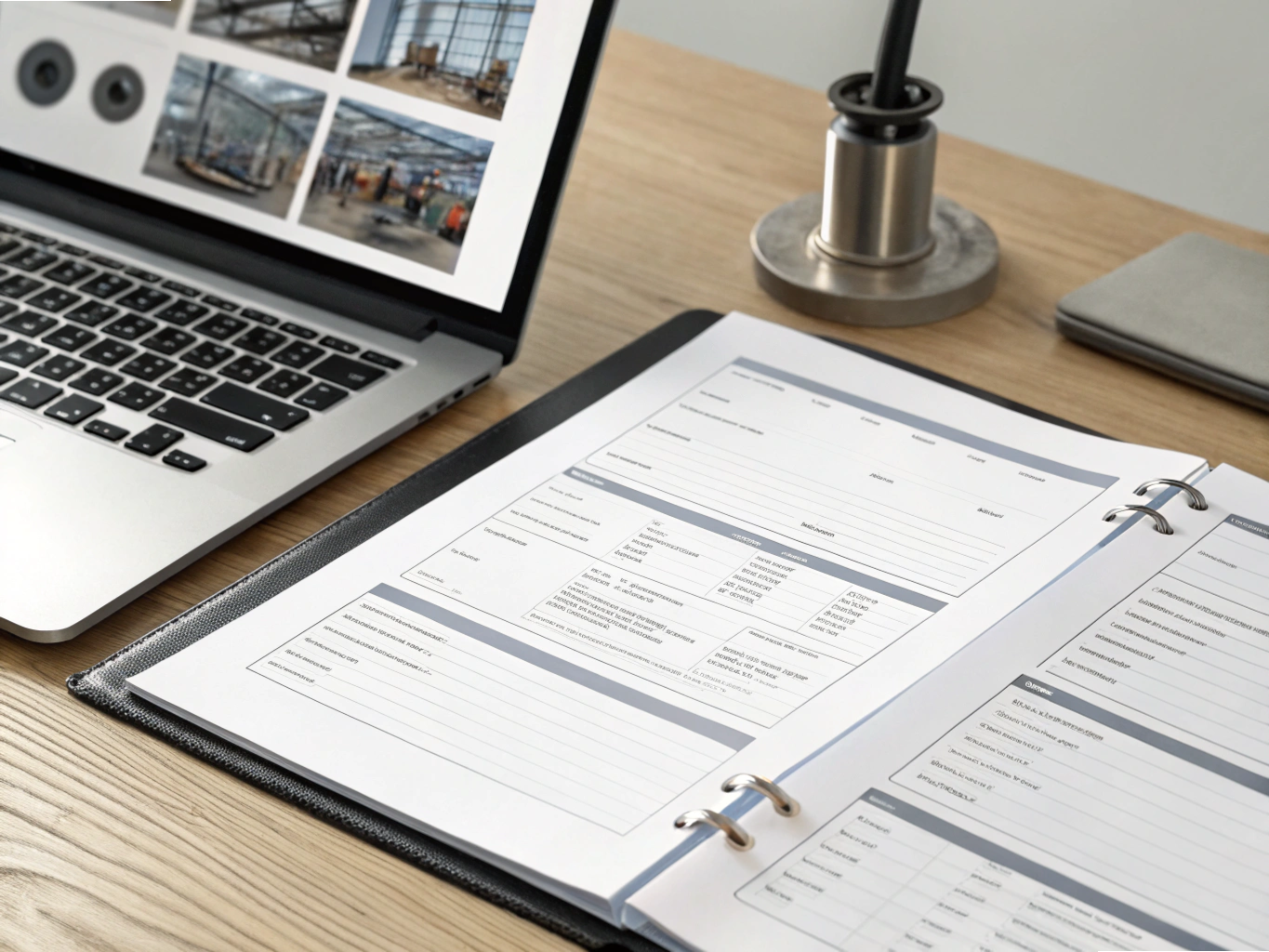
Pasos para presentar una reclamación de calidad
- Notificar al proveedor dentro del período de reclamación acordado (por ejemplo, 7-15 días a partir de la recepción).
- Proporcionar fotos del defecto, etiquetas del producto y embalaje de envío.
- Presentar una copia del Certificado de Prueba de Molino (MTC) y el informe de inspección.
- Referenciar el número de PO original, la fecha de entrega y el número de lote o calor.
- Describir claramente el defecto: mencionar desviación de tamaño, problema de superficie, material incorrecto, etc.
- Mantener los artículos defectuosos segregados e intactos hasta la resolución.
Utilice un formulario estructurado inspirado en plantillas como ejemplos de formularios de RMA comerciales.
¿Qué pruebas respaldan las reclamaciones?
Una reclamación sin pruebas no llega muy lejos. He visto demasiadas quejas vagas como “esto no funciona”, que casi siempre conducen a retrasos o denegaciones.
Para respaldar su reclamación de calidad, incluya fotografías, datos de medición, informes de pruebas, fotografías del embalaje y el número de lote o calor de la pieza afectada. La evidencia detallada fortalece su caso.
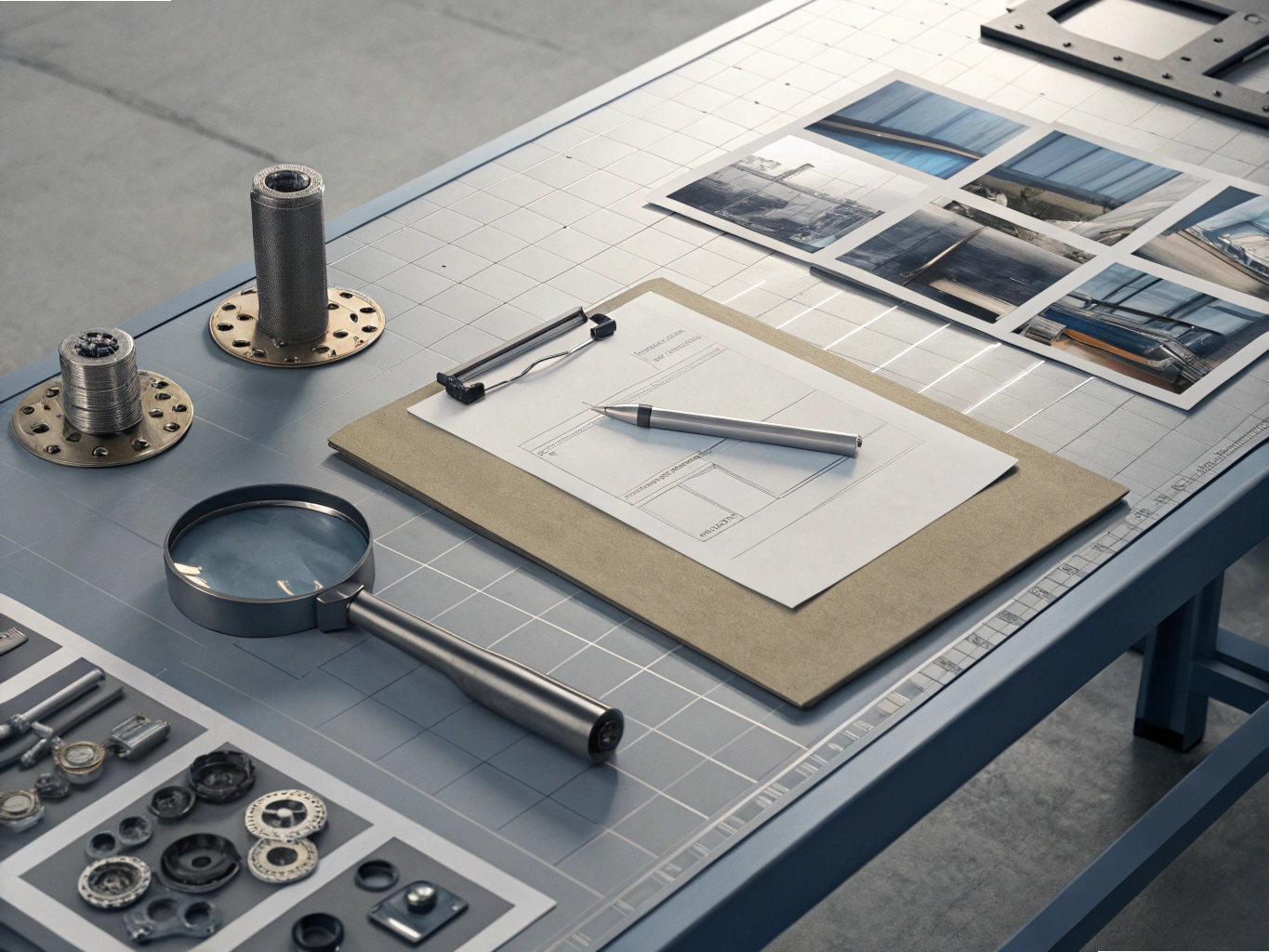
Mejores tipos de evidencia de respaldo
| Tipo | Propósito |
|---|---|
| Fotografías de alta resolución | Mostrar defectos visibles (por ejemplo, arañazos, grietas, deformación) |
| Datos de inspección dimensional | Validar la desviación de las tolerancias especificadas |
| Informe de prueba espectroquímica | Confirmar la falta de coincidencia del material |
| Número de lote o calor | Probar el vínculo con el lote de acero original |
| Fotografía del estado del embalaje | Resaltar daños por embalaje o envío deficientes |
| Notas sobre las condiciones de funcionamiento | Explicar si ocurrió una falla bajo uso normal |
Incluir también los registros de inspección al recibir y los análisis de laboratorio de terceros cuando estén disponibles. Consulte las mejores prácticas descritas en protocolos de documentación de reclamaciones de calidad para la gestión de documentación estructurada.
¿Cómo negociar los términos de compensación?
Uno de nuestros mejores proveedores en China una vez envió un lote defectuoso. Pero como teníamos una cláusula de calidad clara en el contrato, llegamos rápidamente a una solución: sin discusiones, solo acción.
Para negociar una compensación, confíe en las cláusulas del contrato que definen la responsabilidad, los recursos y los costos de reelaboración, devoluciones o fallas de calidad. Utilice evidencia para respaldar su solicitud.

Opciones de compensación por piezas defectuosas
| Tipo | Descripción |
|---|---|
| Nota de Crédito | Emitido contra futuros pedidos por el valor de las piezas defectuosas |
| Reembolso parcial | Reembolso en efectivo por pérdidas específicas |
| Reelaboración gratuita | El proveedor vuelve a fabricar sin costo |
| Envío de reemplazo | El proveedor envía un nuevo lote sin cargo |
| Costos compartidos | El comprador y el proveedor dividen los gastos de envío de devolución o reparación |
Consejos para una negociación de compensación fluida
- Mantente siempre factual, no emocional; basa tus argumentos en evidencia objetiva.
- Refiérete a los términos acordados: período de garantía, definición de defecto, tiempos de respuesta.
- Propón soluciones realistas; a veces, la reparación o una nota de crédito es mejor que un reembolso.
- Considera involucrar una inspección de terceros o mediación si es necesario.
- Mantén la comunicación documentada: correos electrónicos, llamadas documentadas, acuerdos firmados.
Incluye cláusulas de garantía como:
- Límite de tiempo para reclamaciones por defectos (por ejemplo, 12 meses desde la entrega)
- Obligación del proveedor de reparar o reemplazar
- Derecho a reclamar costos indirectos si los defectos retrasan la producción
Conclusión
Define claramente tu política de devoluciones, documenta las reclamaciones de manera exhaustiva, recopila pruebas sólidas y negocia utilizando el marco de tu contrato. Así es como proteges la calidad y mantienes el control cuando surgen problemas.
Notas al pie
[1] https://www.asq.org/quality-resources/rma-policy-guidelines – Plantillas de políticas de RMA de fabricación y mejores prácticas
[2] https://templates.office.com/en-us/rma-form – Diseño de ejemplo de formulario de RMA para devoluciones comerciales
[3] https://www.iso.org/standard/quality-claim-guidelines – Directrices ISO sobre la documentación de reclamaciones de calidad y devoluciones
[4] https://www.qualitymag.com – Ejemplos de casos de manejo de reclamaciones de calidad en la fabricación de piezas
[5] https://www.asq.org/quality‑resources/auditing – Protocolos de auditoría para verificar la calidad del producto y la documentación
[6] https://www.iso.org – Definiciones ISO relevantes para disputas de calidad y contratos de proveedores
[7] https://www.qualitymag.com/articles/96927 – Procedimientos para emitir y resolver reclamaciones por no conformidad

 English
 Español de México
 Deutsch
 Français
 Русский