A menudo vemos un excelente trabajo de soldadura arruinado por un acabado deficiente, por lo que nuestro equipo en Vietnam supervisa de cerca las etapas finales de recubrimiento para cada proyecto.
Los proveedores vietnamitas suelen ofrecer una amplia gama de tratamientos superficiales centrados en la resistencia a la corrosión y la estética, incluyendo galvanizado en caliente, recubrimiento en polvo, zincado y anodizado. Estos servicios cumplen con estándares internacionales como ISO y ASTM, asegurando que las piezas soldadas cumplan con los rigurosos requisitos de durabilidad de los mercados globales.
Exploremos las opciones específicas, los controles de calidad y los factores logísticos que necesita conocer al obtener suministros de esta región.
¿Qué acabados específicos, como el recubrimiento en polvo o el galvanizado, puedo esperar de las instalaciones vietnamitas?
Nuestros ingenieros guían frecuentemente a los clientes a través del extenso menú de opciones de acabado disponibles en las zonas industriales de Ho Chi Minh para que coincidan con sus necesidades de aplicación específicas. Ho Chi Minh City 1
Puede esperar una amplia disponibilidad de acabados, incluyendo recubrimiento en polvo para colores duraderos, galvanizado en caliente para acero estructural pesado y electrozincado para piezas pequeñas de precisión. Además, las instalaciones especializadas ofrecen anodizado para aluminio y recubrimiento electrónico para geometrías complejas, asegurando que se cumplan los requisitos tanto estéticos como de protección funcional.
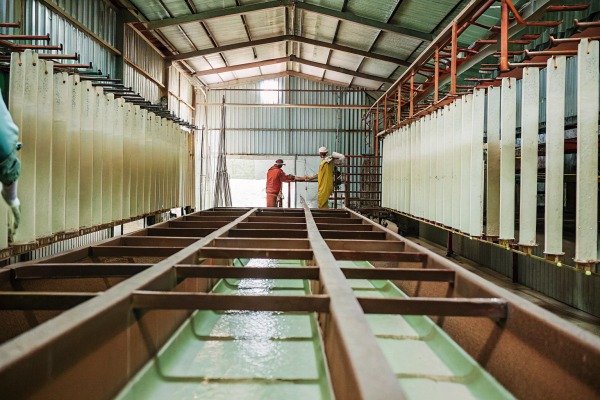
Al obtener ensamblajes soldados de Vietnam, la variedad de tratamientos superficiales es sorprendentemente robusta. El sector manufacturero aquí ha madurado significativamente, yendo más allá de la simple fabricación en bruto para entregar productos completamente acabados y listos para el estante. Basándonos en el marco de aluminio plateado que se muestra en la imagen del producto, por ejemplo, normalmente consideraríamos el chorreado con perlas seguido de anodizado transparente o un recubrimiento en polvo plateado mate.
Recubrimiento en polvo
Este es quizás el acabado más común que supervisamos para productos de exportación. Se prefiere por sus beneficios ambientales y su durabilidad superior en comparación con la pintura húmeda. Los proveedores vietnamitas suelen tener una amplia gama de colores RAL en stock. Colores RAL 2 El proceso implica la aplicación electrostática seguida de curado en un horno. aplicación electrostática 3
- Ventajas: Excelente resistencia a astillado, rayado y decoloración.
- Idoneidad: Ideal para bienes de consumo, marcos de muebles y carcasas de máquinas.
Galvanizado en caliente (HDG)
Para industrias pesadas y construcción, el HDG es el estándar. Vietnam cuenta con varias plantas de galvanizado a gran escala capaces de manejar vigas estructurales masivas. Este proceso implica sumergir el acero en zinc fundido.
- Ventaja clave: Proporciona protección sacrificial, lo que significa que si el recubrimiento se raya, el zinc circundante se corroe antes que el acero.
- Uso típico: Estructuras exteriores, mobiliario urbano y equipos marinos.
Electroplateado (Zinc, Níquel, Cromo)
Para componentes soldados más pequeños, herrajes o fijaciones, el plateado es esencial. El zincado (a menudo con una conversión de cromato amarilla o azul) es la opción principal para la protección contra la corrosión en acero al carbono. El cromo y el níquel se utilizan cuando se requiere un acabado decorativo y similar a un espejo.
Anodizado
Esto es específico para piezas de aluminio. Es un proceso electroquímico que espesa la capa de óxido natural. Es crucial para piezas como el marco en la imagen del producto si están hechas de aluminio.
- Variaciones: Anodizado transparente (plateado/mate), anodizado de color y anodizado de capa dura para una resistencia extrema al desgaste.
Resumen comparativo de acabados
Para ayudarte a decidir qué acabado se adapta mejor a tus piezas soldadas, hemos compilado una comparación basada en nuestros datos de abastecimiento.
| Tipo de acabado | Beneficio principal | Espesor Típico | Nivel de costo | Lo mejor para |
|---|---|---|---|---|
| Recubrimiento en polvo | Durabilidad y Estética | 60–100 micras | Medio | Gabinetes, Muebles |
| Galvanizado en Caliente | Máxima Protección contra la Corrosión | 80–120+ micras | Medio-Alto | Acero Estructural para Exteriores |
| Zincado | Protección Básica contra el Óxido | 5–15 micras | Low | Soportes Pequeños, Sujetadores |
| Anodizado | Dureza y Apariencia | 10–25 micras | Medio | Marcos de Aluminio, Disipadores de Calor |
| Pintura Húmeda | Color/Retoques personalizados | 40–80 micras | Alto | Maquinaria grande, bajo volumen |
Comprender estas opciones nos permite especificar las indicaciones correctas en sus planos de ingeniería, asegurando que la fábrica vietnamita cotice el proceso correcto desde el primer día.
¿Cómo puedo verificar que la calidad del tratamiento superficial cumple con mis especificaciones técnicas y estándares?
Conocemos la ansiedad de recibir un contenedor donde la pintura se desprende después de una semana, por lo que implementamos auditorías estrictas en el sitio antes de que se envíe nada.
La verificación se basa en hacer cumplir la adhesión a los estándares ISO y realizar pruebas físicas como pruebas de niebla salina para la corrosión y pruebas de corte cruzado con cinta para la adhesión. También utilizamos inspecciones de terceros y solicitamos Certificados de Análisis (COA) detallados para confirmar el espesor del recubrimiento y el cumplimiento del material antes del envío.

El control de calidad de los tratamientos superficiales es notoriamente difícil porque no siempre se pueden ver los defectos a simple vista. Un recubrimiento puede verse perfecto al salir de la fábrica, pero fallar rápidamente si la preparación de la superficie fue deficiente. Aquí le explicamos cómo desglosamos el proceso de verificación para garantizar la longevidad.
Verificación de la preparación de la superficie
El paso más crítico ocurre antes de que se aplique el recubrimiento. Si la escoria de soldadura, el aceite o el óxido no se eliminan, el recubrimiento fallará.
- Inspección visual: Verificamos los estándares de chorreado (por ejemplo, SA 2.5) para asegurar que el metal tenga la "rugosidad" adecuada para la adhesión.
- Verificación de limpieza: Realizamos pruebas de limpieza simples para asegurar que no queden grasas en el sustrato.
Pruebas de propiedades físicas
Una vez que la pieza está recubierta, necesitamos demostrar que durará. No solo tomamos la palabra del proveedor; exigimos datos.
- Espesor del recubrimiento: Usando un medidor digital de DFT (Dry Film Thickness - Espesor de Película Seca), medimos múltiples puntos en la pieza soldada. Para el recubrimiento en polvo, normalmente buscamos entre 60 y 80 micras. Para el HDG (Galvanizado en Caliente), puede ser mucho más grueso.
- Prueba de Adhesión: La prueba de corte cruzado (ISO 2409) implica cortar un patrón de rejilla ISO 2409 4 en el recubrimiento y aplicar cinta adhesiva. ISO 2409 5 Cuando se retira la cinta, no debe desprenderse pintura.
- Prueba de Curado: Para el recubrimiento en polvo, una prueba de frotamiento con disolvente (prueba MEK) asegura que el polvo se horneó a la temperatura correcta durante el tiempo correcto.
Prueba de Niebla Salina (ASTM B117)
Este es el estándar de oro para la resistencia a la corrosión. resistencia a la corrosión 6 A menudo solicitamos a los proveedores que coloquen cupones de muestra en una cámara de niebla salina. ASTM B117 7
- Duración: Especificamos las horas según el entorno (por ejemplo, 24 horas para uso interior básico, más de 500 horas para uso marino en exteriores).
- Resultado: La pieza se inspecciona para detectar el inicio de óxido rojo.
Estándares de Calidad Comunes en Vietnam
Los proveedores vietnamitas están acostumbrados a estos estándares internacionales, pero deben definirse claramente en su PO.
| Prueba / Verificación | Referencia Estándar | Propósito |
|---|---|---|
| Prueba de Niebla Salina | ASTM B117 / ISO 9227 | Mide la resistencia a la corrosión a lo largo del tiempo. |
| Adhesión por Cruce de Cortes | ASTM D3359 / ISO 2409 | Verifica la unión entre el recubrimiento y el metal. |
| Dureza Lápiz | ASTM D3363 | Comprueba la resistencia a los arañazos de la superficie. |
| Medición de Espesor | ISO 2178 | Asegura una cobertura adecuada para la protección. |
| Visual Inspection | ISO 12944 ISO 12944 8 | Comprueba si hay chorretones, descuelgues, ampollas o zonas sin cubrir. |
Al exigir estas pruebas específicas en el contrato, trasladamos la responsabilidad al proveedor de demostrar la calidad, en lugar de que nosotros esperemos lo mejor.
¿Los fabricantes suelen procesar los acabados internamente o subcontratan mis componentes a proveedores especializados?
Según nuestra experiencia en la gestión de cadenas de suministro, a menudo encontramos que los mejores soldadores no son necesariamente los mejores pintores, lo que lleva a una división en las ubicaciones de producción.
Los fabricantes suelen externalizar acabados especializados como la galvanización en caliente y la electrodeposición a socios dedicados para cumplir con las normativas medioambientales y garantizar la experiencia. Sin embargo, muchas instalaciones de fabricación de metales grandes y modernas en Vietnam han integrado líneas internas de pintura en polvo o pintura para controlar la calidad, reducir costes y acortar los plazos de entrega.

Este es un detalle logístico crucial que muchos compradores pasan por alto. La estructura del ecosistema de fabricación vietnamita se basa en gran medida en clústeres especializados. Comprender si su proveedor lo hace internamente o lo externaliza afecta a su estrategia de gestión de riesgos.
El argumento a favor de la externalización
Las estrictas leyes medioambientales en Vietnam relativas al tratamiento de aguas residuales significan que no todos los talleres de soldadura pueden operar legalmente una línea de galvanización o recubrimiento. tratamiento de aguas residuales 9
- Galvanoplastia y Galvanizado: Estos casi siempre se externalizan a instalaciones centralizadas que cuentan con los permisos químicos y las plantas de tratamiento de residuos necesarios.
- Anodizado: Similar a la galvanoplastia, esto a menudo lo manejan expertos especializados en acabados de aluminio.
- Riesgo: El principal riesgo aquí es el transporte. Mover las piezas soldadas en bruto a una instalación de recubrimiento las expone a la humedad (riesgo de óxido) y a daños físicos (abolladuras/arañazos) durante la carga y descarga. Mitigamos esto especificando embalajes protectores. entre pasos del proceso.
El argumento a favor del procesamiento interno
Las fábricas más grandes de IED (Inversión Extranjera Directa) y los fabricantes vietnamitas establecidos a menudo invierten en sus propias líneas de acabado, particularmente para recubrimiento en polvo y pintura húmeda.
- Control: Tienen control total sobre el cronograma. Si una pieza necesita retrabajo, sucede de inmediato.
- Consistencia: El mismo equipo maneja la pieza desde el metal crudo hasta el empaque final, reduciendo el "juego de culpas" si ocurren defectos.
Gestión de la cadena de suministro
Cuando un proveedor subcontrata, efectivamente tenemos que gestionar dos proveedores. Necesitamos saber quién es el subproveedor. A menudo auditamos al subproveedor de recubrimiento con la misma rigurosidad que a la fábrica de soldadura principal.
Desglose de la Capacidad del Proveedor
Aquí hay una regla general que observamos en el mercado vietnamita con respecto a la integración de procesos.
| Proceso | ¿Típicamente Interno? | ¿Por qué? |
|---|---|---|
| Chorro de arena | Yes | Paso de preparación crítico inmediatamente después de la soldadura; difícil transportar piezas sucias. |
| Rectificado/Pulido | Yes | Trabajo manual intensivo en mano de obra realizado en la estación de soldadura. |
| Recubrimiento en polvo | Mixto | Las fábricas grandes lo hacen internamente; los talleres pequeños subcontratan. |
| Pintura Húmeda | Mixto | Requiere cabinas de pulverización; común internamente para maquinaria pesada. |
| Galvanizado (HDG) | No | Requiere una inversión de capital masiva y permisos ambientales. |
| Galvanoplastia | No | Proceso químico especializado; casi siempre externalizado. |
Saber esto nos ayuda a calcular el tiempo de entrega real. Si sus piezas necesitan HDG, agregamos tiempo de reserva para el transporte hacia y desde la planta de galvanizado.
¿Cómo afectarán los diferentes requisitos de tratamiento superficial al costo total y al plazo de entrega de mi pedido?
Recordamos constantemente a los clientes que un acabado complejo puede duplicar el tiempo de producción, por lo que planificamos estos tiempos de reserva en el cronograma desde el principio.
Los requisitos de tratamiento de superficie influyen significativamente tanto en el costo como en el cronograma; la pintura o galvanoplastia estándar es relativamente rápida y asequible, mientras que los procesos de varias etapas como el galvanizado en caliente o el recubrimiento en polvo arquitectónico de alta especificación aumentan los costos de los materiales y extienden los tiempos de entrega varios días debido a los requisitos de transporte y curado.

La elección del acabado rara vez es solo una decisión estética; es una decisión comercial. Hemos visto proyectos donde el costo del acabado superó el costo del acero en bruto. Es vital equilibrar el rendimiento con las restricciones de presupuesto y plazo.
Impulsores de Costos
Varios factores en Vietnam impulsan el precio de los tratamientos de superficie:
- Área de Superficie y Peso: El galvanizado generalmente se cotiza por peso (kg), mientras que el recubrimiento en polvo y la galvanoplastia a menudo se cotizan por área de superficie (m²) o por pieza.
- Mano de Obra de Preparación: La soldadura crea tintas de calor, salpicaduras y escoria. Eliminar esto manualmente antes del recubrimiento agrega horas de mano de obra significativas. Dado que la mano de obra en Vietnam es rentable, los acabados de alto pulido son más asequibles aquí que en Occidente, pero aún así suman.
- Especificaciones de materiales: El polvo estándar para exteriores es barato. Los polvos arquitectónicos "superduraderos" (como AkzoNobel Interpon D2000) cuestan significativamente más AkzoNobel Interpon D2000 10 y pueden tener Cantidades Mínimas de Pedido (MOQ) si la fábrica no tiene ese color específico en stock.
Impactos en el cronograma
La soldadura puede llevar 2 semanas, pero el acabado puede añadir otras 1-2 semanas dependiendo de la complejidad.
- Clima: En la temporada de lluvias de Vietnam, la humedad puede afectar los tiempos de secado de la pintura húmeda y aumentar el riesgo de óxido superficial antes del recubrimiento.
- Tiempos de espera: Los subproveedores especializados (como los galvanizadores) operan según sus propios horarios. Si están ocupados con un proyecto masivo de infraestructura nacional, su pequeño lote de soportes podría esperar en la cola durante 3 días.
Logística y Manipulación
El acabado externalizado añade una "etapa de transporte" al cronograma.
- Día 1: Soldadura completa y control de calidad.
- Día 2: Transporte al acabado.
- Días 3-5: Cola y procesamiento.
- Día 6: Transporte de regreso y control de calidad final.
Matriz de Impacto Estimado
Utilizamos esta referencia para ayudar a los clientes a estimar el "añadido" para el acabado sobre el precio y el tiempo de fabricación en bruto.
| Tratamiento | Impacto en Costo (Aprox.) | Impacto en Tiempo (Aprox.) | Notas |
|---|---|---|---|
| Zincado Estándar | +10–15% | +3–5 Días | Rápido, barato, externalizado. |
| Recubrimiento en Polvo (Estándar) | +20–30% | +3–7 Días | dependiente de la disponibilidad del color. |
| Galvanizado en Caliente | +30–50% | +5–10 Días | Cobrado por peso; intensivo en transporte. |
| Pintura fresca (epoxi/PU) | +25–40% | +5–10 Días | Tiempos de curado largos; sensible a la humedad. |
| Anodizado (Aluminio) | +20–35% | +4–7 Días | Proceso de precisión; requiere un colgado cuidadoso. |
Nota: Estos porcentajes son estimaciones basadas en ensamblajes soldados típicos y pueden variar según la geometría y el volumen de la pieza.
Al anticipar estos factores, podemos negociar mejores términos y fechas de entrega realistas, evitando las "prisas" que conducen a errores de calidad.
Conclusión
La obtención de piezas soldadas de Vietnam ofrece un fuerte equilibrio entre costo y calidad, siempre que gestione activamente el proceso de tratamiento superficial. Ya sea que necesite la protección de alta resistencia de la galvanización o el acabado elegante del anodizado, las capacidades existen aquí. La clave es especificar sus estándares claramente, comprender el flujo logístico entre soldadores y acabadores, e implementar inspecciones sólidas para garantizar que el producto final cumpla con sus expectativas.
Notas al pie
1. Proporciona contexto geográfico para las zonas industriales mencionadas en Vietnam. ↩︎
2. Sitio web oficial del estándar de color RAL utilizado en el recubrimiento en polvo. ↩︎
3. Explica el método técnico utilizado en el proceso de recubrimiento en polvo. ↩︎
4. Página oficial del estándar ISO para la prueba de adherencia por corte cruzado. ↩︎
5. Enlaces al estándar internacional oficial para pruebas de adherencia por corte cruzado. ↩︎
6. Resumen científico de los métodos de prueba de corrosión y su importancia industrial. ↩︎
7. Hace referencia a la práctica estándar para operar aparatos de niebla salina. ↩︎
8. Norma ISO oficial para la protección contra la corrosión de estructuras de acero. ↩︎
9. Directrices ambientales oficiales relativas a los efluentes de las operaciones de acabado de metales. ↩︎
10. Sitio web oficial del fabricante del producto de recubrimiento en polvo específico mencionado. ↩︎

 English
 Español de México
 Deutsch
 Français
 Русский